US Charter Operator Best Jets Gains FAA Part 121 Approval, Plans Fleet of Four Embraer E170s
Why It MattersPart 121 certification lets charter operators scale beyond Part 135 limits without launching scheduled service, opening a secondary market for early-generation E-Jets converted into low-density executive configurations.
What happened
Minnesota-based charter operator Best Jets received FAA supplemental Part 121 certification on August 27, following proving runs completed on August 6. The certification allows the company to conduct larger charter operations under regulations also used by US scheduled airlines, though Best Jets is not launching scheduled passenger services.

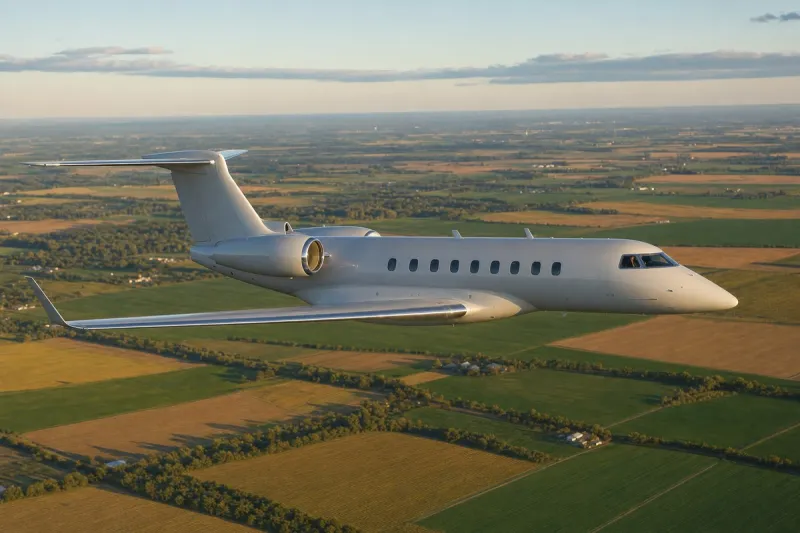
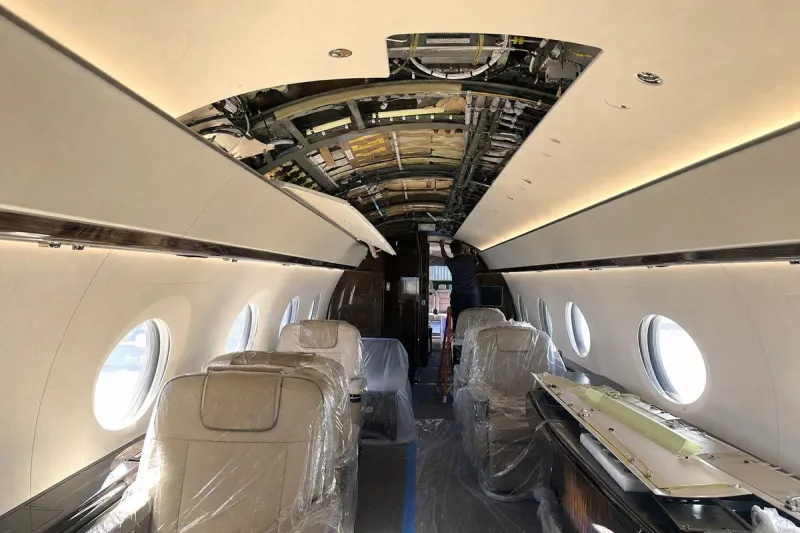
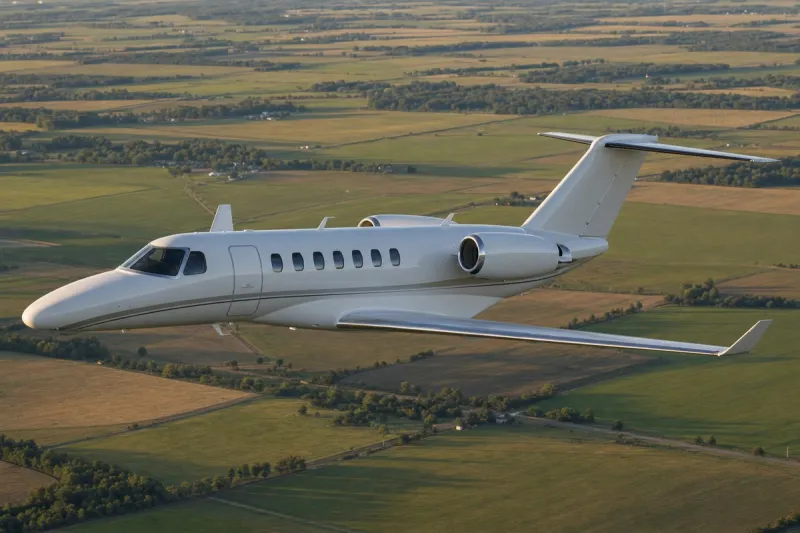
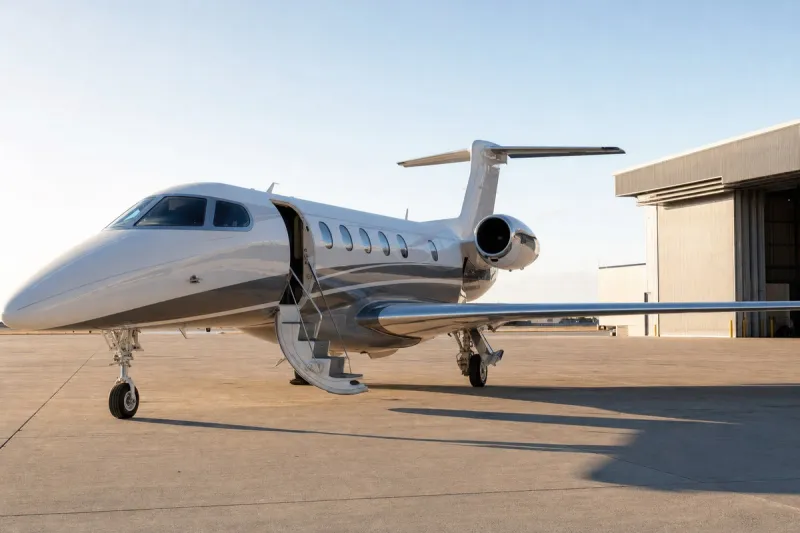
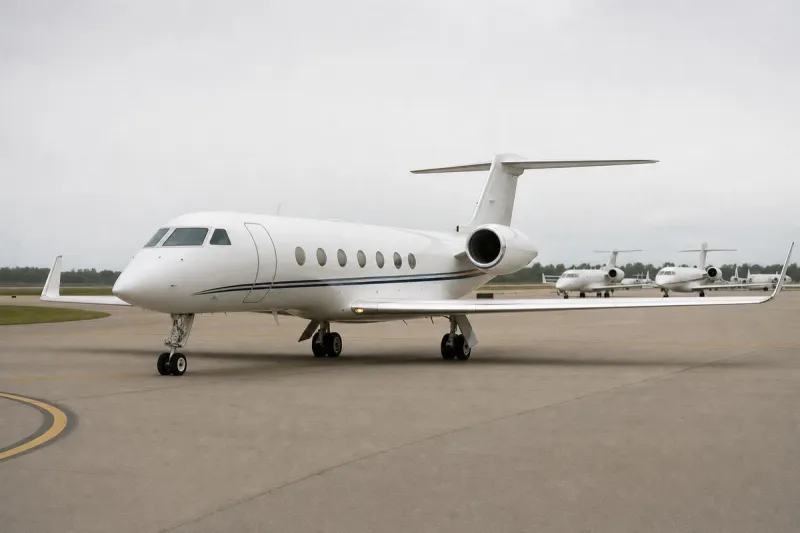
Founded in 1995 and based at St. Paul Downtown Airport, Best Jets has traditionally focused on aircraft management and private charter under Part 135 regulations, operating business jets including the Gulfstream V, Dassault Falcon 900DX and Cessna Citation Sovereign. The operator plans to operate four Embraer E170s across two configurations: two aircraft with 30-seat executive interiors already used for charter under the company's existing Part 135 certificate, and two additional E170s configured with 60 seats for Part 121 operations. All four aircraft are expected to complete FAA conformity inspections by November 1.
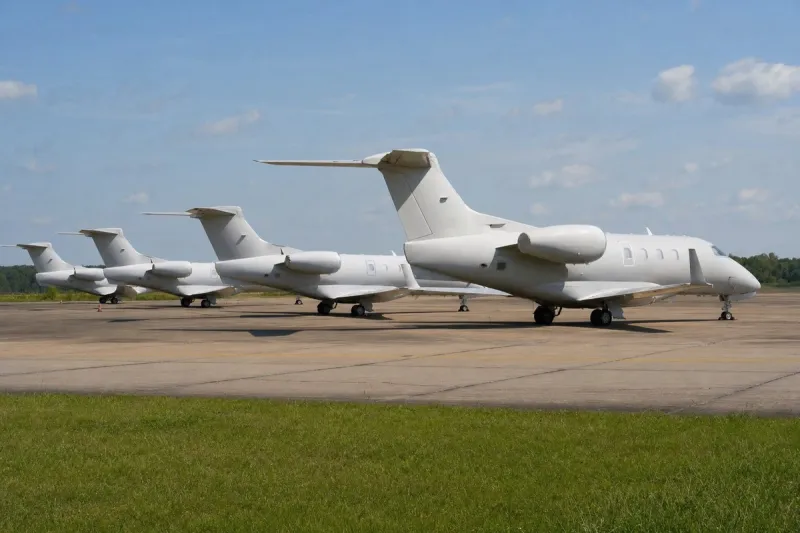
Three E170s currently identifiable in public fleet databases as associated with Best Jets are registered N175RS, N176RS and N177RS, all approximately 20 years old. The registrations of the two 60-seat aircraft have not been disclosed. The aircraft are expected to be based in the US Midwest and Florida. Best Jets is targeting professional and collegiate sports teams, corporate groups, entertainment organizations and government customers, and submitted its Preapplication Statement of Intent to the FAA in April, according to US Department of Transportation filings.
Fleet and configuration
The E170 entered commercial service in 2004 and typically seats 70 to 78 passengers in standard airline configuration, making Best Jets' 30-seat variants unusually spacious by comparison. The 60-seat aircraft planned for Part 121 operations sit closer to the type's original density but still well below its maximum, while the two 30-seat units already flying under Part 135 point to a group-charter product built around space and service rather than seat count.
Industry impact & what to watch
Supplemental Part 121 certification is the regulatory step that lets an operator run larger aircraft and higher-capacity charters under the same rulebook used by scheduled airlines, without committing to scheduled service itself. For a Part 135 operator like Best Jets, holding both certificates means it can match aircraft and configuration to customer type: business jets and 30-seat E170s for smaller private groups, and 60-seat E170s for larger group movements such as sports teams or corporate parties that exceed what Part 135 economics or capacity typically support.
The move also underscores a small but persistent secondary market for early-generation Embraer E-Jets in the United States, where airframes now around 20 years old are finding a second life in charter rather than mainline scheduled fleets. Whether that market grows will depend on how many other Part 135 operators pursue the same dual-certificate path.
The near-term milestone is the November 1 target for all four aircraft to clear FAA conformity inspections, along with disclosure of the registrations for the two 60-seat E170s once they enter service.