Naples International Airport to Close Throughout November 2026 for Runway Renovation
Why It MattersScheduled runway closures push airlines toward temporary hub substitution and rebooking logistics, testing how quickly capacity can shift to secondary airports without stranding regional tourism demand.
What happened
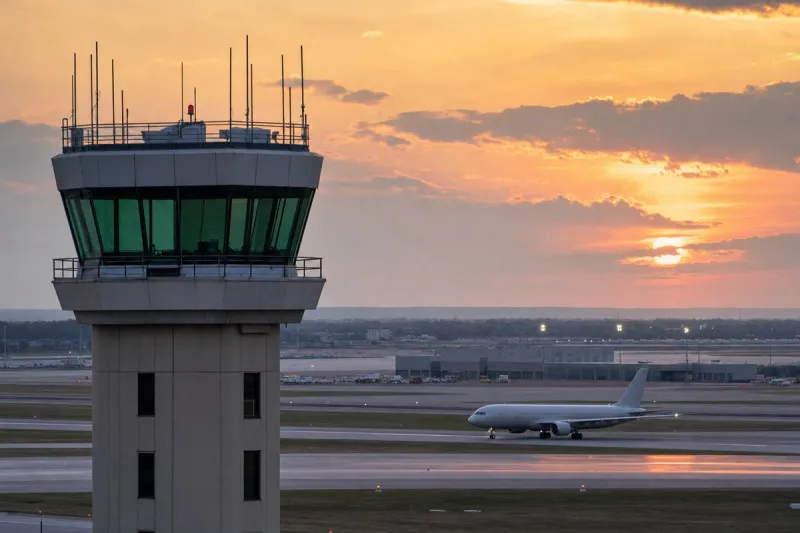
Naples International Airport (NAP) will close for the entire month of November 2026 to undergo runway renovation work, according to a notice the airport issued in May 2025. The airport described the project as "radical and scheduled runway renovation work" carried out in line with industry regulations and safety standards.
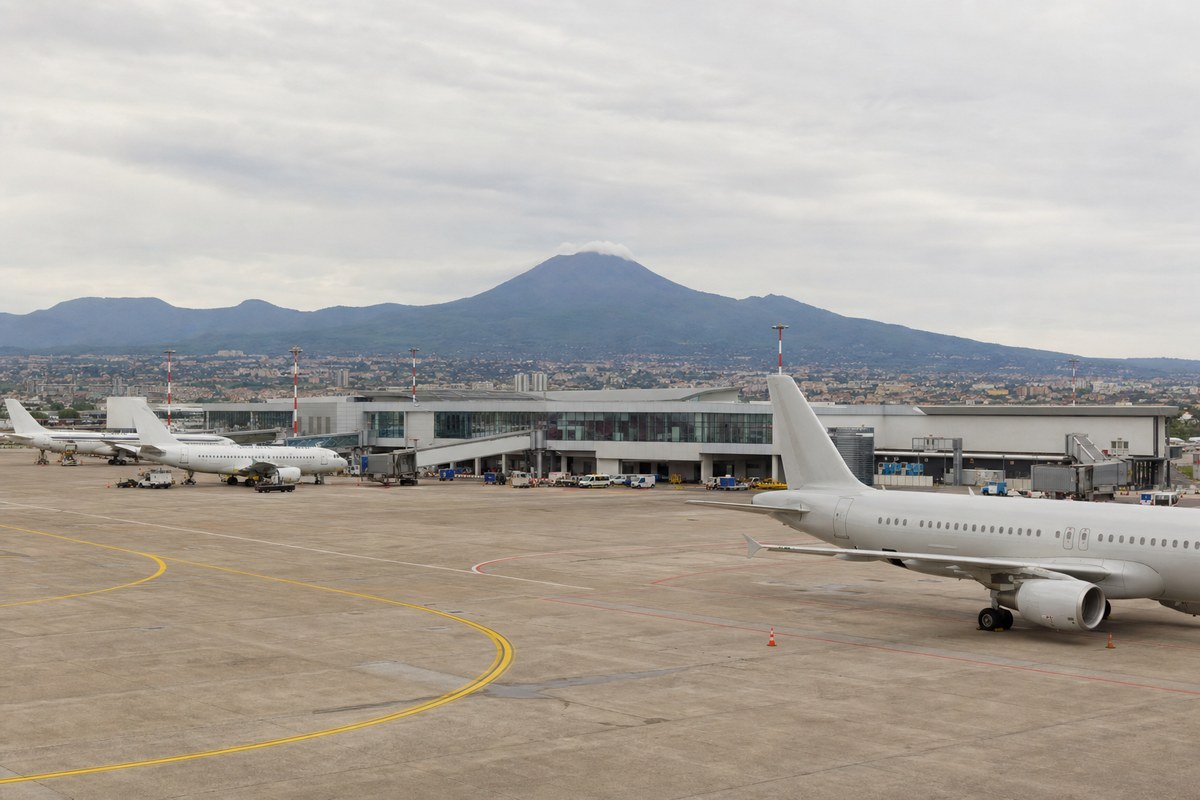
Airlines are adjusting schedules ahead of the closure. Some operations are being redirected to Salerno Costa d'Amalfi Airport (QSR), while other passengers are being rerouted through Rome Fiumicino (FCO). The Lufthansa Group has confirmed it will suspend all flights to and from Naples between November 1 and November 30, 2026.
Passengers booked on Lufthansa Group services connecting Naples with Frankfurt, Munich, Vienna, and Zurich are being automatically rebooked onto alternative flights to or from Rome Fiumicino where possible. Passengers on Eurowings flights between Stuttgart or Düsseldorf and Naples will also receive alternative arrangements. Affected customers who do not accept an alternative flight may contact agency support for other rebooking options, and in some cases may be eligible for further assistance.
Who feels the disruption
The closure will affect travellers planning autumn trips to the Campania region, which includes destinations such as Sorrento, the Amalfi Coast, Pompeii, Herculaneum, Capri, and Ischia. With the primary gateway shut for the month, arrivals shift toward Salerno Costa d'Amalfi Airport or Rome Fiumicino, adding connection distance and time for travelers headed to those sites.
Industry impact & what to watch
A month-long closure of a regional gateway during a lower-demand month is a case study in how carriers absorb scheduled infrastructure work: capacity gets parked or redirected to a nearby airport rather than cancelled outright, and connecting passengers are pushed through a larger hub that can absorb the volume. Rome Fiumicino's role here shows how a bigger airport nearby effectively becomes an overflow valve for a smaller one undergoing planned works.
The arrangement also shows the limits of substitution. Salerno Costa d'Amalfi is smaller and geographically distinct from Naples, so rerouting there changes ground transfer times for travelers heading into Campania's tourist areas, even where it preserves an air option.
What remains to be seen is how completely other carriers beyond the Lufthansa Group follow the same pattern of suspension-and-rebooking versus simply reducing frequency, and whether the runway work stays within its planned November window or extends into December, which would compound the disruption for the region's shoulder-season traffic.