FlightSafety International to Acquire CTS from Acron Technologies
Why It MattersConsolidation in simulator manufacturing and training reflects operators positioning for a commercial fleet projected to grow from about 28,000 aircraft to more than 50,000 by 2045.
What happened
FlightSafety International (FSI) has agreed to acquire Commercial Training Solutions (CTS), the commercial aviation training and simulation division of Acron Technologies. The deal is expected to close in Q4 2026, subject to customary closing conditions.
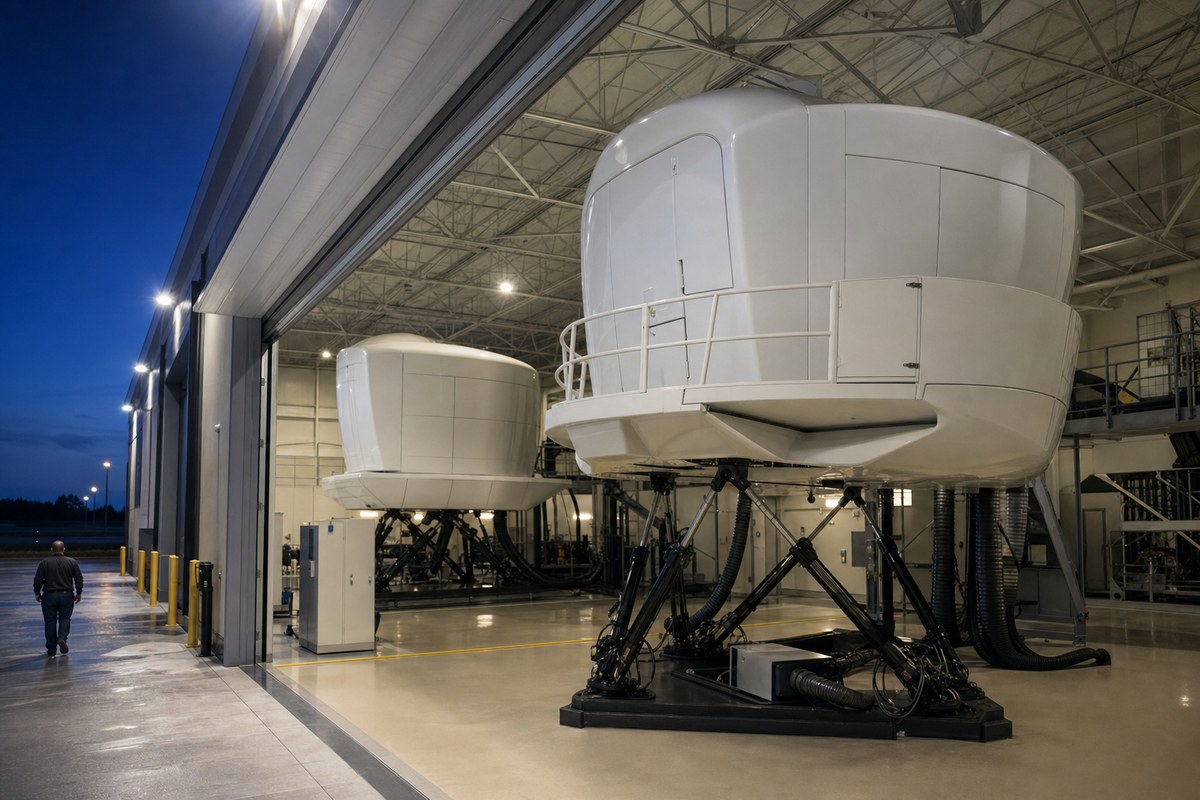
CTS brings more than 80 years of experience in commercial aviation training and simulation, having delivered over 850 training devices throughout its history, with more than 300 full-flight simulators currently in operation worldwide. The company operates training and manufacturing facilities in the United States, United Kingdom, and Thailand, supporting pilot and driver training systems and airline academy programs.
Eric Hinson, CEO of FlightSafety International, said: "We are thrilled to welcome CTS to FlightSafety. CTS's commercial simulation and training expertise aligns with our long-term growth strategy and will allow FlightSafety to better serve the training needs of airlines throughout the world." David Coward, President of CTS, said: "FlightSafety International is the ideal investor for CTS. Together, we bring complementary capabilities, deep technical expertise, and a shared commitment to delivering world-class training solutions for the commercial aviation industry."
The companies cited growing demand for commercial aviation training, noting that the global commercial airline fleet is projected to grow from approximately 28,000 aircraft in 2025 to more than 50,000 by 2045.
Industry impact & what to watch
Training and simulation capacity is becoming a target for consolidation as manufacturers look to widen their footprint ahead of fleet growth rather than build new capability from scratch. Buying an established provider with existing devices and facilities across three countries gives FSI installed simulator capacity and academy relationships immediately, instead of waiting years for new builds to come online.
The training segment works on long lead times: simulators take years to design, certify, and deploy, so an operator or manufacturer expecting demand decades out has to secure capacity well ahead of need. The fleet projection cited by both companies, from roughly 28,000 aircraft in 2025 to more than 50,000 by 2045, is the kind of long-horizon signal that drives this sort of acquisition rather than organic capacity addition alone.
The next marker to watch is the Q4 2026 close itself and whether the customary closing conditions surface any regulatory scrutiny given the scale of combined simulator inventory. Beyond that, how FSI integrates CTS's US, UK, and Thailand facilities into its own network will determine whether the deal actually expands global training reach or simply consolidates existing capacity under one owner.