Modified Gulfstream IV Returns to MIT Lincoln Laboratory After Seven-Year Overhaul in Canada
Why It MattersMulti-year test-bed conversions on legacy business jets show how specialized government flight-test programs depend on niche modification shops able to absorb schedule shocks like pandemic disruption without abandoning a decade-old platform.
What happened
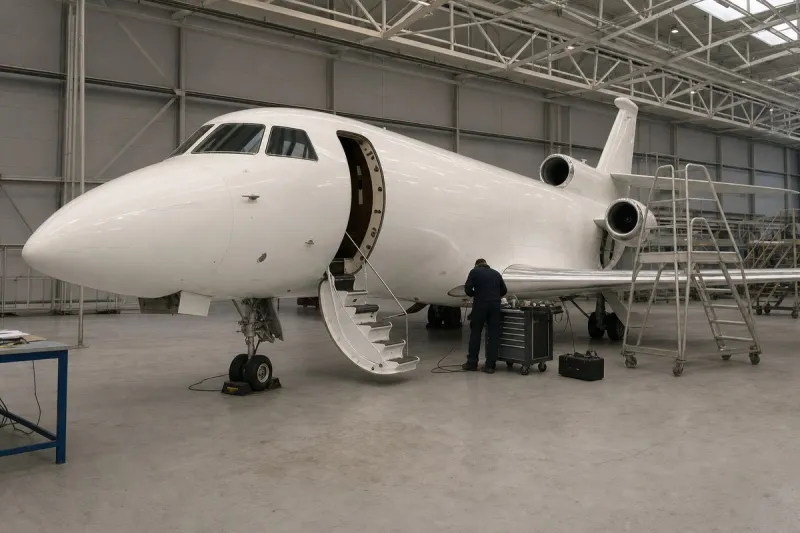
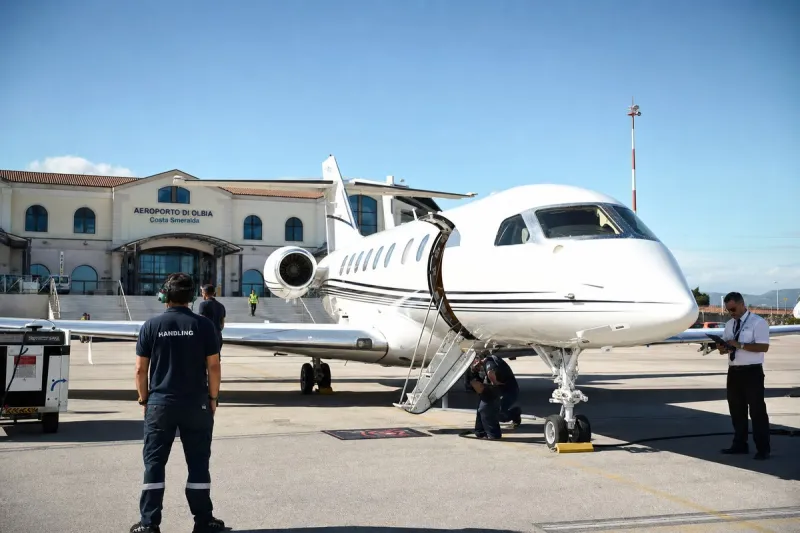
A heavily modified Gulfstream IV operated by MIT Lincoln Laboratory's Tactical Defense Systems Group and Flight Test Facility has returned to its home hangar this spring, following a seven-year modification program carried out in Toronto, Canada, with aerospace company Field Aviation. The laboratory purchased the aircraft in 2015 and describes the project as the largest and most complex airborne test-bed modernization in its history. The G-IV will support the U.S. Air Force's Air Vehicle Survivability Evaluation (AVSE) program, which assesses how U.S. aircraft and space assets perform against current and emerging threats, replacing a modified Gulfstream II the group had used for AVSE since the early 1990s.

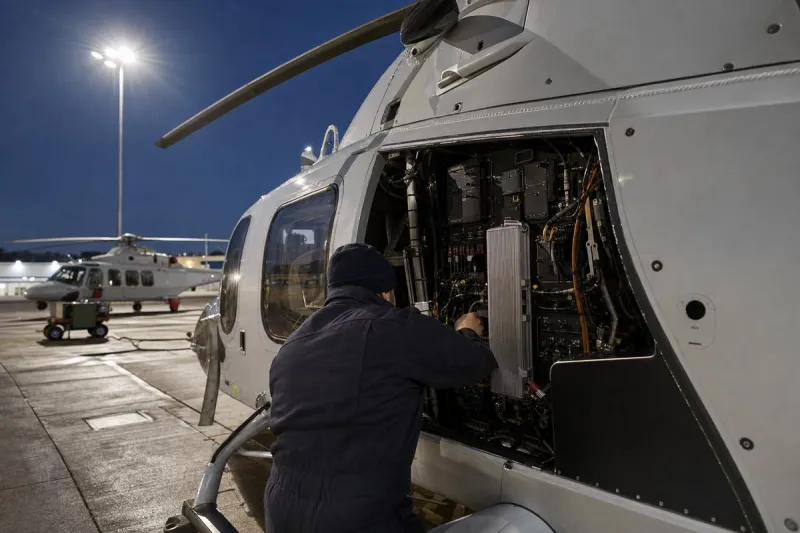
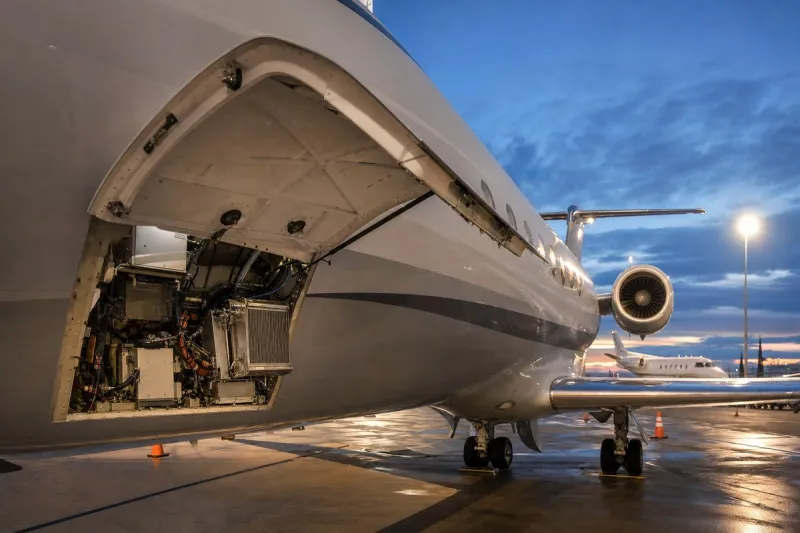
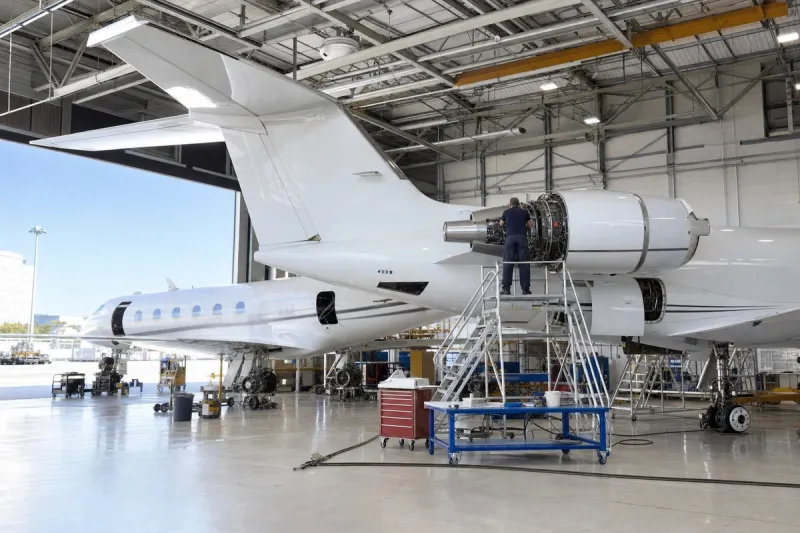
FTF pilots flew the G-IV to Toronto in December 2018, where it was originally expected to remain for three to four years; COVID-19 disruptions and contractor management shifts extended the timeline, and the laboratory eventually took direct oversight of modifications, maintenance, and reassembly, with staff making hundreds of trips to Canada. The structural overhaul involved removing, tracking, and reinstalling more than 2,000 components across 12 major modifications. Mechanics installed four external wing sensor pylons carrying loads from 200 to more than 1,000 pounds, plus a fifth pylon on the forward lower fuselage rated for up to 2,000 pounds and able to accommodate systems nearly 19 feet long. The nose was extended by six feet and the cockpit was entirely gutted and reinforced, with the interior fitted with 14 equipment racks, workstations for six onboard operators, and fiber-optic, Ethernet, and coaxial cabling.
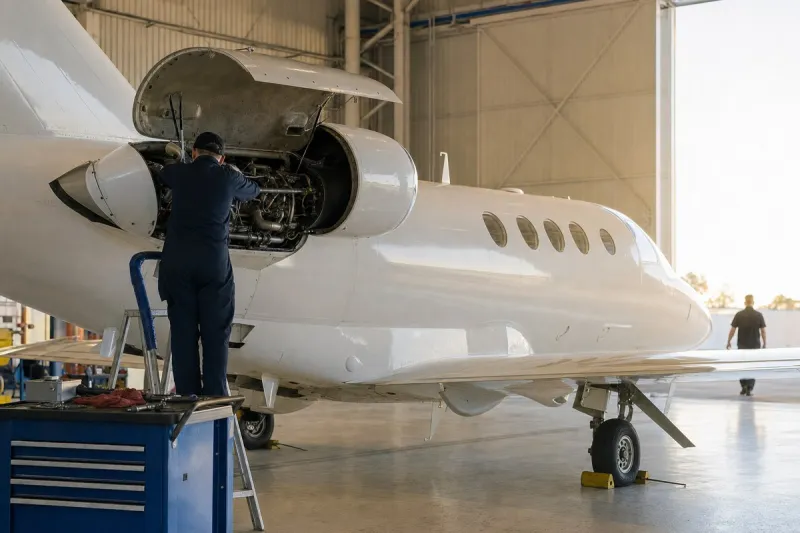
Field Aviation engineers also designed a new fireproof titanium enclosure housing a larger auxiliary power unit capable of producing nearly double the original electrical output up to the G-IV's 45,000-foot ceiling. Between October 2024 and January 2025, FTF mechanics disassembled and fully reassembled the entire cockpit, and the aircraft completed multiple post-modification flights without a single maintenance write-up. Senior aircraft mechanic Craig Rowe, who served as lead crew chief and traveled monthly to Canada throughout the project, received a 2026 MIT Excellence Award for Outstanding Contributor.
Industry impact & what to watch
This project sits alongside other long-cycle special-mission conversions, where a legacy business jet airframe is rebuilt around sensor pylons, power systems, and operator stations rather than replaced outright. Government test programs favor this path because the airframe, avionics baseline, and operational history already exist; the cost is schedule risk, visible here in a conversion that ran roughly seven years against an original three-to-four-year estimate.
The Field Aviation work illustrates how these programs actually get delivered: heavy structural changes (nose extension, pylon installation, cockpit rebuild) paired with a bespoke power solution, executed by a specialist shop rather than the original airframe manufacturer, with the customer eventually taking direct oversight of schedule and quality when a contractor relationship falters.
What remains ahead is concrete: about 18 more months of flight testing, mission systems modification, test systems installation, and FAA certification before the G-IV is mission-qualified for AVSE. That certification step, not the return to the home hangar, is the milestone that will determine when the aircraft actually replaces the Gulfstream II in operational use.