FAA Issues Ground Stops at DCA, IAD, and BWI Airports Due to Thunderstorms
Why It MattersWeather-driven ground stops across a metro area's airports show how a single storm system can compress capacity at multiple hubs at once, cascading delays through connecting schedules.
What happened
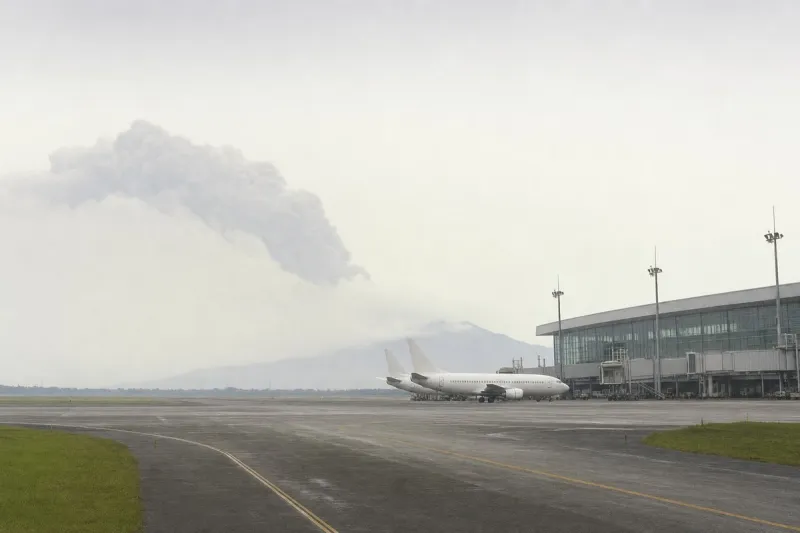
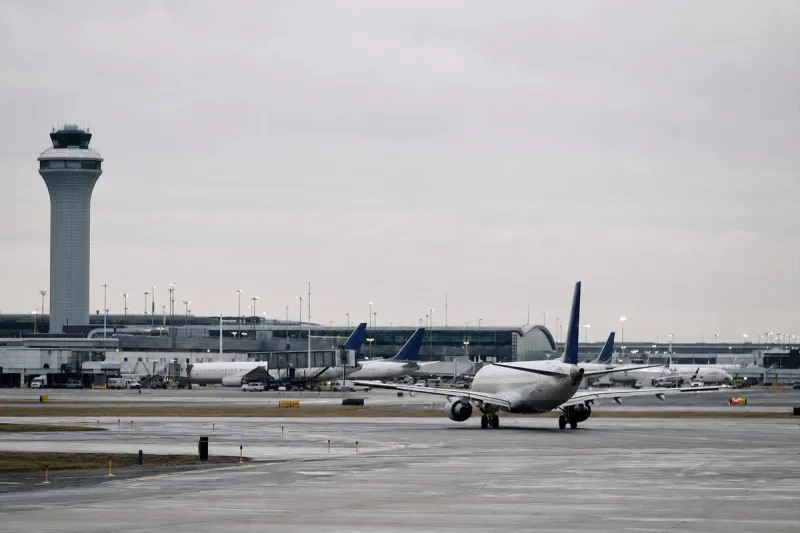
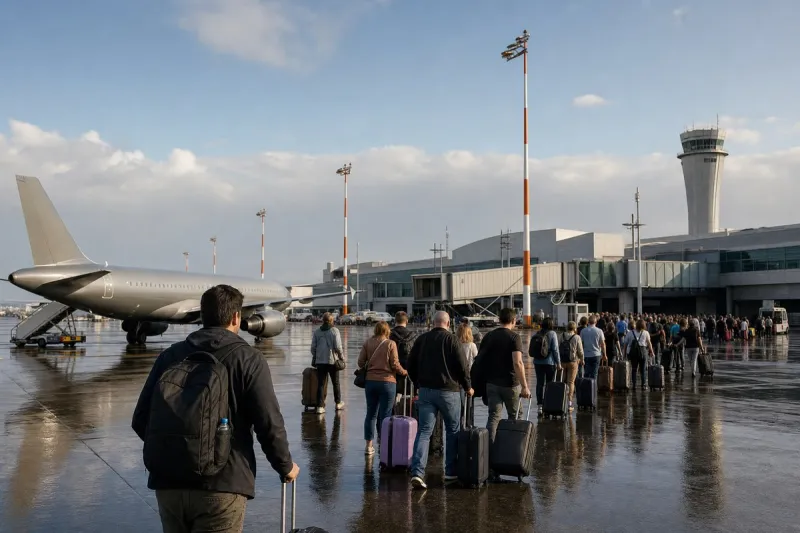
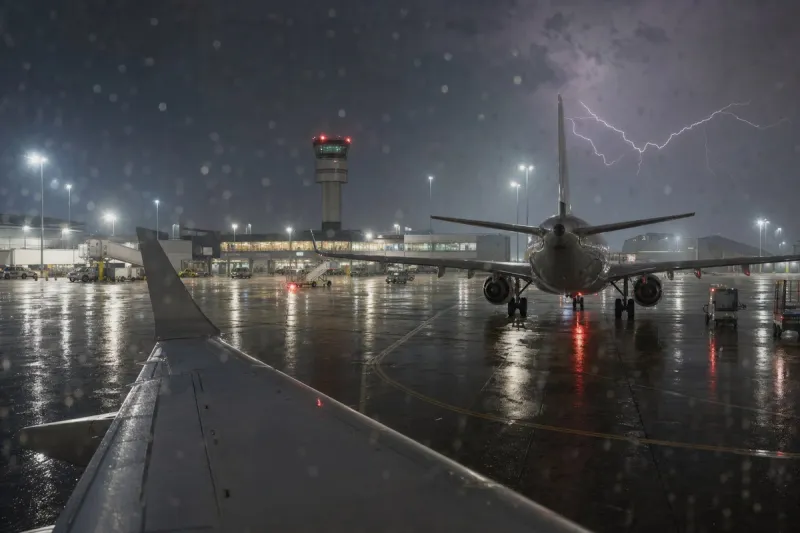
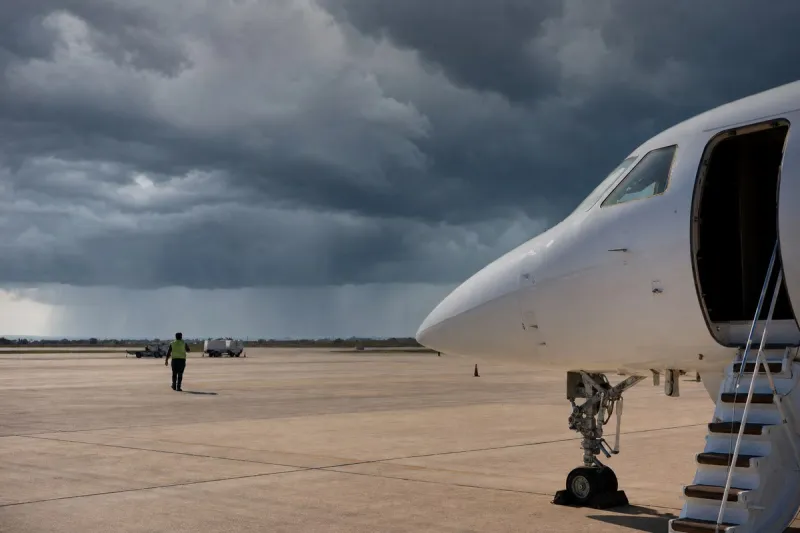
The Federal Aviation Administration issued ground stops for multiple Washington, D.C.-area airports on Wednesday afternoon as thunderstorms moved through the region.
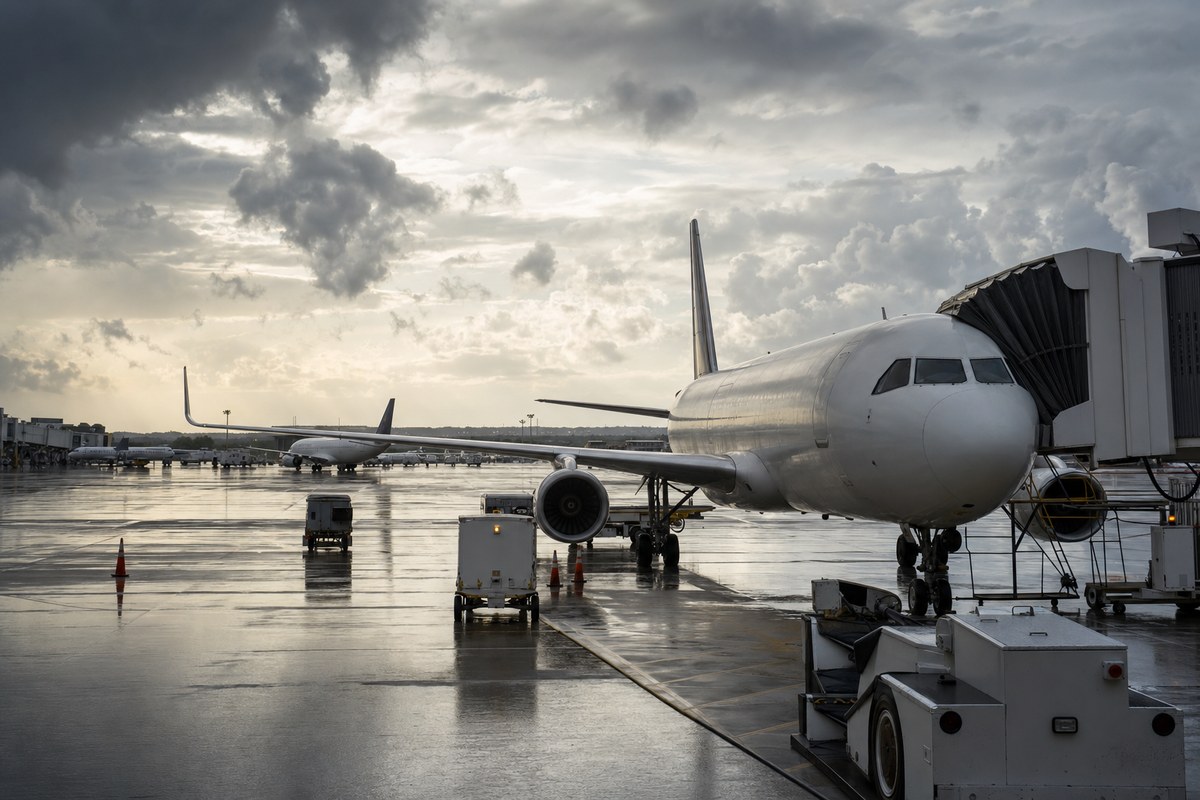
At Baltimore Washington International Thurgood Marshall Airport (BWI), the ground stop was expected to remain in effect until 3:45 p.m., with departures also experiencing delays. At Ronald Reagan Washington National Airport (DCA), the ground stop was set to last until 4:15 p.m. At Washington Dulles International Airport (IAD), inbound departures were grounded until 4:00 p.m.
Industry impact & what to watch
Ground stops tied to convective weather are a routine tool the FAA uses to protect aircraft and passengers when thunderstorms move through congested airspace, and the near-simultaneous holds at three airports serving one metro area illustrate how a single weather system can constrain an entire region's air traffic capacity rather than one airport's.
In practice, this kind of multi-airport stop ripples outward: aircraft scheduled to depart from or arrive at BWI, DCA, and IAD get held on the ground or in holding patterns elsewhere, and downstream flights that depend on those aircraft or crews absorb delays well after the stated stop times pass. Because the three airports share overlapping airspace and route structures, a storm affecting one often affects the others on a staggered timeline, as reflected in the differing end times given for each stop.
Whether the disruption stays contained to the afternoon or extends into the evening will depend on how the storm system continues to move through the region and whether the FAA extends or lifts the stops at their stated times.