Sasol CEO Calls Out South African Jet-Fuel Suppliers for Inadequate Stock Levels After Natref Refinery Disruption
Why It MattersThe episode shows how thin fuel-inventory buffers at a single refinery can ripple into airport-level supply risk, pushing policymakers toward mandated minimum stock levels.
What happened
Sasol Chief Executive Officer Simon Baloyi criticised South African jet-fuel suppliers for holding insufficient inventory following a production outage at the company's Natref refinery. The disruption forced airlines to make contingency arrangements last week and prompted an emergency meeting convened by the Department of Energy with OR Tambo International Airport and the Fuels Industry Association of South Africa.
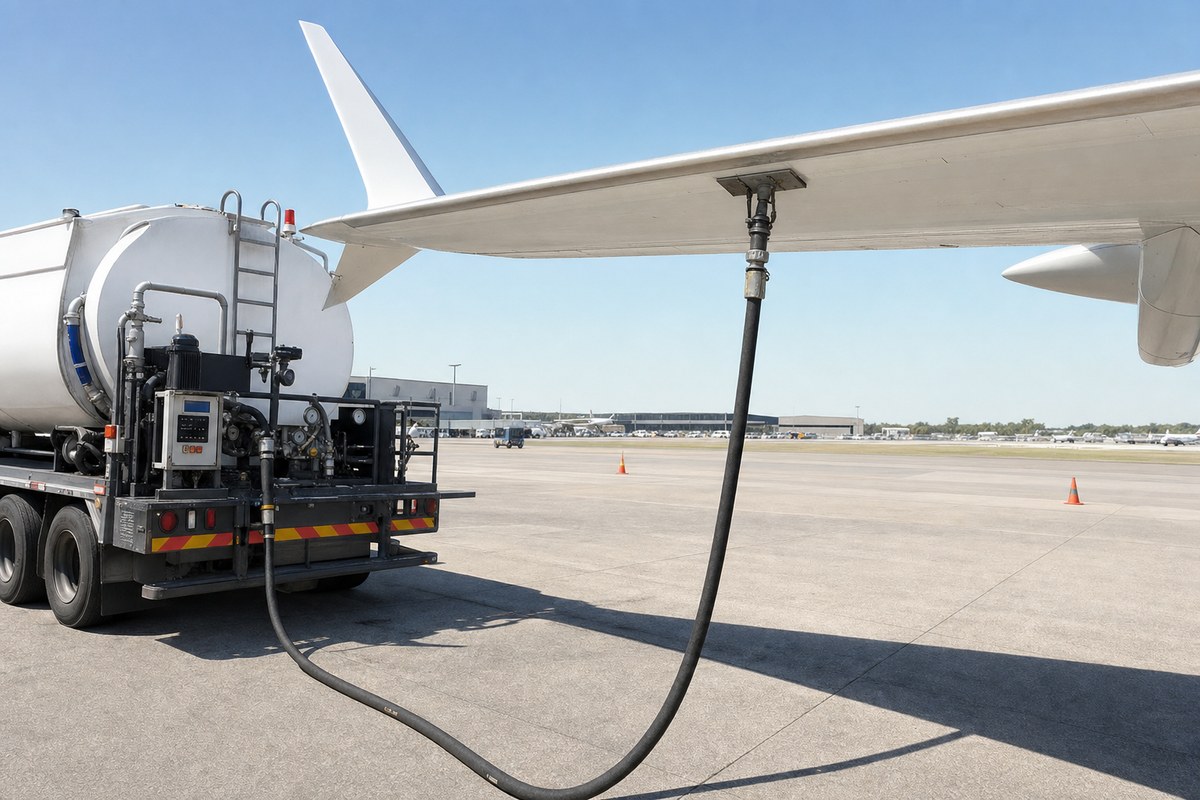
Speaking in an interview on Tuesday, Baloyi said Natref has since taken measures that leave a "low probability" of potential jet-fuel shortages at Johannesburg's OR Tambo International Airport, which he described as the country's busiest. He said suppliers need to maintain higher stock levels to withstand future production disruptions, stating: "You can't run with low inventory. Operational plants are operational plants — they'll go up, they'll go down." Baloyi said he was surprised by the inadequate inventory levels given current geopolitical conditions, including oil price shocks and disruptions to physical supply linked to the Iran war, which have forced South Africa and other African nations dependent on fuel imports to seek alternative supply sources.
The Department of Mineral and Petroleum Resources proposed in July that reserves covering 60 days of demand be maintained, with approximately two-thirds held as crude oil and the remainder as oil products, and that licensed wholesalers and importers keep 21 days of inventory. Separately, Vitol Group's Vivo Energy is constructing fuel storage tanks at a former refinery site in Durban, a $130 million project that began before the start of the Iran war, adding 300,000 cubic metres of storage capacity and scheduled for completion in the third quarter of next year.
Industry impact & what to watch
This case illustrates how a single refinery outage can expose the fragility of jet-fuel supply chains feeding a major hub airport, particularly where wholesalers and importers hold thin buffer stock. In fuel logistics for aviation, inventory at refineries, storage terminals and airport fuel farms is meant to absorb exactly this kind of disruption, and the gap surfaces only when an outage collides with an already stressed import environment.
The proposed 60-day reserve requirement, split between crude and products, alongside a 21-day minimum for licensed wholesalers and importers, would shift the burden from ad hoc emergency meetings to a standing regulatory floor. Whether that proposal is adopted, and on what timeline, will determine whether airlines and airports continue to rely on contingency arrangements during future plant disruptions.
The Durban storage project adding 300,000 cubic metres of capacity by the third quarter of next year is a separate, longer-term response already underway, independent of the current policy proposal. What remains to be seen is whether the Department of Mineral and Petroleum Resources finalises the 60-day reserve rule and how suppliers respond in the interim, given Baloyi's explicit call for higher stock levels.