TSB: Helicopters More Than Twice as Likely as Airplanes to Suffer Loss-of-Visual-Reference Accidents in Canada
Why It MattersThe finding shows how low-altitude helicopter operations remain exposed to a hazard that current VFR-based training and regulation were not designed to catch until it becomes an emergency.
What happened
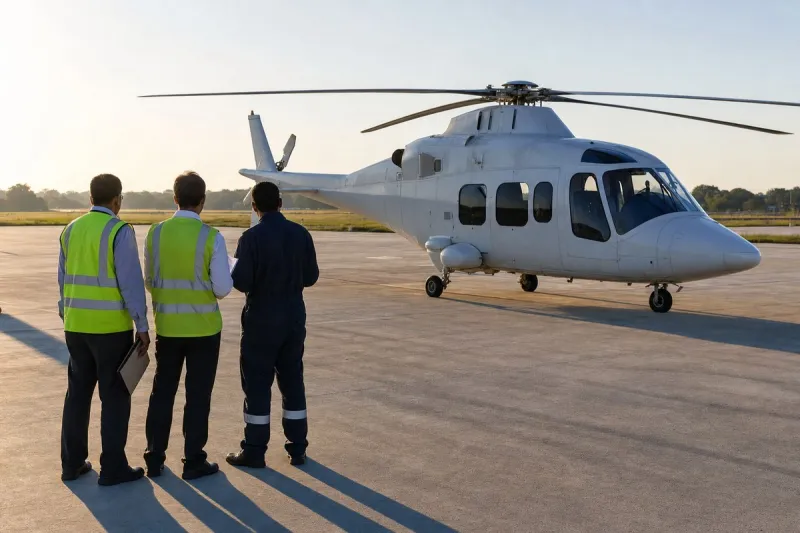
The Transportation Safety Board of Canada (TSB) has published research showing that helicopters are more than twice as likely as airplanes to be involved in loss-of-visual-reference accidents in the country. Between 2000 and 2021, such accidents made up 3.38% of helicopter accidents in Canada, compared with 1.55% of airplane accidents, and the TSB said the disparity has continued in more recent data.
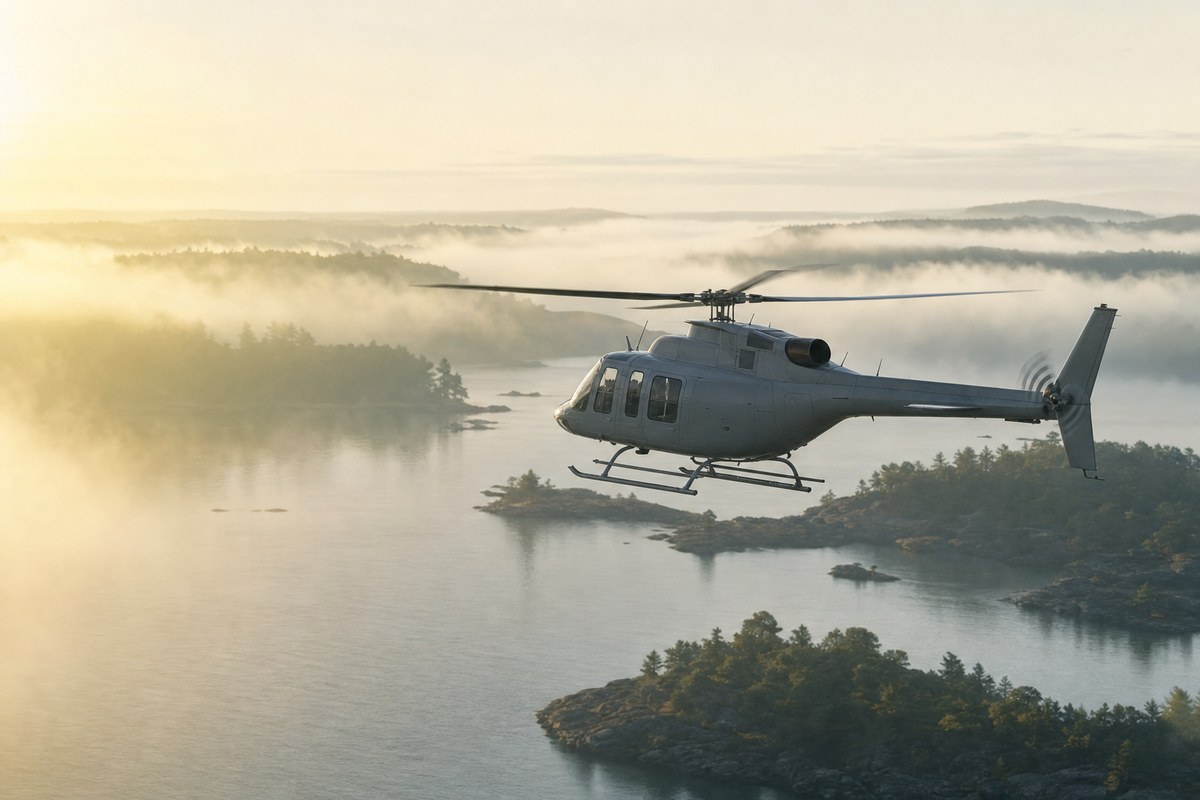
The TSB said the hazard can develop even when pilots remain technically within VFR conditions. Flat light, whiteout, blowing snow, and haze can strip away the visual cues pilots need to maintain attitude and orientation, without triggering the instrument-meteorological-condition warnings pilots traditionally watch for.
The risk was illustrated by the TSB's investigation of a fatal 2021 crash in Nunavut involving an Airbus AS350 B2 operated by Great Slave Helicopters. The helicopter was flying VFR when it encountered snow-covered featureless terrain, an overcast sky, and snow squalls. Investigators concluded that the resulting flat light and whiteout caused the pilot to lose visual references and subsequently lose control.
The TSB said current Canadian regulations do not require commercial helicopter operators to ensure pilots possess the skills or technology needed to avoid or recover from inadvertent instrument meteorological conditions (IIMC). It has recommended that commercial helicopter operators be required to provide IIMC recovery training, appropriate technology, and standard operating procedures for single-pilot operations.
Industry impact & what to watch
The Nunavut crash belongs to a category the TSB says regulation has not caught up with: loss of visual reference that occurs inside conditions still classed as VFR, rather than the clearer-cut case of inadvertently flying into cloud. That distinction matters because pilot training and operator procedures built around avoiding IIMC do not necessarily prepare a crew to recognize and recover once visual cues have already degraded in flat light or blowing snow.
Helicopter operations concentrate this exposure because they are typically flown at low altitude, close to terrain, and often single-pilot, leaving little margin or backup once spatial disorientation begins. The TSB's own accident-rate comparison, over twenty years of data, indicates this is a structural feature of how helicopters are used rather than an isolated event tied to one operator or one aircraft type.
What happens next depends on whether Transport Canada acts on the TSB's recommendation to mandate IIMC recovery training, suitable technology, and standard operating procedures for single-pilot commercial helicopter flights. Until a regulatory response is issued, the gap the TSB identified — training and equipment requirements that do not address recovery once visual references are lost — remains in place across commercial helicopter operations in Canada.