Mount Sinabung eruption cancels 21 flights at Kualanamu International Airport, triggers temporary runway closure
Why It MattersVolcanic ash events force airports to trade brief, precautionary closures against prolonged ash-related risk, leaving airlines to absorb cascading schedule disruption even after runways reopen.
What happened
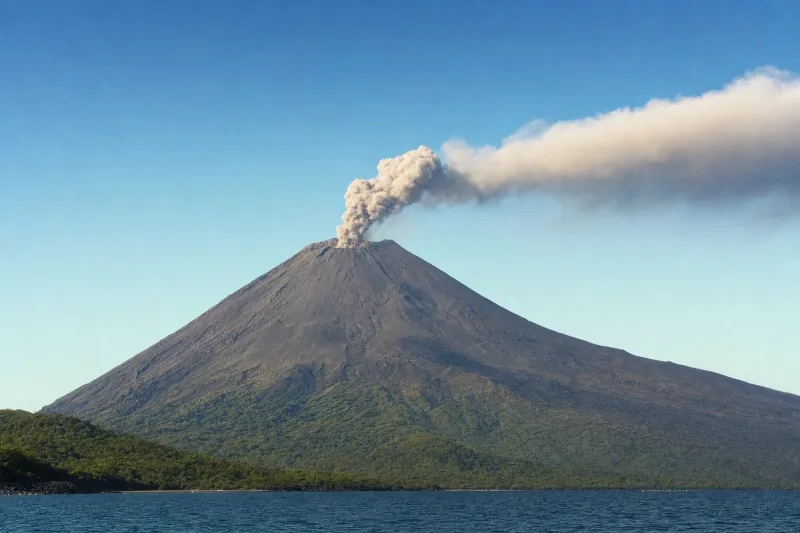
Volcanic ash from Mount Sinabung canceled 21 flights at Kualanamu International Airport in Medan, Indonesia, within the first 24 hours after the volcano resumed erupting on 31 August 2026, disrupting both domestic and international services.
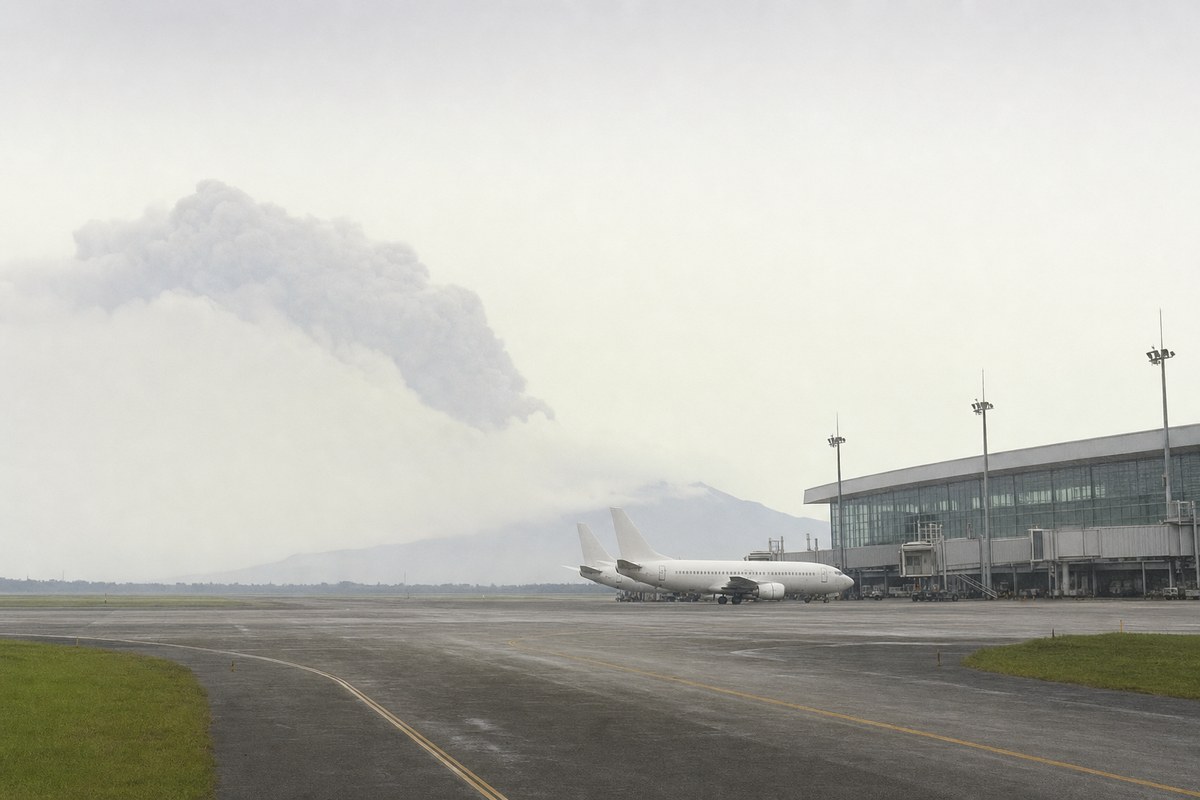
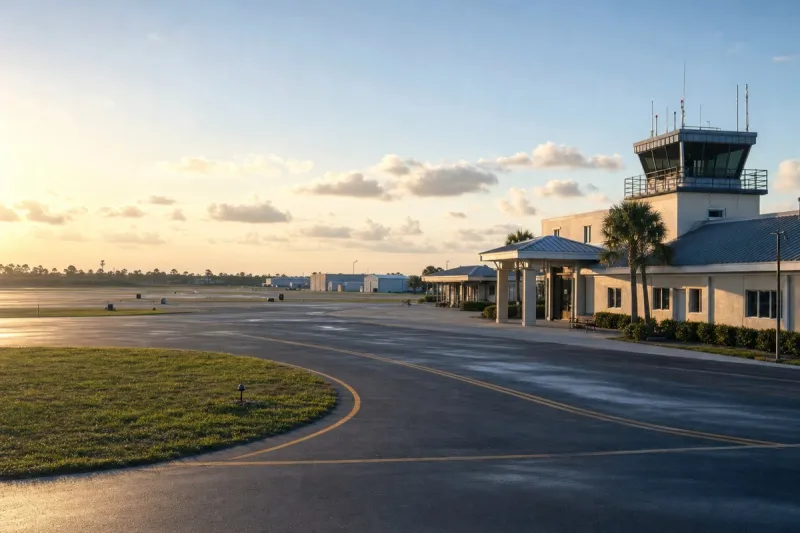
AirNav Indonesia issued NOTAM A3250/26 and temporarily closed the airport on 1 September 2026 to protect operations. Runway operations were suspended from 10:50 am to 12:45 pm local time while ash levels on the airfield and nearby flight paths were assessed. The airport subsequently reopened, but airlines continued to work through knock-on delays and revised schedules.
Mount Sinabung is located approximately 70 kilometres from Kualanamu International Airport and re-entered an eruptive phase on 31 August 2026, sending ash several kilometres into the atmosphere. Indonesia's Geological Agency raised the volcano's alert level and warned that larger eruptions remain possible, while local authorities accelerated evacuations in nearby villages.
The disruption affected multiple carriers operating at Kualanamu, though no airlines have been named publicly. Airport operators, airlines, and AirNav Indonesia are continuing to monitor conditions, and further ground stops remain possible if volcanic ash returns over the airport or if Sinabung's activity intensifies.
Industry impact & what to watch
Ash-driven airport closures follow a recognizable operational sequence: a NOTAM restricts or halts movements, controllers and airport staff assess ash concentration on the airfield and along approach and departure paths, and operations resume once conditions are judged safe. The brief window at Kualanamu — under two hours — shows how quickly authorities can reopen a runway once ash clears, but the knock-on delays and revised schedules that followed illustrate how a short physical closure still ripples through a full day's flight program.
For airports near active volcanoes, the working assumption is that any single closure may not be the last one. Kualanamu sits roughly 70 kilometres from Sinabung, close enough that renewed ash emissions can trigger repeat NOTAMs and further ground stops without warning. That proximity, combined with a raised alert level and continuing evacuations near the volcano, means airlines and the airport authority are managing an open-ended risk rather than a single resolved event.
What happens next depends on Sinabung's own activity: whether the Geological Agency further raises or lowers its alert level, and whether ash plumes drift back over the airfield or approach corridors. Until that activity settles, AirNav Indonesia's monitoring and any new NOTAMs will be the clearest signal of whether Kualanamu returns to normal operations or faces additional closures.