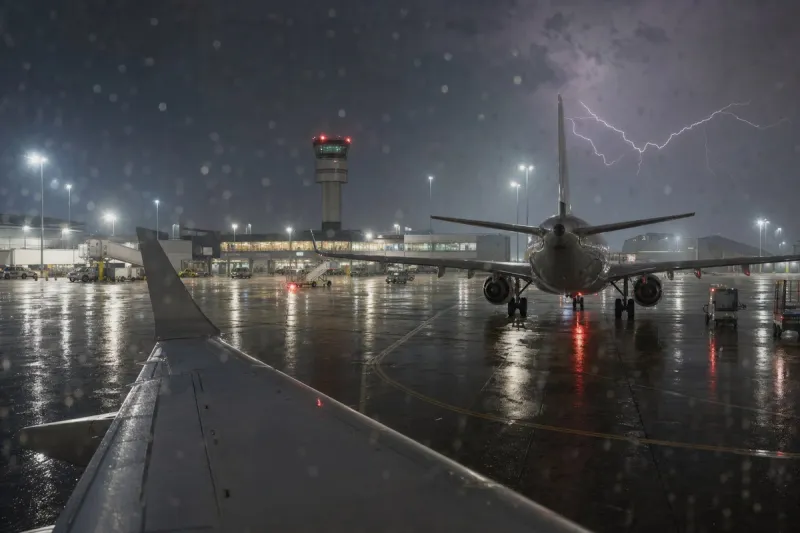
FAA Extends Ban on US Flights to Port-au-Prince Until March 2 Amid Persistent Gang Violence
Why It MattersRepeated rolling extensions show regulators treating gang-controlled airspace as an ongoing operational hazard requiring sustained restriction rather than a one-time response to a single incident.
What happened
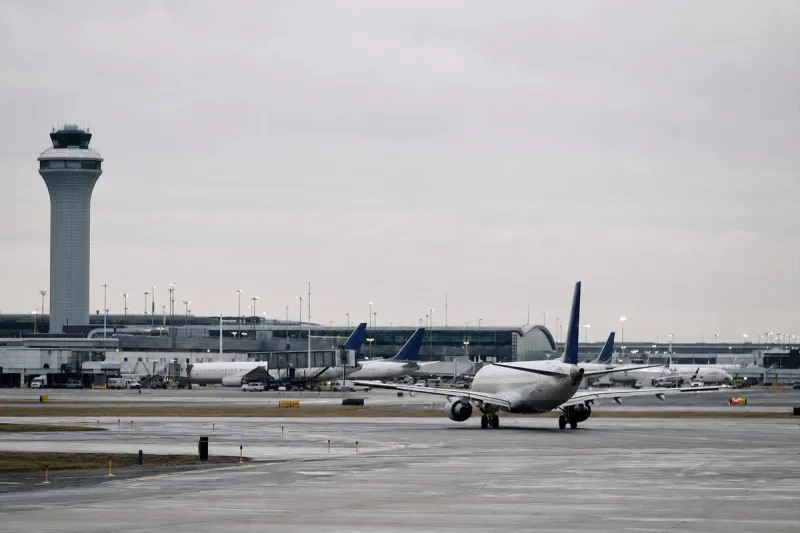
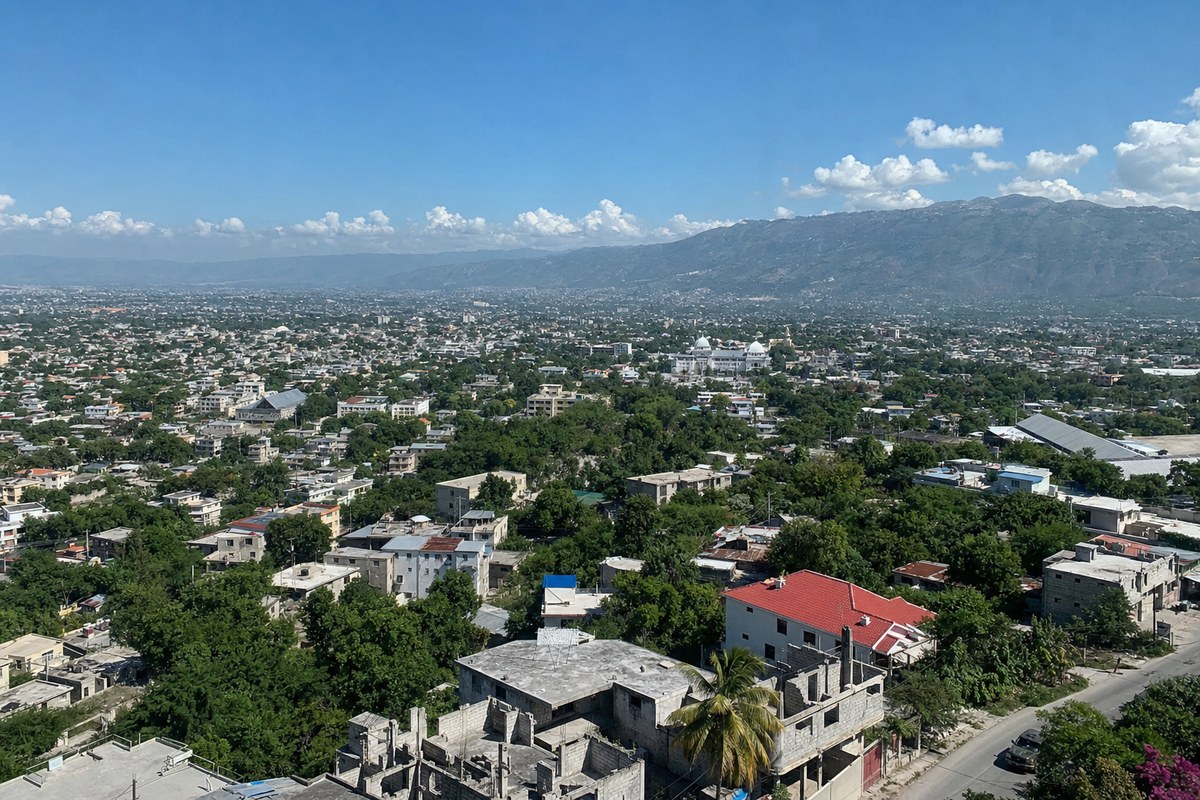
The Federal Aviation Administration extended its ban on U.S. flights to Port-au-Prince, Haiti, until March 2, with the latest extension implemented on Tuesday. The restriction prohibits commercial operators and U.S.-registered civilian aircraft from flying below 10,000 feet (approximately 3,000 meters) over Port-au-Prince and surrounding areas, including parts of central Haiti.
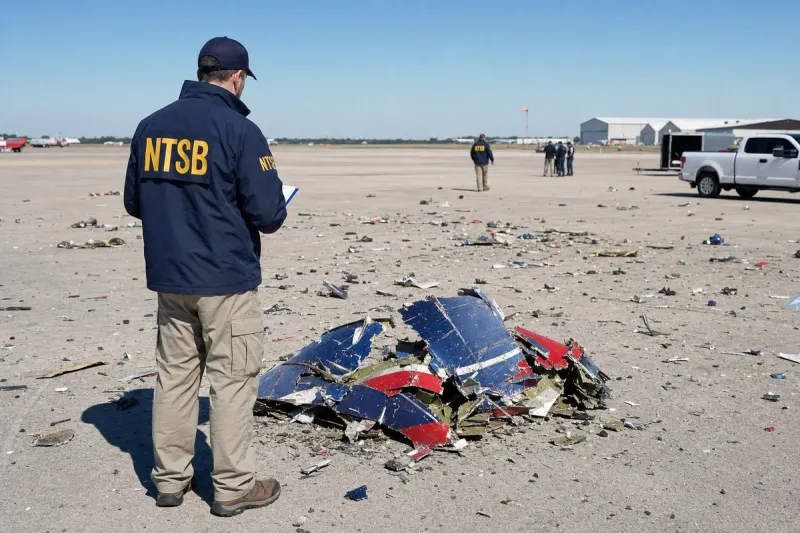
The FAA first imposed the restriction in November 2025 after gunmen shot at a Spirit Airlines flight as it was landing at Toussaint Louverture International Airport. A flight attendant sustained minor injuries, and other commercial aircraft on the ground were also struck. The FAA has extended the ban multiple times since that incident.
Gangs are estimated to control approximately 70% of Port-au-Prince and large swaths of Haiti's central region. Police and a United Nations-backed gang suppression force are working to suppress the violence.
Industry impact & what to watch
This case illustrates how a single ground-fire incident against a commercial aircraft can trigger a standing altitude restriction that regulators keep renewing rather than lift once conditions remain unresolved. A minimum-altitude floor over a specific city is a common tool when the threat comes from small arms or man-portable weapons on the ground: it does not close the airport outright, but it removes low-level approach and departure paths that could put an aircraft within range.
For carriers and charter operators with any Haiti exposure, the operative fact is that each extension has a hard expiry the FAA must actively renew, meaning the restriction's future depends on whether security conditions in Port-au-Prince improve enough for the agency to let it lapse. With gangs still estimated to hold roughly 70% of the capital, the next dated marker to watch is whether the March 2 deadline produces another extension or a genuine change in the FAA's risk assessment.