NBAA Q2 2026 Analysis: Powerplant Failures and Collisions Lead Business Aviation Safety Concerns
Why It MattersAggregated quarterly incident data lets business aviation operators direct training and maintenance attention toward the specific failure and occurrence categories actually recurring in the fleet.
What happened
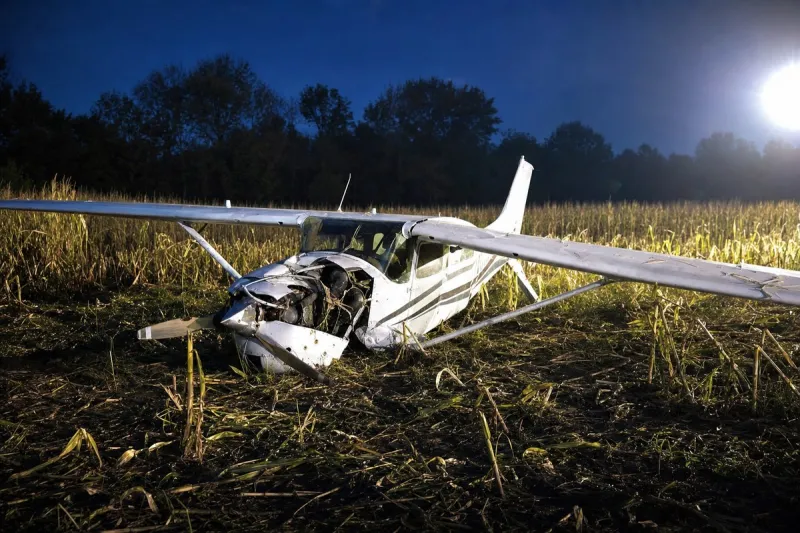
The National Business Aviation Association released its business aviation accident and incident analysis for the second quarter of 2026, covering April through June. The study examined 66 reportable events, comprising 42 incidents and 24 accidents, of which six accidents were fatal, resulting in 22 fatalities. The fatal accidents involved two business jets, three business turboprops, and one turbine helicopter.
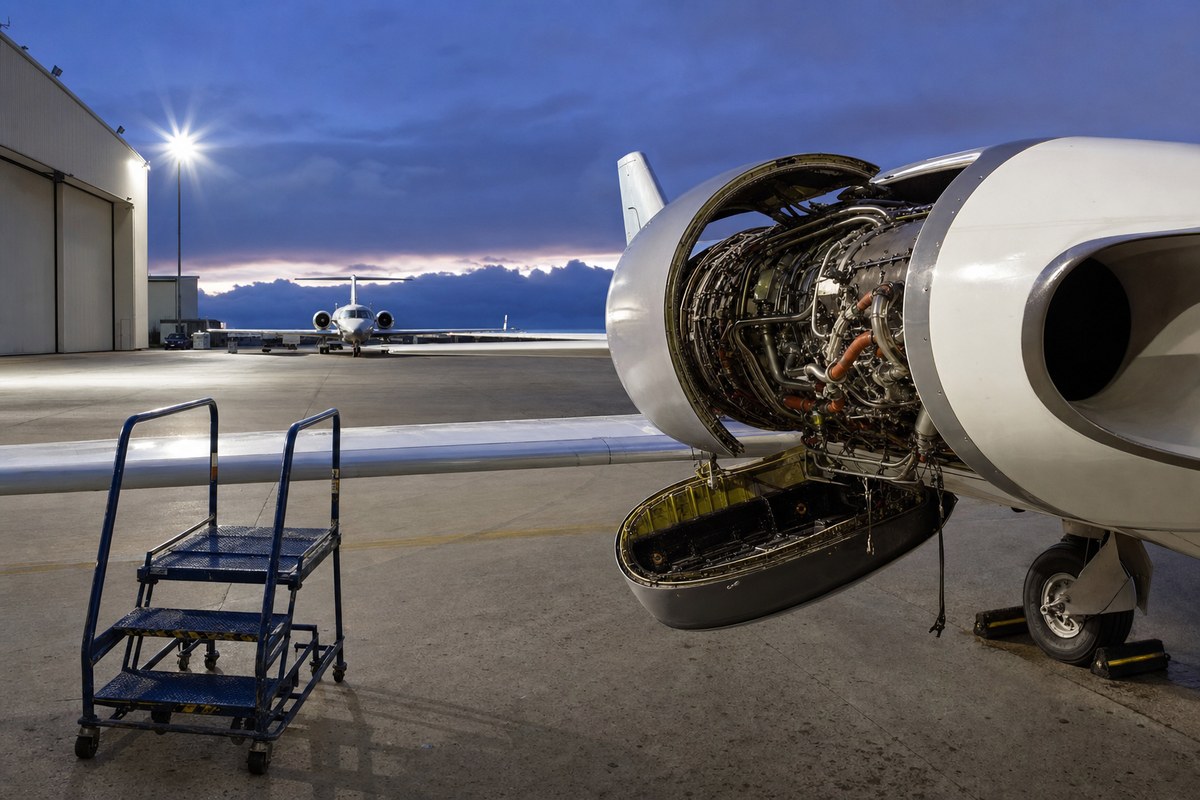
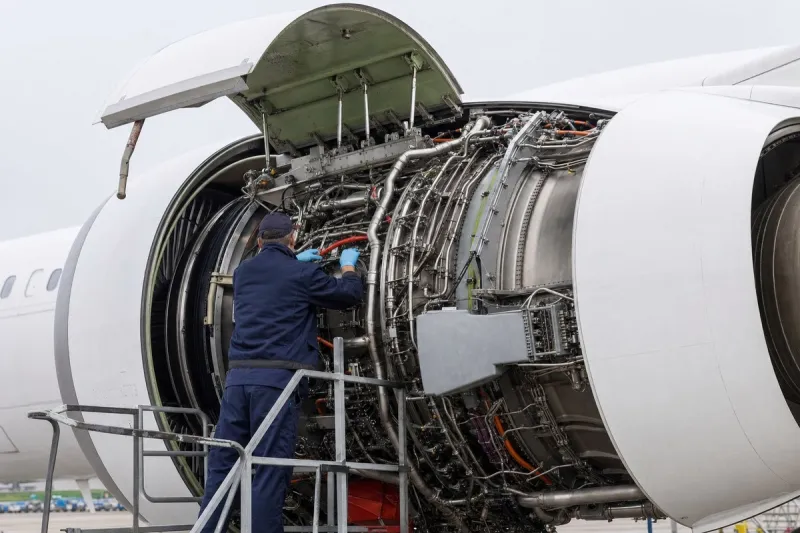
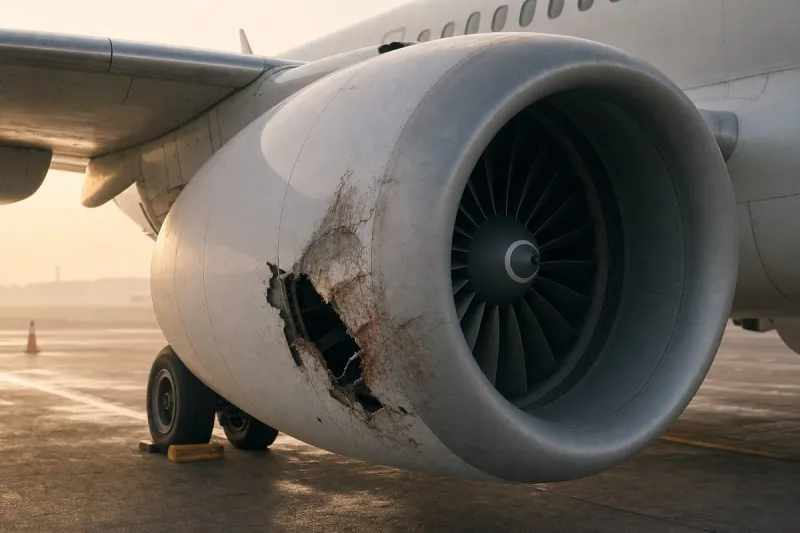
Among the six fatal accidents, powerplant system or component failure was the leading occurrence category, cited in two events. Collisions during takeoff or landing were the most frequent accident type overall, with one fatal and four nonfatal occurrences. Runway excursions and powerplant system or component failures each accounted for three accidents. Across all 66 events, bird strikes were the most common occurrence, accounting for 12 events, followed by non-powerplant system or component failures with 11 events and powerplant system or component failures with nine.
Mark Larsen, CAM, NBAA director of safety and flight operations, said the Q2 findings "reinforce the need for rigorous preflight preparation, disciplined takeoff and landing practices, runway-excursion prevention and close attention to aircraft system and powerplant reliability." He added that "by bringing these events together and examining the patterns behind them, NBAA helps operators turn data into conversations, training priorities and actions that can strengthen safety." The quarterly analysis was launched in the fourth quarter of last year and is intended to identify trends among turbine-powered business aircraft operations, not to assign probable cause.
Industry impact & what to watch
This report belongs to a broader shift toward treating incidents, not just accidents, as the primary safety signal: 42 of the 66 events did not result in an accident, yet the report frames bird strikes and system failures among them as evidence of where hazards are concentrating before they escalate. That logic underpins how safety committees and insurers increasingly work in business aviation — accident counts are too small and too infrequent quarter to quarter to reveal a pattern on their own, so the incident layer becomes the leading indicator for maintenance and training priorities.
The recurrence of powerplant system or component failure across both the fatal-accident category and the broader 66-event count is the clearest structural point in this quarter's data, appearing in two of six fatal accidents and nine of 66 total events. Collisions during takeoff or landing being the most frequent accident type, alongside runway excursions, points operators toward the same operational phase — ground and near-ground maneuvering — as the recurring point of failure.
What comes next is whether NBAA's Q3 report shows powerplant and takeoff/landing categories persisting or receding, since a single quarter establishes a signal but not yet a trend. The association has tied these quarterly releases to its Safety Committee priorities and guidance programs, so the next dated checkpoint is simply the following quarterly release.