FAA System Outage Causes Ground Stop and Mass Cancellations at Major Northeast U.S. Hub
Why It MattersThe episode shows how thin the operating margin has become at densely scheduled Northeast hubs, where daily flight caps and voluntary schedule cuts leave little slack to absorb a single systems failure.
What happened
A temporary disruption in Federal Aviation Administration systems serving a major Northeast U.S. hub airport triggered a ground stop and widespread flight cancellations, sharply curtailing the airport's departure capacity and sending effects through domestic and international networks. FAA real-time operations data showed that traffic management programs in the Northeast were already elevated due to congestion and weather-avoidance routing before the outage occurred, and departure capacity at the affected hub dropped sharply once the failure emerged, forcing airlines to cancel large portions of their schedules to keep aircraft and crews from being stranded out of position.
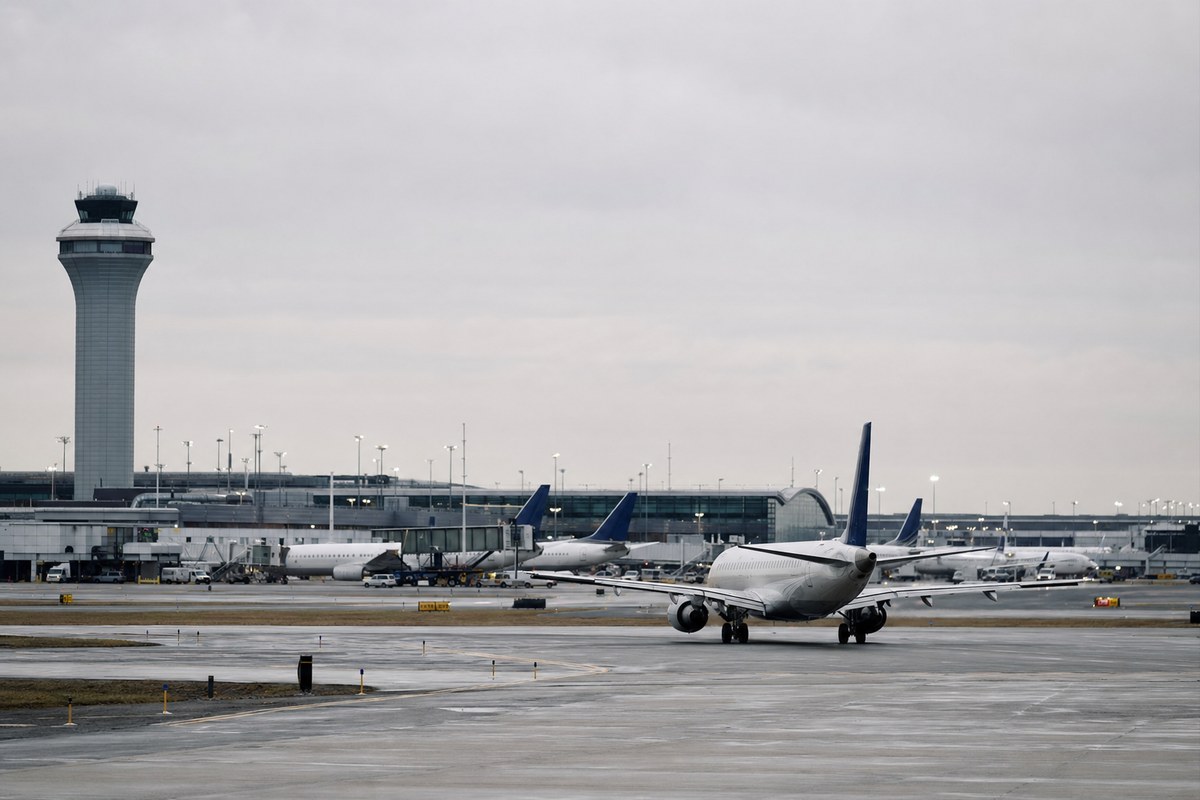
Long-haul international departures scheduled during the ground stop were among the first canceled, due to crew duty-time limits and slot constraints at foreign airports. Industry data indicate that a canceled outbound transatlantic or transpacific leg almost invariably leads to cancellation of the corresponding return segment and any onward flights operated by the same aircraft, multiplying the impact across multiple continents. Some passengers reported that alternative flights from neighboring airports were sold out for days.
FAA scheduling orders and Federal Register notices have documented chronic staffing challenges at terminal radar and approach control facilities serving the New York and Philadelphia areas, and airlines had already trimmed their summer 2026 schedules in response to FAA daily flight caps at constrained airports. The FAA's own advisory system and airport status tools subsequently showed the affected hub returning to an operational state, with departures and arrivals resuming under traffic management programs rather than a full ground stop, though delay summaries continued to list the hub among the most impacted airports in the national system.
Industry impact & what to watch
This kind of single-point systems failure shows how a hub already running under elevated traffic management programs has almost no cushion left when one more constraint is added. Long-haul schedules are the most exposed part of the network because a canceled outbound transatlantic or transpacific leg drags down the paired return flight and any onward legs on the same aircraft, so the visible cancellation count understates the true reach of the disruption.
Densely scheduled Northeast hubs operate on daily flight caps and voluntary schedule reductions precisely because staffing at terminal radar and approach control facilities has been strained for years; those measures reduce baseline congestion but do not add spare capacity for a systems outage layered on top of weather-avoidance routing. Analysts expect rolling cancellations and delays to persist for several days on long-haul routes and at outstations with limited service, a pattern consistent with earlier large-scale disruptions at this hub.
What happens next depends on how quickly the FAA's backup capabilities and modernization efforts at facilities serving the New York and Philadelphia areas translate into fewer repeat events, and whether regulators judge the existing caps and voluntary cuts adequate protection for travelers.