Aviation Supply Chain Constraints Drive $11 Billion in Extra Costs as Backlog Tops 17,000 Aircraft
Why It MattersWhen engine and parts supply lags demand this long, access to aircraft, engines and parts becomes as competitive a factor as winning customer orders themselves.
What happened
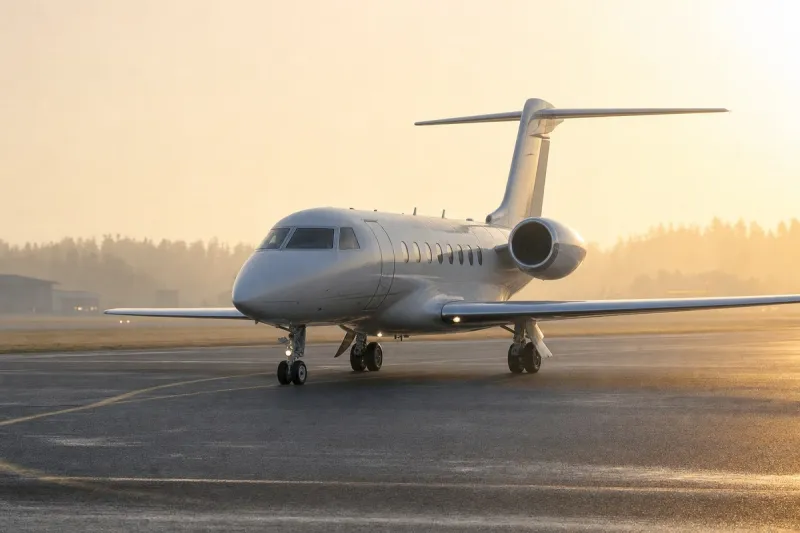
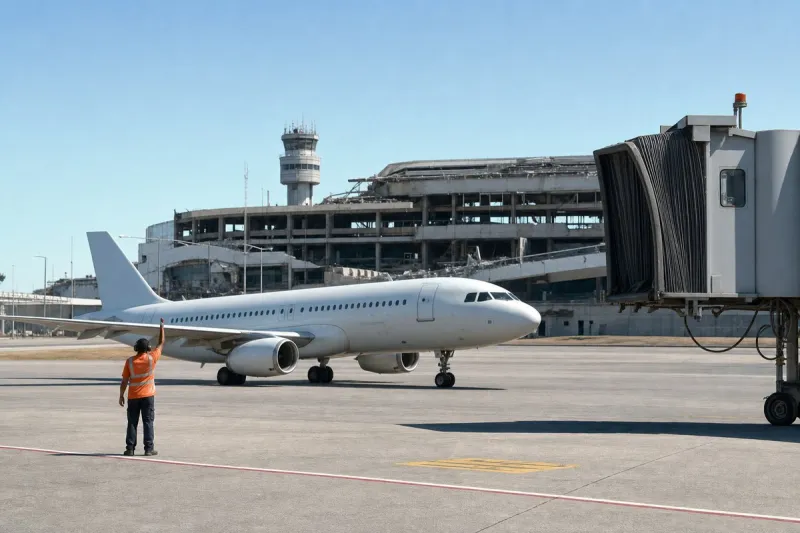
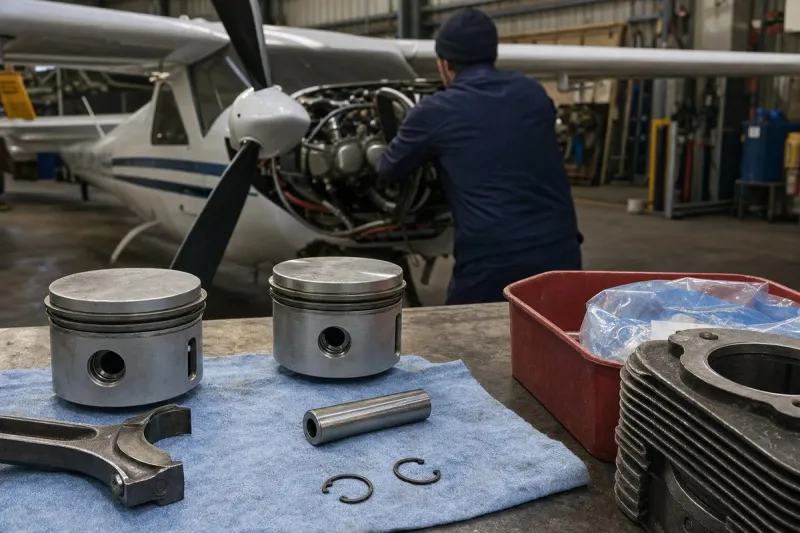
Aircraft order backlogs at Boeing and Airbus now exceed 17,000 aircraft, roughly 60 percent of the active global fleet and equivalent to approximately 12 years of production capacity. The supply chain disruption has forced airlines to absorb more than $11 billion in additional costs, including higher Maintenance, Repair, and Overhaul (MRO) expenses, engine leasing, and stockpiling of Used Serviceable Material (USM) and other spare parts.
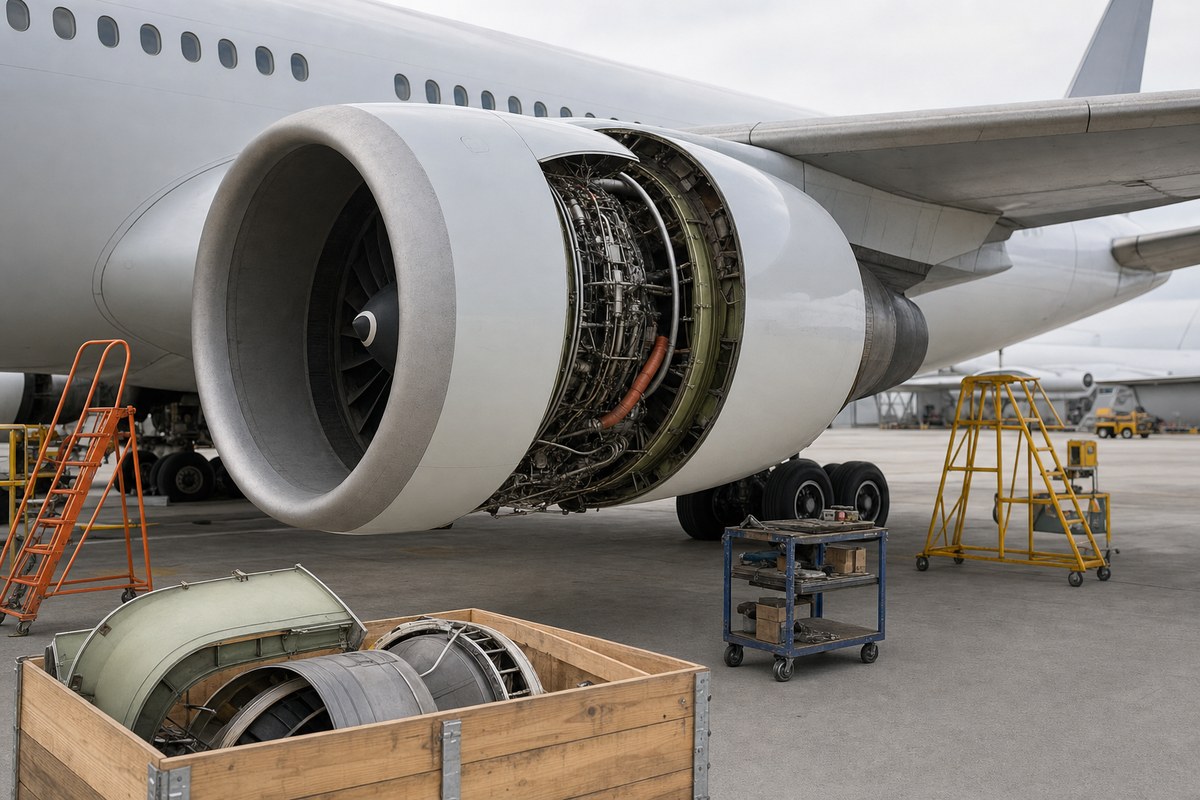
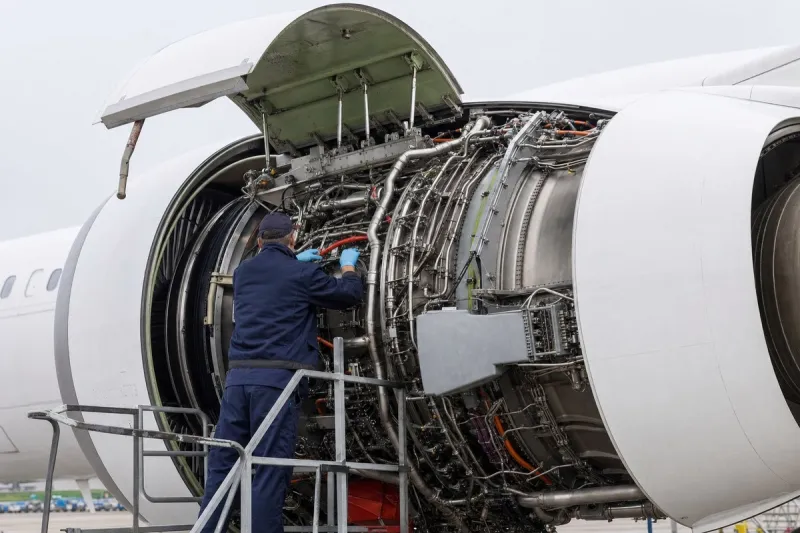
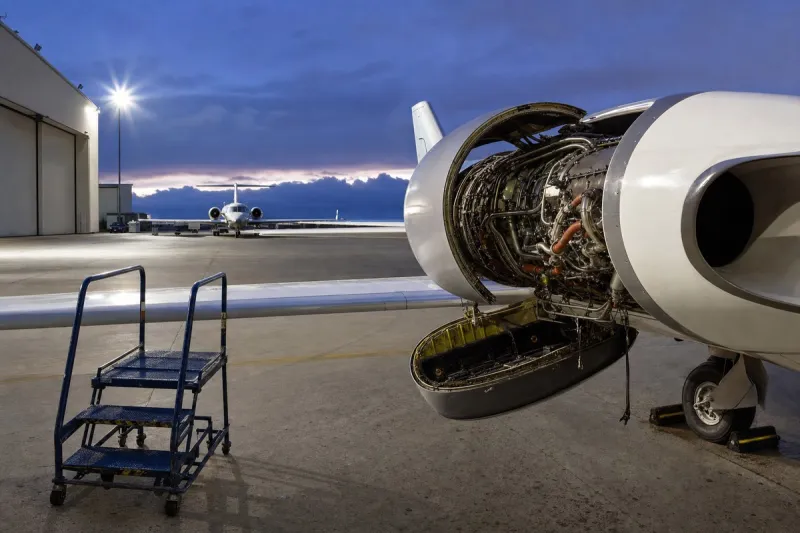
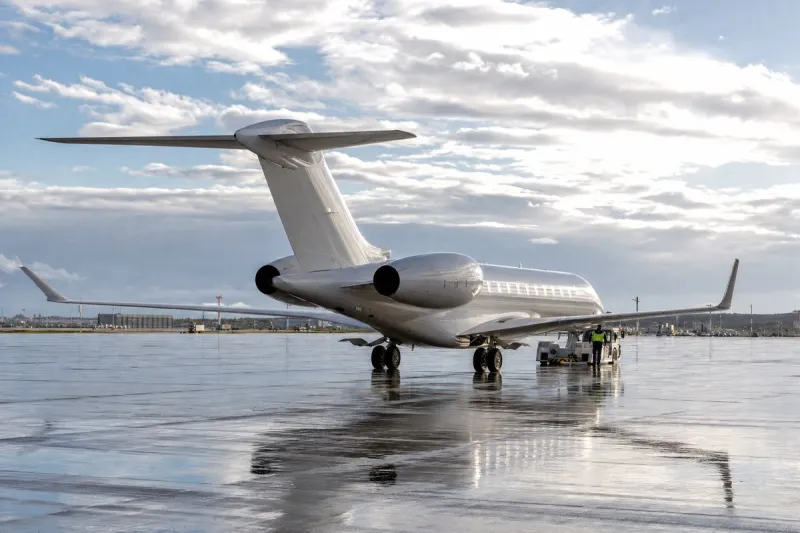
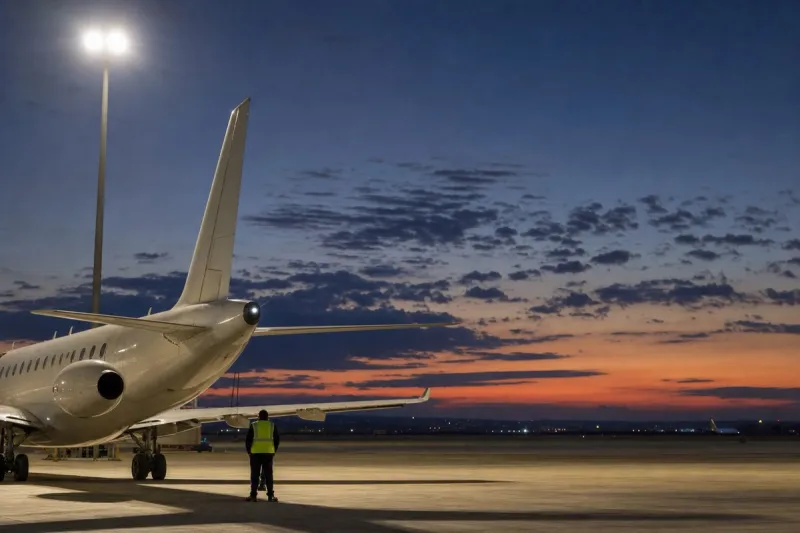
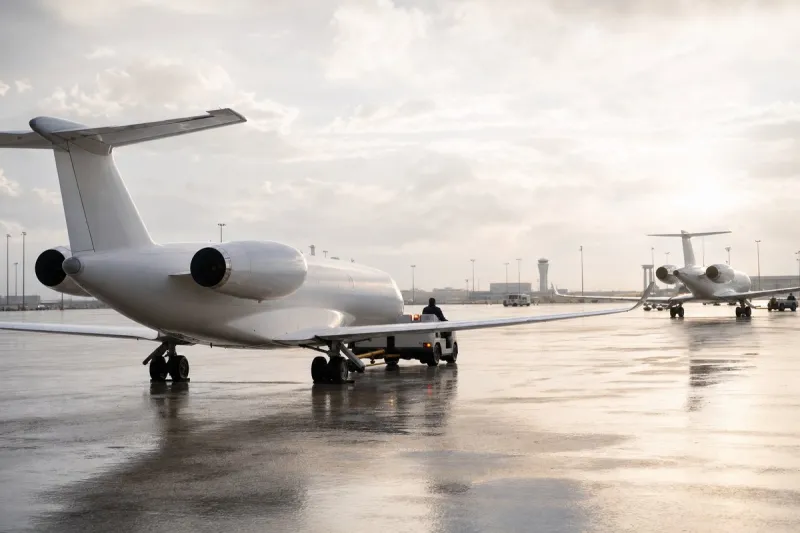
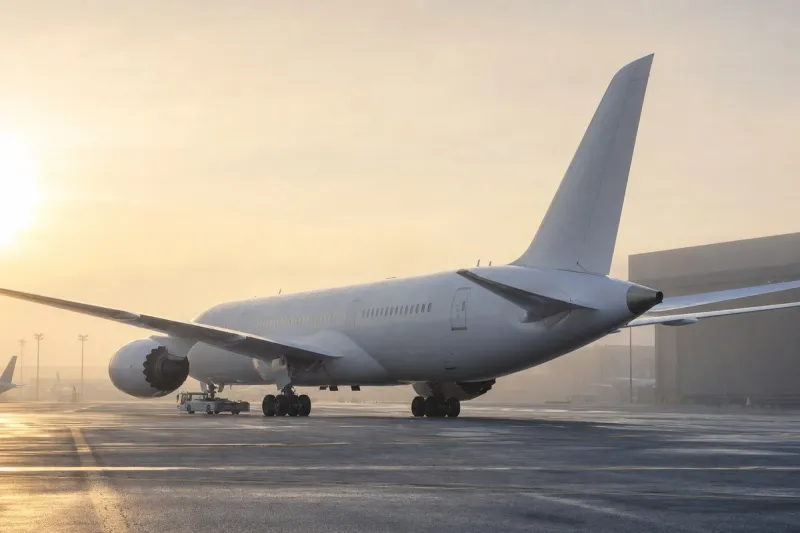
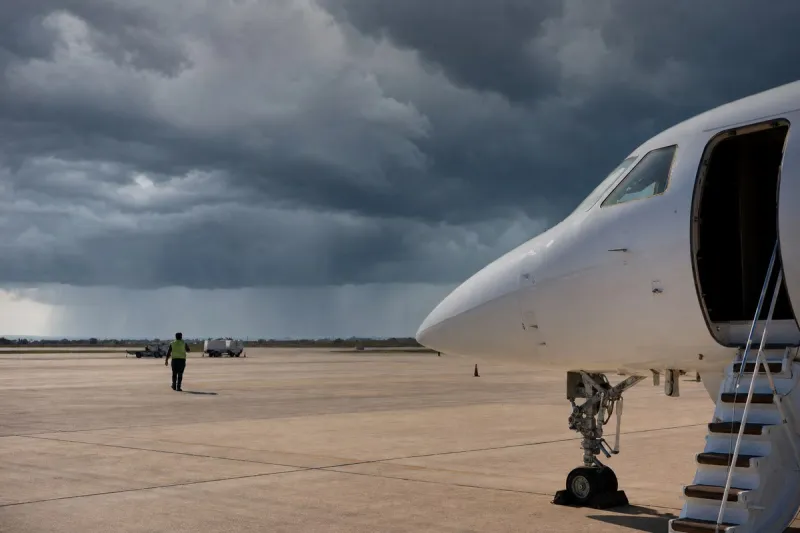
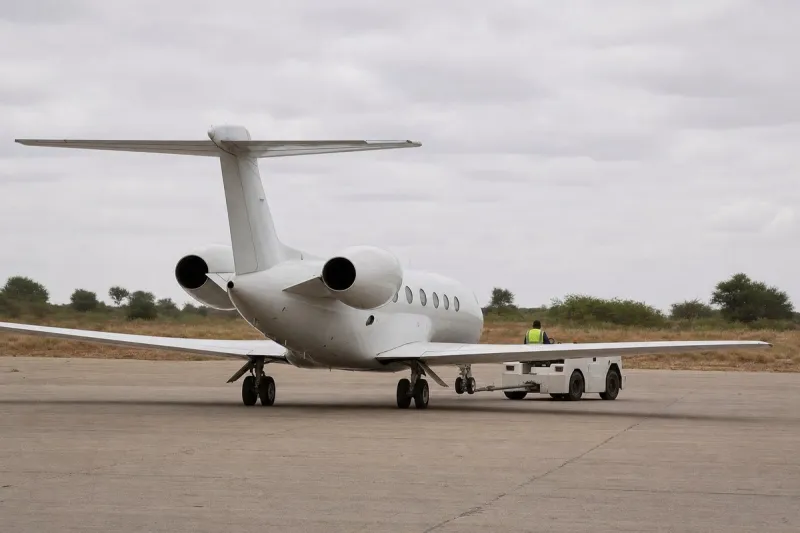
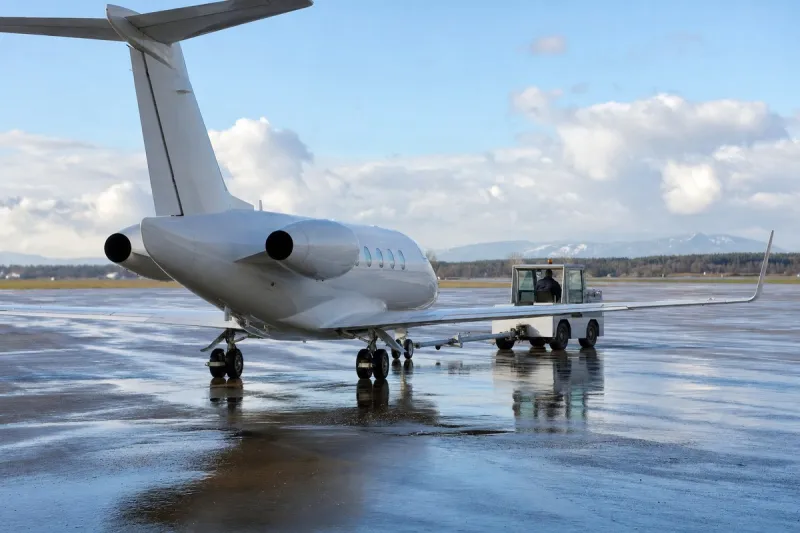
Engine shortages are described as the most acute constraint, with CFM International, Pratt & Whitney, and GE Aerospace unable to keep pace with demand. This has forced aircraft manufacturers to park engineless airframes on tarmacs and in desert storage facilities, resulting in hundreds of grounded aircraft, extended repair times, and multi-billion-dollar losses across the industry.
MRO demand reached $136 billion in 2025 and is projected to grow to approximately $193 billion by the end of the decade, nearly double the 2019 figure. The USM market, valued at around $7.6 billion in 2025, is projected to exceed $10.8 billion by 2033, driven by faster parts availability, lower costs, and improved supply reliability compared with new components.
How operators are responding
Industry participants are extending fleet lifespans, diversifying supplier bases, expanding spare engine inventories, and securing long-term MRO agreements. Parts Manufacturer Approval (PMA) parts and Designated Engineering Representative (DER) repairs, both FAA-approved, are becoming increasingly important tools in managing the shortfall.
Lessors are retaining aircraft longer and expanding engine leasing portfolios, while MRO providers are expanding facilities and pursuing acquisitions to add capacity.
Industry impact & what to watch
This is a supply-driven constraint rather than a lack of demand: airlines want more aircraft than manufacturers and engine makers can currently deliver, and the backlog size relative to the active fleet shows how far capacity lags orders. Engines are the tightest link, since a finished airframe without an engine cannot fly, which is why parked engineless aircraft have become a visible symptom of the wider shortage.
The MRO and USM markets are growing precisely because operators need alternatives to new production: extending aircraft life, leasing engines, and buying used serviceable parts are ways to keep flying while backlogs work through the system. Analysts expect these pressures to persist for several years, so the parties to watch are the three engine manufacturers' delivery rates, how quickly MRO and lessor capacity expands, and whether PMA and DER approvals widen further as substitutes for scarce new parts.