Coast Guard C-37A Carrying Sen. Markwayne Mullin Makes Emergency Single-Engine Landing at Reagan National Airport
Why It MattersThe incident underscores how single-engine diversions at busy hub airports test the redundancy built into government and business-jet operations, even for aircraft flown by experienced government crews.
What happened
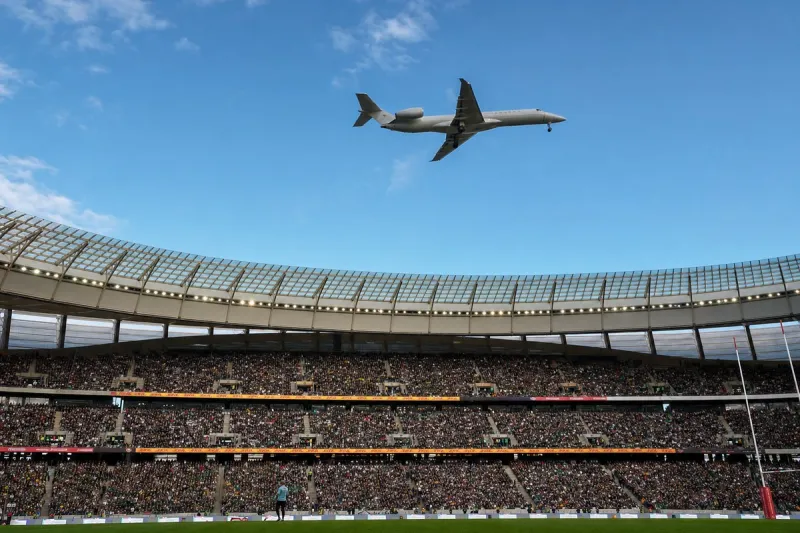
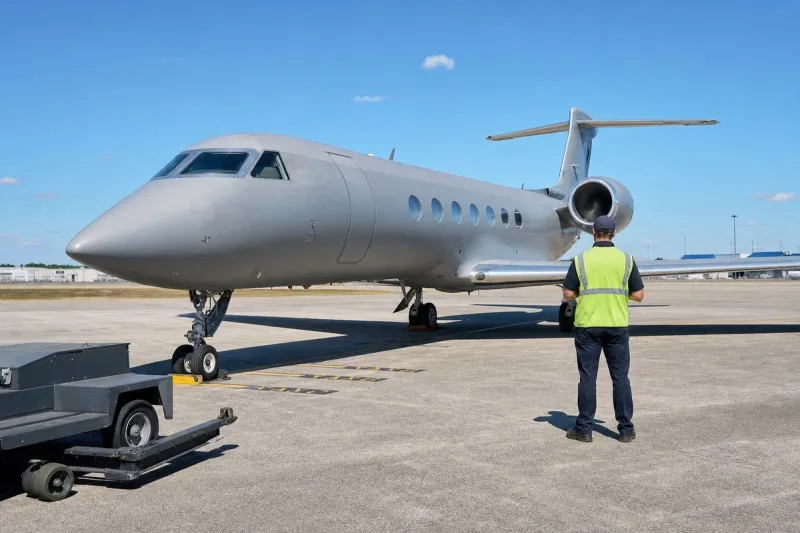
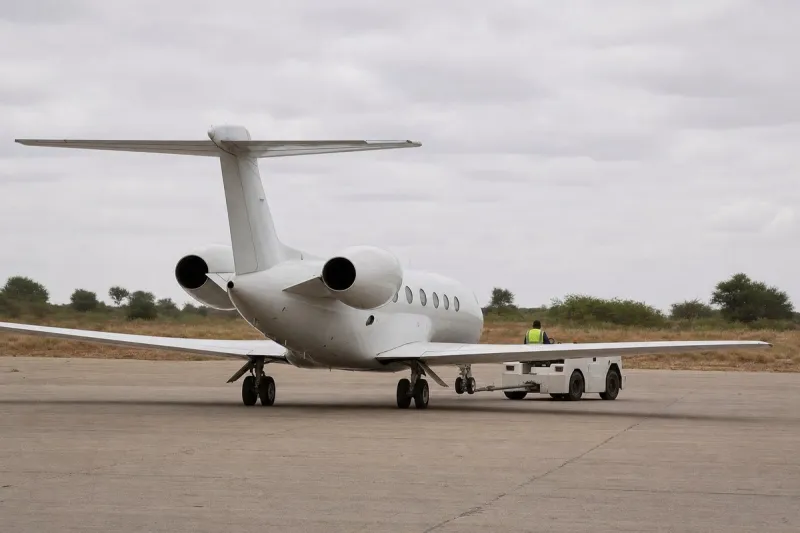
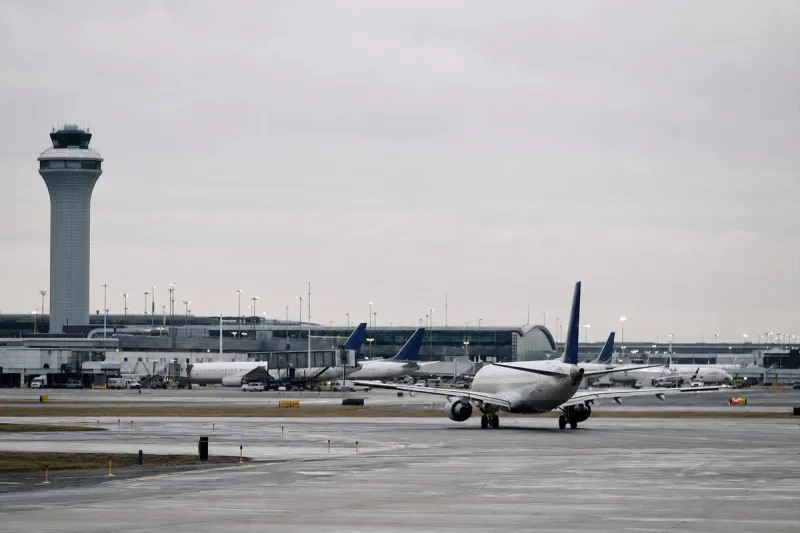
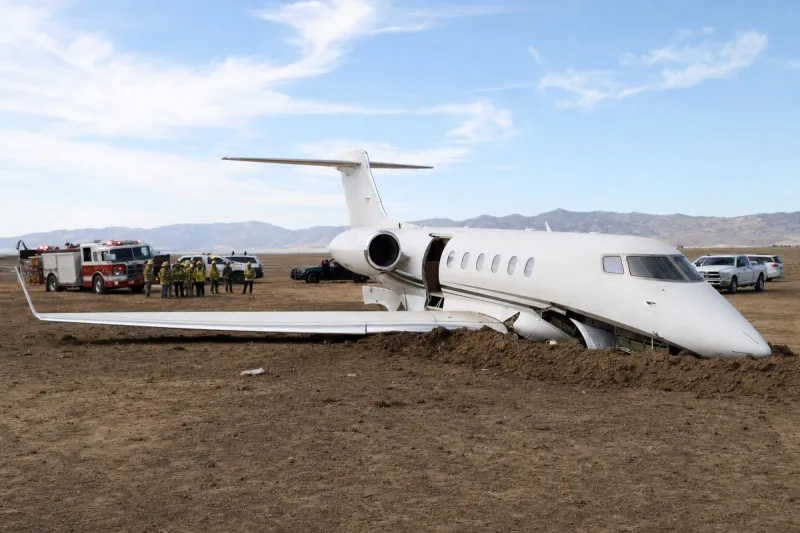
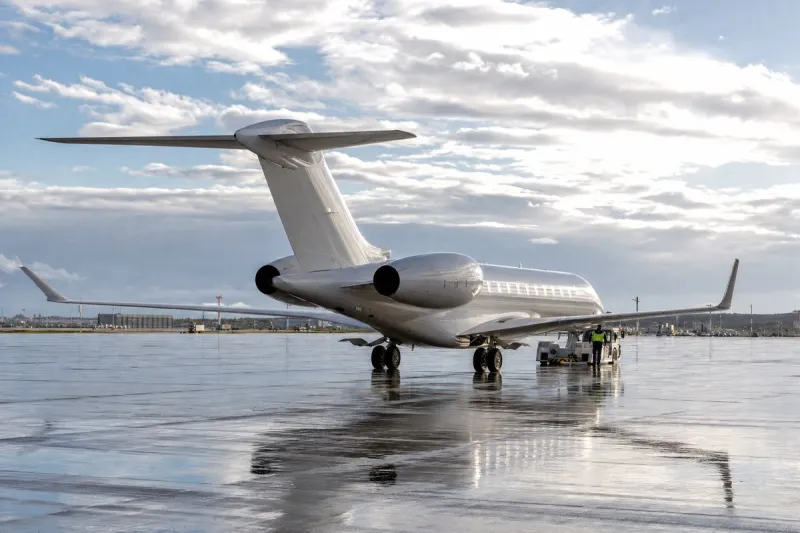
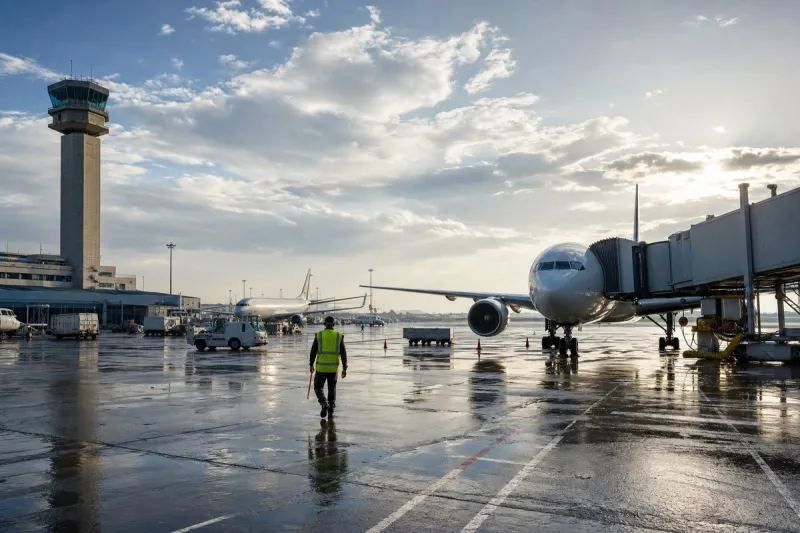
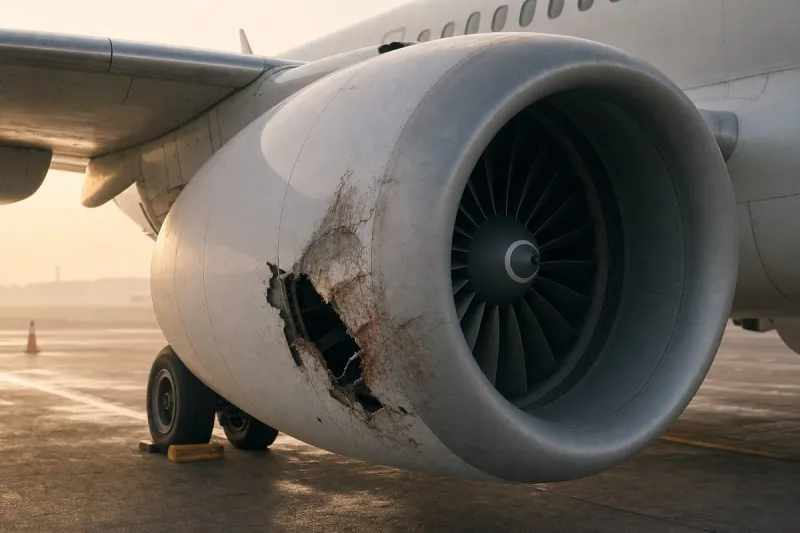
A U.S. Coast Guard C-37A aircraft carrying Senator Markwayne Mullin declared an emergency after losing its right engine and made a single-engine landing at Ronald Reagan Washington National Airport (DCA). The pilot radioed air traffic controllers: "We just lost our right engine and would like to declare an emergency and immediate landing at DCA."
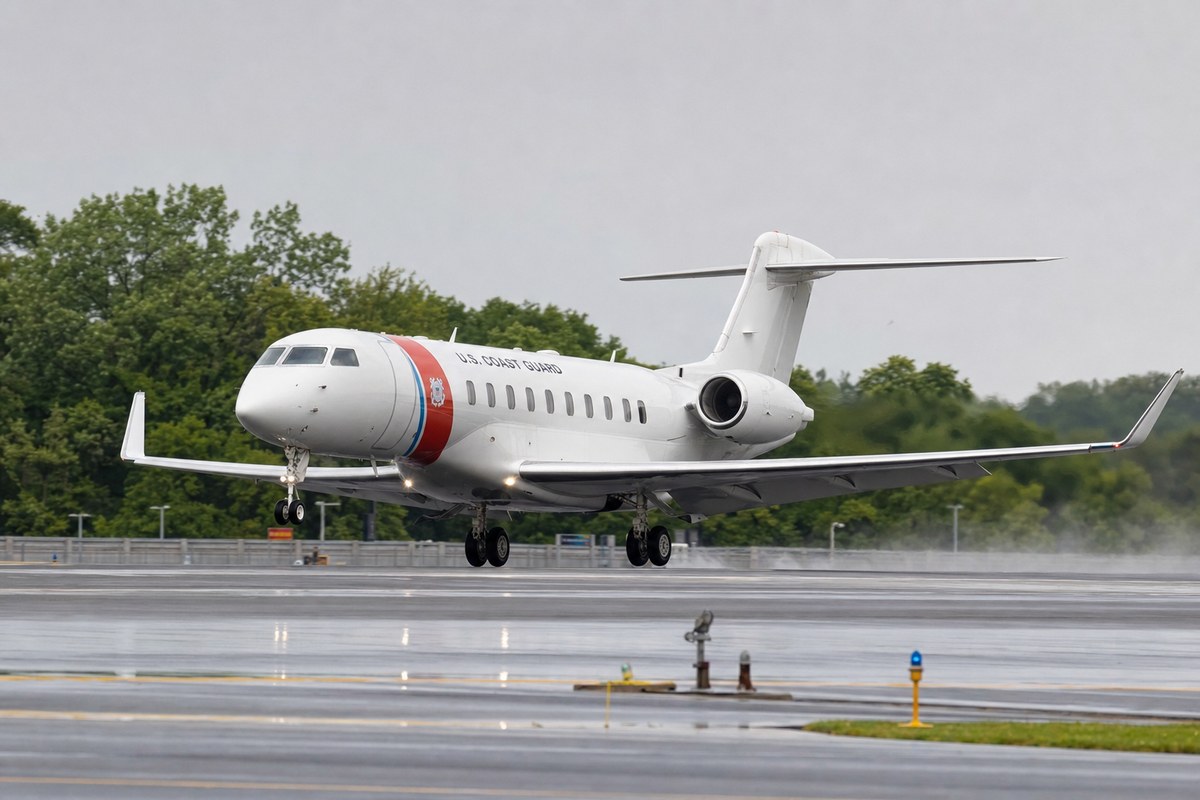
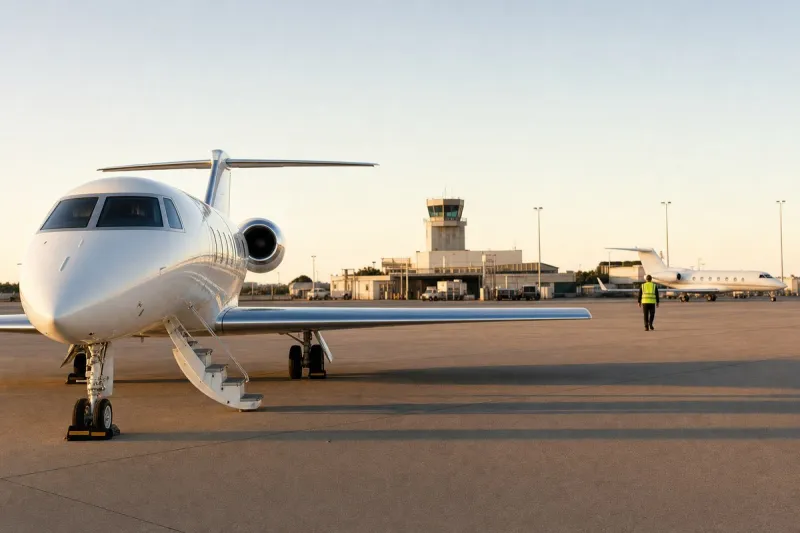
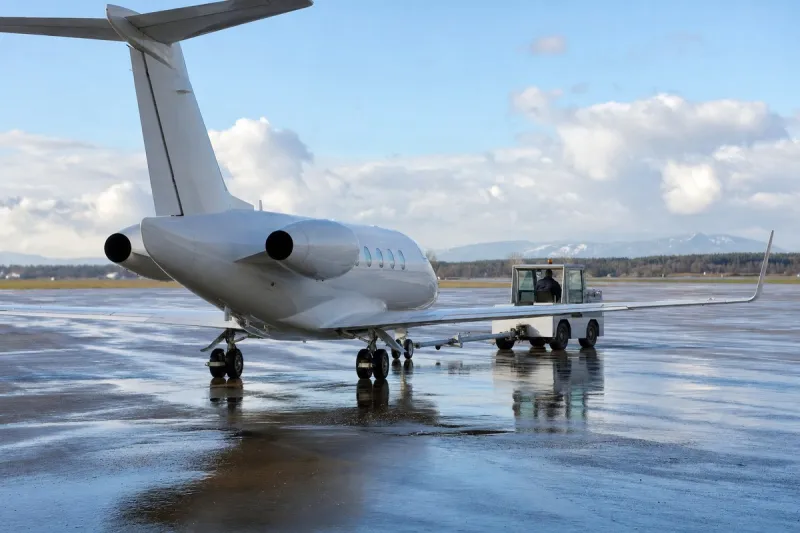
There were 14 people on board, and the aircraft had 2.5 hours of fuel remaining at the time the emergency was declared. The C-37A is the military variant of the Gulfstream V jet and is used to transport senior Coast Guard and Department of Homeland Security personnel.
Industry impact & what to watch
Single-engine landings are a scenario twin-engine business jets like the Gulfstream V family are certified to handle, and this case shows the protocol working as designed: a clear radio call, a declared emergency, and a landing at a major airport with runway and emergency-response capacity. The C-37A's role ferrying senior Coast Guard and DHS officials means its operational reliability carries weight beyond a single flight, since these aircraft are dispatched on short notice for government travel.
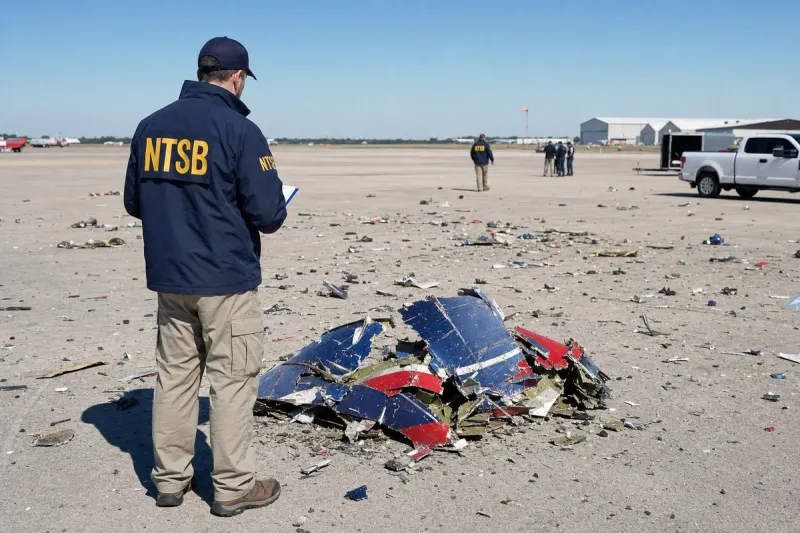
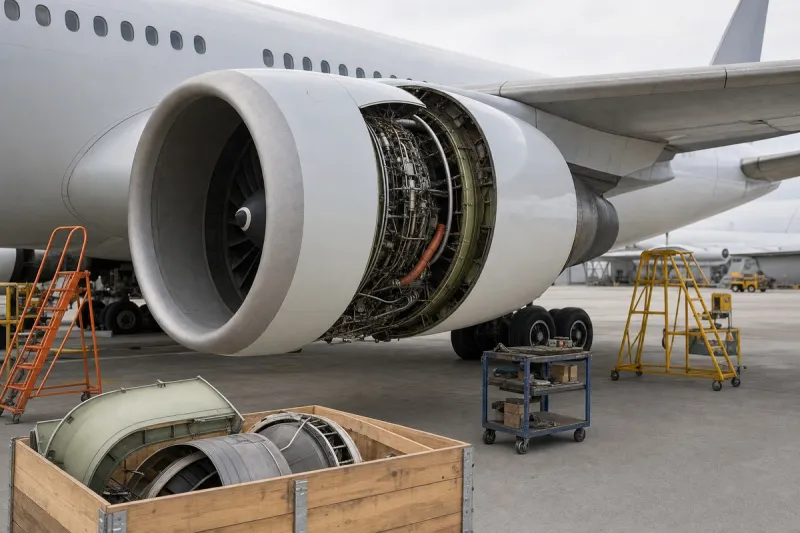
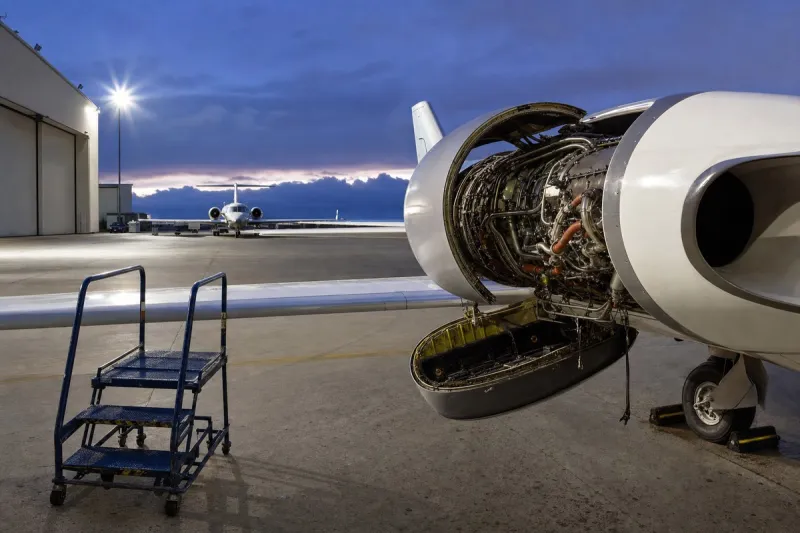
What remains to be seen is the cause of the engine loss, which would typically emerge from a maintenance or safety investigation into the specific engine failure. Any findings on the mechanical cause would matter most for how the Coast Guard schedules inspections across its C-37A fleet going forward.