King Air Magazine Warns Owners Against Chasing Cheap Insurance in Softening Aviation Market
Why It MattersA softening aviation insurance market is drawing new direct-to-consumer entrants and data-driven underwriters, testing whether specialist broker representation remains valued as coverage becomes more price-competitive.
King Air Magazine's September 2026 issue carries an insurance advisory warning King Air owners against treating aviation coverage as a commodity purchase now that the market is softening. After a hard market that began around 2017 and lasted nearly seven years, capacity is returning, with new entrants writing business and in some cases bypassing traditional brokers to sell direct to consumers. One new entrant relies on flight data analytics for underwriting, while another is backed by Allianz; premiums are falling and previously unavailable options have returned.

The article cautions that aviation remains a low-frequency, high-severity line: a hull total loss on a well-equipped King Air 350 can reach $5 million, and a fatal liability claim can exceed that figure. It attributes the 2017 hard market directly to years of underpricing, which forced carriers to tighten underwriting or exit, making single-pilot King Air operations hard to insure above $5 million in hull value and subjecting pilots over 75 to premium surcharges and restricted liability limits.
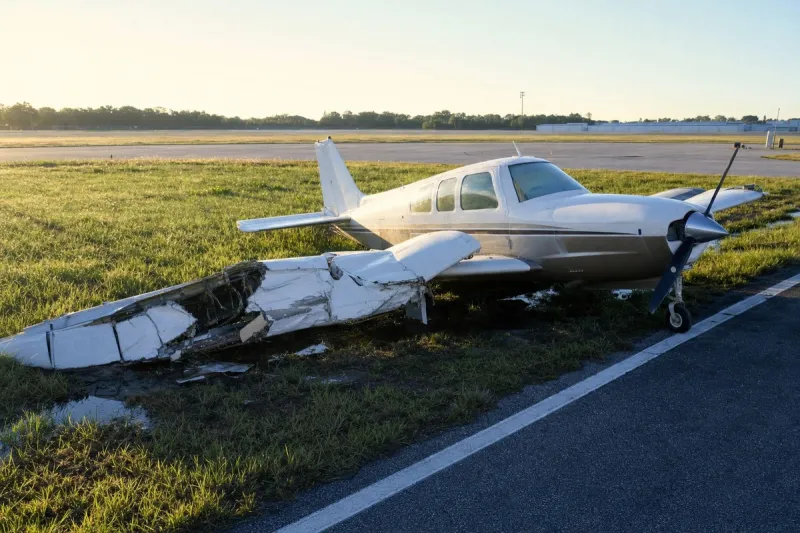
A 2024 case is cited involving a King Air owner in Florida whose engine suffered FOD damage, with a repair estimate of $103,000. The insurer's initial offer was $68,000, but active broker intervention raised the final settlement to $85,000, a $17,000 improvement over the carrier's opening position.
The article stresses that aviation insurance policies are not standardized, and that two policies with identical stated limits can differ significantly on details such as shell LLCs, contract pilots, dry lease arrangements, Mexico endorsements, and FBO subrogation waivers. It argues owners using a specialist aviation broker are better positioned than those who bought directly or through generalist agents when markets harden, carriers non-renew, or claims are disputed.