South Caucasus Airspace Faces Surge in Transit Traffic if Zelenskyy Follows Through on Russian Airspace Closure Warning
Why It MattersWhen a major transit airspace becomes unusable, traffic does not vanish but concentrates into narrower corridors, straining air traffic control coordination in adjoining regions.
What happened
Ukrainian President Volodymyr Zelenskyy said in a national address that Russian airspace will effectively be closed because of the war, stating that "Russian skies will de facto be closed: the war unleashed by Russia is closing its skies." He said Ukraine's Foreign Ministry and other relevant institutions would inform international organisations of the position. Russian President Vladimir Putin called the announcement "state terrorism" and threatened to respond.
Analysts say airlines currently using Russian airspace for Europe–Asia routes would be forced to reroute through the South Caucasus corridor, which they describe as already experiencing increasing traffic density, visible on the Flightradar24 traffic map. The situation also carries consequences for Azerbaijani citizens living in Russia and Russian tourists travelling to Azerbaijan, since the land border between the two countries remains closed, leaving only lengthy and costly alternative routes if Russian airspace closes.
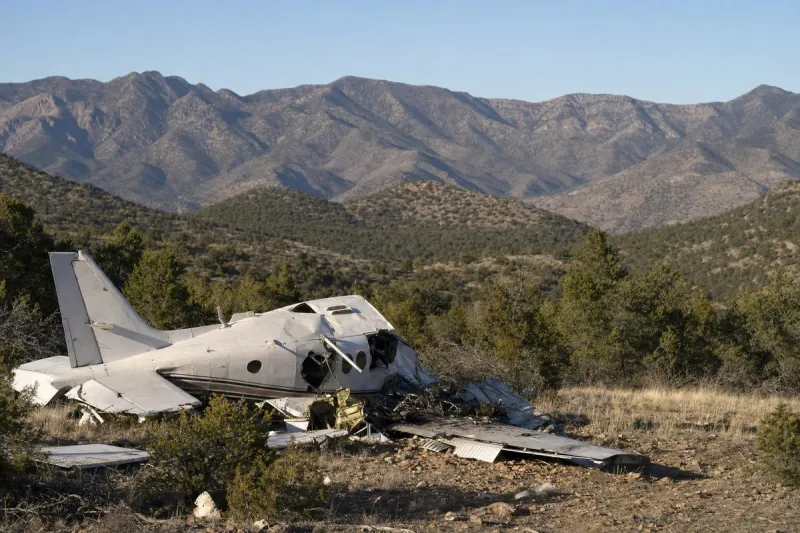
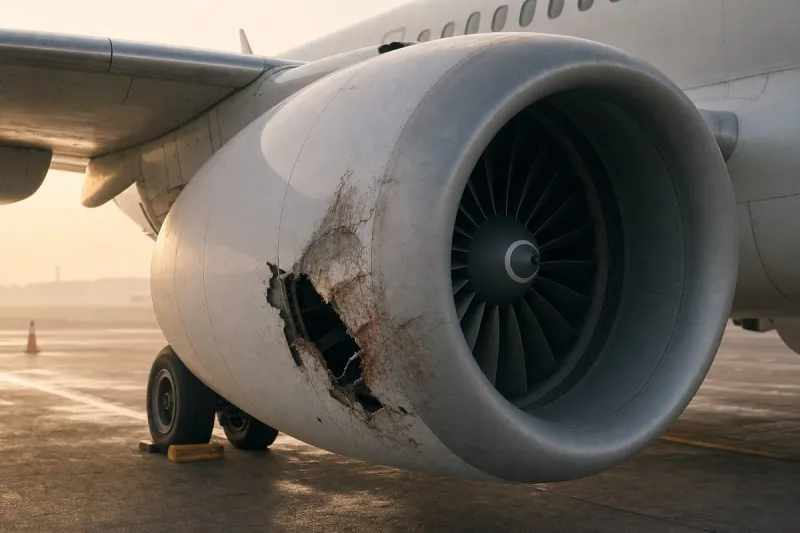
The warning was recalled alongside the December 2024 crash of an AZAL civilian aircraft, which was accidentally shot down by Russian air defences during a drone attack. European airlines have largely avoided Russian airspace since Russia's invasion of Ukraine, though other carriers continued using it until the drone warfare situation deteriorated significantly in recent months.
Azerbaijan's air bridge potential
Azerbaijani airspace could become one of the primary transit corridors between Europe and Asia if Russian skies close, strengthening the country's role as an air bridge and potentially boosting its economy and international standing. At the same time, the concentration of aircraft into a relatively narrow corridor would place significant additional burden on air traffic control services across South Caucasus countries, requiring maximum coordination given the proximity of regional conflicts.
Industry impact & what to watch
This is a case of geopolitical risk reshaping transit airspace economics: when a large airspace becomes effectively unusable for civil aviation, the traffic it once carried does not disappear but redistributes into whichever corridors remain viable, straining the capacity and coordination of those alternatives. The South Caucasus corridor already carries rising density, and any surge tied to a Russian airspace closure would test whether regional air traffic control systems can absorb Europe–Asia flows without added risk, particularly near active conflict zones.
For Azerbaijan specifically, the episode illustrates how transit-corridor status can turn a geopolitical disruption into commercial upside, provided air navigation capacity keeps pace with demand. The December 2024 AZAL shoot-down is a reminder that the underlying safety case for avoiding contested airspace predates this specific warning.
What happens next depends on whether Zelenskyy's warning translates into formal notices to international aviation bodies, and how airlines and regulators respond to any such notification. Putin's threat to respond adds uncertainty about whether Russian airspace status changes unilaterally or through a broader diplomatic and security process.