NTSB Preliminary Report Details Final Seconds of Fatal Mid-Air Collision Between Cessna and Pennsylvania State Police Helicopter at Carlisle Airport
Why It MattersThe case shows how tightly compressed the margin between sequential airport operations can be, since even brief visual and radio-based separation can collapse into a collision within seconds.
What happened
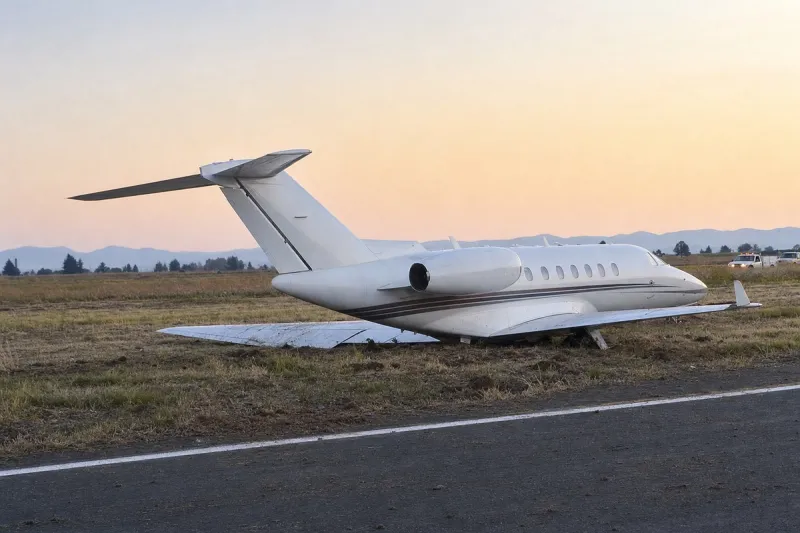
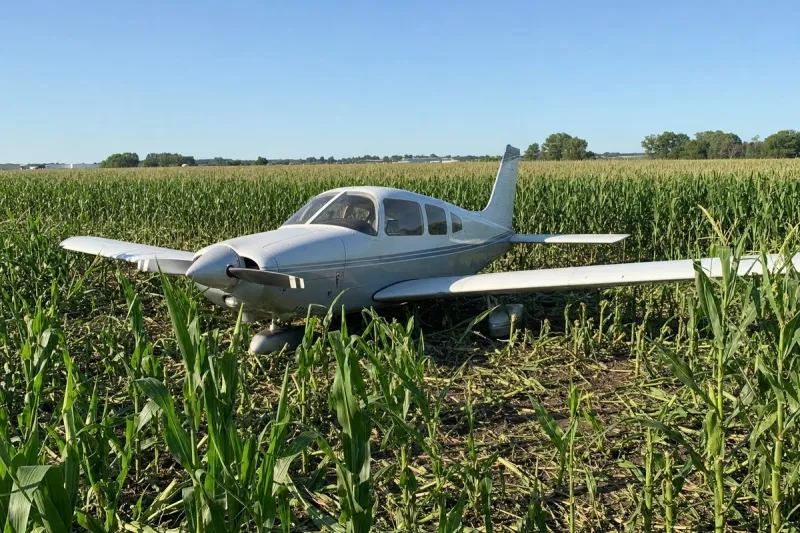
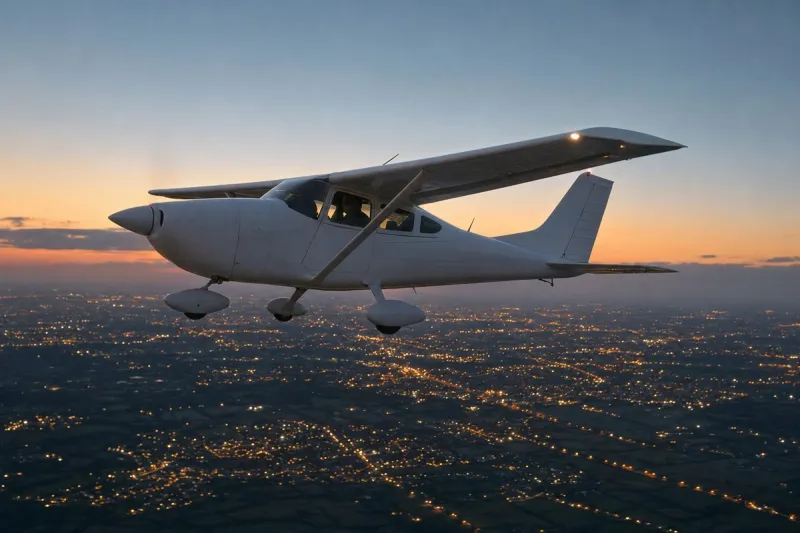
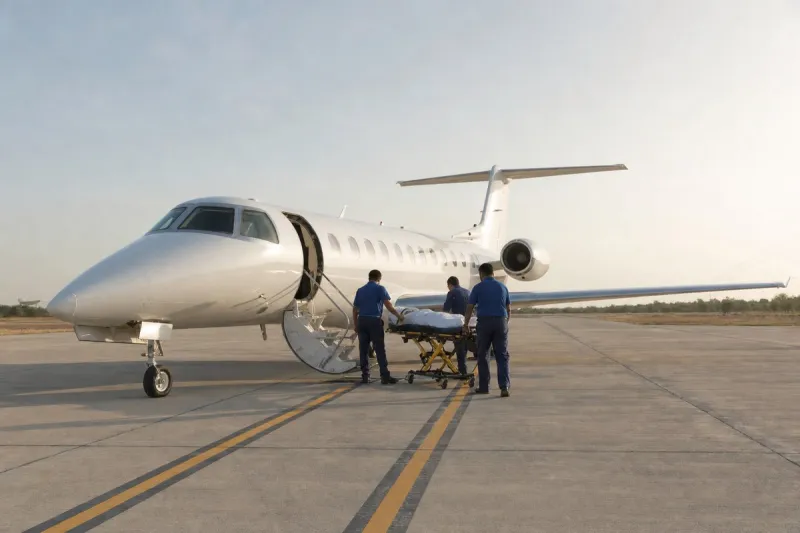
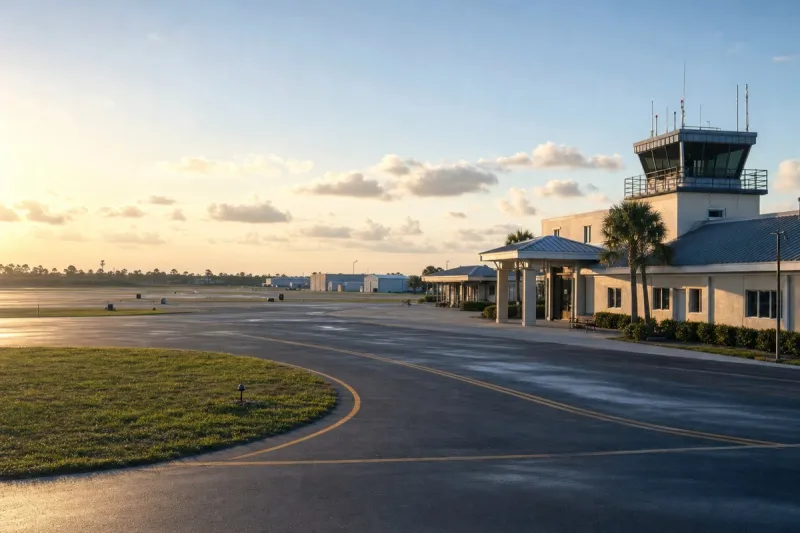
A Cessna and a Pennsylvania State Police helicopter collided in midair at Carlisle Airport in Cumberland County, Pennsylvania, on August 19, 2026, just before 7 p.m., killing the Cessna's pilot. The NTSB's preliminary report states the helicopter, on a training flight, had already landed and exited the runway and was hovering in a nearby field when its crew became aware of the approaching Cessna. The helicopter crew instructed the Cessna pilot via radio to "extend his downwind" to create additional spacing, and the Cessna pilot acknowledged the instruction and advised he was second in line to land.
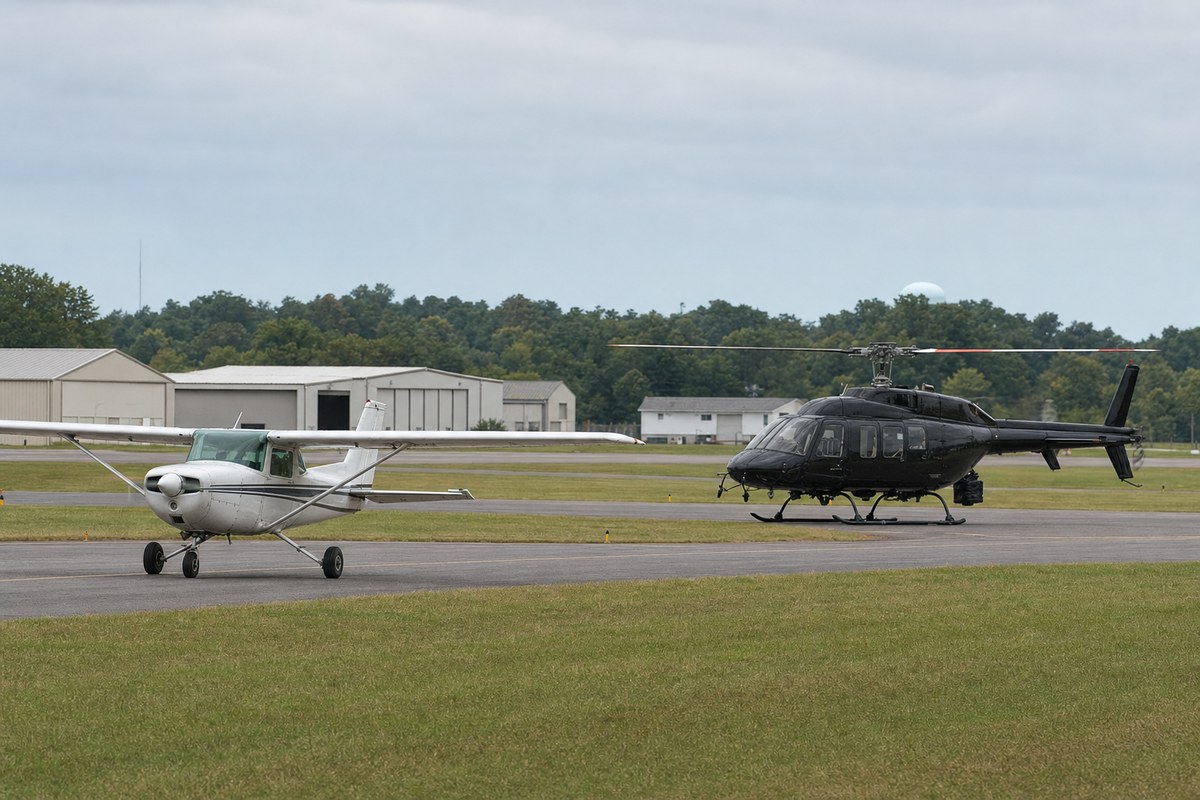
One of the helicopter pilots told investigators the crew received a traffic collision avoidance system (TCAS) alert before visually spotting the airplane and communicating over the radio. Airport surveillance video showed the Cessna crossing the runway threshold approximately 30 seconds after the helicopter crossed it, while the helicopter remained near the airfield. The Cessna never touched down; instead it continued along the runway before pitching up and beginning to climb. The report states: "After the airplane reached the apex of its climb, about 1 wingspan above the runway, the right wing dropped and the airplane immediately turned right and descended toward the northwest."
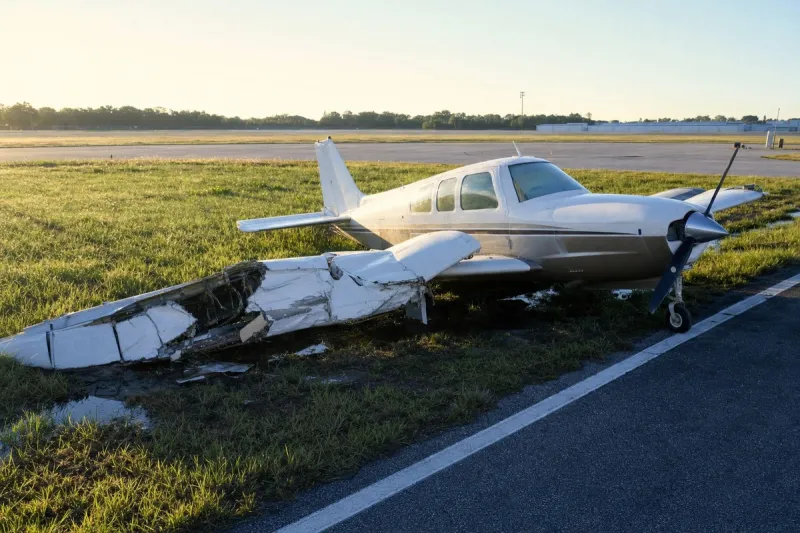
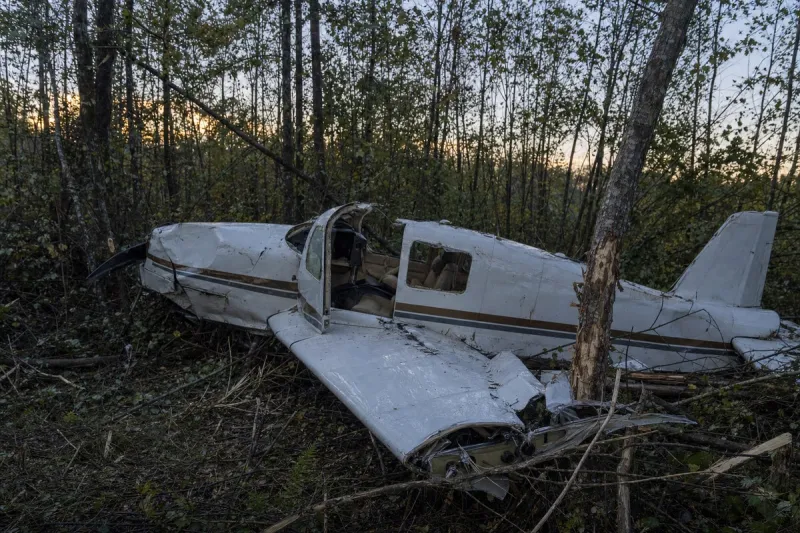
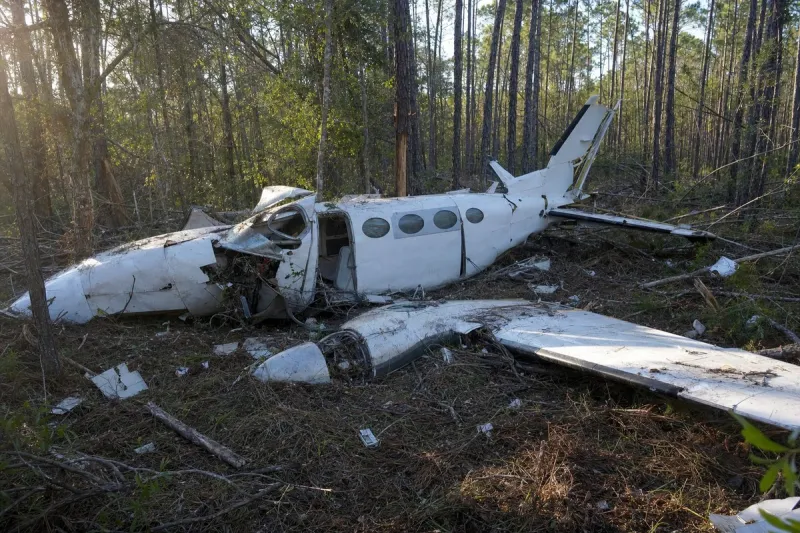
The helicopter was hovering approximately 50 feet north of the runway when the Cessna leveled its wings, rapidly pitched up, and struck the rear section of the helicopter, hitting the tail rotor and main rotor blades. Only about eight seconds elapsed between the time the helicopter exited the runway surface and the collision. Helicopter crew members told investigators they were unable to see the approaching Cessna before impact because it was behind them. The Cessna broke into four pieces, and the helicopter's rotor and tail blades separated from the aircraft; post-accident examination of both aircraft revealed no evidence of pre-impact mechanical malfunction or failure.
The Cessna's pilot, identified as Dr. Paul Sokoloski, 57, of Hershey, Pennsylvania, was killed. Both pilots aboard the Pennsylvania State Police helicopter sustained injuries but have since been released from the hospital. Investigators have recovered all major wreckage components and flight data from both aircraft and will soon be analyzing data cards.
Industry impact & what to watch
This sequence belongs to a familiar category of general-aviation risk: two aircraft occupying the same runway environment within seconds of each other, where visual acquisition and radio calls are the only separation tool once an aircraft has landed and is maneuvering nearby. At uncontrolled or lightly controlled fields, sequencing depends heavily on pilots seeing and hearing each other correctly, and this case shows how a verbal instruction to extend a downwind can be acknowledged correctly and still not prevent a collision if the resulting geometry puts one aircraft out of the other's sightline.
The TCAS alert the helicopter crew received before establishing visual and radio contact indicates the electronic warning arrived ahead of the human confirmation, but the report does not establish why the final maneuver by the Cessna resulted in the wing drop and turn described. With no mechanical failure found in either aircraft, the investigation's focus is likely to center on the sequence of visual acquisition, radio communication, and flight path in the final eight seconds. The next milestones to watch are the NTSB's analysis of the recovered flight data cards and any subsequent factual or probable-cause report addressing what each crew could see and when.