Lateral Deviations Account for 66% of North Atlantic Track Navigation Errors in 2025, Controllers Warn
Why It MattersOceanic separation still leans on procedural discipline rather than radar coverage, so operator training and checklist rigor directly determine how often course or altitude deviations turn into separation losses.
What happened
Safety officials reviewing 2025 North Atlantic Tracks data reported that lateral deviations account for 66% of all recorded navigation errors, while large height deviations make up 21%. The North Atlantic Tracks system recognizes four categories of errors overall: large height deviations, lateral deviations, coordination failures, and loss of separation.
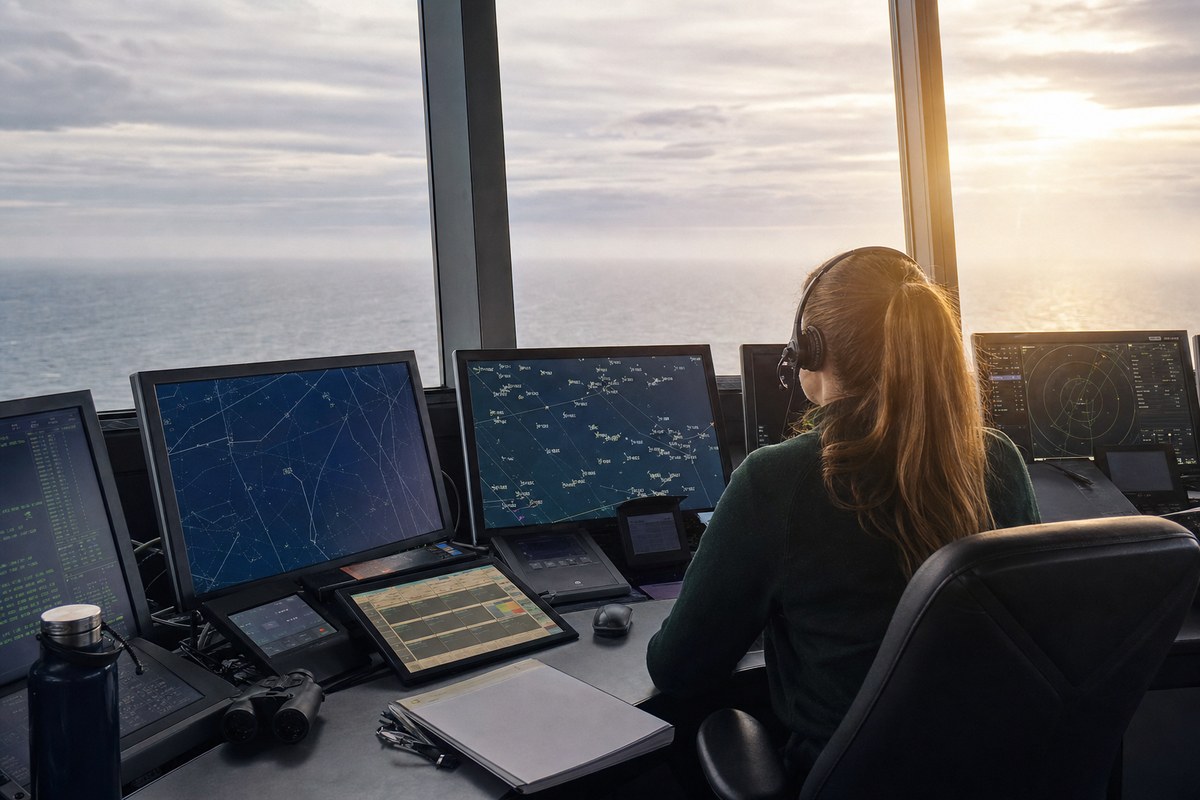
Karoline Gorman, a NATCA air traffic controller for New York Center Oceanic, said the oceanic environment operates under different rules than domestic airspace. "It's completely different from the NAS because so much of the oceanic airspace is not radar controlled. ADS-C has been revolutionizing the separation standards, but the rules are still different," she said. She added that flight-planned altitudes are not guaranteed and that any altitude change or course deviation requires a formal request and clearance from controllers: "If you are given a deviation, you are expected to rejoin your route. If you want to proceed to a fix ahead, you must make a request and receive a clearance."
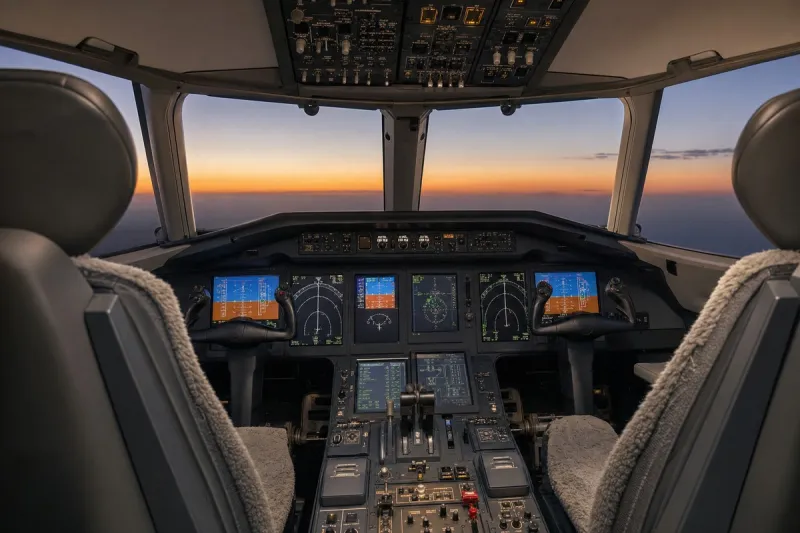
Gorman said pilots should seek clarification from controllers rather than act on assumptions. "I'd rather they'd ask a question than just do what they think is correct and end up with a pilot deviation or a loss of separation with another aircraft," she said. Safety experts recommended that flight departments adopt a dual-independent verification process requiring both pilots to identify and agree on any course change entered into the flight management system before finalizing it, alongside robust standard operating procedures and checklists. Both experts urged pilots to study North Atlantic procedures before departure, including ICAO Document 4444, the Oceanic Errors Safety Bulletin, and the NAT 007 North Atlantic Operations and Airspace Manual, all available on the ICAO NAT Document website.
Industry impact & what to watch
These figures point to a persistent human-machine coordination problem: most oceanic errors trace back to how course changes get entered and confirmed in the flight management system, not to equipment failure or weather. With 66% of errors logged as lateral deviations and 21% as large height deviations, the two categories together account for the overwhelming majority of recorded events, leaving coordination failures and loss of separation as a smaller remainder.
Oceanic separation on the North Atlantic Tracks depends on procedure rather than radar coverage, so a single unverified keystroke or an assumed clearance carries more weight than it would in domestic airspace. Gorman's point about ADS-C "revolutionizing" separation standards while the underlying rules stay different underscores that better surveillance technology has not removed the need for formal clearance requests before any deviation or altitude change.
The near-term fix flight departments can act on is procedural: dual-independent verification of FMS entries, tighter SOPs, and checklist discipline, paired with pilots defaulting to a clearance request over a guess when a route or altitude question arises. Whether error rates shift next will depend on how widely operators adopt that verification step and how consistently crews reference ICAO Document 4444, the Oceanic Errors Safety Bulletin, and NAT 007 before departure.