US Congress Passes Temporary Funding Bill, Moving Aviation Funding Deadline to Mid-December 2026
Why It MattersAviation and travel groups' push for a permanent pay backstop shows that short-term funding fixes leave air traffic control and TSA staffing exposed to repeated shutdown risk rather than solving it.
What happened
The US House of Representatives passed a temporary government funding measure that keeps the federal government open and moves the next aviation funding deadline to mid-December 2026, avoiding an immediate shutdown.
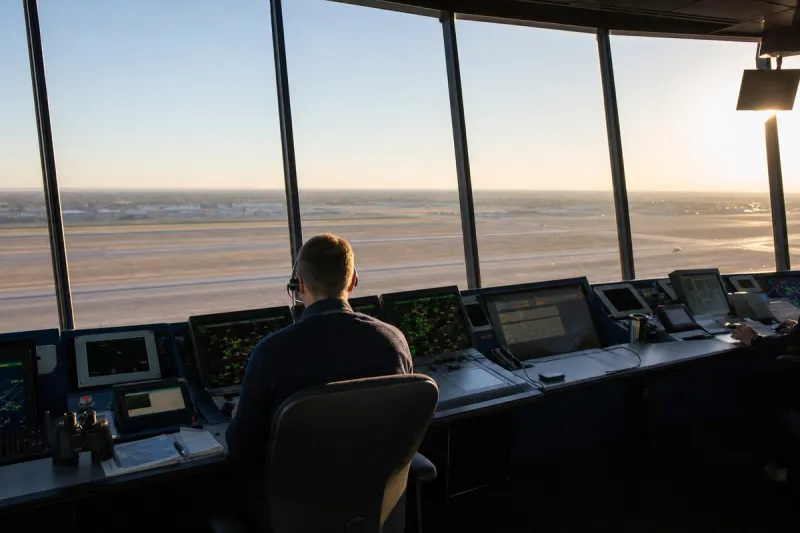
Airlines for America, the US Travel Association, and the American Hotel and Lodging Association jointly welcomed the House vote but warned that the measure leaves a structural problem unresolved. Under existing law, if appropriations lapse during a future shutdown, air traffic controllers and Transportation Security Administration (TSA) officers may be classified as essential workers and required to continue working while their pay is interrupted; the current measure prevents that scenario for now but does not permanently eliminate it.
One proposal under consideration, H.R. 6086, would allow the FAA to draw on aviation insurance fund balances during a lapse. The Congressional Budget Office estimates that fund would hold approximately $2.9 billion as of October 1, 2026, though the bill remains a proposal and does not address TSA officer pay, which falls under a separate department. No systemic flight disruption or airport operational change results from the vote: the government remains funded, no FAA ground stop or TSA alert has been issued, and airlines have not issued travel waivers.
Industry impact & what to watch
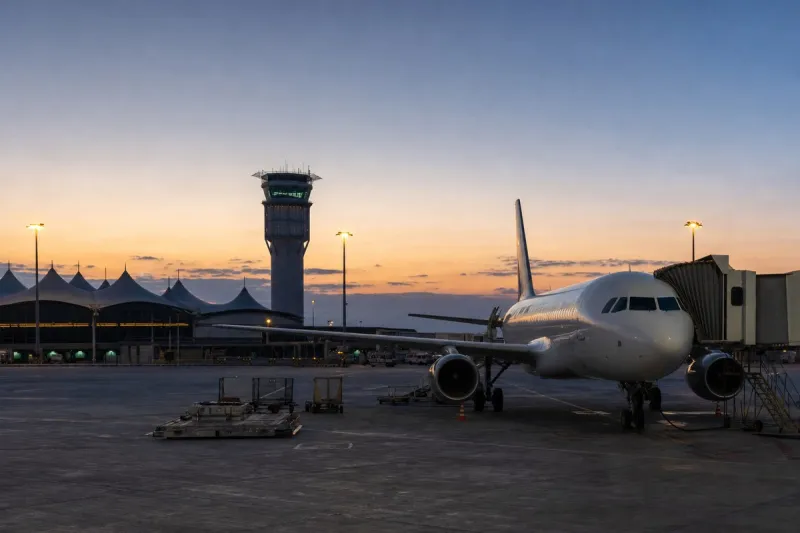
This case belongs to a recurring category in US aviation policy: funding measures that buy time without resolving the underlying exposure of essential aviation staff to unpaid work during lapses. Airlines, airports, and travel groups depend on air traffic controllers and TSA officers showing up regardless of pay status, and that dependency is precisely what turns a routine appropriations fight into an operational risk for carriers and travelers.
The segment's current arrangement relies on Congress repeating emergency fixes each time a deadline nears, rather than on a standing mechanism that would keep those workers paid automatically. H.R. 6086 illustrates the alternative model — letting the FAA tap existing insurance fund balances — but its scope stops at the FAA and leaves TSA pay, which sits in a different department, outside any such fix.
The mid-December 2026 deadline is the next point at which this either gets resolved through a standing pay mechanism or repeats as another temporary patch. Whether Congress pairs that deadline with full-year appropriations or another short-term measure will determine if essential aviation staffing risk becomes a permanent feature of each funding cycle or gets removed from it.