Kenya Aviation Workers Call Off Strike After Three Days of Airport Disruption
Why It MattersThe disruption shows how concentrated a single national air traffic and airport workforce dispute can stall regional connectivity, stranded passengers and time-sensitive cargo across an entire hub network at once.
What happened
The Kenya Aviation Workers Union (KAWU) signed a return-to-work agreement with the government on Tuesday, September 1, ending a strike that had paralysed airports across the country for up to three days. The industrial action began on Sunday, August 30, and involved air traffic controllers and other personnel at the Kenya Civil Aviation Authority and Kenya Airports Authority, as well as staff linked to low-cost carrier Jambojet. Workers were pushing for progress on long-running pay disputes, staffing concerns and a collective bargaining agreement.
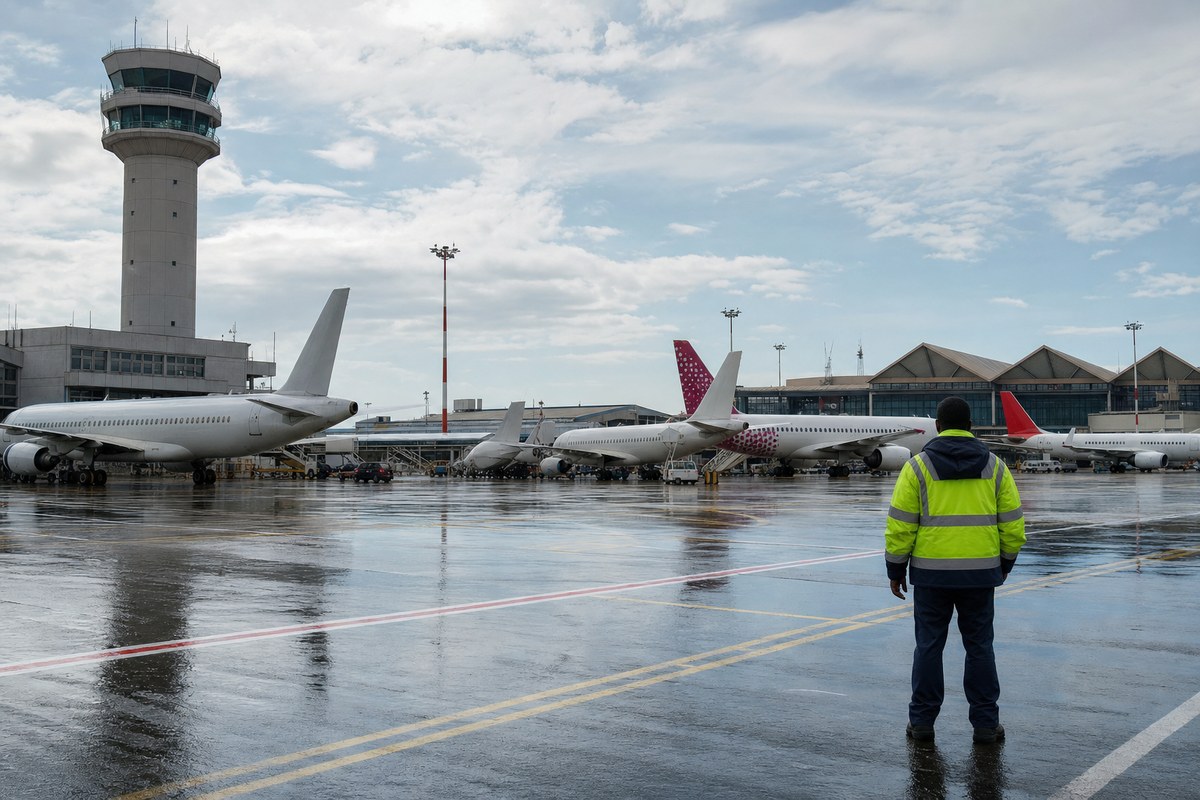
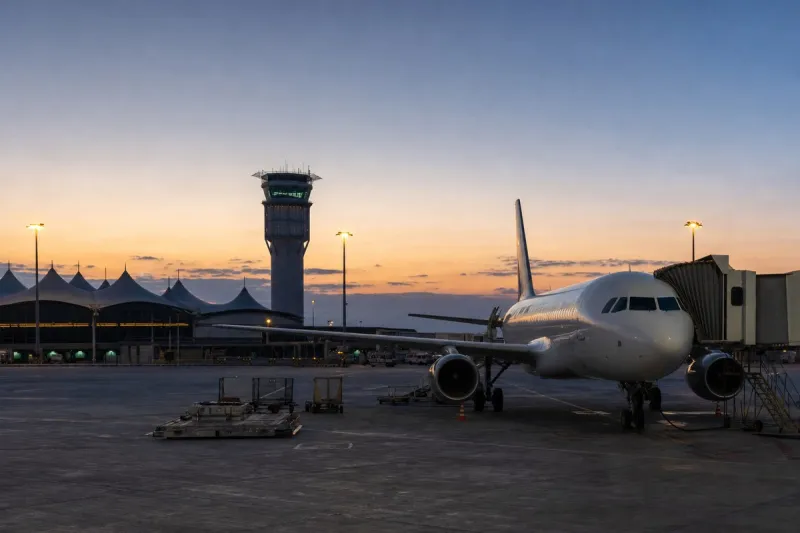
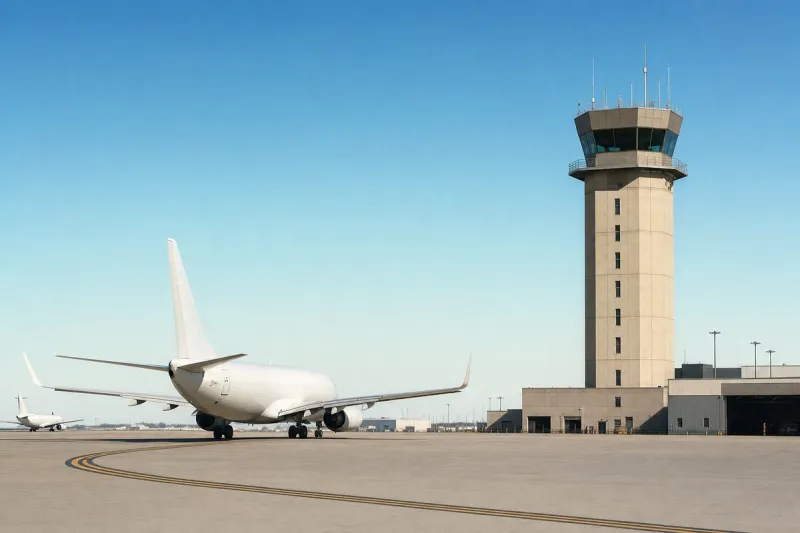
The strike caused widespread flight cancellations and lengthy delays at Jomo Kenyatta International Airport (JKIA) in Nairobi, described as the hardest-hit facility, as well as at Mombasa's Moi International Airport and Kisumu International Airport. Kenya Airways, Jambojet and RwandAir were among the carriers that cancelled or rescheduled services. Thousands of passengers were stranded across East Africa, with crowded terminals and long queues reported throughout Monday and into Tuesday morning. Time-sensitive air freight, including fresh flowers and vegetables bound for European markets, was also disrupted.
The return-to-work deal was reached after overnight talks between KAWU, Kenya's transport ministry and aviation agencies, and includes commitments to begin structured negotiations on pay, staffing levels and working conditions. Airport authorities and airlines cautioned that residual disruption could persist for at least another day as stranded passengers are rebooked and aircraft repositioned. Kenya Airways said it expects operations to stabilise progressively, while advising passengers to monitor flight status and arrive at airports early, with ground teams prioritising long-haul connections to Europe, the Middle East and North America as well as domestic routes to coastal and western Kenya destinations.
Industry impact & what to watch
A labor dispute confined to air traffic control and airport ground staff was enough to cascade across three airports and multiple carriers within days, because those functions sit upstream of every flight regardless of which airline operates it. When controllers and ground personnel at a national authority stop work, airlines have no substitute capacity to draw on domestically, which is why Kenya Airways, Jambojet and RwandAir all cancelled or rescheduled services simultaneously rather than absorbing the disruption individually.
The knock-on effect on perishable air freight, including flowers and vegetables headed to European markets, illustrates how airport labor actions extend beyond passenger inconvenience into time-sensitive trade flows that cannot simply be delayed without loss of value. That exposure is a structural feature of any hub that combines passenger and cargo traffic through the same air traffic control and ground-handling workforce.
What happens next depends on the pace of the structured negotiations KAWU and the transport ministry have committed to on pay, staffing and working conditions, since no detailed timeline has been made public. Passengers and shippers in the near term should watch how quickly Kenya Airways and other carriers clear the rebooking backlog at JKIA, Moi and Kisumu, as that recovery period will show whether the underlying staffing concerns behind the strike have actually been addressed or merely deferred.