Oslo Airport Warns of Extraordinary Traffic, Security Delays Ahead of King Harald V Funeral on 9 September
Why It MattersState funerals with foreign heads of state show how airport operators must temporarily reallocate scarce morning slots to government aircraft, pushing schedule risk onto ordinary carriers and passengers.
What happened
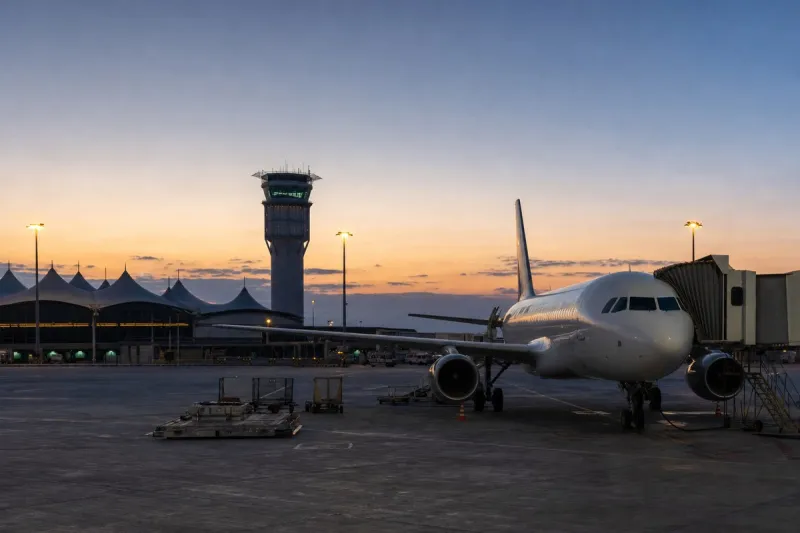
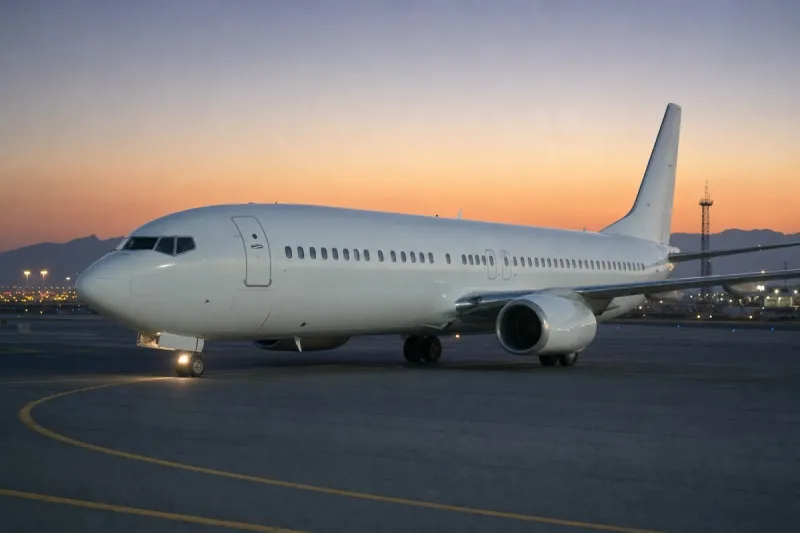
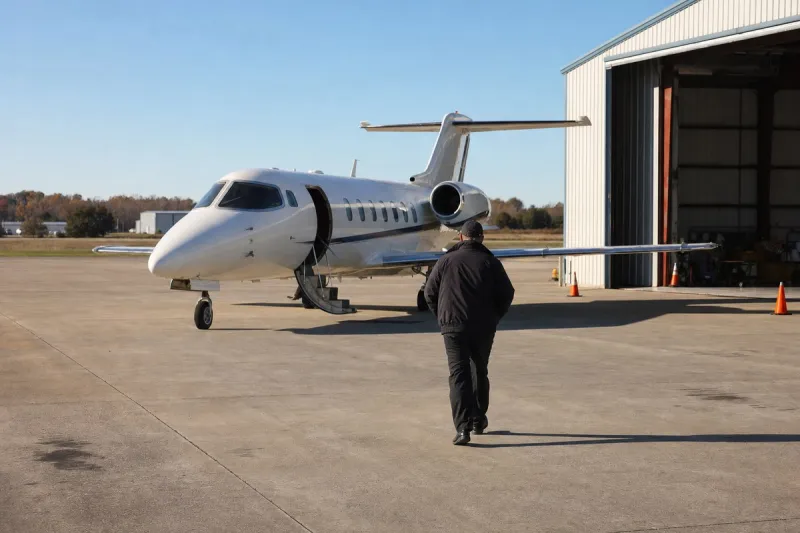
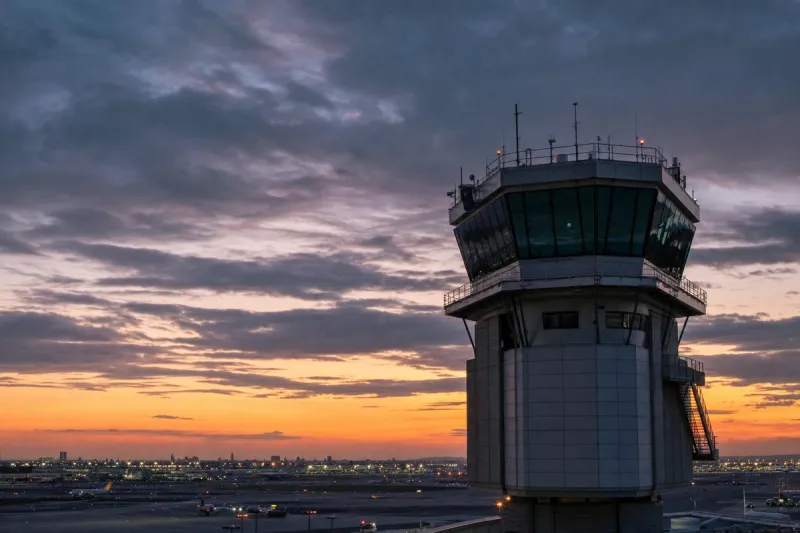
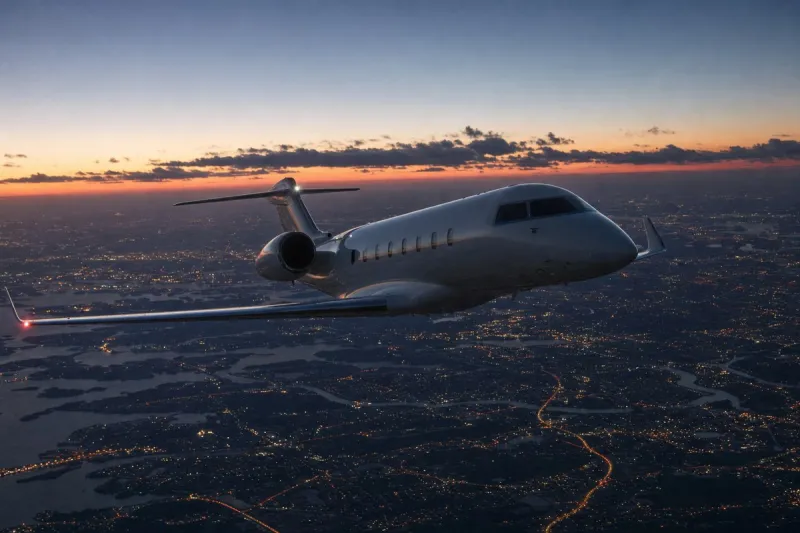
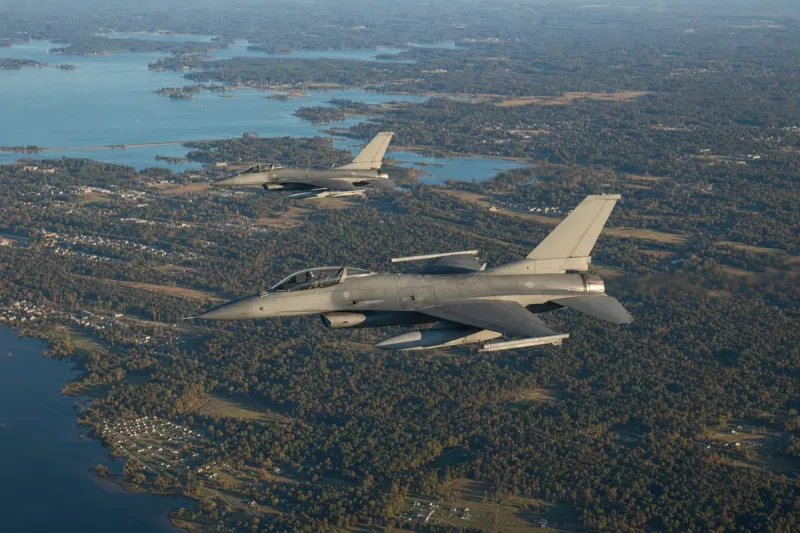
Oslo Airport has issued a travel advisory warning of extraordinary traffic conditions, reinforced security checks and possible flight delays connected to the state funeral of King Harald V, scheduled for Wednesday, 9 September. Avinor, which operates Oslo Airport Gardermoen, said the traffic situation may affect parts of the regular flight schedule, particularly during the morning of 9 September, as slots are reserved for state and government aircraft.
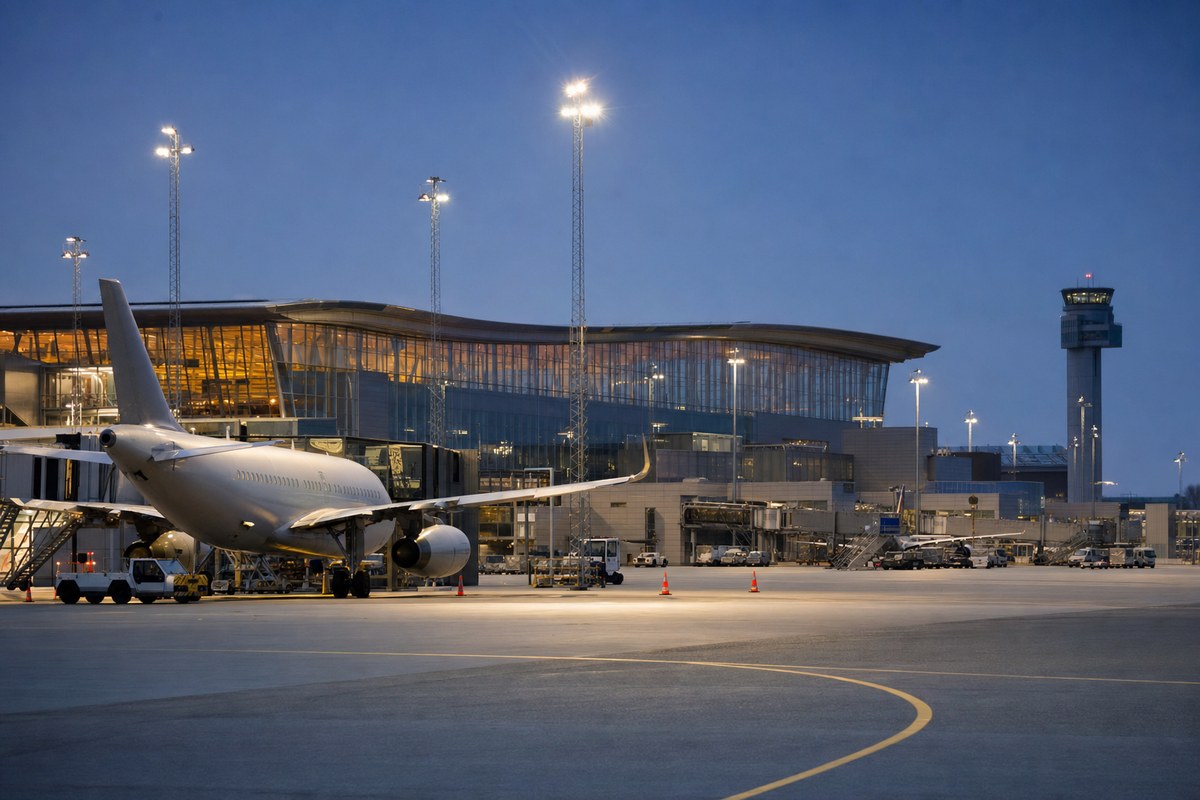
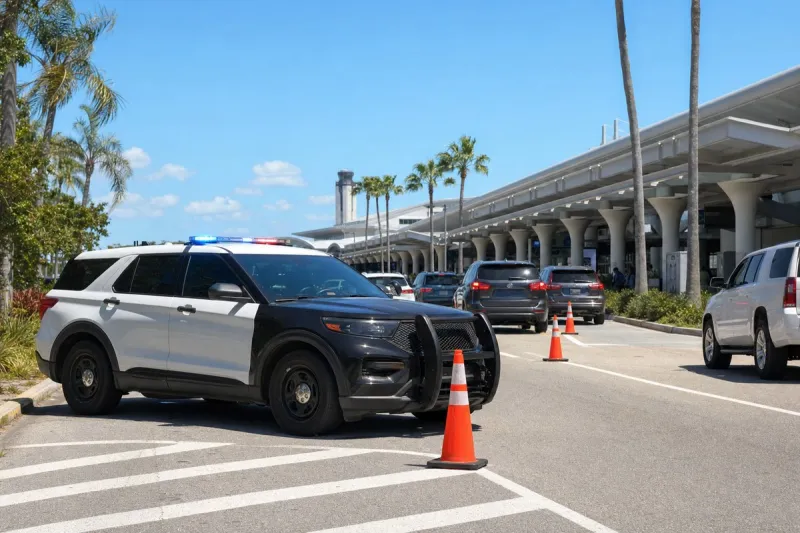
Passengers whose flights are directly impacted will be notified by their carriers, but even those on unaffected flights should anticipate longer queues, more crowded terminal areas and possible adjustments to check-in or boarding times. The Norwegian Police Directorate has introduced temporary internal Schengen border controls from 4 to 14 September, directly linked to the funeral arrangements; travelers crossing into Norway during this period, including those arriving via Oslo Airport Gardermoen, may be asked to present passports or ID and should expect more visible security procedures.
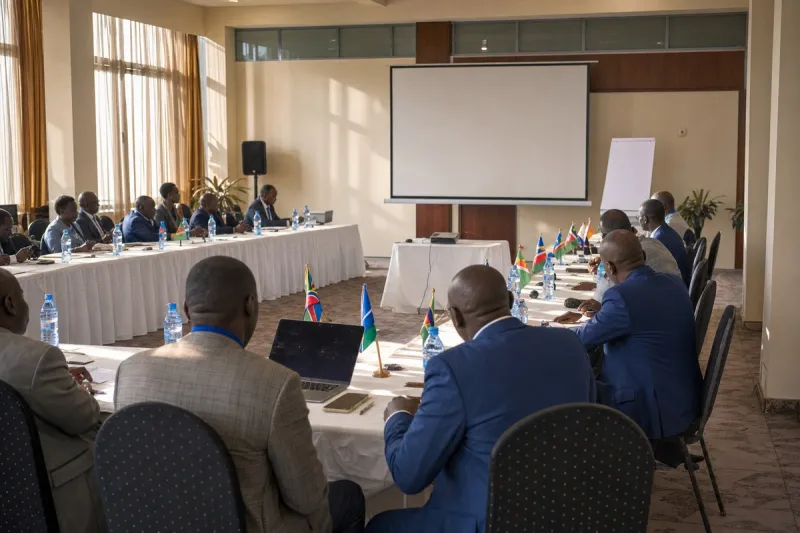
Oslo Airport and the main road approaches form part of an expanded security zone that will host numerous heads of state, royal families and international representatives. The East Police District has warned that the E6 motorway corridor linking Oslo and Gardermoen will experience periods of disruption as convoys transporting foreign dignitaries use the route, with possible rolling closures or temporary diversions. Authorities advise all travelers flying to or from Oslo on 9 September to arrive well in advance, carry valid travel documents and monitor updates from their airline and the airport, and they encourage those not required to travel that day to consider alternative dates or off-peak times.
Industry impact & what to watch
Large state ceremonies that draw multiple heads of state routinely force a temporary reordering of airport priorities, with government and diplomatic aircraft claiming slots that would otherwise serve scheduled commercial traffic. Oslo's case illustrates how this plays out operationally: a single morning window is set aside, border checks are reinstated inside the Schengen area for a ten-day span, and a key road corridor becomes subject to convoy-driven closures, all layered onto normal terminal operations.
For an airport operator, this kind of event tests capacity buffers that exist for exactly this scenario but are rarely exercised at this scale — reserved slots, added security screening, and coordination with police on ground access all have to function together on a fixed date that cannot slip. The reinstated border controls add a further layer, since they apply to all arrivals during the window, not just those tied to the funeral.
What happens next will be visible in how closely Wednesday's actual schedule holds to plan: whether carriers manage to absorb the reserved-slot period without cascading delays into the afternoon, and whether the E6 corridor disruptions stay within the rolling-closure pattern authorities have described or spill into wider congestion around Gardermoen.