NetJets Challenger 650 Hits Unreported Wake Turbulence from FedEx A300, Two Passengers Hospitalized
Why It MattersThe case underscores how wake-turbulence risk during climb can go undetected without PIREPs, ATC traffic calls, or onboard alerting tools, leaving crews to rely on smooth-air assumptions that can prove wrong.
What happened
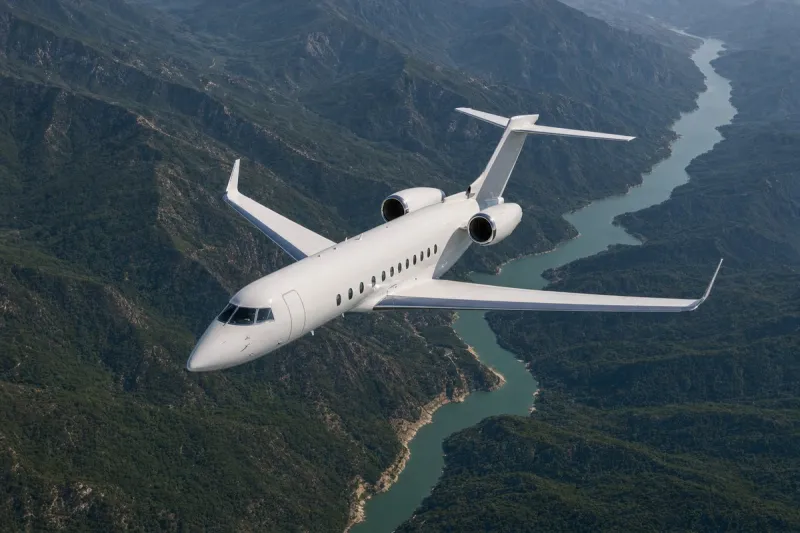
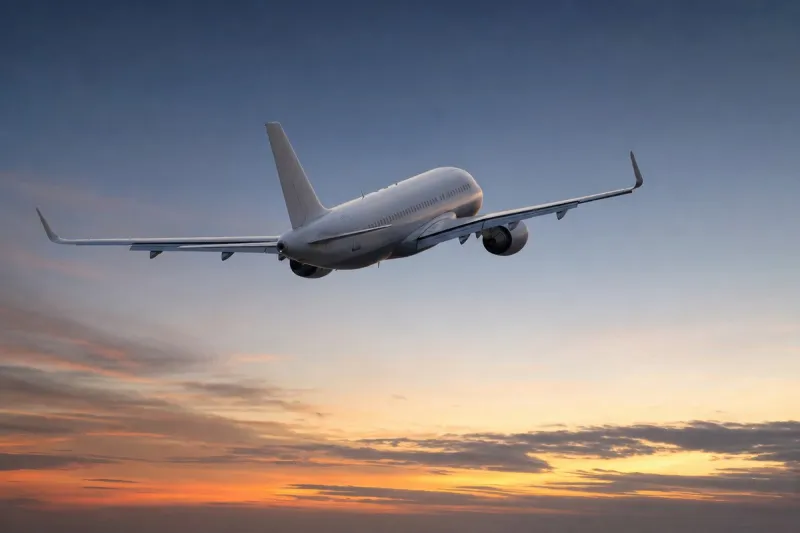
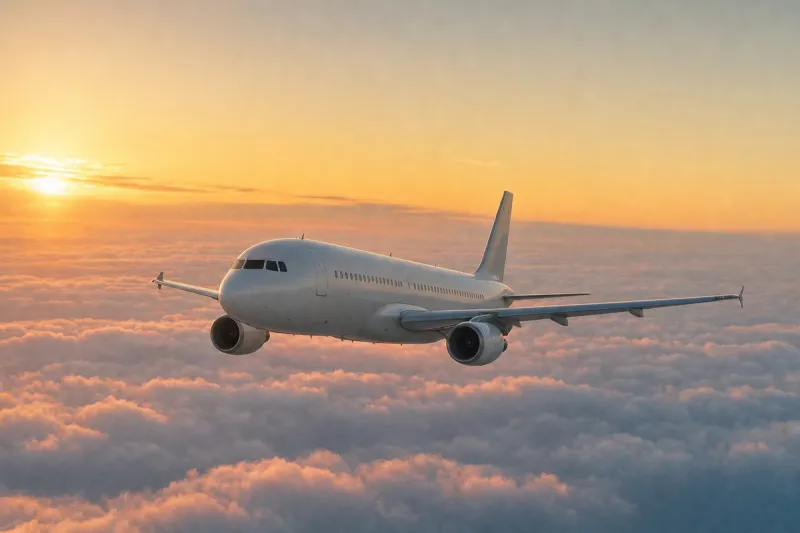
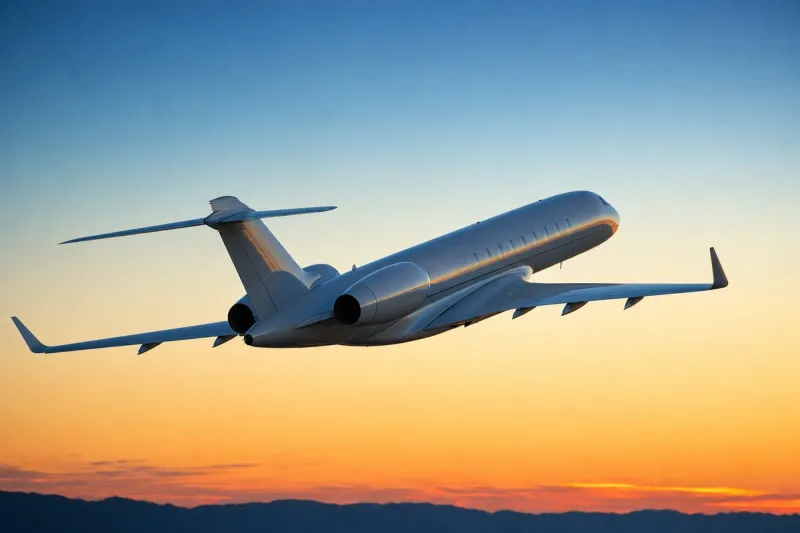
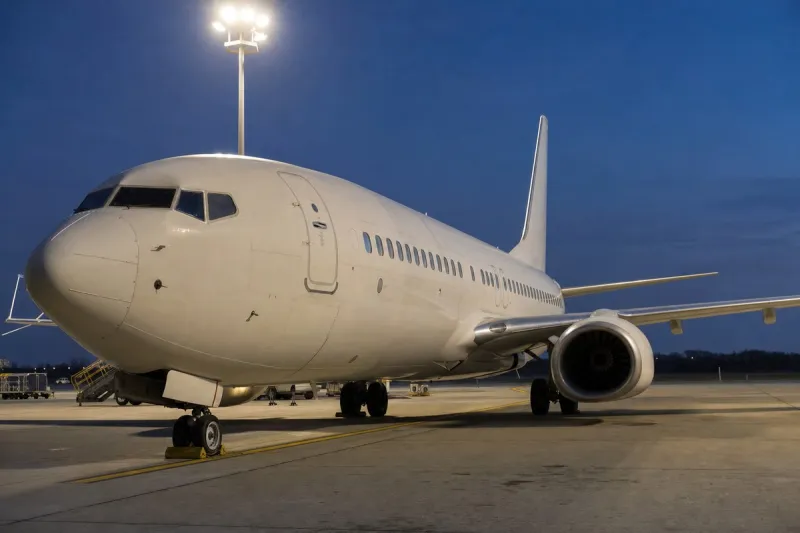
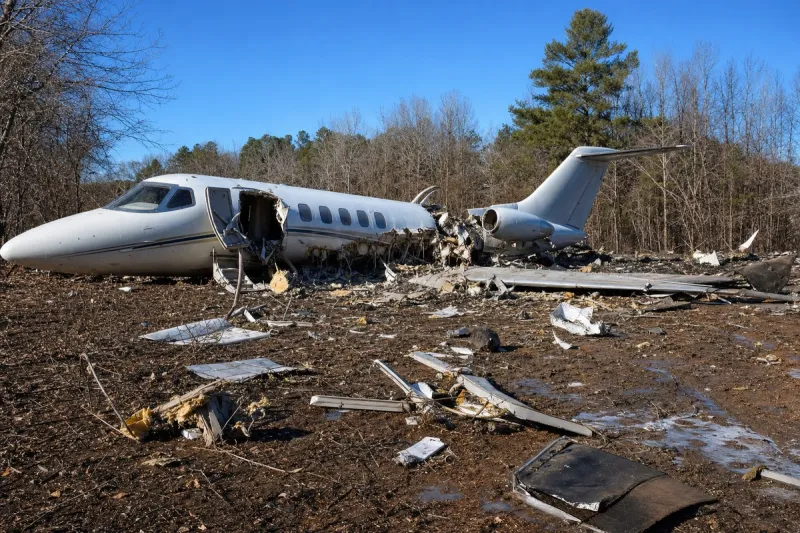
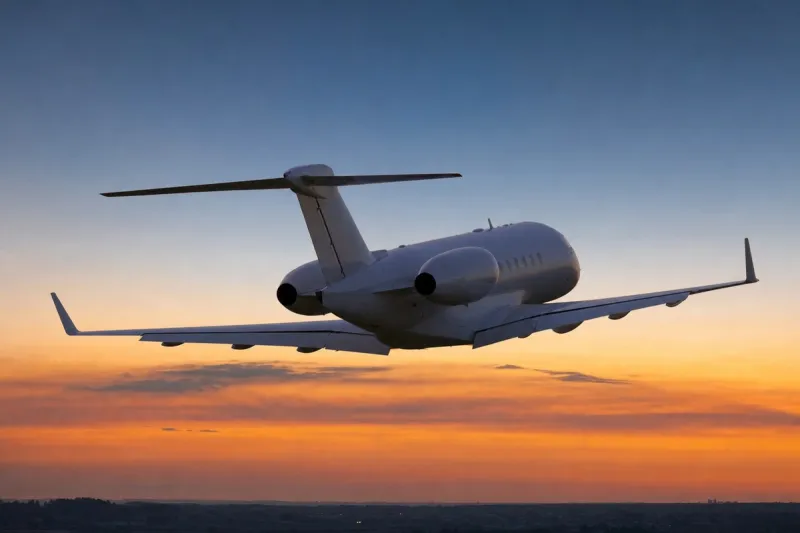
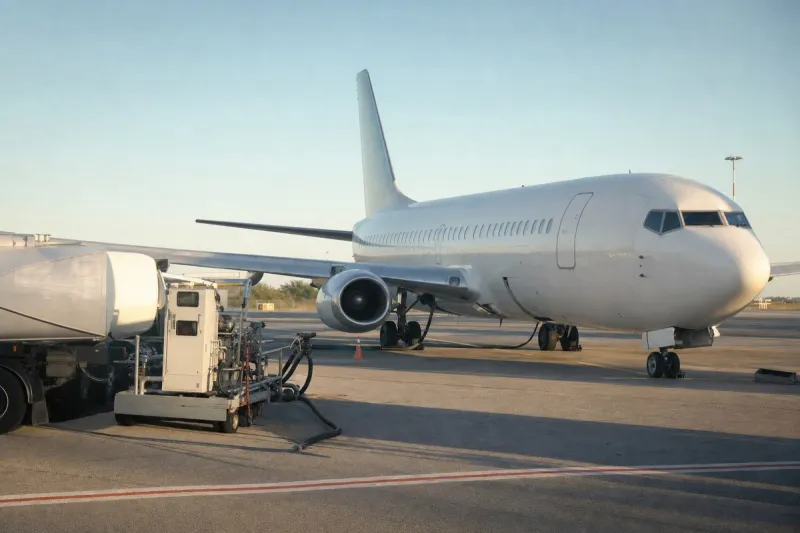
A NetJets Bombardier Challenger 650 encountered severe wake turbulence near Lubbock, Texas, injuring occupants and prompting a diversion, the National Transportation Safety Board (NTSB) has reported. The aircraft was carrying two pilots, one flight attendant, and seven passengers.
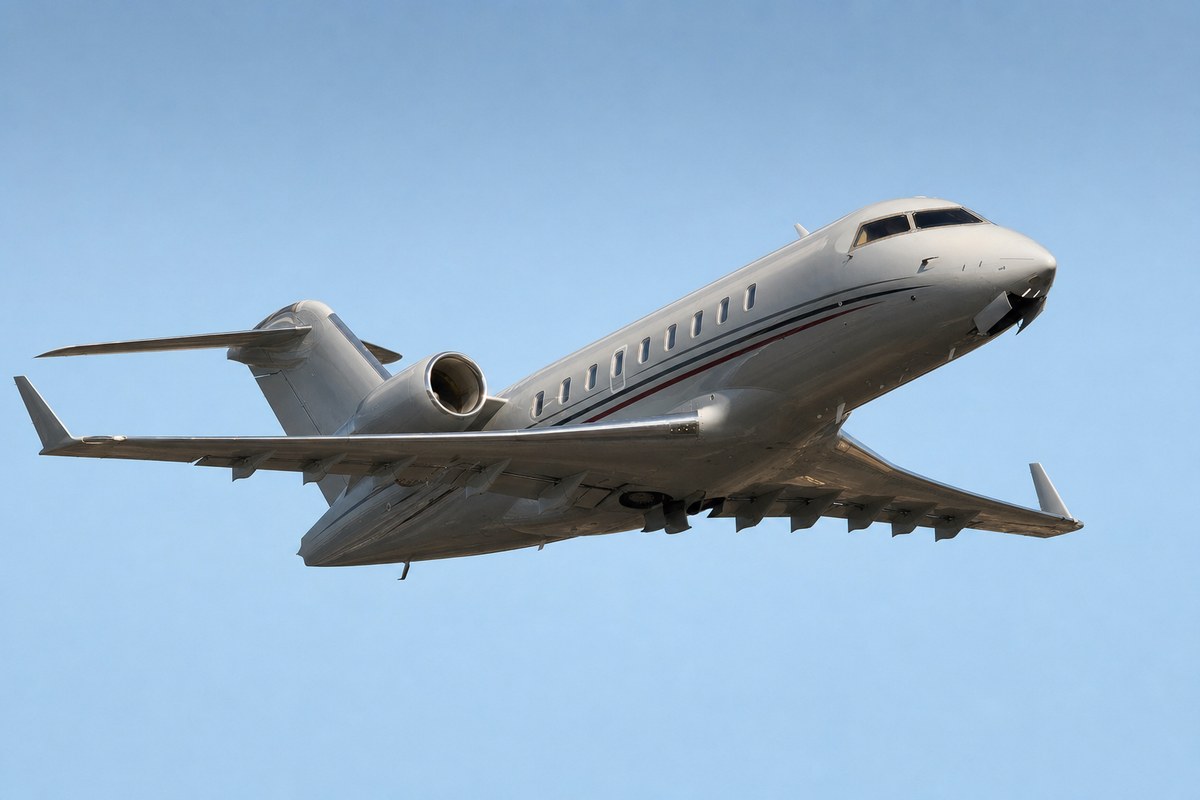
At 15:47, the jet was climbing through FL335 toward an assigned altitude of FL340 with the autopilot engaged and the passenger seatbelt sign switched off. The captain had told the flight attendant it would be a smooth ride, and she had begun serving drinks and taking catering orders. Near Lubbock, the aircraft hit extreme turbulence lasting 11 seconds. Flight data recorder data showed a maximum bank of 23.4° right and 12.6° left, pitch excursions of 8.5° nose-up and -2.5° nose-down, and airspeed ranging between 268 and 276 knots throughout the event.
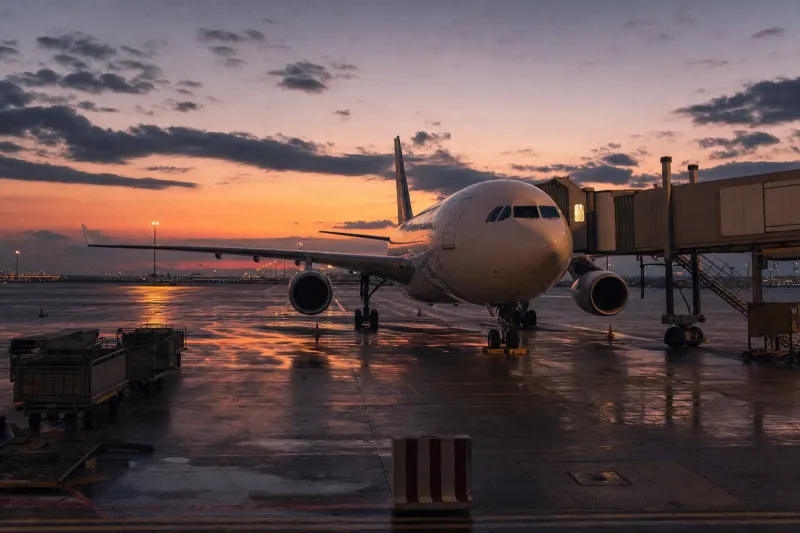
At the time of the encounter, the Challenger 650 was between eight and ten miles behind an Airbus A300 operated by FedEx, which was level at FL340 on the same route. The flight crew were unaware of the FedEx aircraft until after the wake turbulence event. The captain reported no PIREPs regarding turbulence and no traffic advisory from ATC concerning the aircraft ahead.
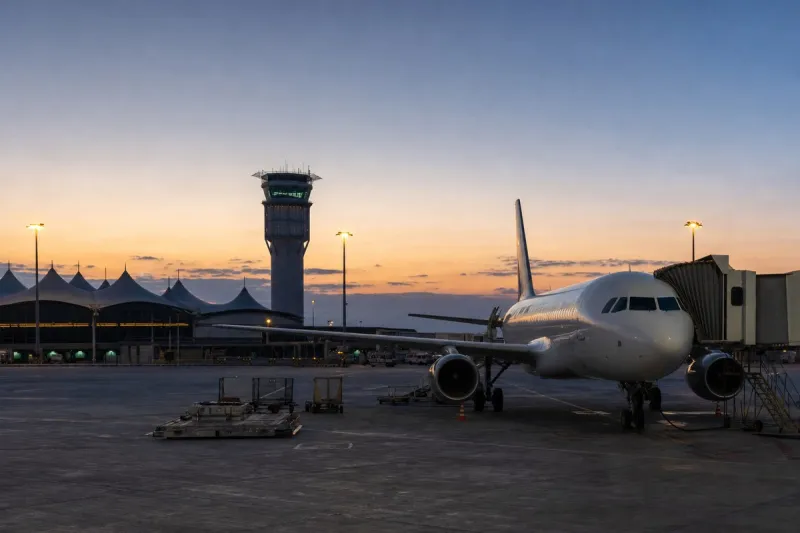
The captain disconnected the autopilot, regained control, and stabilized the aircraft. The flight attendant struck the ceiling and then the floor. Food, coffee pots, broken dishes, and lavatory fluid were scattered throughout the cabin and galley. Two passengers sustained injuries: one suffered a baseball-sized contusion to the head, and another sustained a tibia fracture that required surgery. The aircraft diverted to Lubbock Preston Smith International Airport (KLBB), where a normal approach and landing were made. Emergency services met the aircraft, and two passengers were transported to hospital.
The NTSB determined the probable cause was an unexpected wake turbulence encounter while climbing in smooth air, resulting in passenger injuries. A contributing factor was that the passenger seatbelt sign was off at the time of the encounter. The NTSB noted that no warning of any kind — no PIREP, no ATC traffic call — preceded the event.
Industry impact & what to watch
This event belongs to a class of injuries that occur not from mechanical failure but from an invisible hazard: wake vortices persisting on a shared route with no reporting mechanism to flag them. Climbing traffic behind a heavier aircraft on the same track is a routine occurrence in busy airspace, and the case shows how thin the safety net is when neither a pilot report nor an air traffic control advisory closes the gap between the two aircraft.
Cabin safety in business aviation depends heavily on seatbelt-sign discipline during phases of flight assumed to be smooth; here the sign was off and cabin service was underway when the encounter began, turning loose objects and an unrestrained flight attendant into the source of injury rather than the turbulence itself. The NTSB's own framing — that mitigation tools exist but their standardized use has not been established by operators — points to a gap between available technology and operating procedure rather than a lack of technology.
What happens next depends on whether operators and avionics providers move to adopt Wake Vortex Prediction Systems and electronic flight bag wake-alert features as standard practice, since the NTSB flagged both as potential mitigations without reporting that either has been mandated.