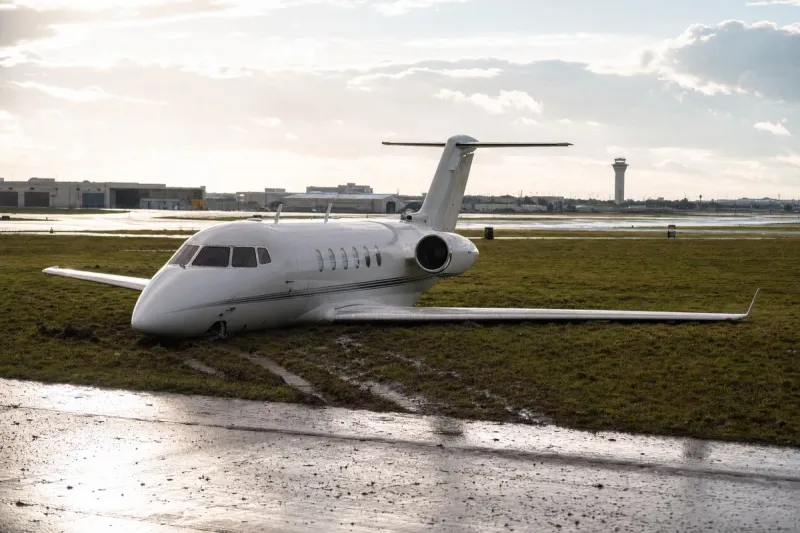
F-16 Intercepts Cessna 210L That Breached Trump Golf Club No-Fly Zone in New Jersey
Why It MattersRepeated TFR breaches near VIP travel show how quickly civilian general-aviation traffic can trigger a military intercept response once controllers exhaust standard radio procedures.
What happened
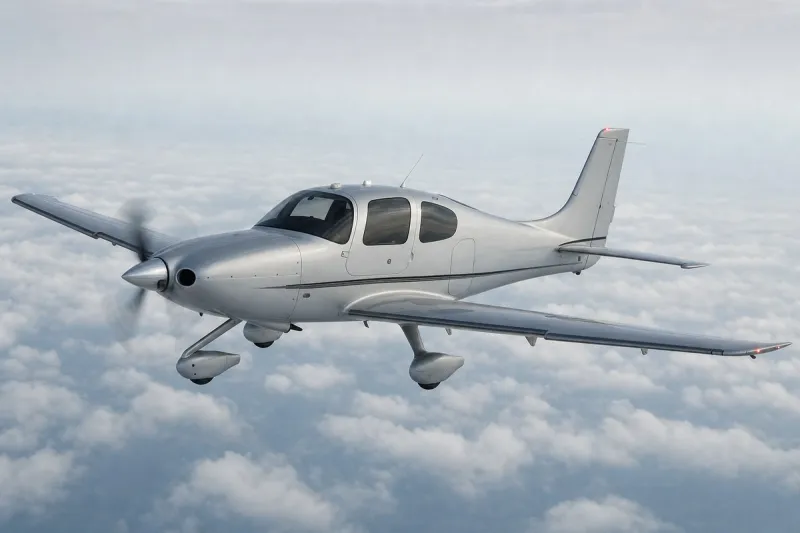
An F-16 fighter jet was deployed on Monday, September 2, to intercept a Cessna 210L, registration N2160S, after the aircraft repeatedly ignored air traffic control warnings and breached a temporary flight restriction over Bedminster, New Jersey. The restriction was in place for President Donald Trump's visit to his Trump National Golf Club.
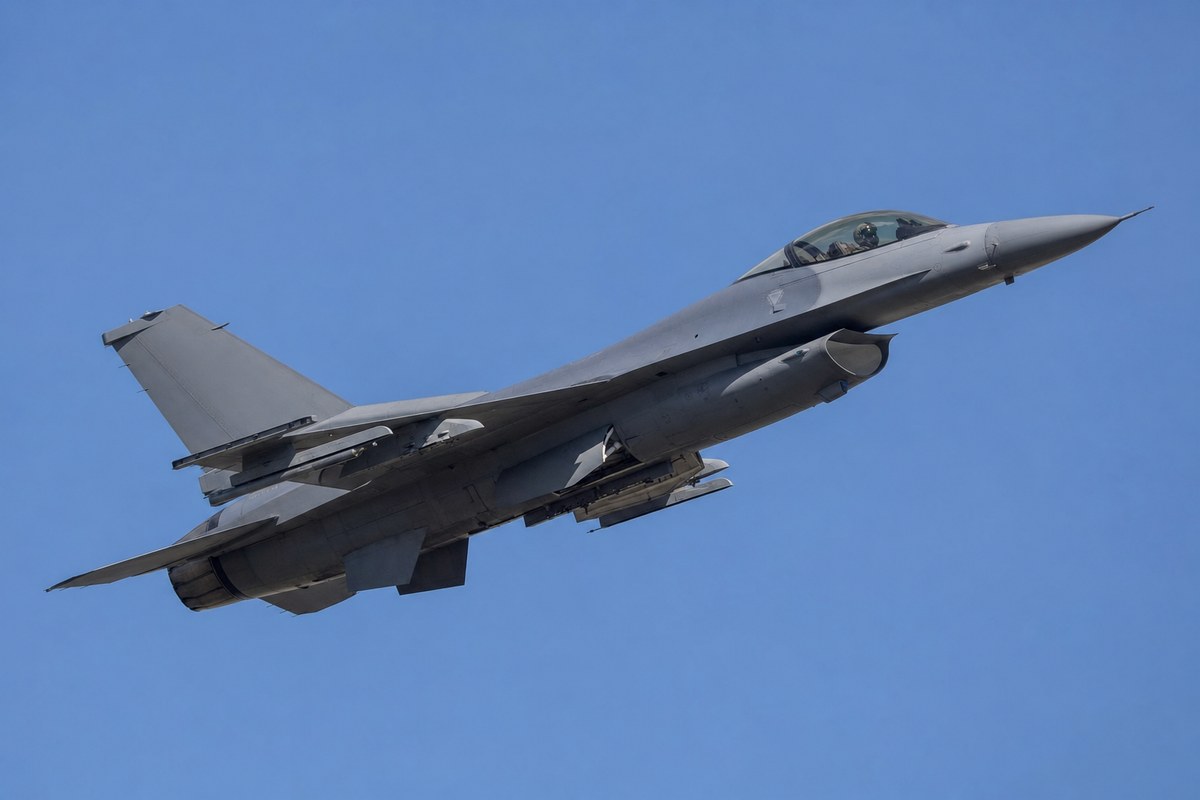
The Cessna stopped responding to ATC during the active VIP temporary flight restriction. Controllers made multiple attempts to reach the pilot, including on the emergency Guard frequency, before NORAD authorized the intercept. The F-16, flying under the callsign Noble 22, was dispatched to confront the aircraft, and warnings broadcast to the Cessna included: "You are entering restricted airspace and being intercepted by armed defense fighters. If you do not turn south you may be fired upon."
As the F-16 closed in, the Cessna was in airspace above the George Washington Bridge. The military jet performed a "headbutt" maneuver, flying in front of the civilian aircraft and rocking its wings to attract the pilot's attention. The pilot subsequently responded to radio transmissions and was escorted out of the restricted airspace, landing without further incident at Central Jersey Regional Airport (JVI) in Somerset County. Controllers redirected other air traffic away from the area during the incident, and it remains unclear whether the pilot was questioned by authorities after landing.
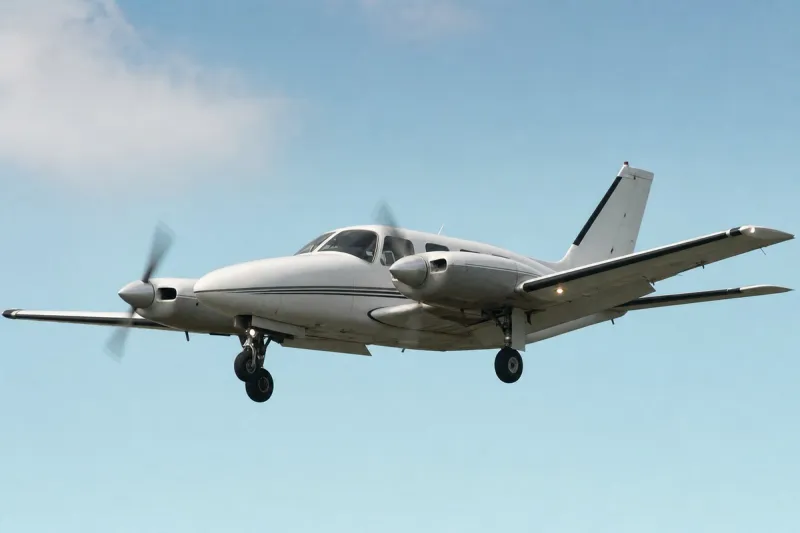
FAA registry records identify N2160S as a 41-year-old fixed-wing, single-engine Cessna 210L powered by an IO-520 Series engine, with an airworthiness certificate issued on December 17, 1984. The registered owner is listed as being from Edison, New Jersey. Trump had been at his Bedminster club since Friday for the long weekend, with executive time scheduled Monday morning before departing from Morrison Municipal Airport (MMU) on Air Force One that evening.
Industry impact & what to watch
This incident belongs to a recurring category in general aviation: a pilot flying into a temporary flight restriction without noticing or reacting in time, forcing controllers to escalate from radio calls to a military response. Presidential travel routinely triggers these restrictions, and a golf-club weekend near a major metro area creates exactly the kind of airspace overlap where a distracted or unaware general-aviation pilot can end up inside a no-fly zone meant for VIP movement.
The escalation path itself is instructive: controllers try standard frequencies, then Guard, and only when a pilot stays silent does NORAD authorize an intercept, with the F-16's wing-rock and position maneuvers designed to force compliance without weapons use. That sequence shows how much of TFR enforcement depends on the pilot noticing and responding, since the aircraft itself carries no automatic warning that stops it from entering restricted airspace.
What happens next will likely hinge on whether the FAA pursues certificate action against the pilot of N2160S, a step that typically follows TFR violations of this kind but was not confirmed in this case. The bigger open question is whether the pilot was briefed on the restriction at all, since a startlingly high share of these incidents trace back to a missed notice rather than a deliberate breach.