Texas Legislature Holds First General Aviation Subcommittee Hearing, Spotlighting ADS-B Billing Ban and Maintenance Tax Elimination
Why It MattersState-level tax and data-billing rules increasingly shape where aircraft owners route maintenance work, giving neighboring states a competitive pull on shop location and scheduled service.
What happened
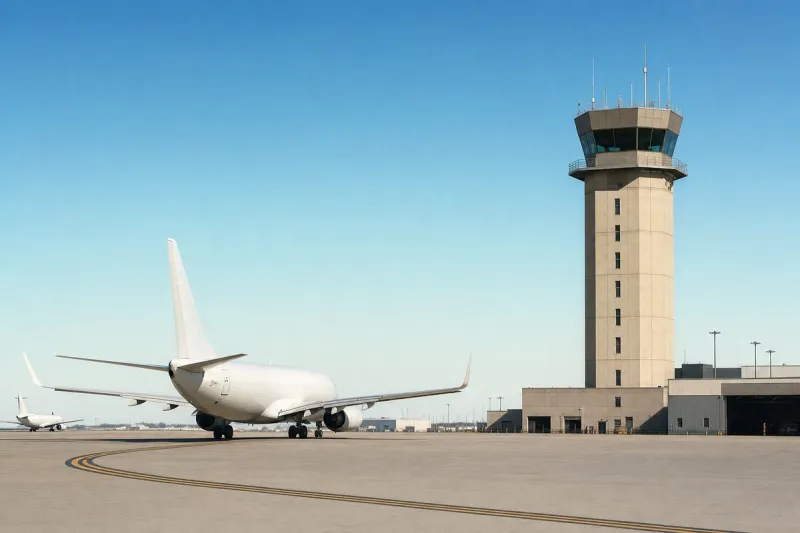
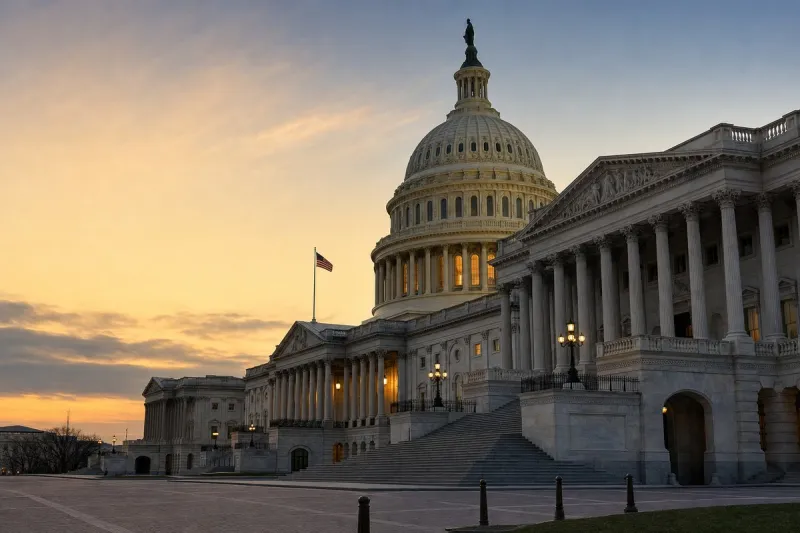
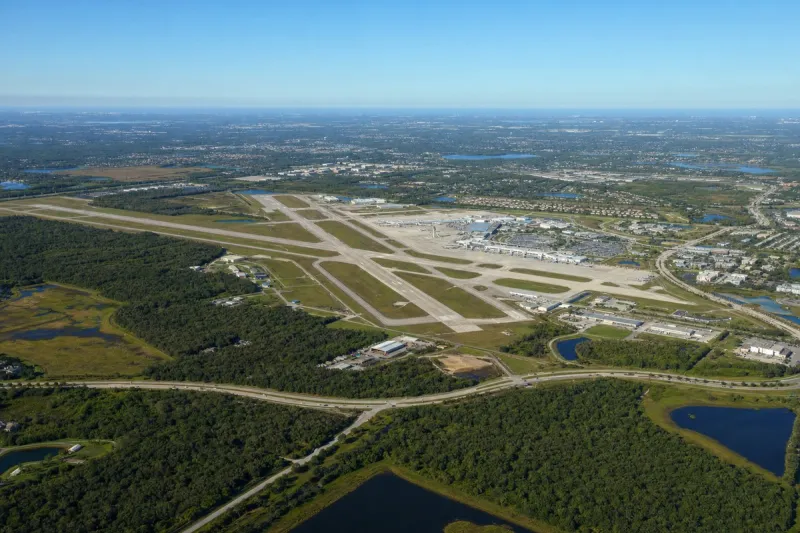
The Texas Legislature convened its first general aviation subcommittee hearing, a session that ran seven and a half hours and covered issues affecting pilots and airports statewide. Texas Department of Transportation Aviation Division Director Dan Harmon opened with a state overview, citing 287 airports in Texas, of which 258 serve only general aviation, and 8.8 million total operations, of which 5.8 million were general aviation. Harmon stated that every $1 invested in Texas airports generates $56 in annual economic benefit to the state.
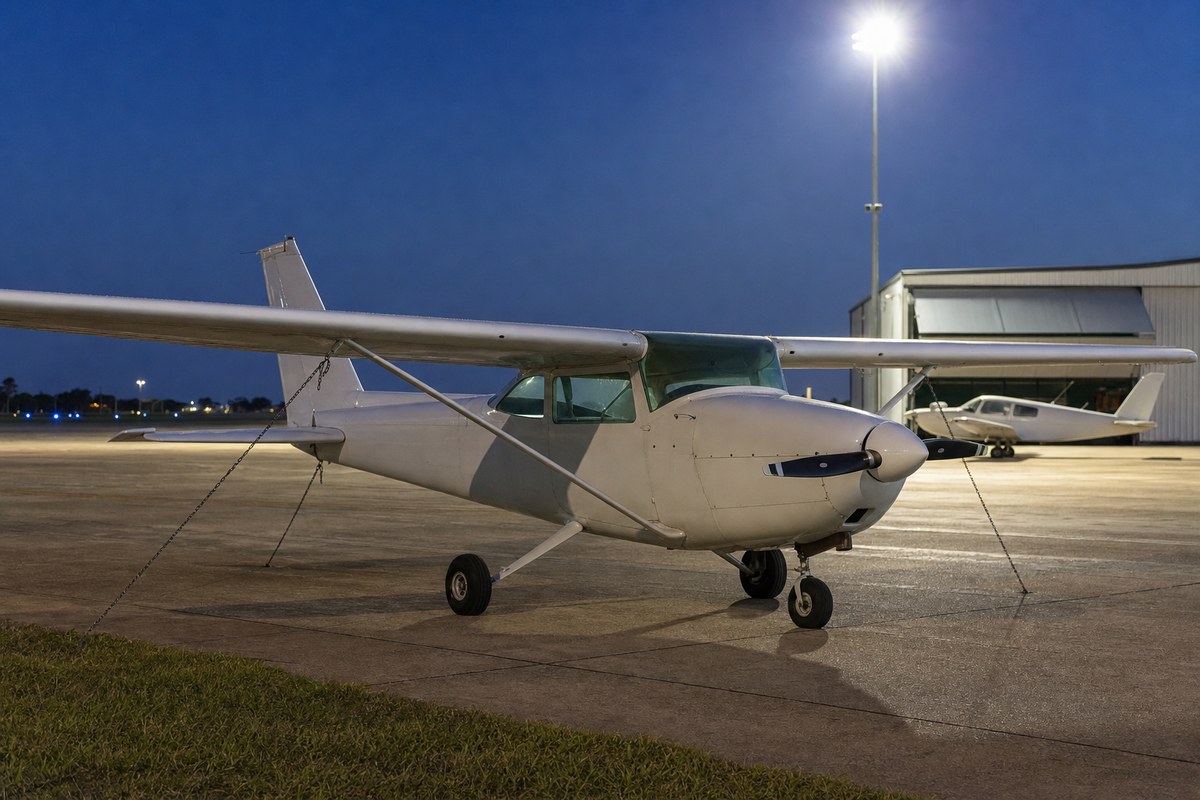
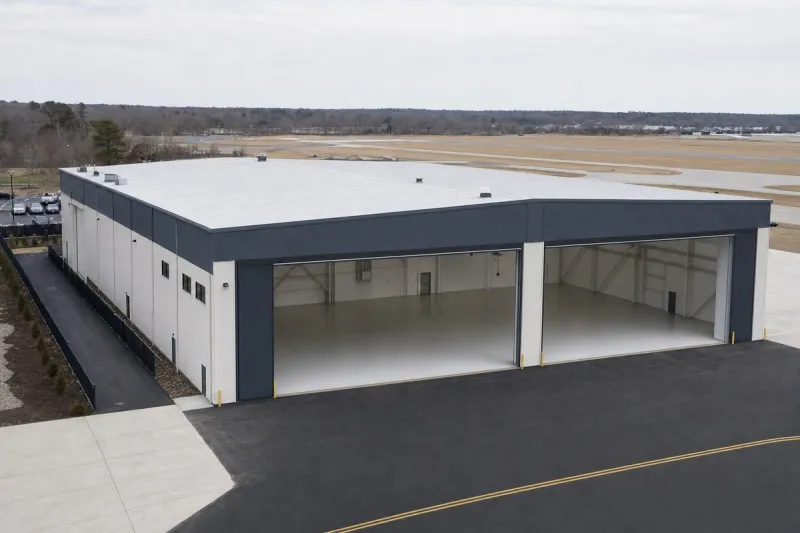
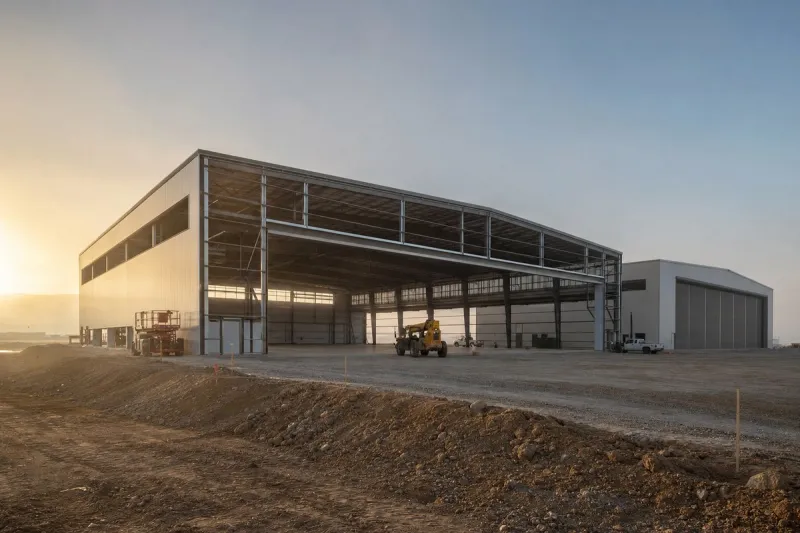
AOPA representatives testified, highlighting three priority issues: banning the use of ADS-B data for commercial billing purposes, eliminating sales tax on aircraft parts and maintenance, and securing additional funding for general aviation hangars, particularly in rural areas. More than a dozen states considered or introduced bills in 2026 to ban ADS-B-based fee collection, but Texas has not yet done so because its legislature meets only every other year; lawmakers indicated the issue would be addressed in the 2027 legislative session.
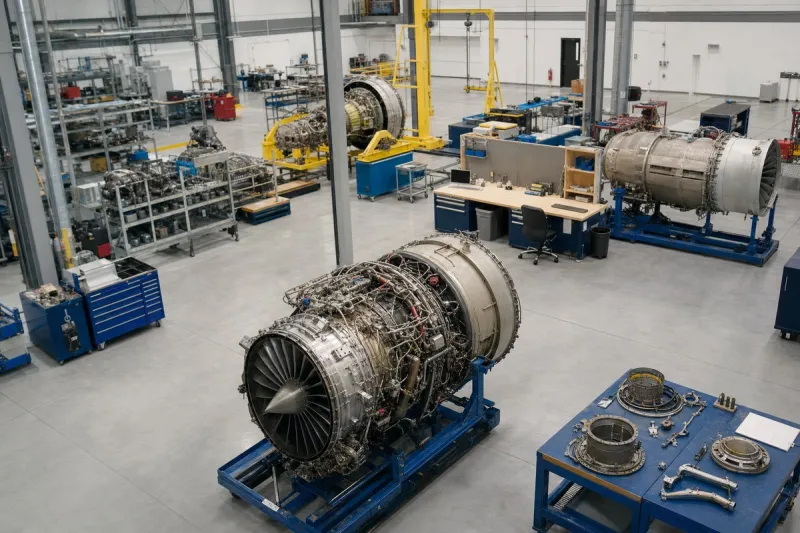
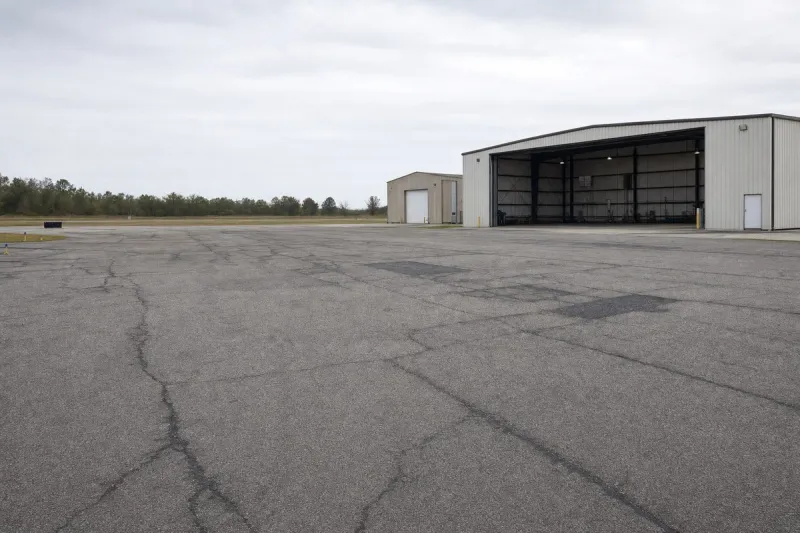
Rep. Pat Curry (R-Waco), a pilot and aircraft owner, said he is aware of maintenance facilities that have relocated or opened additional locations in neighboring states with no tax on parts or labor, and that he personally flies his own aircraft to one of those facilities for scheduled maintenance. Curry described the state's practice of billing aircraft owners used for business based on ADS-B flight-hour data as burdensome and counterproductive to aviation funding. Later in the hearing, community colleges, a four-year university, and a technical college presented on growing demand for aviation degree programs in Texas, and AOPA representatives briefed lawmakers on the AOPA High School Aviation STEM curriculum, noting that more than 50 Texas schools applied to use it in the current school year, with existing AOPA partnerships supporting educators in Oklahoma and Tennessee.
Industry impact & what to watch
This hearing shows how general aviation policy fights are moving state by state rather than through a single federal channel: ADS-B billing bans, maintenance tax treatment, and hangar funding are all decisions state legislatures control individually, which means the competitive landscape for maintenance shops and aircraft owners can shift based on which state acts first. Curry's account of shops relocating across state lines for tax reasons illustrates how a sales tax differential on parts and labor can move real maintenance business, not just theoretical price sensitivity.
Because Texas only meets biennially, the ADS-B billing question is now locked to the 2027 legislative session, giving other states with annual sessions a head start on setting precedent AOPA can cite when Texas takes it up. The hangar funding and workforce pipeline discussions, including the more than 50 schools that applied for the AOPA STEM curriculum, point to capacity and staffing constraints that will keep surfacing at future hearings regardless of how the tax and billing questions resolve. Whether Texas lawmakers draft ADS-B and tax legislation ahead of the 2027 session, and how closely it tracks the more than a dozen states that acted in 2026, will determine whether Texas ends up following existing state models or setting its own terms.