Scotland's Air Ambulance Service to Receive Beechcraft King 360 Aircraft with Extra Seat for Parents of Sick Children
Why It MattersThe upgrade shows how air ambulance operators are increasingly designing cabins and systems around family presence, crew communication and pandemic resilience rather than transport capacity alone.
What happened
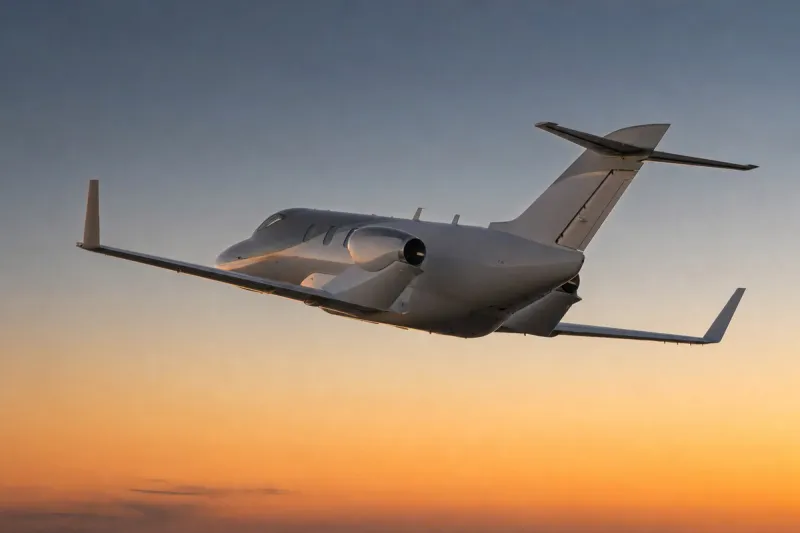
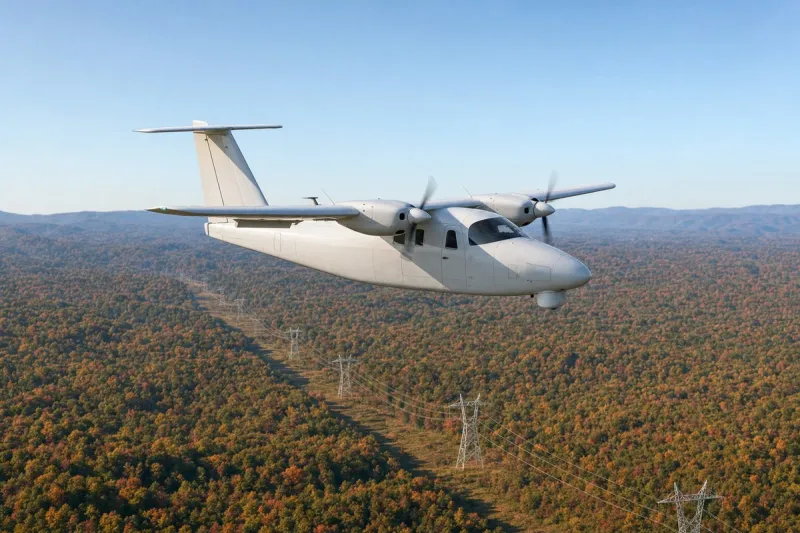
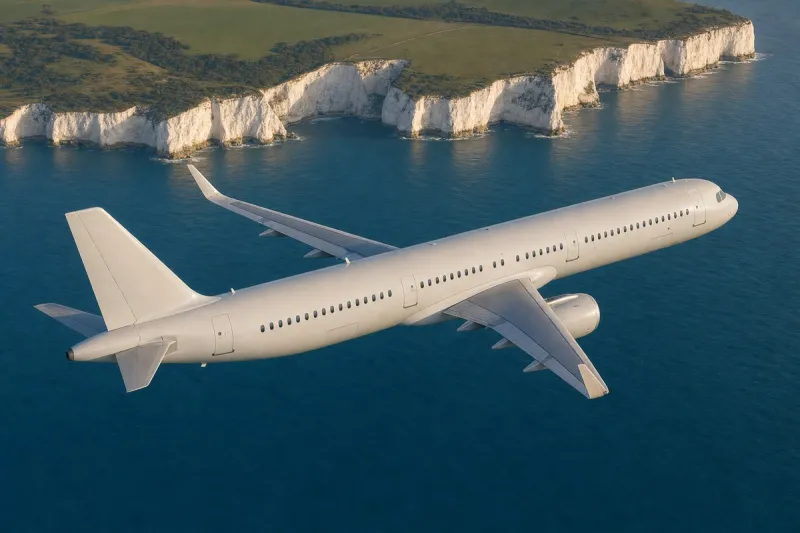
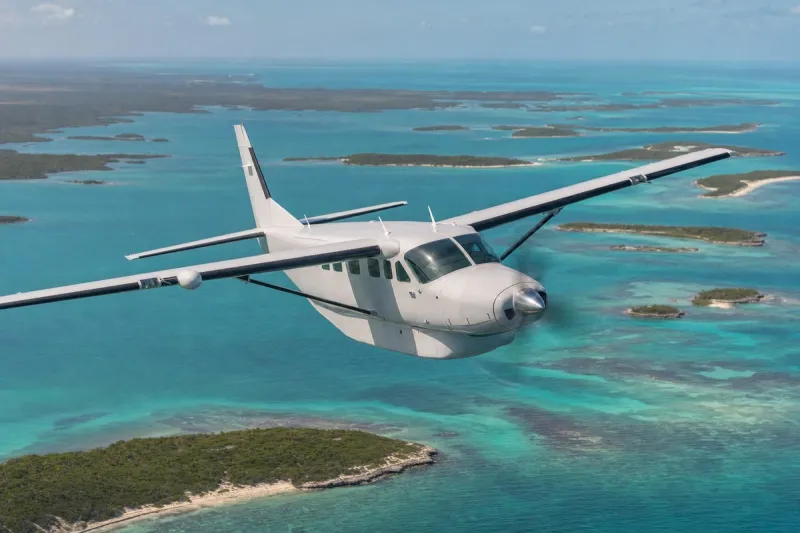
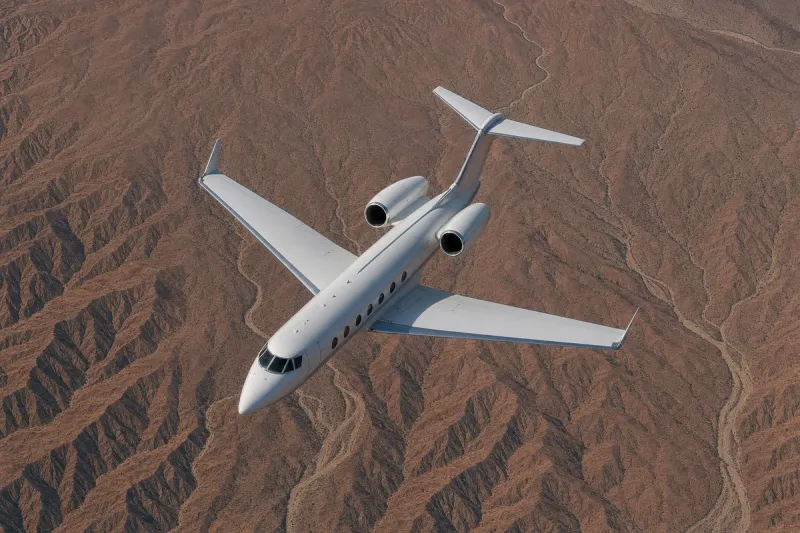
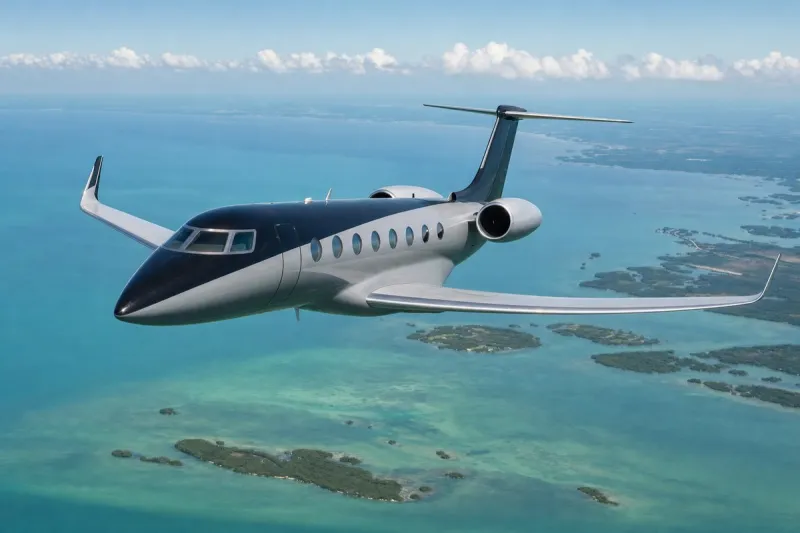
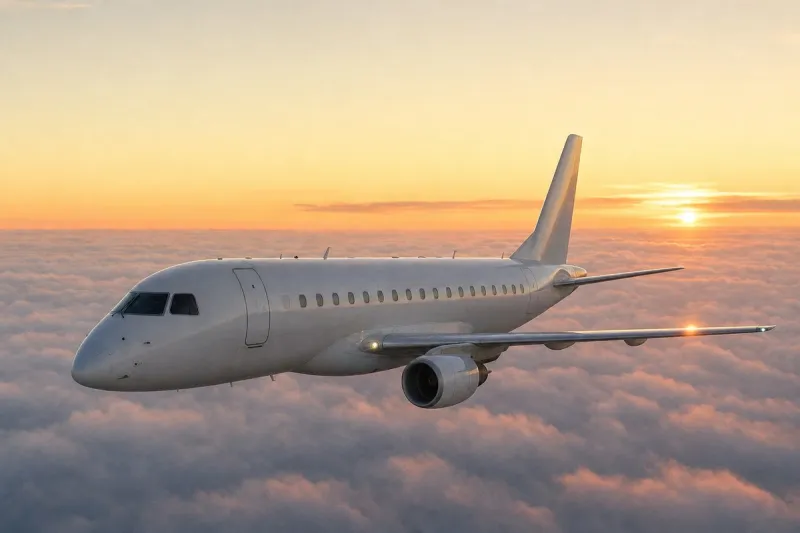
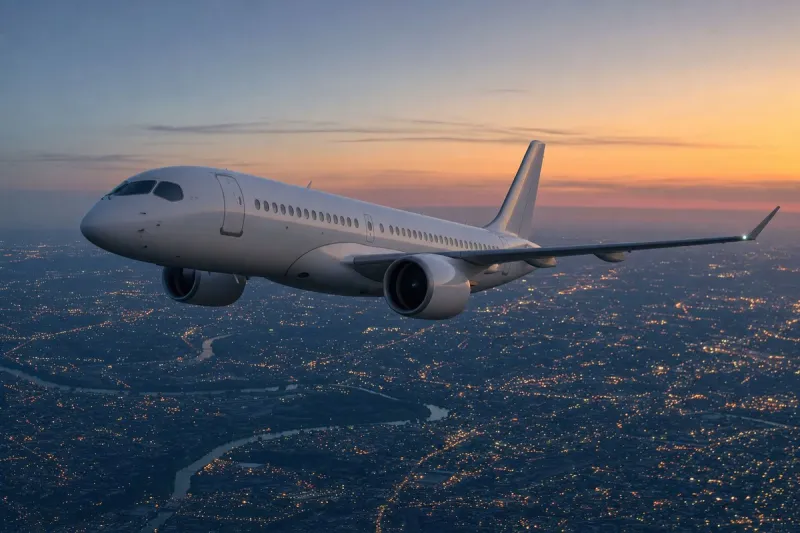
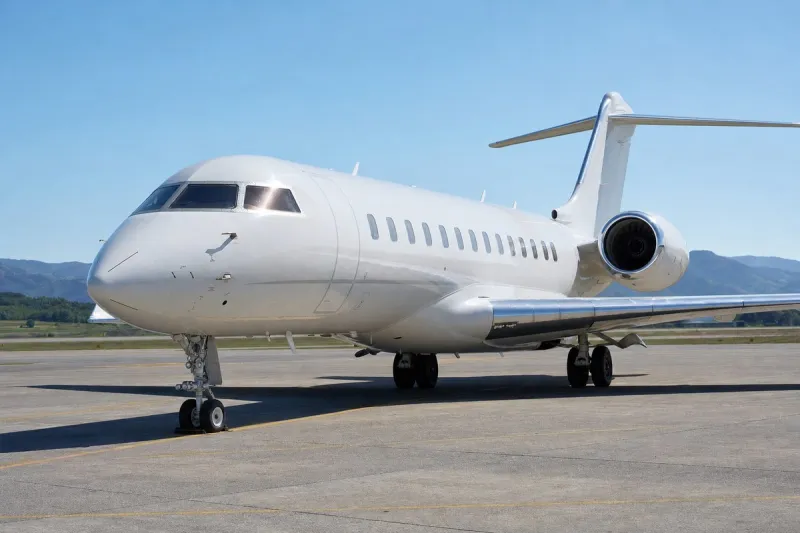
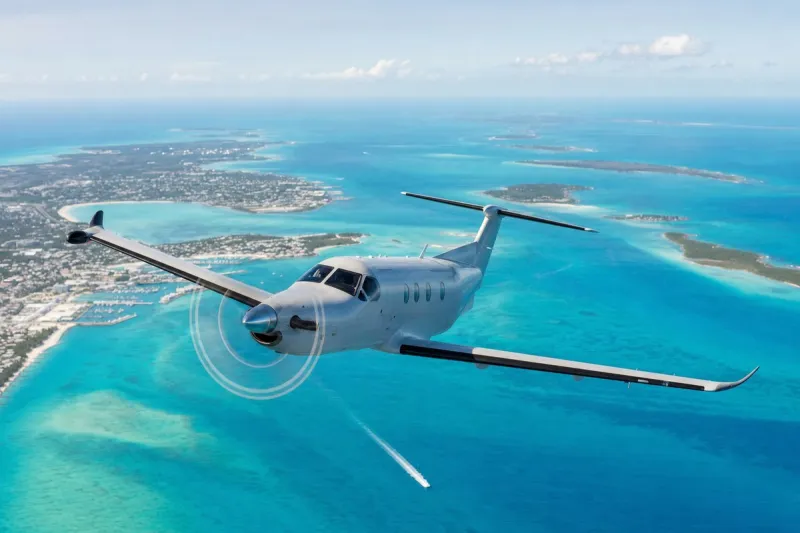
Scotland's air ambulance fleet is set to receive two new Beechcraft King 360 fixed-wing aircraft, with the first due to arrive by the end of the month. The aircraft will be based in Glasgow and Aberdeen, replacing part of an existing fleet that also includes helicopters at Glasgow and Inverness.
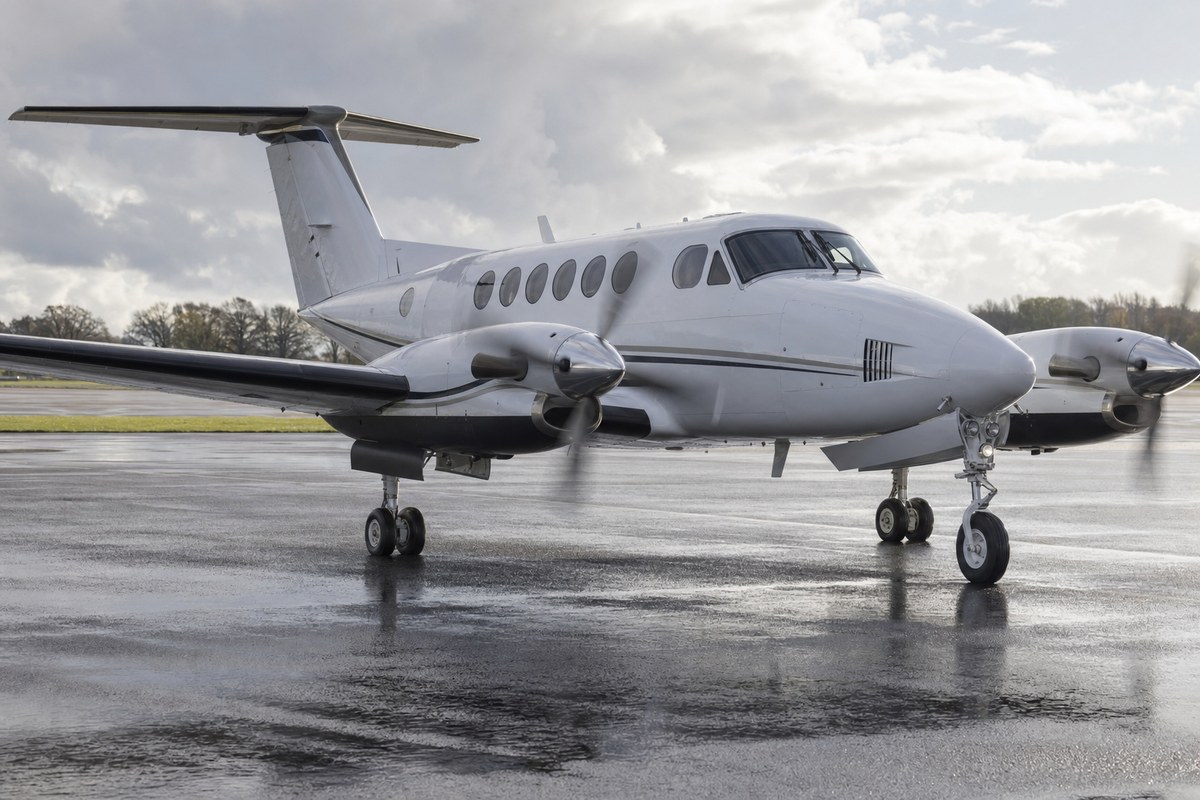
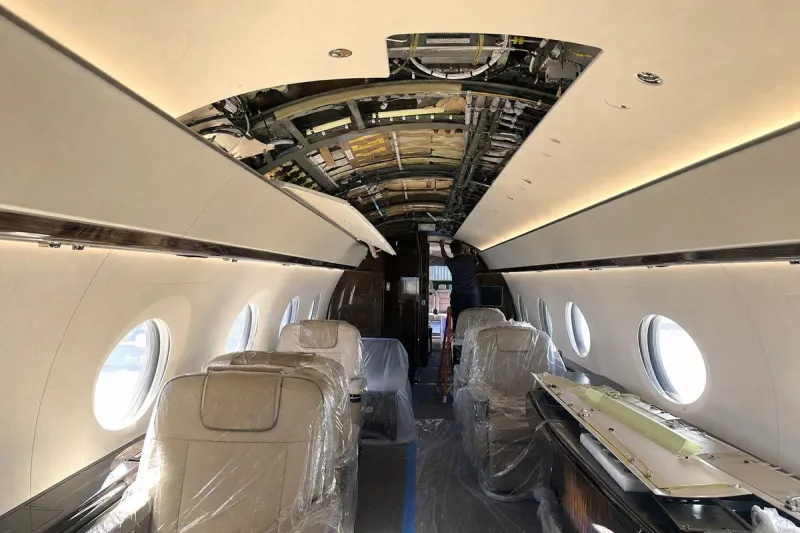
A key feature of the new planes is an additional useable seat, allowing a parent to travel alongside a seriously ill child during medical transport — a capability that has been limited on current aircraft. Andy Moir, head of the Scottish Ambulance Service (SAS) air ambulance service, described this as a significant benefit for paediatric cases where medical teams and a critically sick child fill available space. SAS associate medical director Dr Andrew Cadamy said the inability to accommodate a parent on the same aircraft as a sick child had been a serious problem, saying: "When a child is very sick and your anxiety levels are really high, the thought of being separated from your child under those circumstances is heartbreaking," and that a parent's emotional support is "critical to the therapeutic and compassionate care of a child." He noted that clinical priorities would still occasionally require separation, but said the new aircraft would reduce how often that happens.
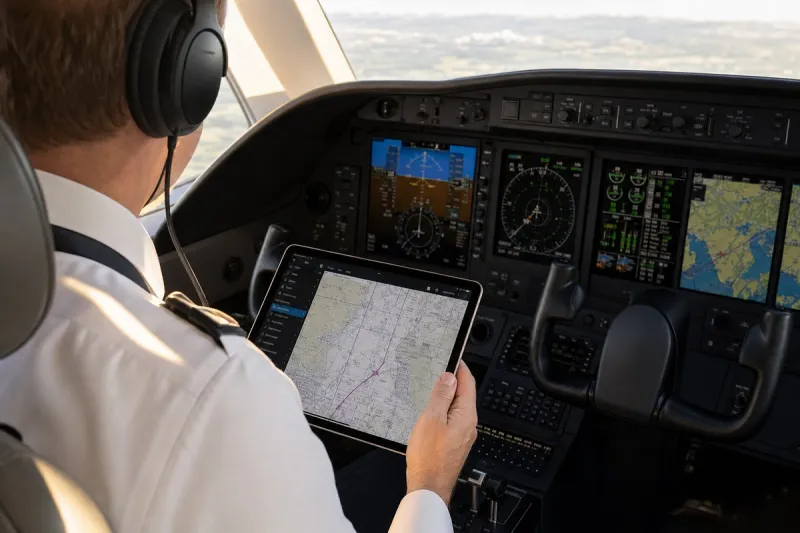
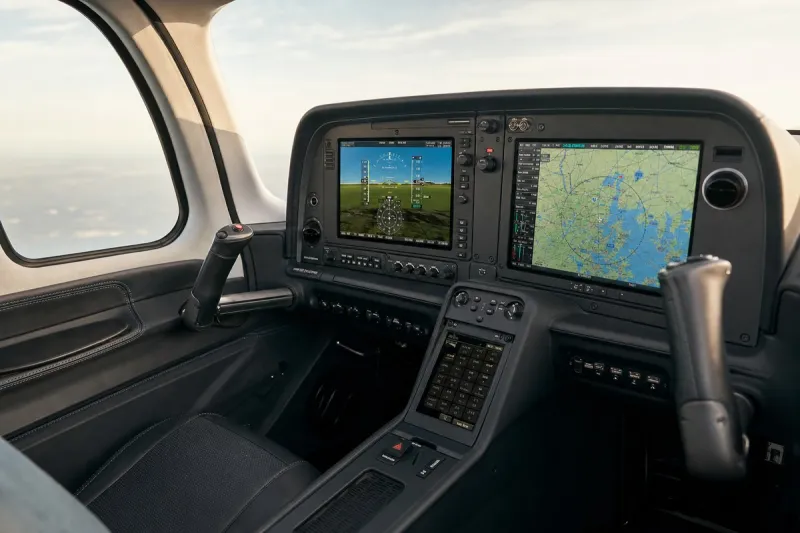
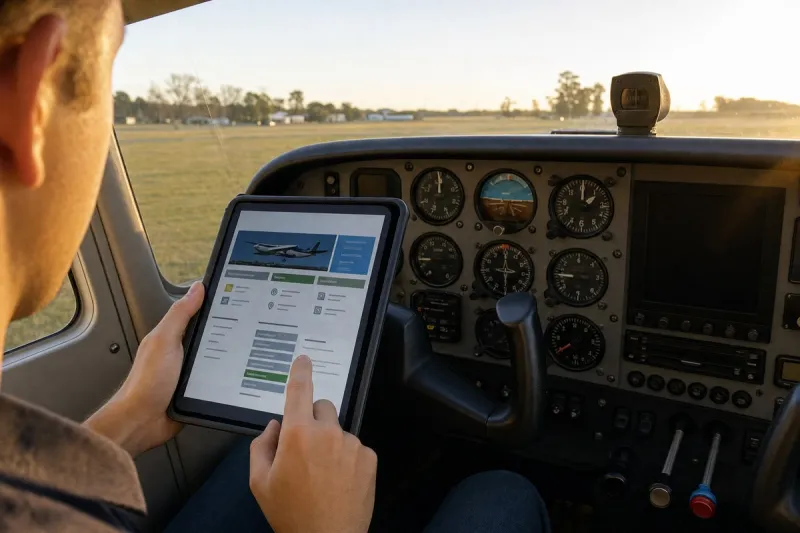
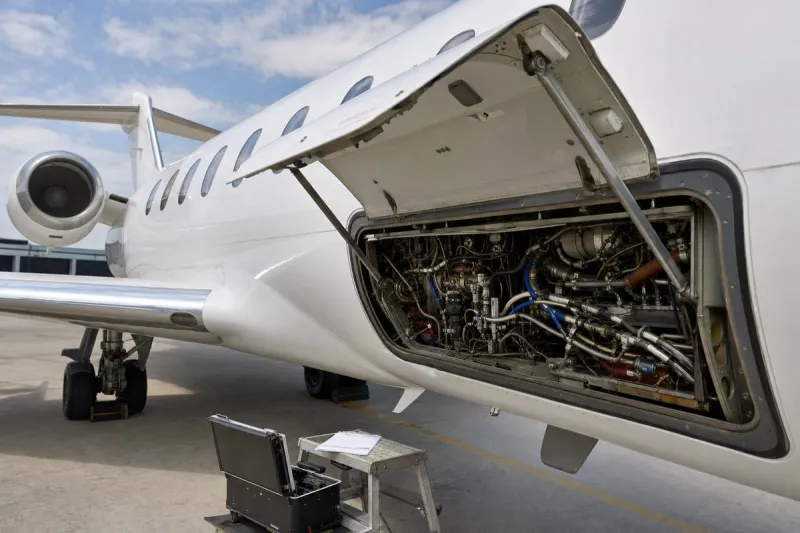
The new planes will also feature new batteries described as a "game changer," providing heating to keep patients warm without needing to keep noisy engines running on the ground. Satellite phones will allow paramedics to maintain communication with ground colleagues during flight, addressing a current gap where radio contact is interrupted once airborne — something Dr Cadamy said would be particularly valuable for advising non-specialist healthcare practitioners in remote and rural parts of Scotland. A redesigned cockpit layout will also mean pilots no longer need to squeeze past patients and medical staff to reach the flight deck, which Dr Cadamy said would help the service keep operating to Scottish islands and remote communities in the event of a future pandemic similar to Covid-19.
Industry impact & what to watch
This case illustrates a broader shift in air ambulance procurement, where cabin layout, communication equipment and crew ergonomics are being weighed alongside speed and range as core selection criteria. A single extra seat or a battery-powered heating system can matter as much to an operator's mission as the airframe's performance envelope, because these services are judged on patient and family experience as much as response time.
Fixed-wing air ambulance fleets typically operate as a mix of aircraft types tied to specific bases, and replacing part of a fleet — rather than the whole of it — lets a service phase in new capability while keeping legacy aircraft, including helicopters, covering other routes such as Inverness. The satellite phone gap Dr Cadamy described points to a wider operational issue for remote and rural air medicine: crews losing radio contact once airborne can limit real-time clinical guidance, a constraint this upgrade is designed to close.
What happens once the first King 360 enters service at Glasgow and Aberdeen will show whether the added seat and communication gear translate into fewer paediatric separations in practice, a question Dr Cadamy's own caveat about clinical priorities leaves open.