AMAC Aerospace Launches AMAC Academy Aviation Maintenance Training Programme at EuroAirport Basel
Why It MattersBy building EASA-compliant training capacity inside a live MRO facility, this signals how maintenance providers are moving to address technician pipeline needs directly rather than relying solely on external schools.
What happened
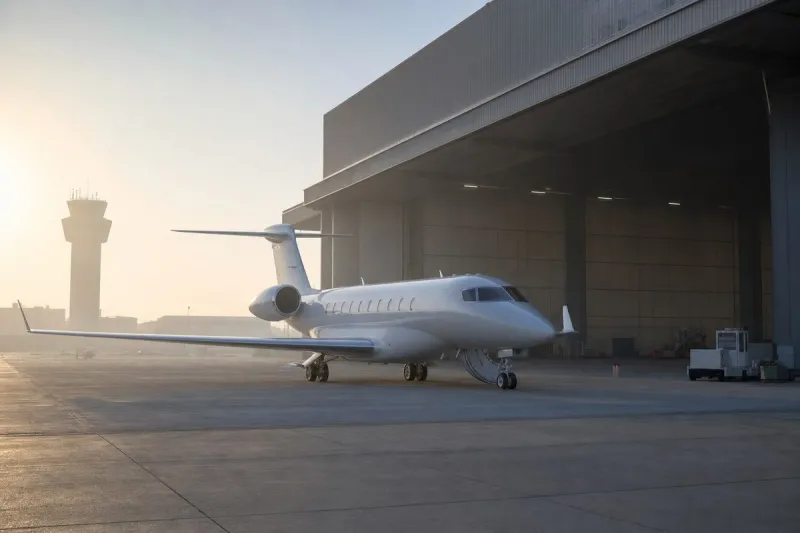
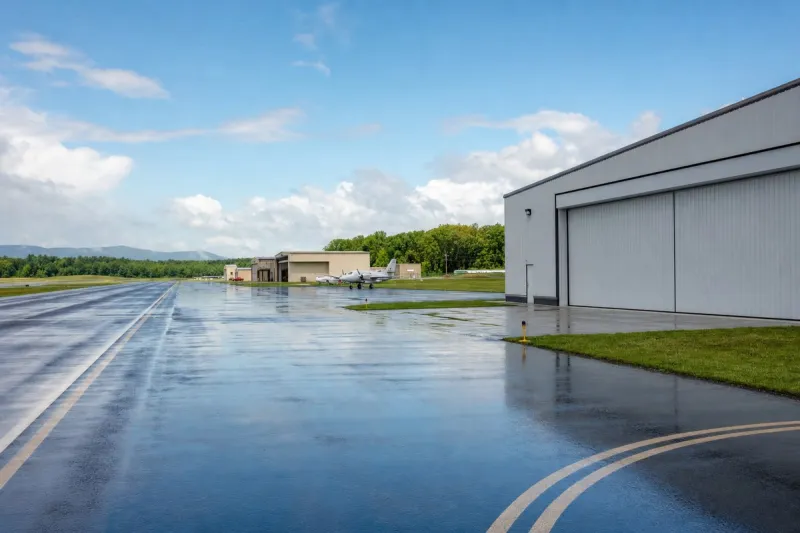
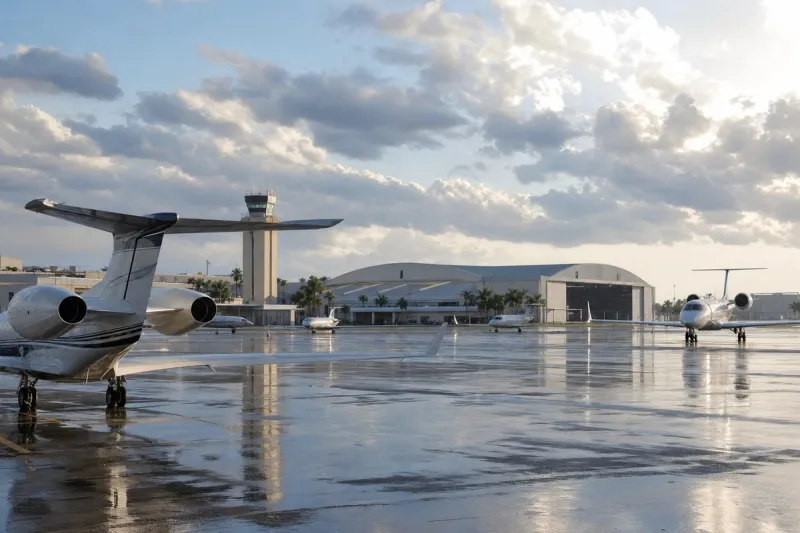
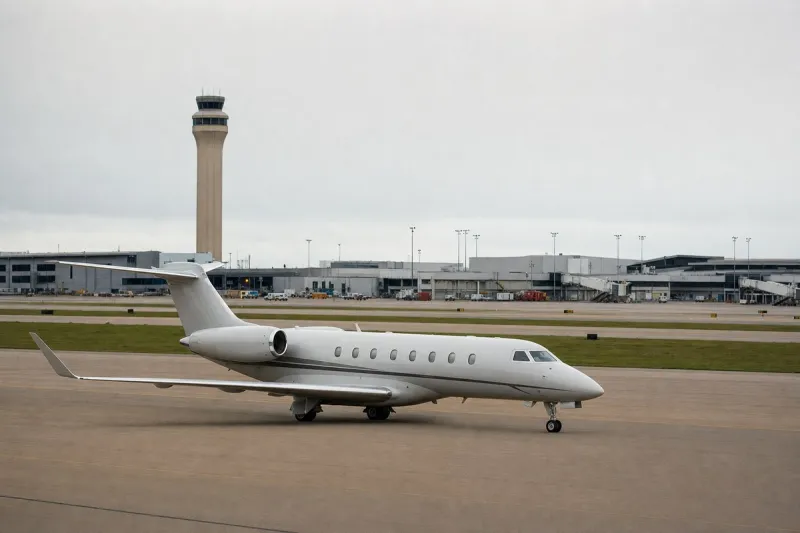
AMAC Aerospace has established AMAC Academy, a new aircraft maintenance training programme based at EuroAirport Basel-Mulhouse-Freiburg, with the first student cohort scheduled to begin in January 2027. The academy operates within the facilities of AMAC Aerospace Switzerland AG and has been developed in compliance with EASA Part-147 and Swiss Federal Office of Civil Aviation (FOCA) standards.
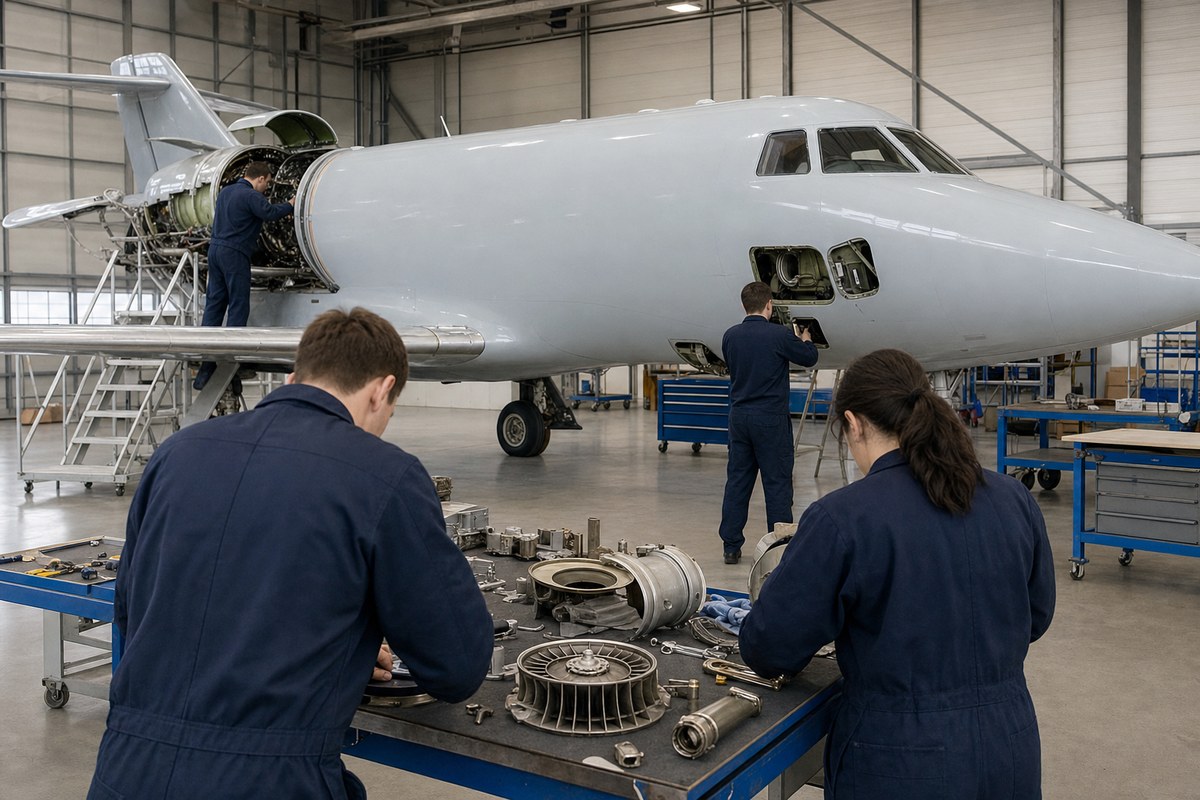
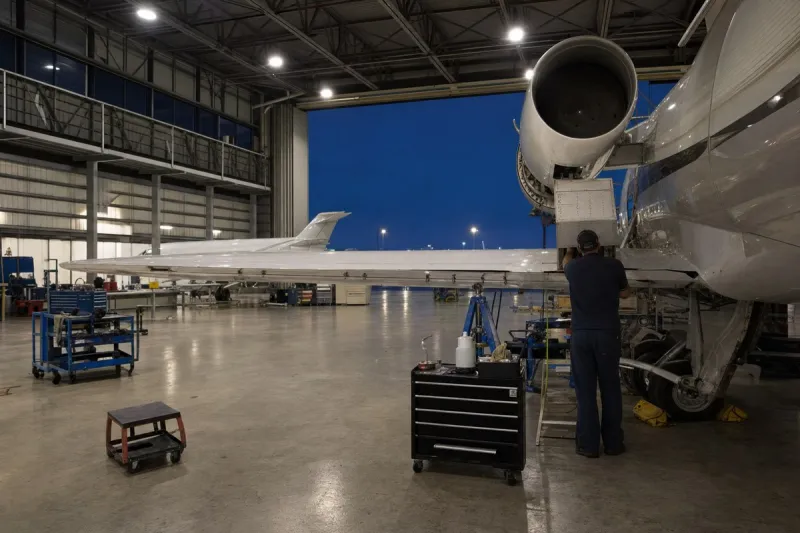
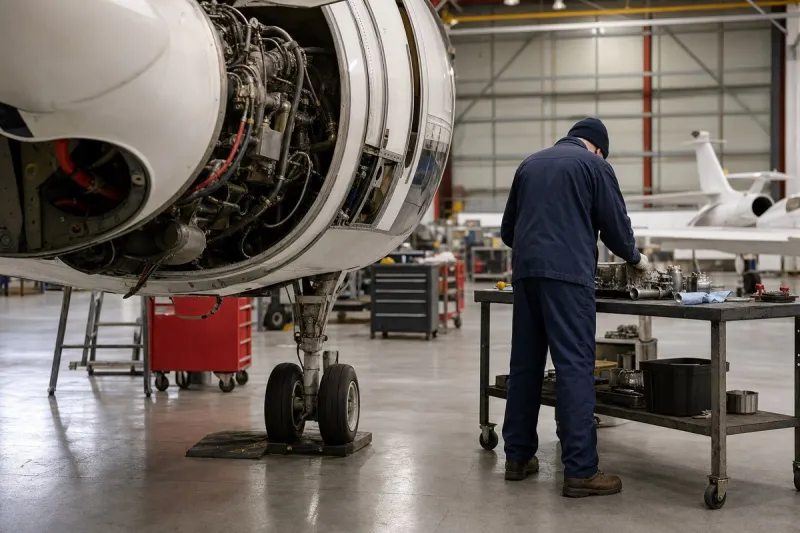
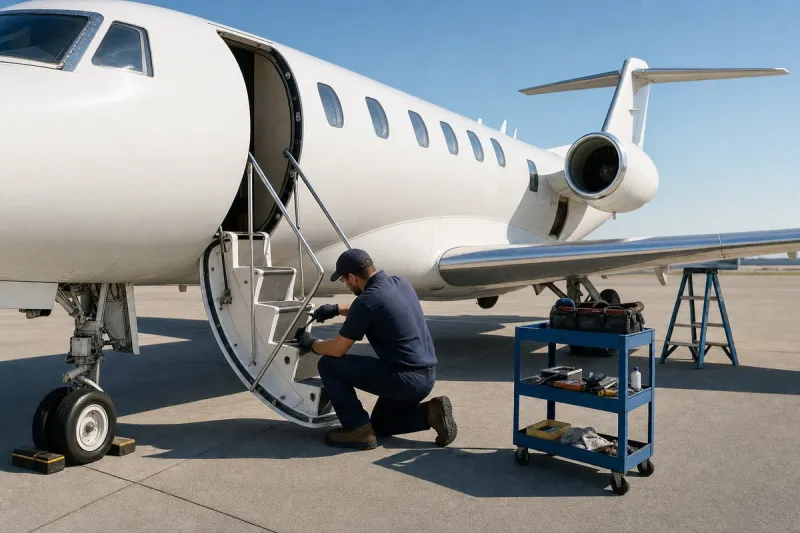
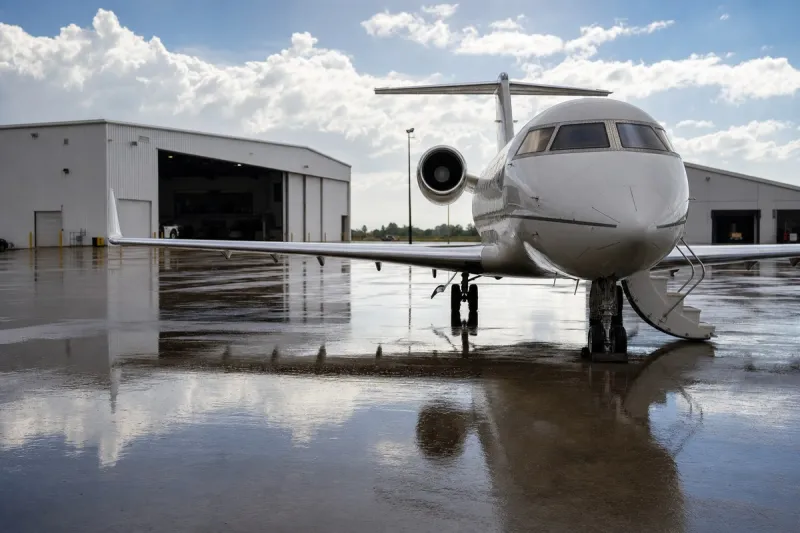
The curriculum prepares students for the EASA Part-66 Basic Licence, offering specialised pathways in Category B1.1, covering mechanical systems and turbine engines, and Category B2, focusing on avionics. Training is delivered full-time in English and combines classroom instruction with hands-on experience inside AMAC Aerospace's active operational environment, giving students access to aircraft, components, workshops, and experienced aviation professionals.
Graduates will receive a Certificate of Recognition to support their application for an EASA Aircraft Maintenance Licence (AML) with reduced practical experience requirements. Students completing the EASA Part-147 programme will be eligible to apply for the EASA Part-66 licence after four years, one year earlier than the standard five-year path. Ruedi Kurz, Director of AMAC Academy, Training, said: "Our training programmes are designed to fully meet all EASA Part-147 requirements and equip students and professionals with the knowledge, skills, and practical experience needed to succeed in today's aviation industry."
Industry impact & what to watch
Establishing an in-house Part-147 school inside an operating MRO facility fits into a broader move by maintenance providers to control their own technician supply rather than compete for graduates of external institutions. Embedding classroom work directly alongside live aircraft, components and workshops gives students exposure that a standalone school cannot easily replicate, and the reduced path to a Part-66 licence gives the programme a concrete recruiting argument against competing routes into the trade.
Part-147 training pipelines matter for the wider maintenance segment because licensed technician availability is a persistent constraint on MRO capacity across Europe, and a facility that trains its own workforce reduces its exposure to that external labor market. Whether this model scales beyond a single cohort will depend on how many students enroll for the January 2027 start and how many convert the Certificate of Recognition into an actual EASA AML.
The next marker to watch is the size and composition of that first intake, and whether AMAC Aerospace expands the B1.1 and B2 pathways or adds further categories once the initial group progresses toward licensing.