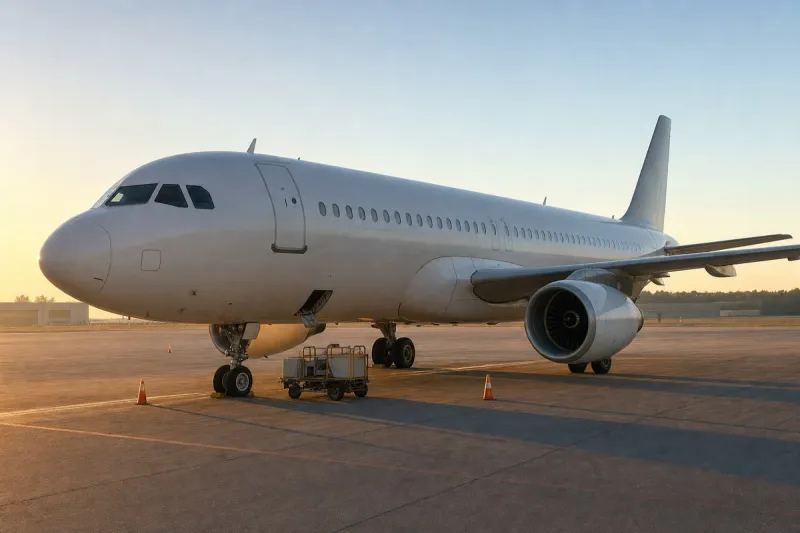
Private Aviation in Wine Country: Key Airfield and Operational Facts for Napa, Bordeaux, and Tuscany
Why It MattersRunway length and seasonal density altitude push heavy-jet traffic toward secondary fields like Pisa or Oakland, making alternate-airport planning routine rather than exceptional for wine-country trips.
What happened
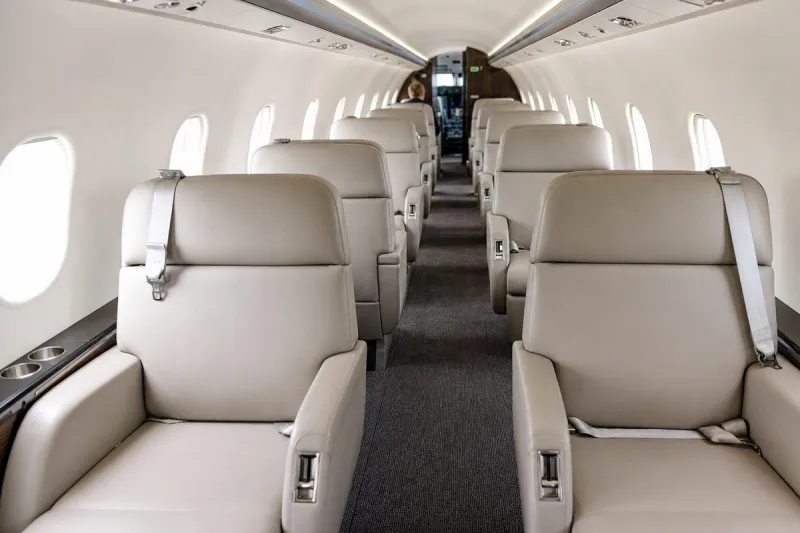
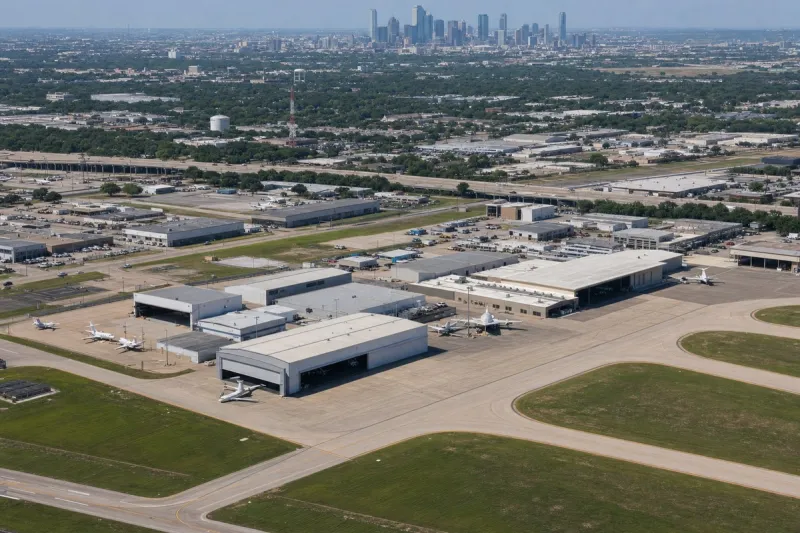
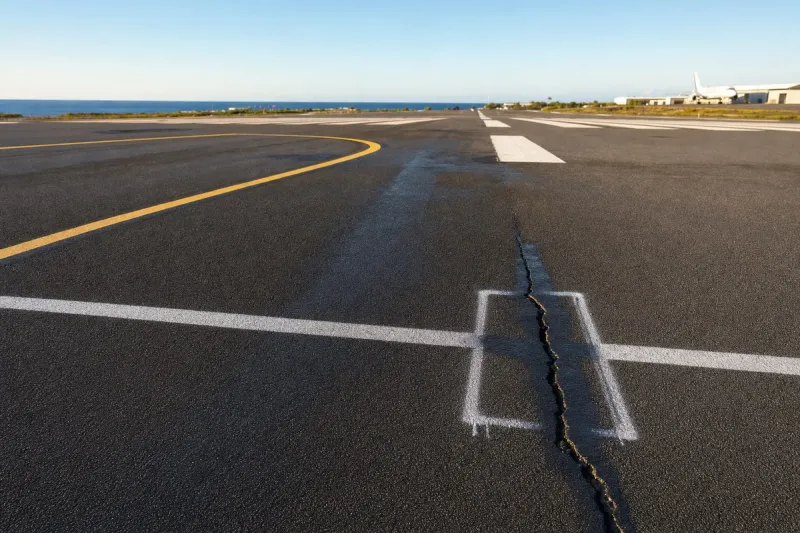
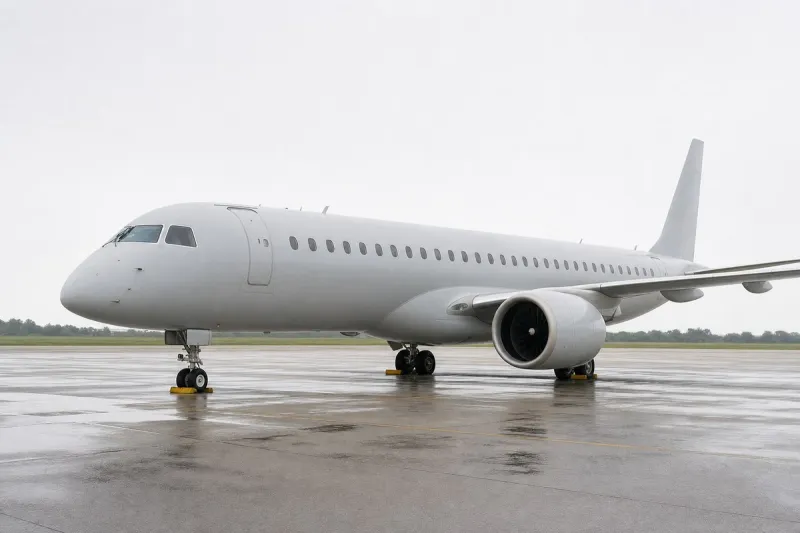
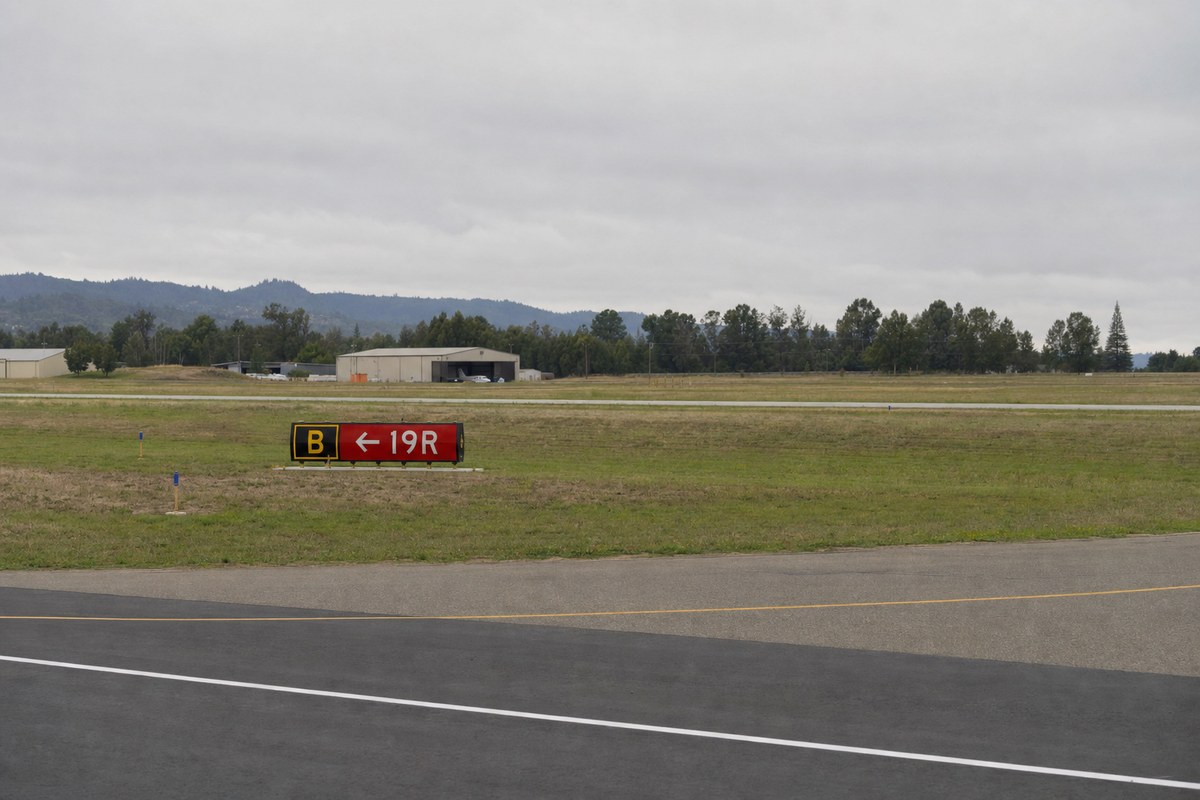
Private jet travelers heading to Napa Valley, Bordeaux, and Tuscany encounter distinct airfield constraints at each destination. Napa County Airport (APC), just south of the city of Napa, has a main runway (1L/19R) measuring 5,998 feet, which accommodates super-midsize jets such as the Citation Latitude or Challenger 350 but restricts heavier transcontinental aircraft flying with a full passenger load and fuel. Travelers flying from Miami or New York aboard large-cabin jets may need a technical fuel stop or an alternative arrival point, with Charles M. Schulz-Sonoma County Airport (STS) in Santa Rosa or a heavy-jet landing at Oakland cited as common alternatives.
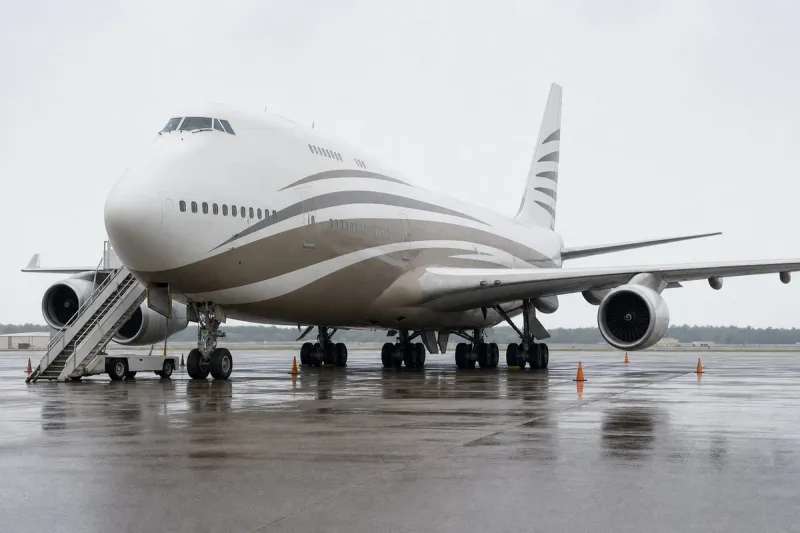
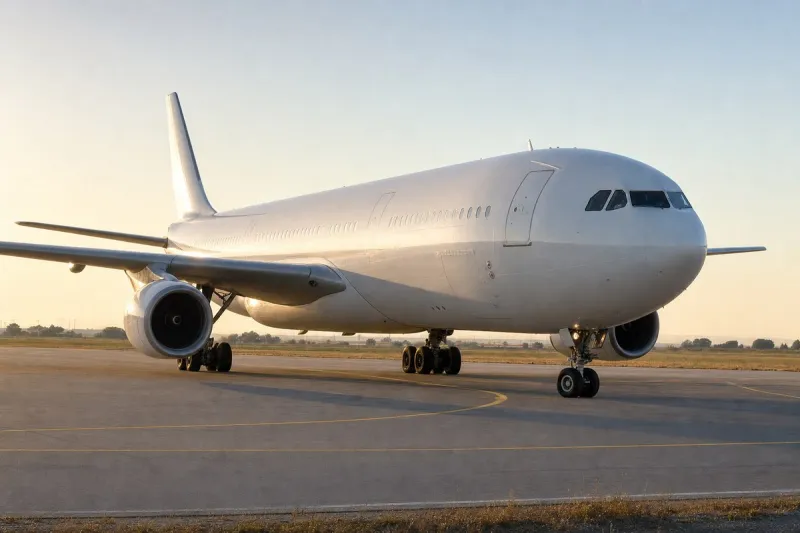
Bordeaux-Mérignac Airport (BOD) has a primary runway exceeding 10,000 feet, accommodating long-range and ultra-long-range aircraft such as the Gulfstream G650 or Bombardier Global 6000 on nonstop transatlantic flights from Teterboro or Palm Beach in approximately seven hours. Left Bank estates along the Médoc—Margaux, Saint-Julien, and Pauillac—flank the Gironde estuary, while Right Bank estates such as those in Pomerol lie roughly an hour to the east, requiring coordinated ground transport.
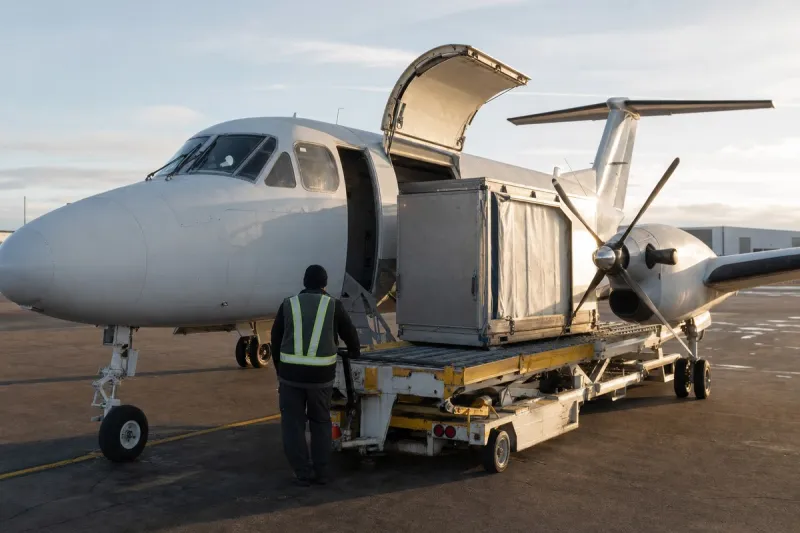
Florence Peretola Airport (FLR) has a runway of only 5,118 feet and sits near the foothills of Monte Morello. In July and August, afternoon temperatures regularly exceed 95°F (35°C), producing high-density-altitude conditions that reduce wing lift and engine performance and impose weight restrictions on departing heavy jets. Flight planners route heavier aircraft to Pisa International Airport (PSA), which sits at sea level with a 9,800-foot runway unaffected by summer heat penalties. Separately, on light jets and older turboprops, external cargo bays are not pressurized or heated; at cruise altitudes around 41,000 feet these compartments can reach temperatures well below freezing, risking cork displacement and liquid expansion in transported wine. Flight coordinators recommend confirming that an assigned aircraft has a heated, pressurized cargo compartment before transporting cellar acquisitions, or securing wine cases inside the climate-controlled passenger cabin.
Industry impact & what to watch
These three destinations illustrate a broader pattern in wine-country and leisure-market private aviation: runway length and local climate, not just aircraft range, often determine which jet can actually complete a trip as planned. A Gulfstream G650 capable of a nonstop transatlantic crossing into Bordeaux may still be unable to depart Florence at full weight during a hot summer afternoon, or land at Napa without a fuel stop beforehand.
This is how the segment actually operates: flight departments and charter brokers routinely pair a primary destination airport with a secondary one suited to heavier aircraft or adverse conditions, shifting passengers or cargo by ground transport the final leg. Pisa's role relative to Florence, and Oakland's or Sonoma County's relative to Napa, both reflect this substitution pattern rather than any change in aircraft technology.
The cargo-hold temperature issue for wine transport adds a further planning variable distinct from runway or weight limits, since it depends on which specific aircraft is assigned rather than the destination airport. Confirming cargo-compartment specifications before departure, alongside runway and weight planning, will remain a recurring checklist item for operators serving these wine regions.