StandardAero Opens 70,000 Sq Ft Expansion at Winnipeg MRO Facility
Why It MattersConcentrating CF34 and CFM56 overhaul capacity across two North American sites shows how engine MRO providers scale by adding depth at existing hubs rather than dispersing new locations.
What happened
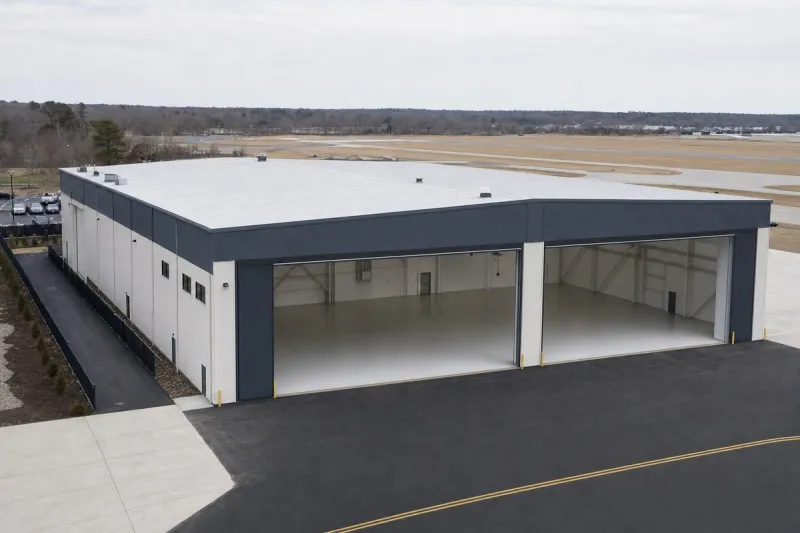
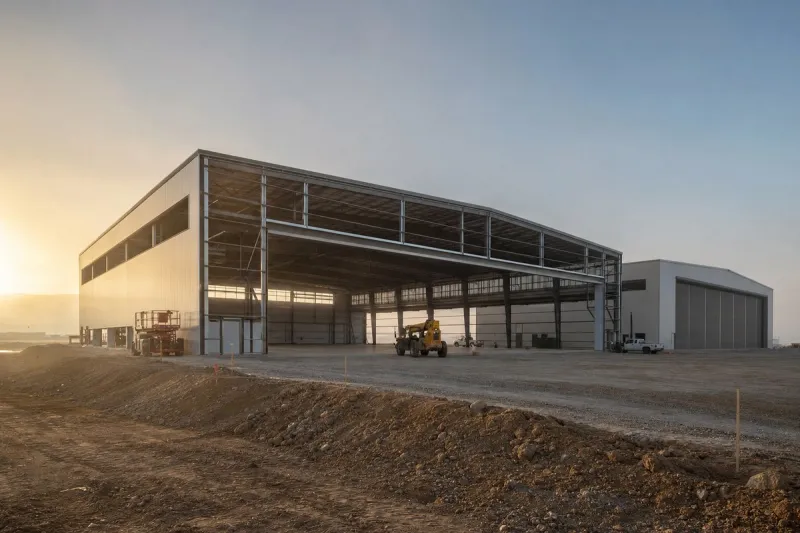
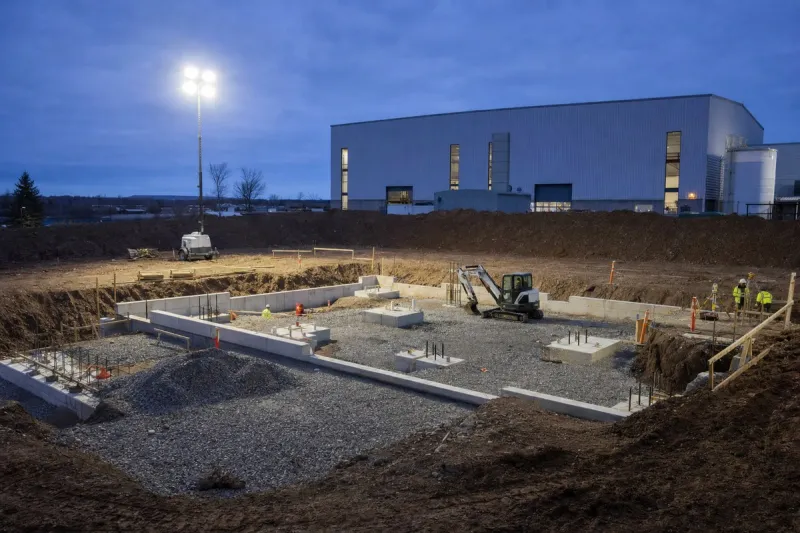
StandardAero (NYSE: SARO) celebrated the grand opening of a 70,000-square-foot expansion at one of its facilities in Winnipeg, Manitoba, Canada, on September 3, 2026, increasing capacity to serve airline and military aircraft operators in North America and globally.
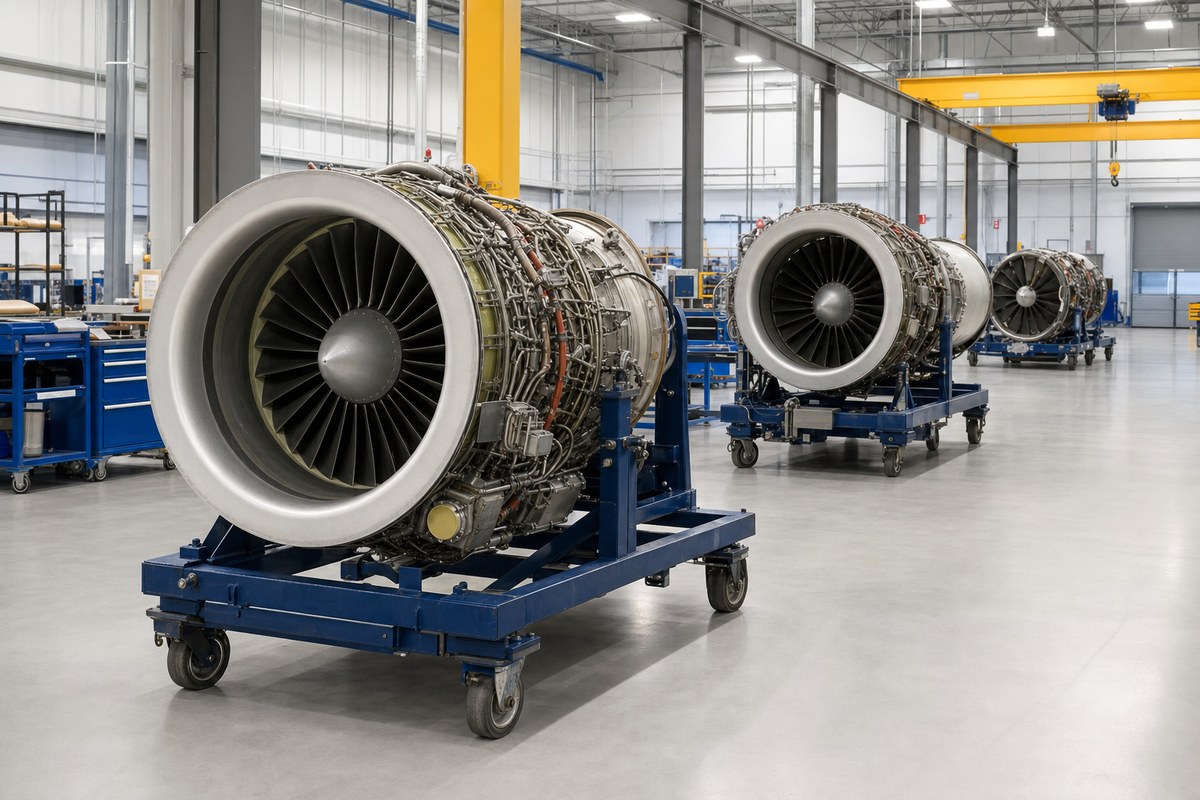
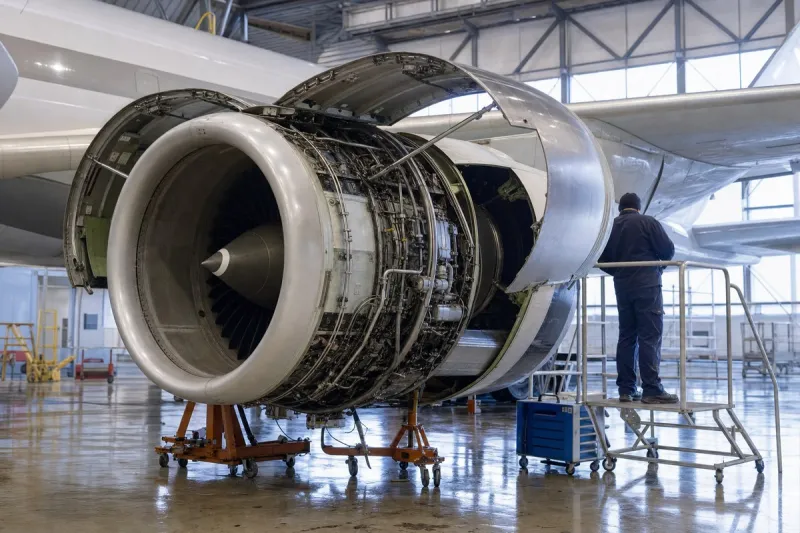
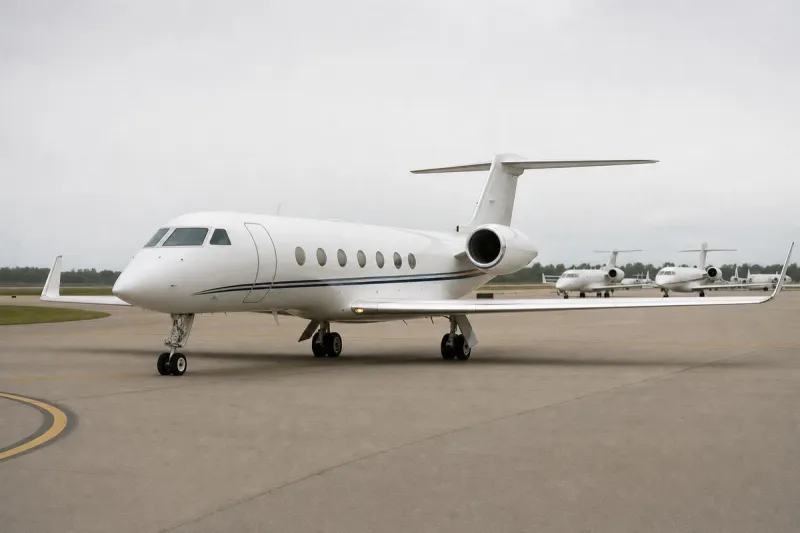
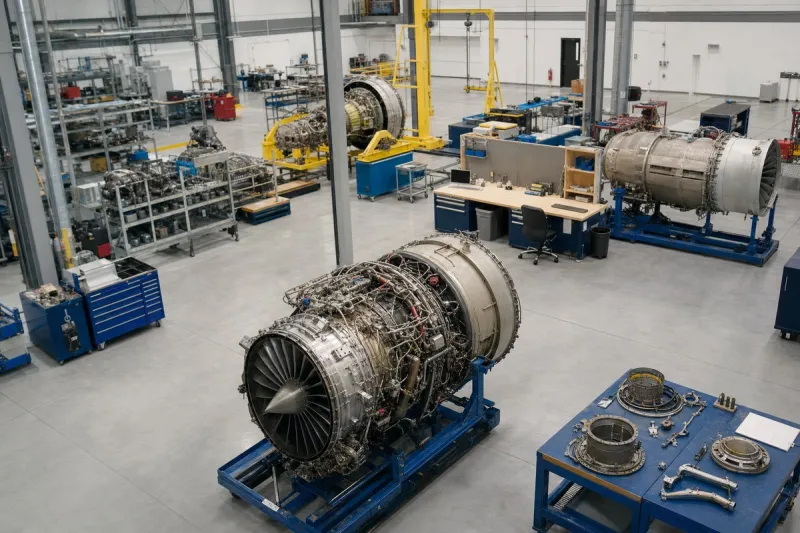
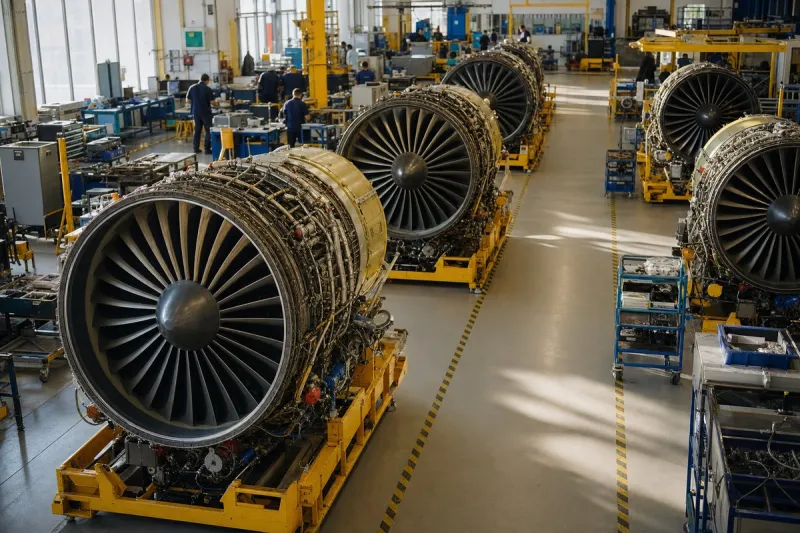
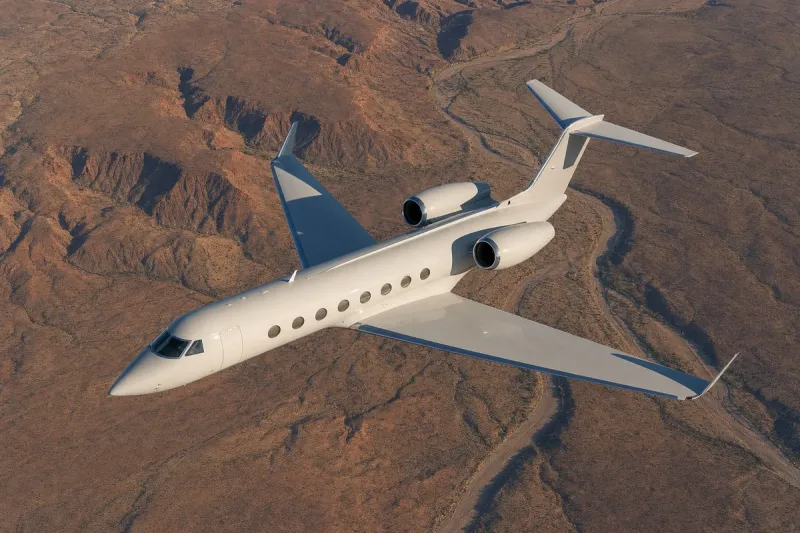
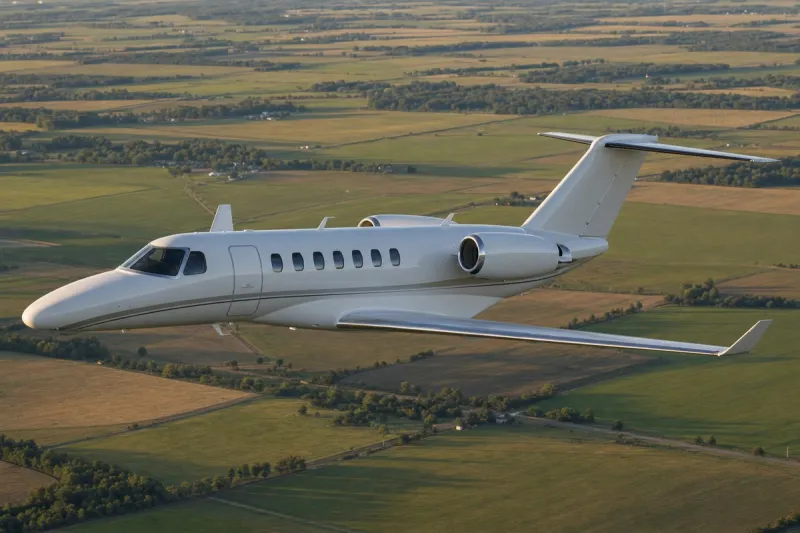
The expanded facility provides full MRO support for the GE Aerospace CF34-3 and CF34-8 turbofan engines and the CFM International CFM56 turbofan engine family. The CF34-8 powers regional aircraft including the Embraer E170/E175 and MHIRJ CRJ700/CRJ900, while the CF34-3 equips the CRJ200 regional jet and the Bombardier Challenger 600/850 business jet family. The CFM56 powers the Boeing 737 NG and Airbus A320ceo, as well as military variants including the P-8A Poseidon maritime patrol aircraft. CFM56 engine overhaul and test capabilities are now supported from two North American locations: Winnipeg and DFW International Airport, Texas.
StandardAero has held a GE-Branded Service Agreement (GBSA) for the CF34-3 and CF34-8 since 2001, and a CFM International General Support License Agreement (GSLA) for the CFM56-5B and CFM56-7B since 2009. The company currently employs 1,500 workers across eight facilities in Winnipeg and has maintained a presence in the city for 115 years. Russell Ford, Chairman and CEO of StandardAero, said opening the facility in the city where the company was founded underscores its roots in Winnipeg and confidence in the future, and that increasing capacity to support CF34 and CFM56 operators reinforces Winnipeg's role as a hub within the company's global network. Peter Wheatley, Vice President and General Manager – CF34/CFM56 at StandardAero, said the expansion was driven by growing demand for high-quality CF34 and CFM56 support. The company also offers CF34 authorized line service maintenance from Augusta, Georgia, engine health monitoring data analysis from Gonesse, France, and component repairs at various global locations.
Industry impact & what to watch
Adding floor space to an established site rather than opening a new one is a common growth path in engine MRO, where long-standing license agreements and trained labor pools already anchor the work. StandardAero's decades-old GBSA and GSLA agreements with GE Aerospace and CFM International meant the Winnipeg expansion could plug directly into existing authorizations rather than requiring new qualification processes.
This segment runs on engine population and license scope: an MRO provider's throughput is bounded by how many authorized engine families it can service and how many bays and test cells it operates across its network. Splitting CFM56 overhaul and test work between Winnipeg and DFW International Airport spreads that capacity across two sites, which can matter for scheduling flexibility as operators of the Boeing 737 NG, Airbus A320ceo and P-8A seek shop slots.
What happens next will show up in how quickly the added capacity translates into shorter turnaround times or new customer commitments for CF34 and CFM56 operators, and whether StandardAero adds further license scope or locations as CF34- and CFM56-powered fleets continue flying.