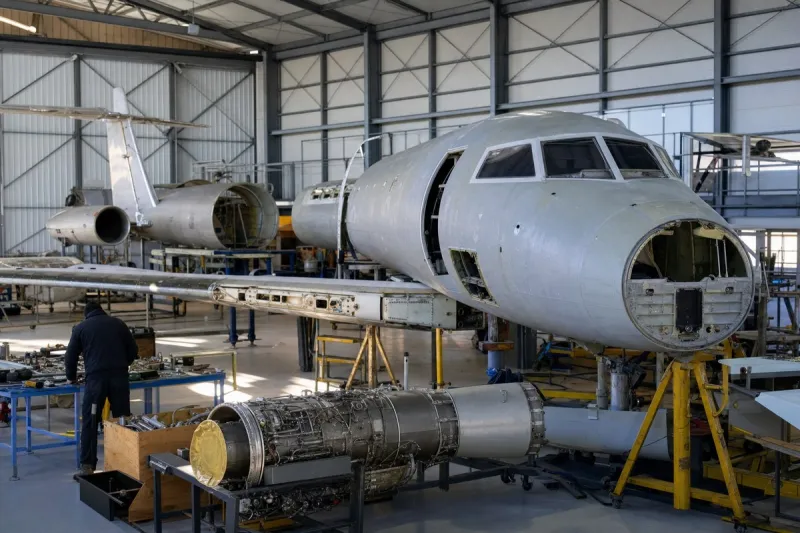
Embraer's Four Divisions Gain Momentum After COVID Years and Failed Boeing Joint Venture
Why It MattersShared engine platforms can create divergent airframe outcomes when reliability problems emerge, letting a lagging aircraft program regain competitive ground purely through operational durability rather than new sales incentives.
What happened
Embraer has refocused on driving sales, deliveries, and efficiency across its four divisions — Commercial Aircraft, Executive Jets, Defense, and Services — following the COVID-19 pandemic and the collapse of its joint venture with Boeing.
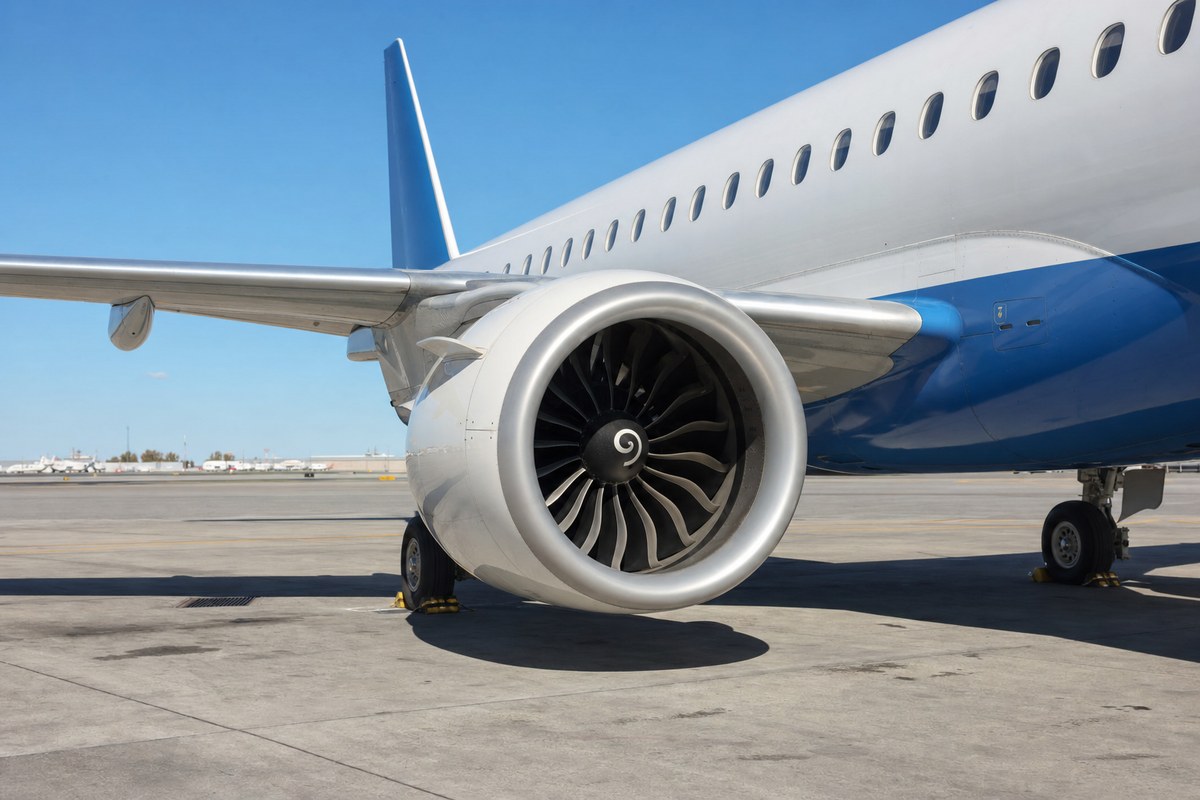
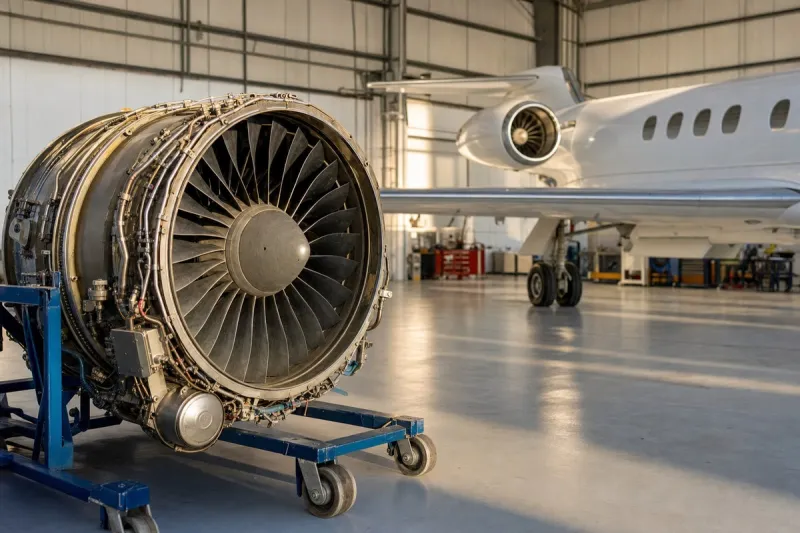
In the post-pandemic commercial aviation market, the E-Jet E2 family posted acceptable but not strong sales, lagging behind the Airbus A220 in the longer-range regional segment. The A220 and E2 share the same Pratt & Whitney PW1500/1900 geared turbofan (GTF) engine family, and when the GTF developed significant reliability problems, the E2's lighter airframe proved less damaging to the engines. Fewer E2s were grounded awaiting engine repairs than A220s, and airlines took notice; orders for the largest E2 variant, the E195, subsequently began to pick up significantly.
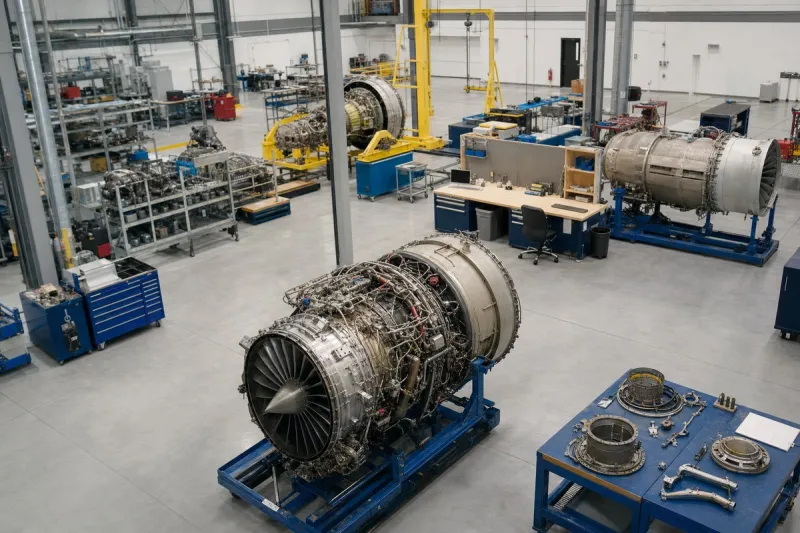
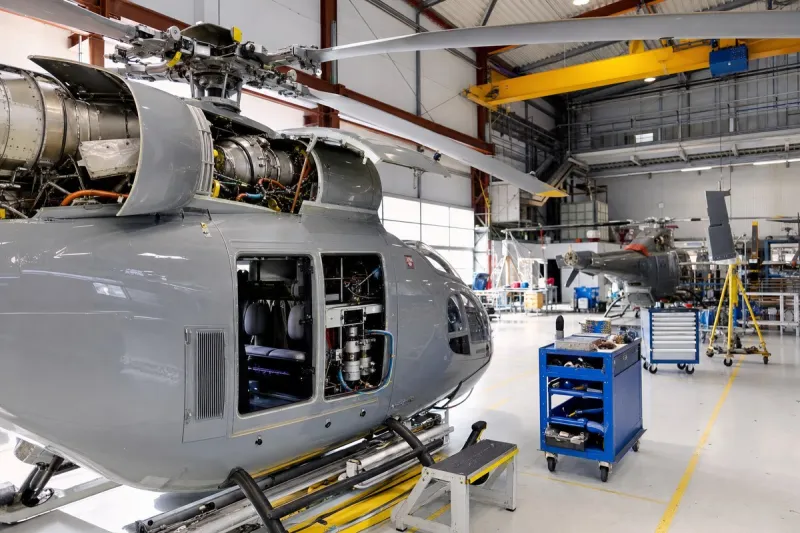
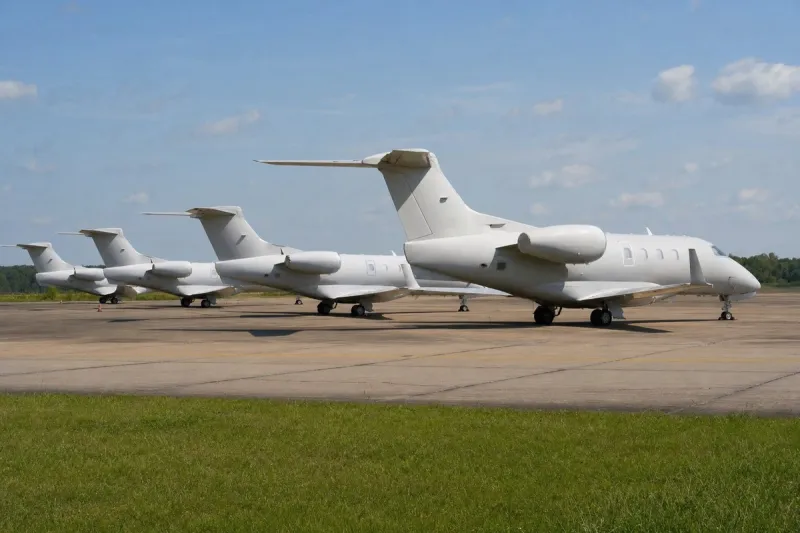
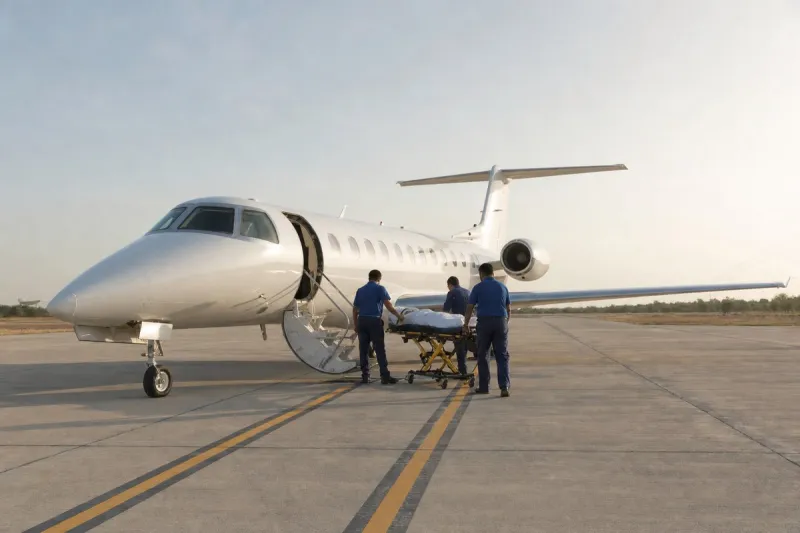
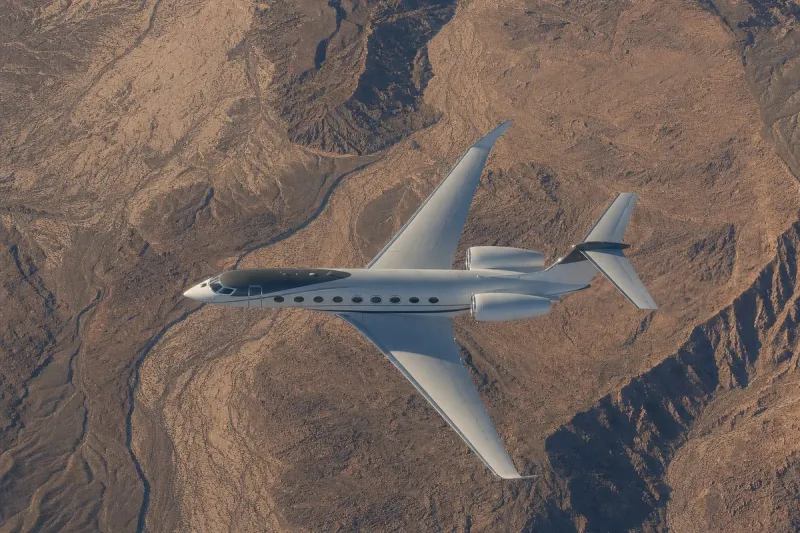
The Executive Jets division performed strongly through and after COVID, as companies and high-net-worth individuals increased their use of private aviation, becoming the best performer in its segment and continuing to grow. The Defense division expanded as well, with the KC-390 military transport securing a succession of country-level orders after a slow start, positioning it as a replacement for the Lockheed C-130 Hercules. As the three operating divisions grew, the Services division expanded in parallel and delivered strong profit margins.
Industry impact & what to watch
This case shows how a shared engine program can produce opposite fleet outcomes for two competing airframes: the same GTF reliability problems that grounded aircraft on one platform did comparatively less damage on the other, and operators responded to that difference in dispatch reliability rather than to list specifications. In the regional jet segment, where airlines run tight schedules with thin spare capacity, an engine issue that keeps aircraft flying becomes a competitive advantage even for a program that was previously trailing on sales.
The pattern across Embraer's four divisions also illustrates how a manufacturer's portfolio can rebalance after a shock: a stalled joint venture and a pandemic left Commercial Aircraft as the weaker performer while Executive Jets, Defense, and Services each grew on their own separate demand drivers — private aviation demand, government replacement cycles for aging transports, and aftermarket support work. A parts and services arm growing alongside expanding fleets is a recurring feature of how aircraft OEMs generate margin once aircraft are in service.
What remains to be seen is whether the E195's order pickup continues once the GTF reliability issues are resolved industry-wide, and whether the KC-390's run of country-level orders continues to displace C-130 operators at the rate seen so far.