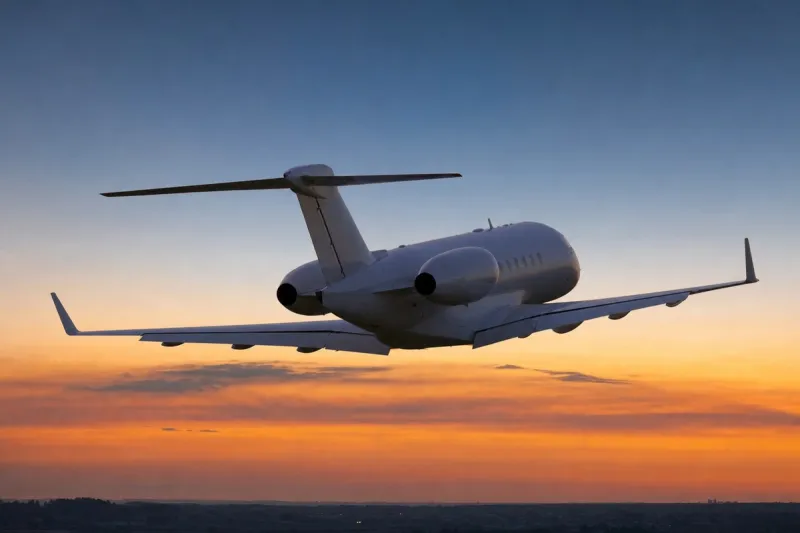
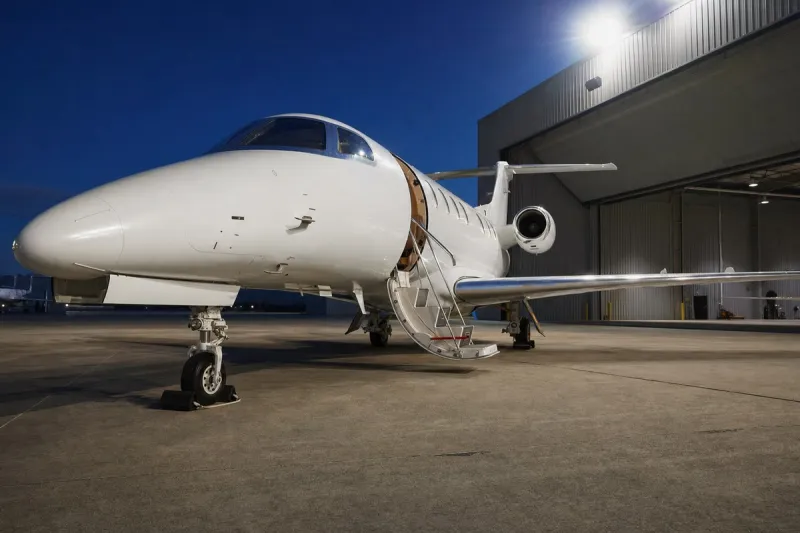
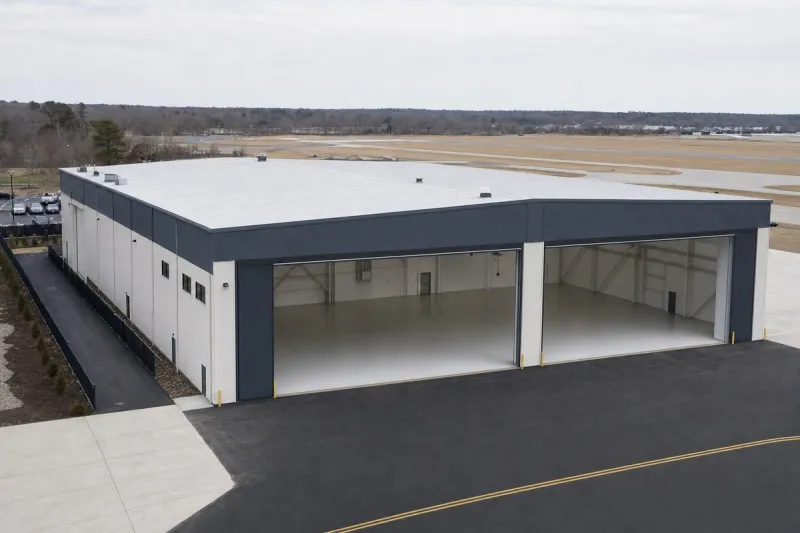
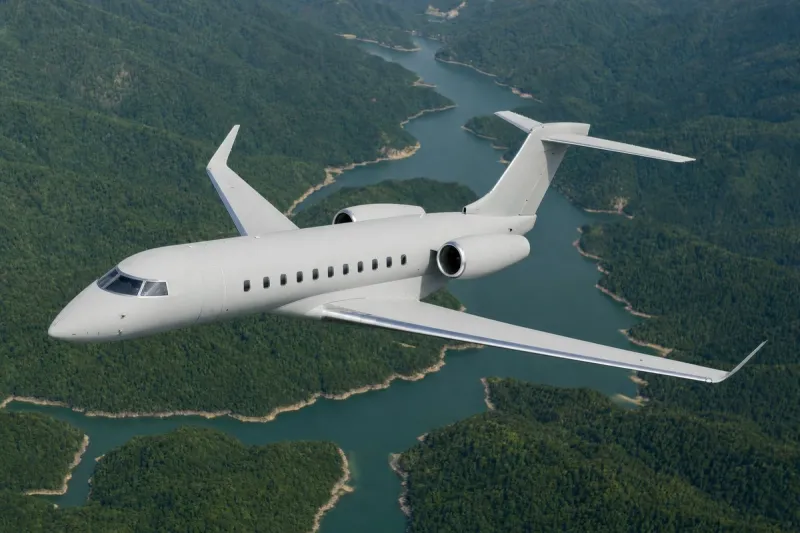
Dallas-Based JSX Marks Ten Years of Operations, Eyes Fleet Growth and Route Expansion
Why It MattersThe dispute shows how public-charter operators can scale scheduled service under Part 135 rules while incumbent airlines contest whether that structure fairly sidesteps Part 121 pilot and licensing standards.
What happened
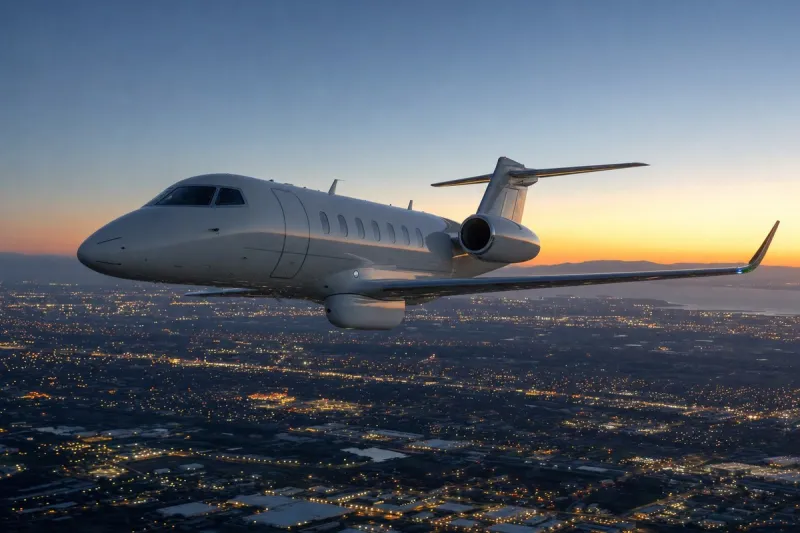
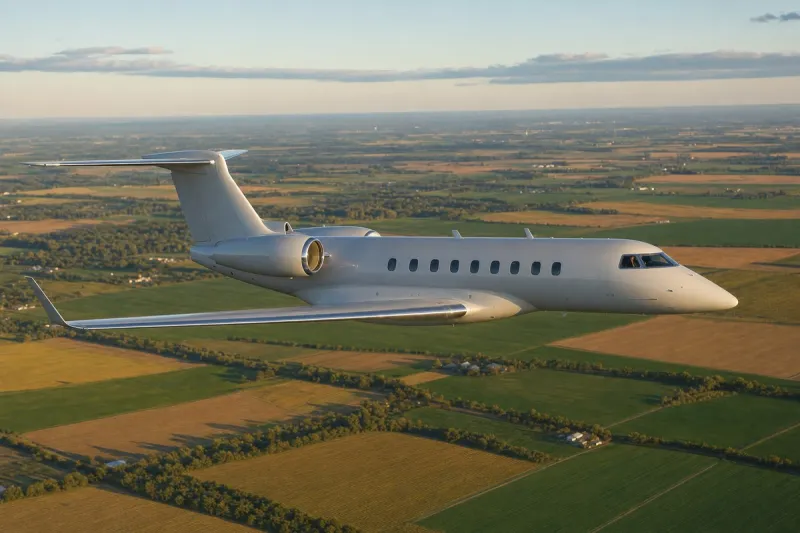
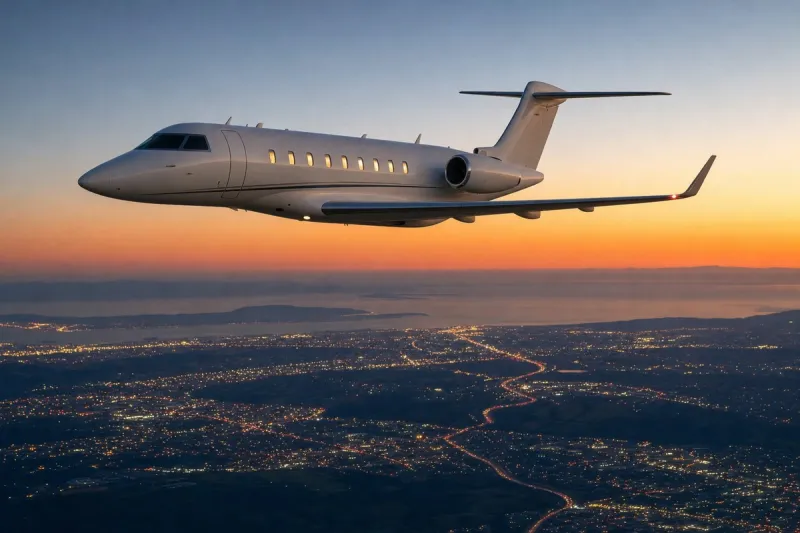
Dallas-based public charter carrier JSX is marking ten years of operations, with founder and CEO Alex Wilcox telling The Dallas Morning News in an interview at Dallas Love Field in July 2026 that the company is pressing ahead with plans to add aircraft and new destinations. Wilcox founded JSX a decade ago with a mission to make flying more enjoyable, and the carrier began flight operations in 2016 on a route between Concord, California — about 30 miles from San Francisco — and Burbank in Southern California.
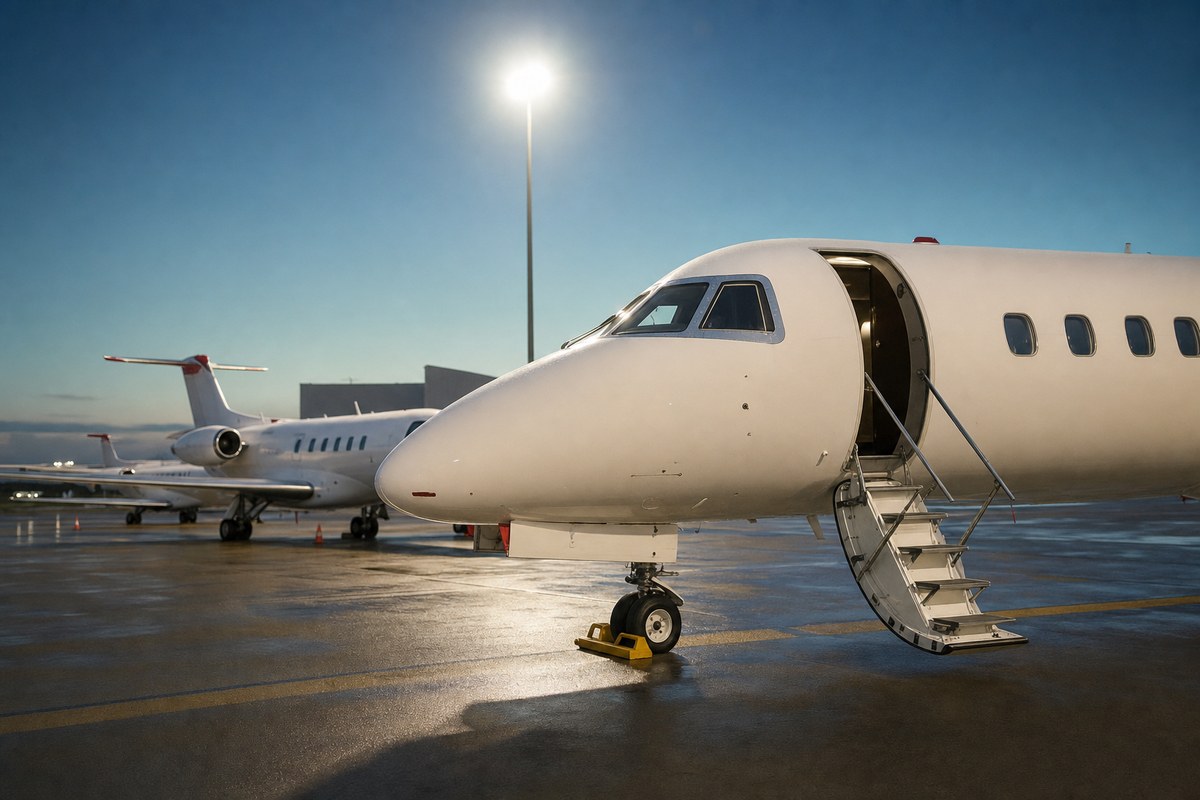
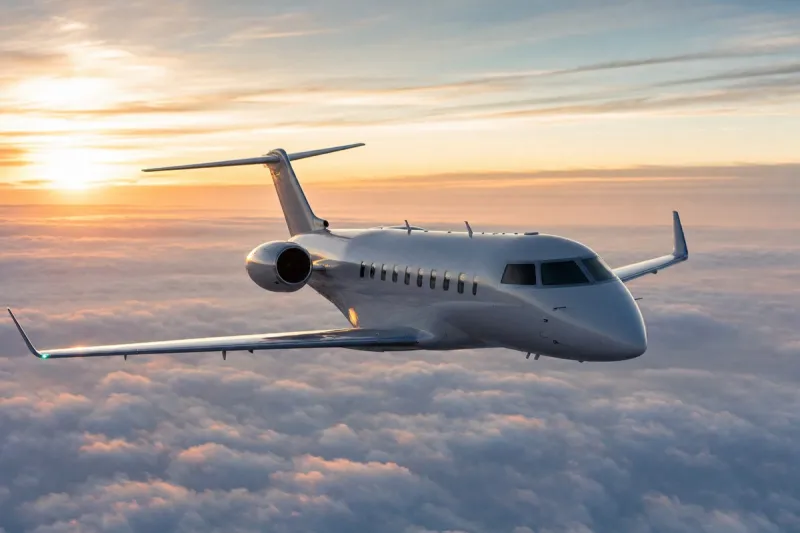
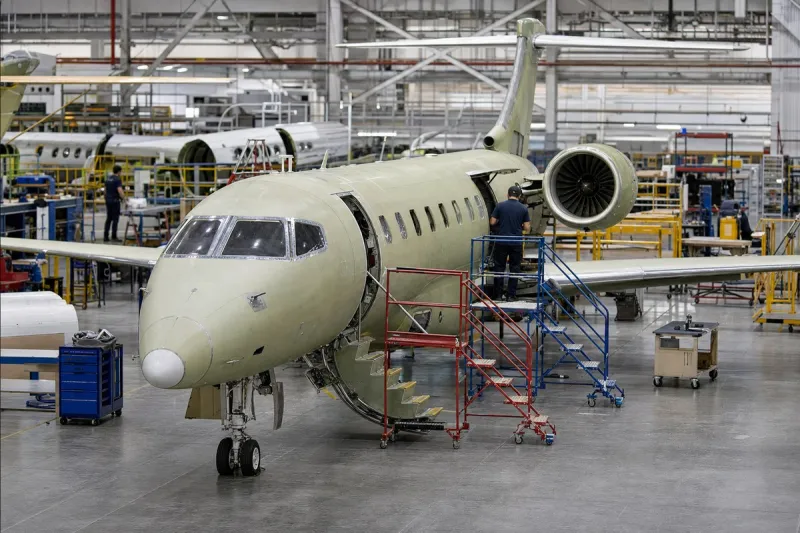
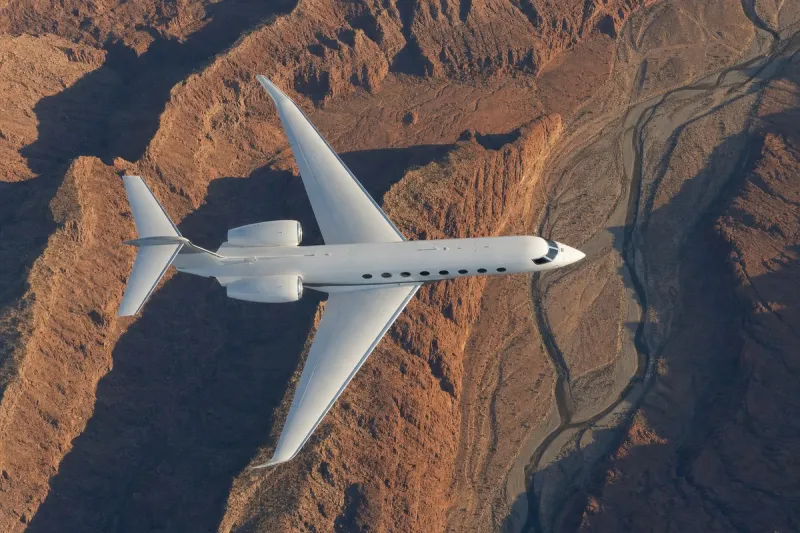
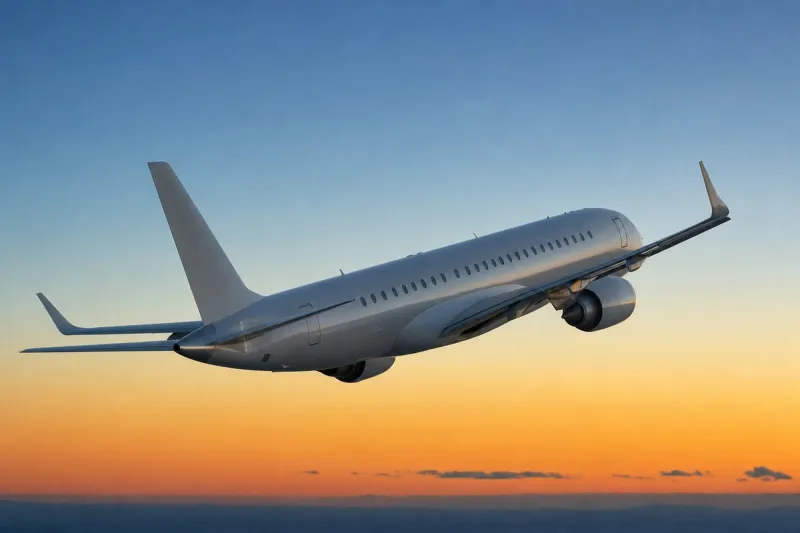
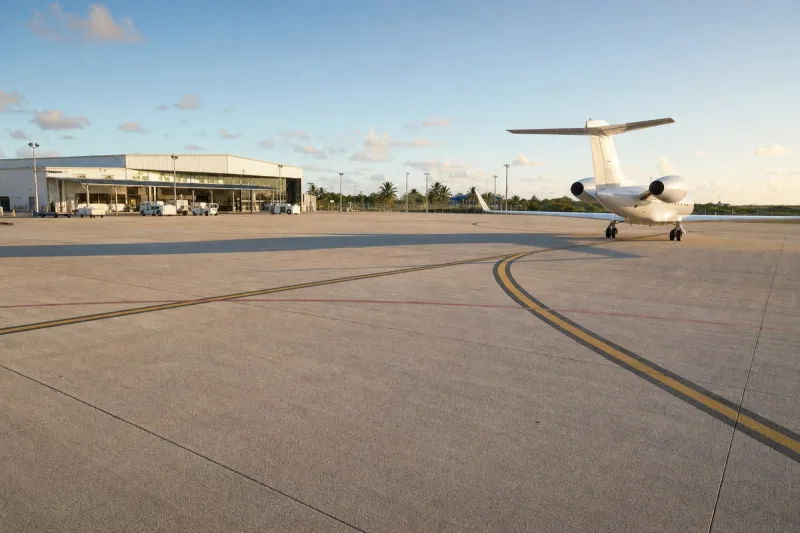
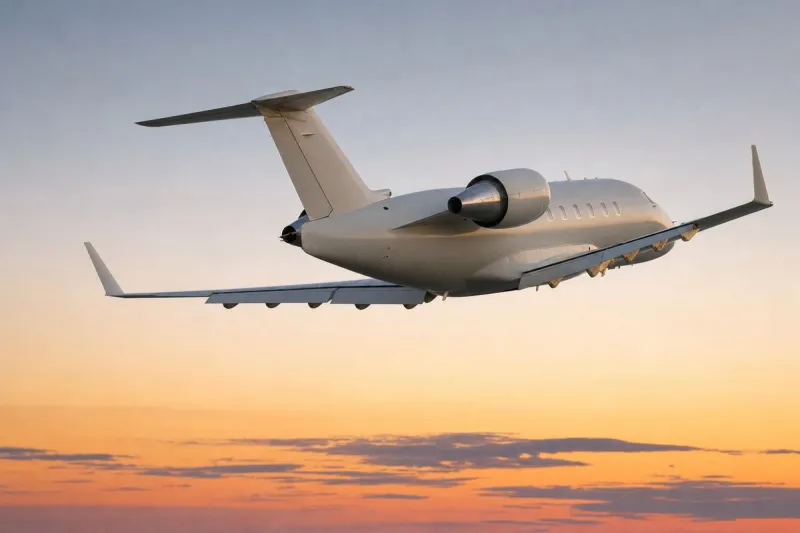
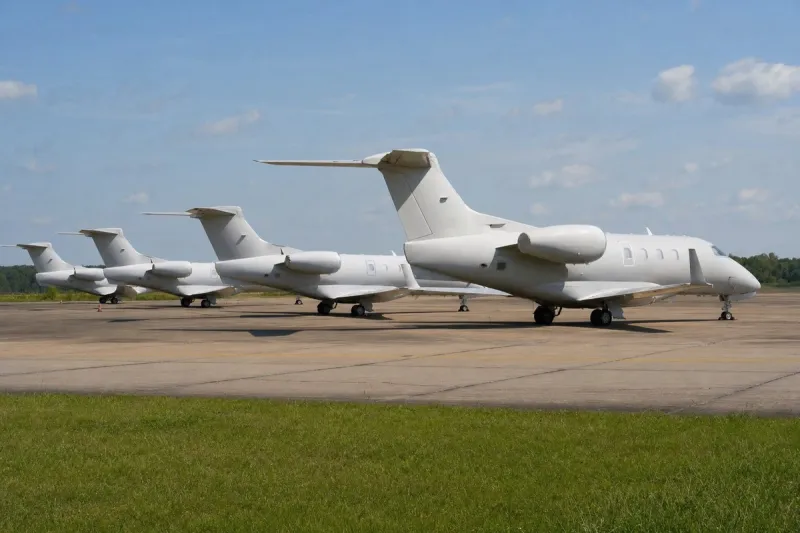
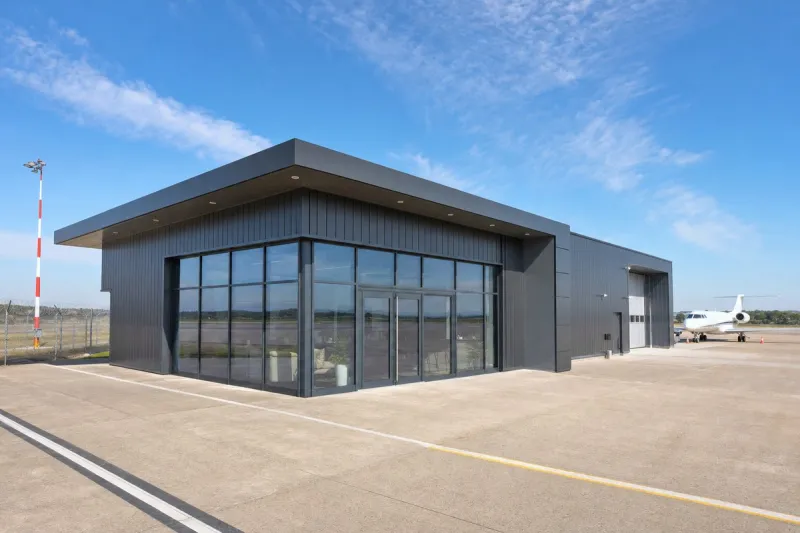
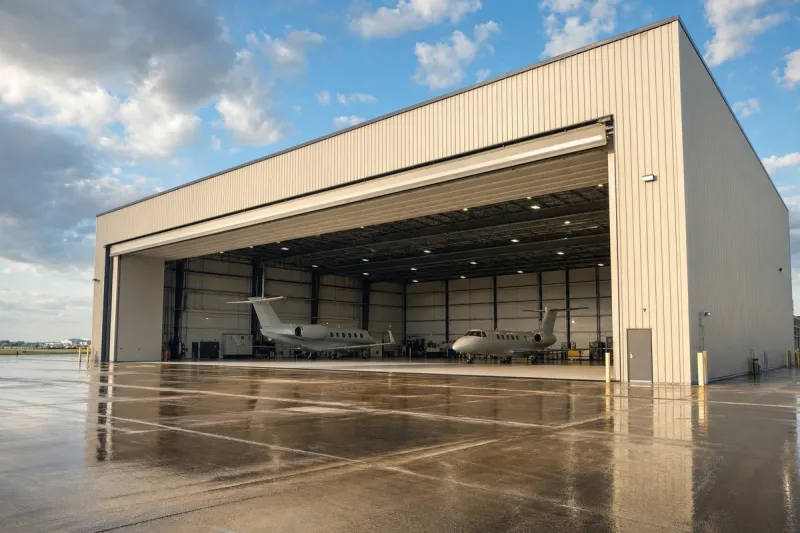
JSX operates under Part 135 of FAA regulations, which allows it to run scheduled public charter flights, and its Embraer regional jets have been retrofitted to carry 30 seats to comply with charter rules. The company is now more than halfway to a revenue target of $1 billion by 2028, and Wilcox said revenue grew 40% year-over-year in June. JSX currently serves about 29 markets, with at least a third of those destinations not served by commercial airlines; from Dallas alone it flies directly to 15 destinations, including Cabo San Lucas and Las Vegas. Passengers can check in at a dedicated hangar 20 minutes before a domestic flight or 45 minutes before an international one, with amenities including extra legroom, complimentary alcoholic and soft drinks, gourmet snacks, Starlink Wi-Fi, free checked bags, and a rewards program, Club JSX, that returns 5% of flight costs toward future bookings.
In 2023, American Airlines and Southwest Airlines, along with their pilot unions, challenged JSX's operating model, alleging it exploited a public charter "loophole" and that its pilots did not meet the 1,500-hour minimum flight-time requirement applied to Part 121 commercial carriers. American Airlines also sought clarification from the Department of Transportation, and the FAA confirmed it is still reviewing the matter and analyzing its next steps. Wilcox called the opposition disproportionate, noting JSX carries only 4,000 to 5,000 passengers on its busiest days, fewer than American or Southwest move in their first ten minutes of daily operations, and pointed out that American itself sells tickets on British Airways flights operated by pilots who do not face the same 1,500-hour requirement. JSX has secured investment from JetBlue, United Airlines and Qatar Airways, and United and JetBlue have agreements allowing their prospective pilots to train on JSX aircraft before joining those airlines.
Wilcox's path to JSX
Wilcox's aviation career began in 1992 as an intern in the public relations department at Dallas-based Southwest Airlines, where he worked alongside co-founder Herb Kelleher. He later worked for Richard Branson at Virgin Atlantic, became the first employee at JetBlue Airways under David Neeleman, and served as an executive at Indian carrier Kingfisher Airlines before returning to the United States to found JSX. Looking ahead, Wilcox said JSX intends to expand into airports across the country not currently served by commercial airlines, noting that of roughly 5,000 publicly funded U.S. airports, only about 500 have commercial airline service.
Industry impact & what to watch
JSX's decade of growth illustrates how a public charter structure under Part 135 can be used to build scheduled, brand-like service without the certification path that commercial carriers under Part 121 must follow. That structural gap is precisely what American and Southwest, along with their pilot unions, are contesting, since it lets JSX staff aircraft without the 1,500-hour minimum applied to Part 121 pilots while still selling tickets on a fixed public schedule.
The segment's economics depend on that regulatory distinction holding: JSX's ability to retrofit regional jets to 30 seats, serve underused general-aviation airports, and price a premium experience against legacy carriers all rest on staying inside Part 135's charter definition. Investment from JetBlue, United and Qatar Airways, plus pilot-training pipelines with United and JetBlue, shows established carriers hedging both ways — treating JSX as a competitive irritant and as a sourcing channel at once.
The FAA's ongoing review of the pilot-hour question is the milestone that would settle the dispute one way or the other, since any ruling against JSX's current classification would bear directly on its expansion into more of the roughly 4,500 U.S. airports without scheduled commercial service.