Apollo Funds acquires major stake in Atlantic Aviation at nearly $10 billion valuation
Why It MattersThe near-doubling of Atlantic's valuation in five years shows how consolidation and airport-access scarcity have turned FBO networks into premium infrastructure assets for private capital.
What happened
Apollo Funds has acquired a major stake in Atlantic Aviation from private equity firm KKR, in a deal announced on August 31, 2026 that values the fixed-base operator network at nearly $10 billion. KKR will retain a substantial shareholding in Atlantic following the transaction, and financial terms of Apollo's investment were not disclosed.

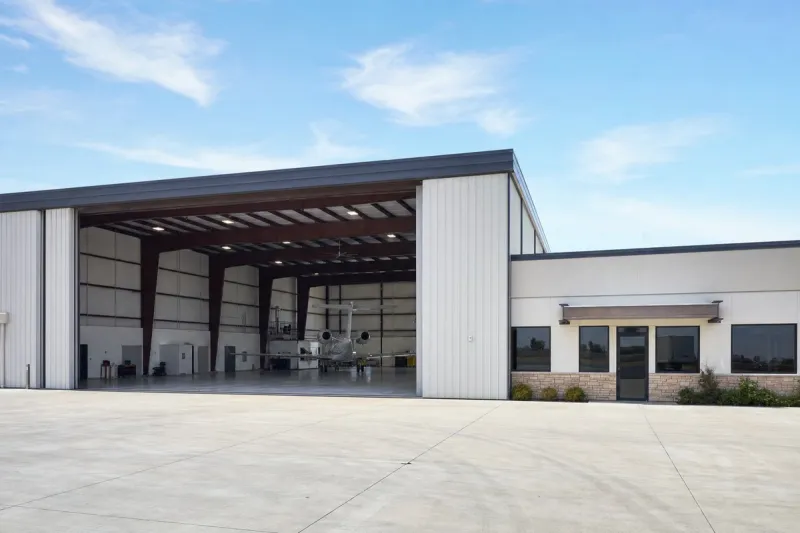
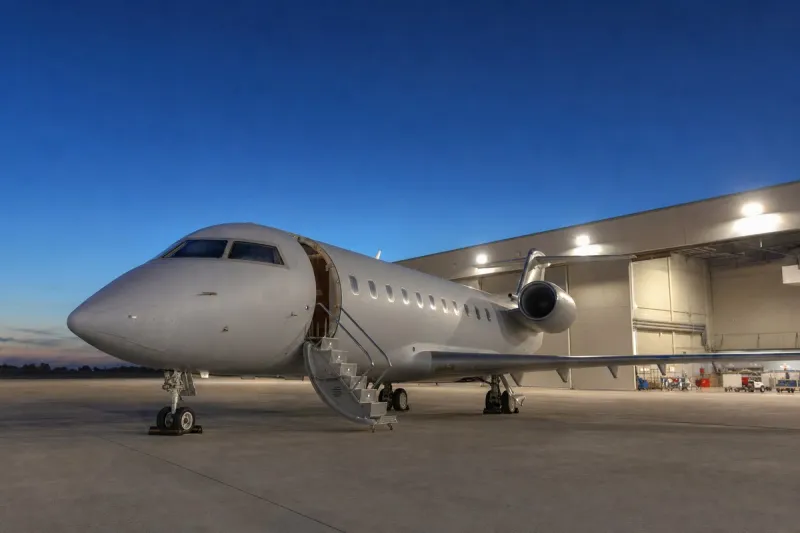
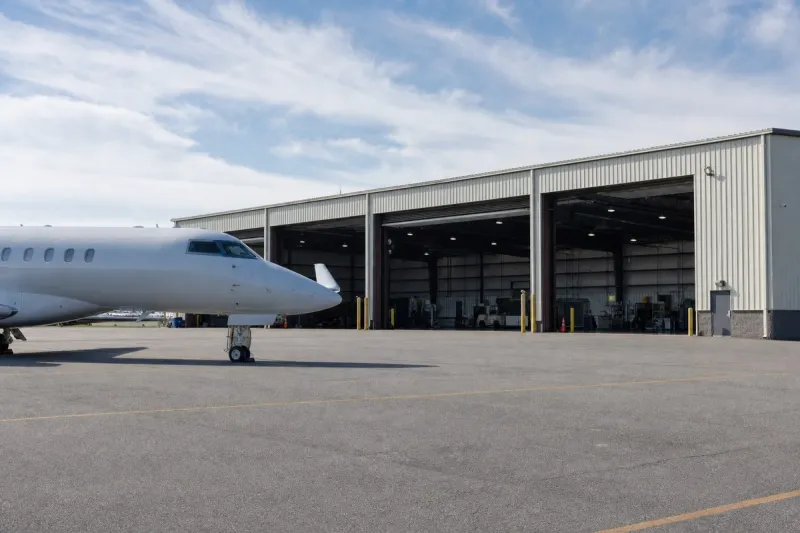
The deal comes five years after KKR purchased Atlantic Aviation from Macquarie Infrastructure for nearly $4.5 billion in 2021, when Atlantic operated 69 FBO locations in the United States. The company has since grown to 105 locations, with more than 30 added through acquisitions, according to Apollo. Atlantic provides fuel, hangar space, aircraft handling and related services to business and private aircraft operators, and is one of two dominant FBO chains in the US business aviation ground-services market alongside Signature Aviation.
Apollo Partner David Cohen said Atlantic "has built an irreplaceable infrastructure footprint across the nation's busiest airports, underpinned by long-term concession agreements and a customer base that values reliability and service above all else." Cohen added that Apollo expects the current private aviation boom to continue and plans to work with Atlantic and KKR on additional investment and expansion. Among Atlantic's recent expansion projects, the company began work in August on a second FBO at Nashville International Airport (BNA). Atlantic CEO Jeff Foland will continue to lead the company following the transaction.
Industry impact & what to watch
This transaction sits alongside a wave of infrastructure capital moving into business aviation ground services, where scarce airport concessions function like toll roads rather than ordinary real estate. The valuation moving from roughly $4.5 billion to nearly $10 billion in five years shows how location count and concession durability, not just revenue, drive pricing in this segment.
FBO economics depend on long-term airport agreements that limit new entrants, which is why a network's growth from 69 to 105 locations through acquisition matters as much as organic build-out: each added site extends the moat rather than just adding throughput. With two chains, Atlantic and Signature Aviation, dominating the US market, further consolidation tends to concentrate pricing power and access at the busiest fields.
What comes next will hinge on how Apollo and KKR jointly fund the additional investment and expansion Cohen described, and whether that capital goes toward new concessions, further acquisitions, or projects like the second Nashville FBO already underway. The terms Apollo actually paid, still undisclosed, would clarify how aggressively private capital is now pricing this infrastructure.