Thrive Aviation Launches Fractional Ownership Program with Arulean Air Backing, to Feature HondaJet HA-420 and Bombardier Challenger 3500
Why It MattersThe tie-up shows fractional programs increasingly relying on manufacturer-backed capital to fund aircraft acquisition while operators retain the client and flight-operations relationship.
What happened
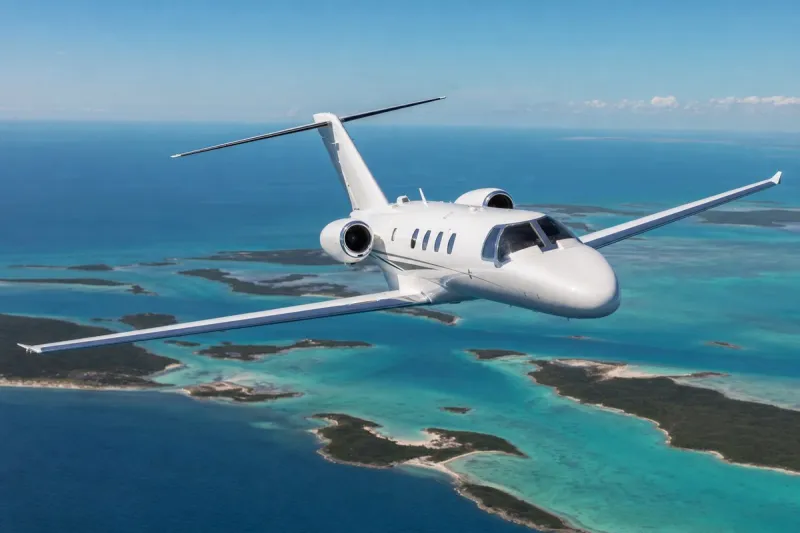
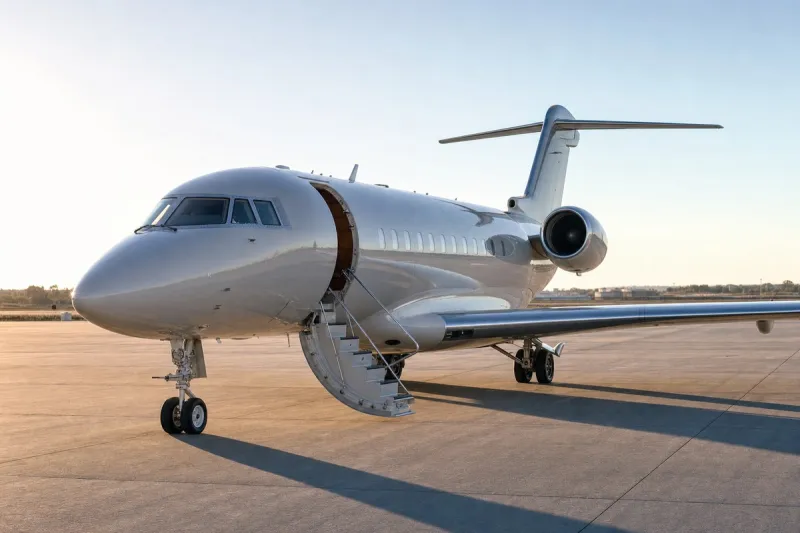
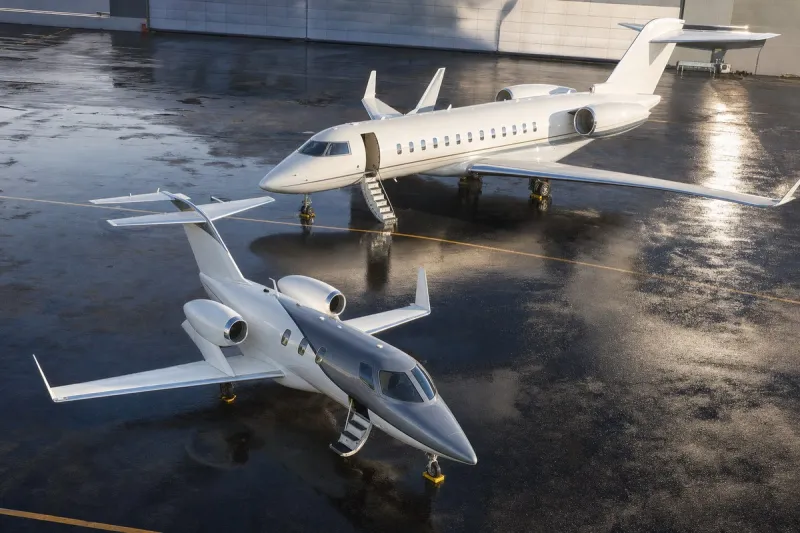
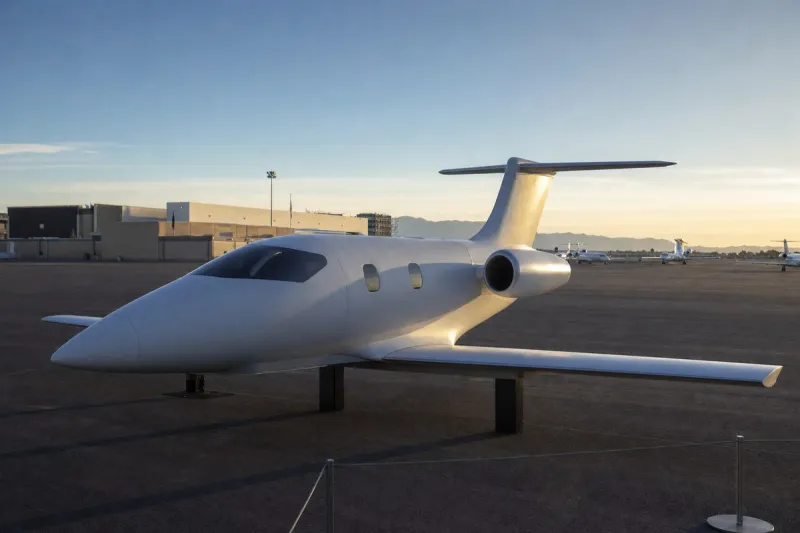
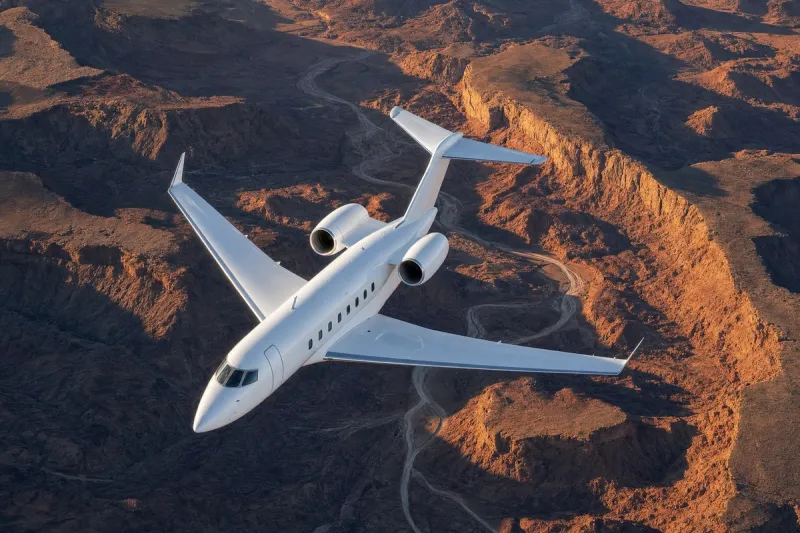
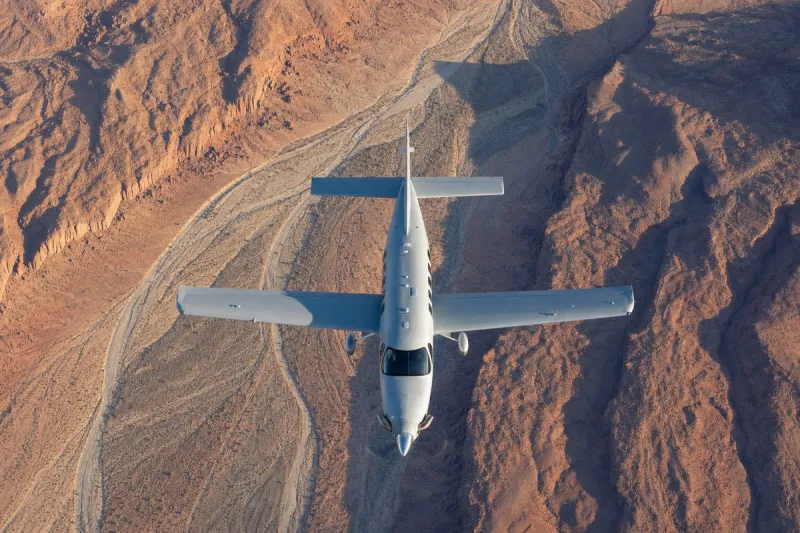
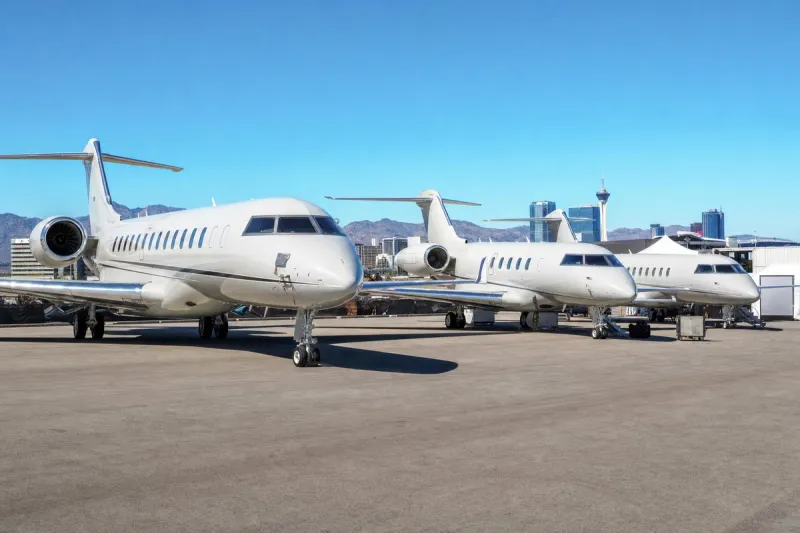
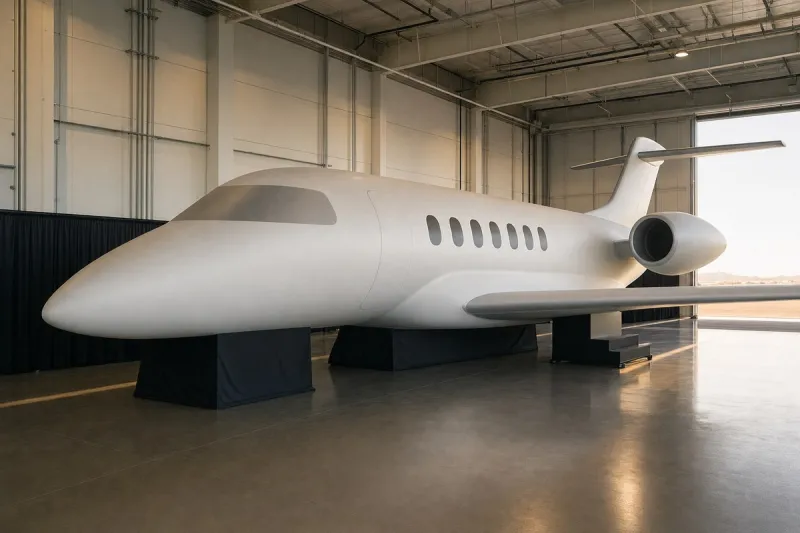
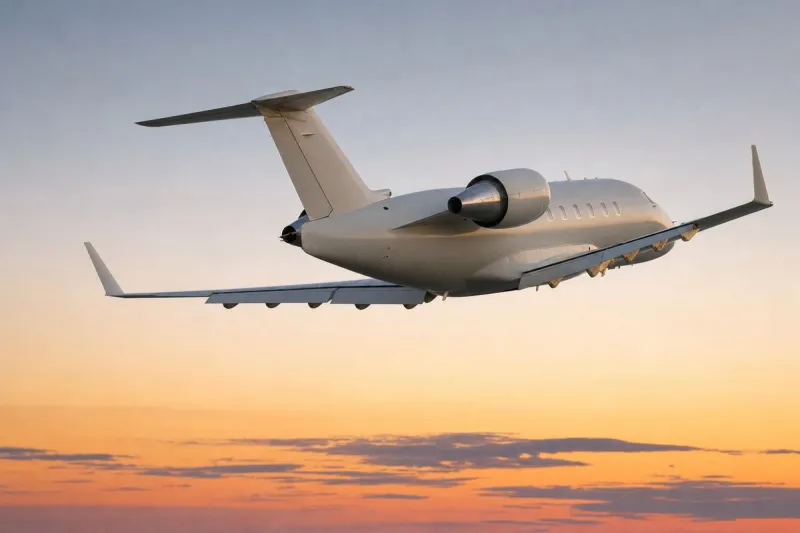
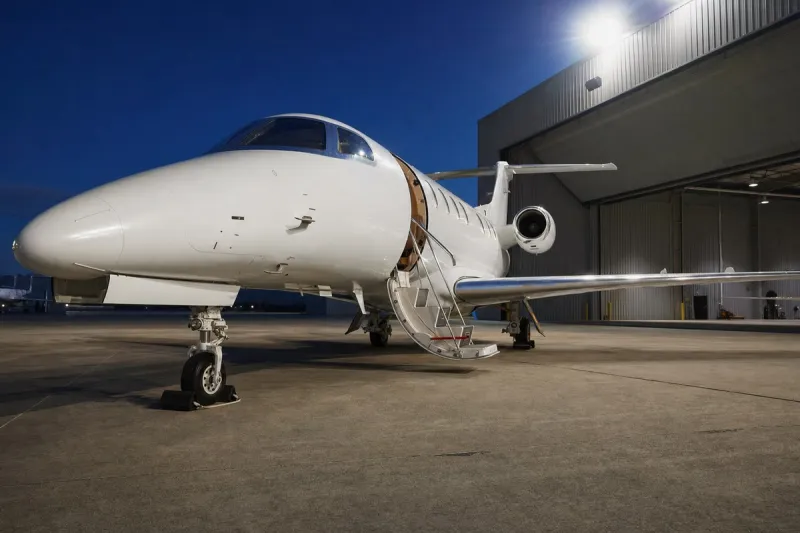
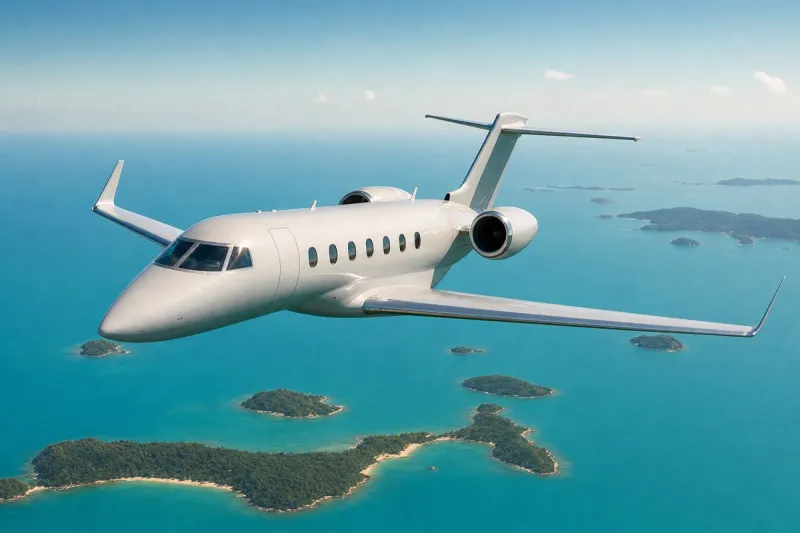
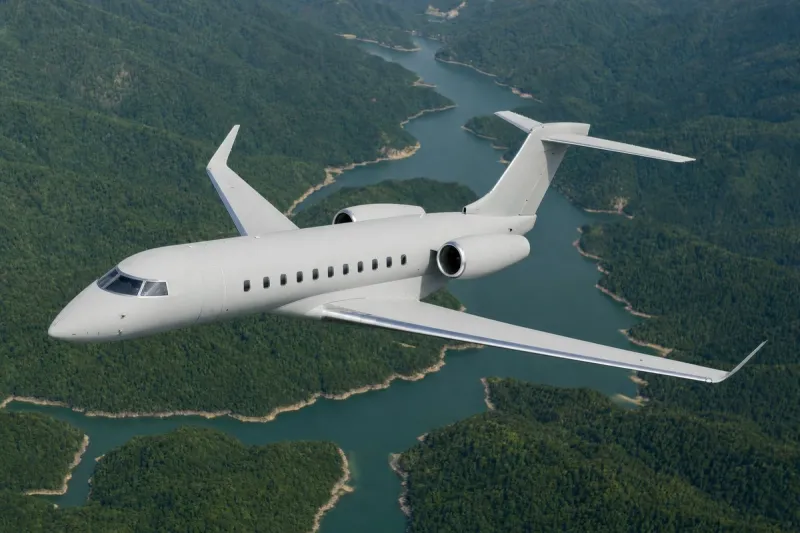
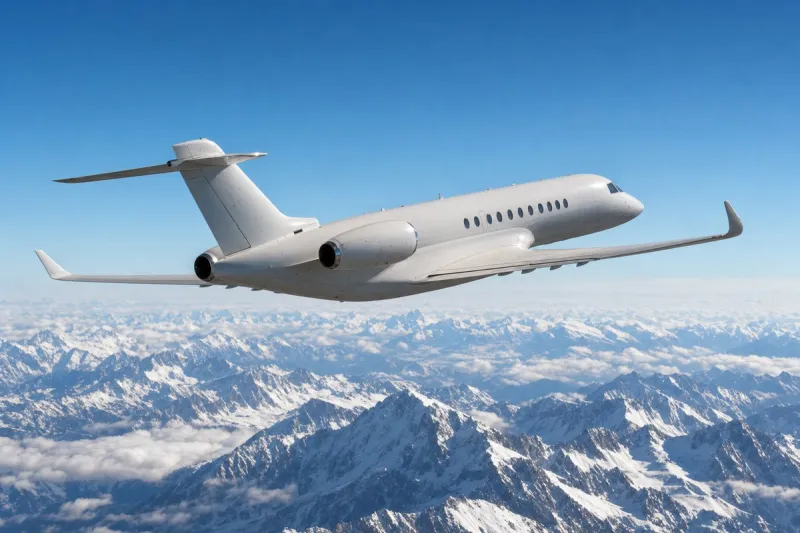
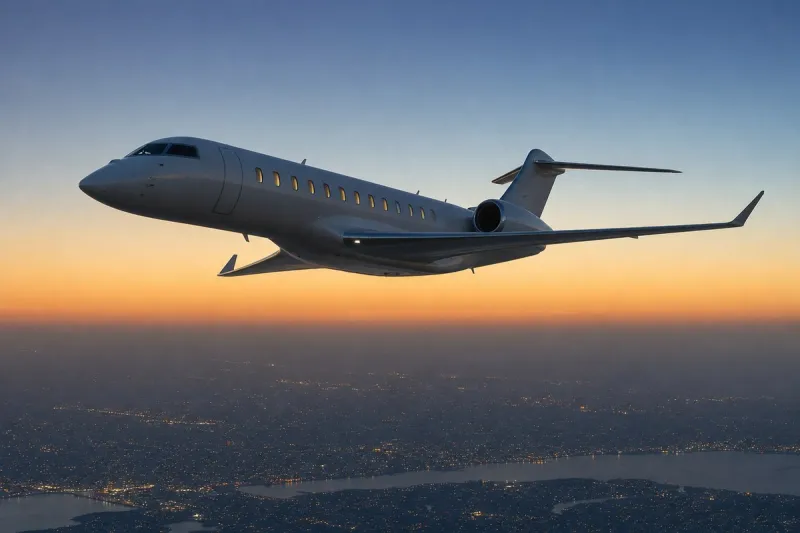
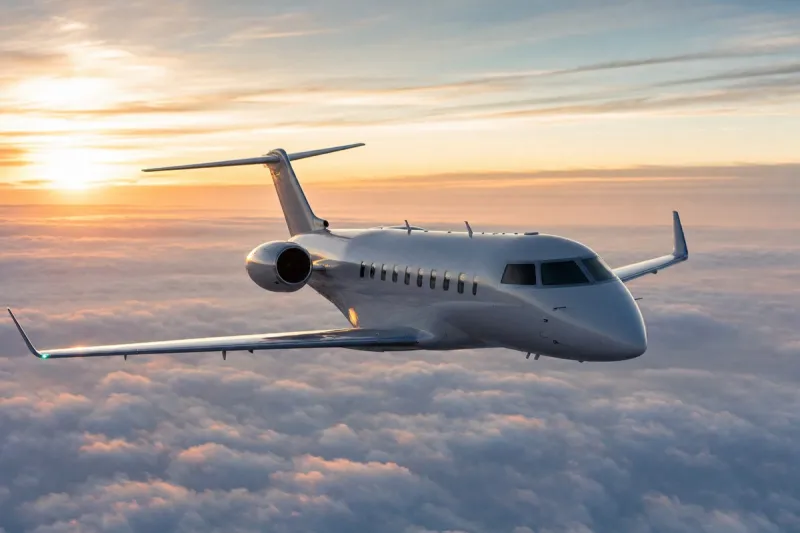
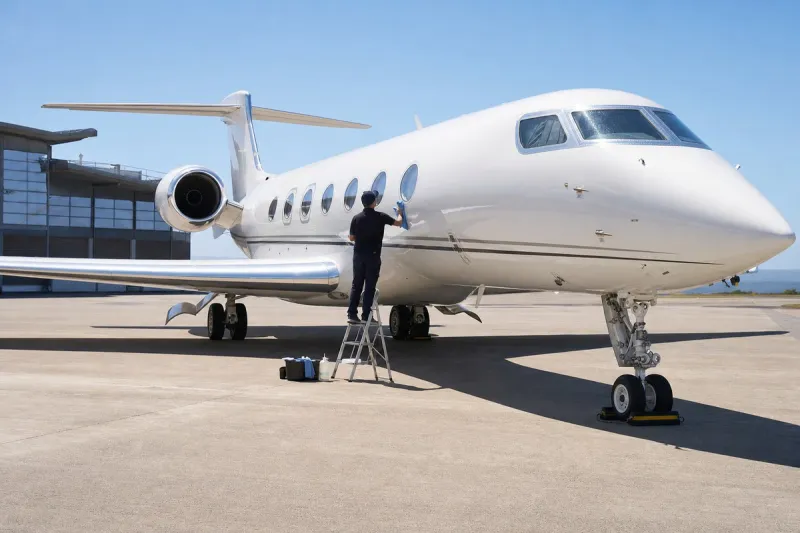
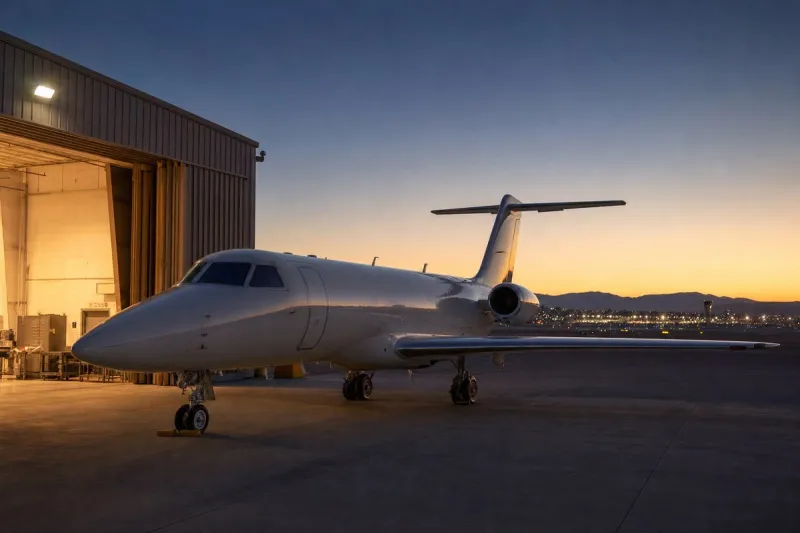
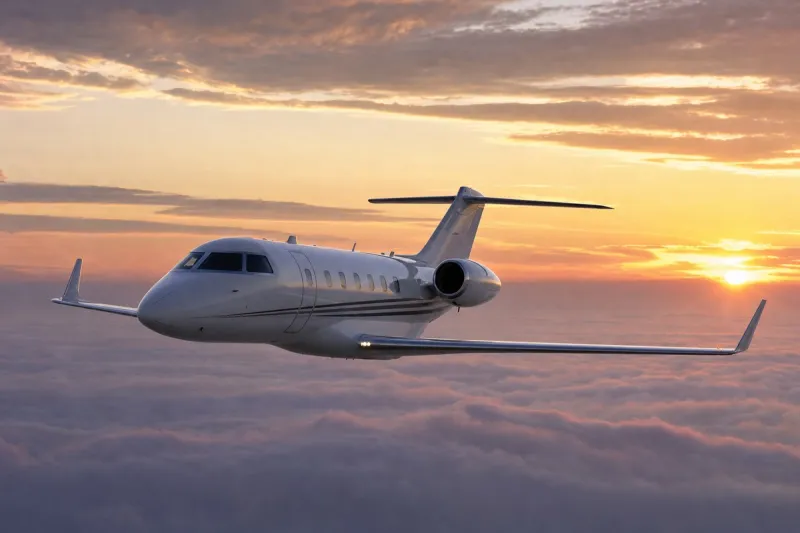
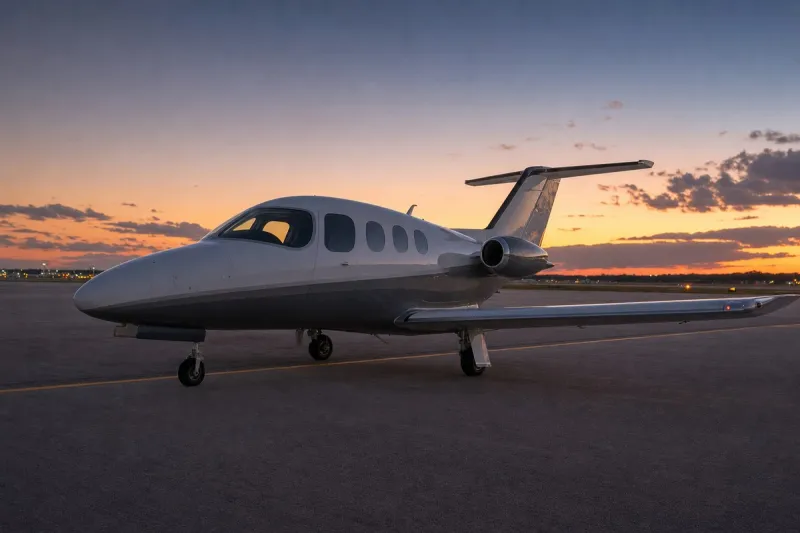
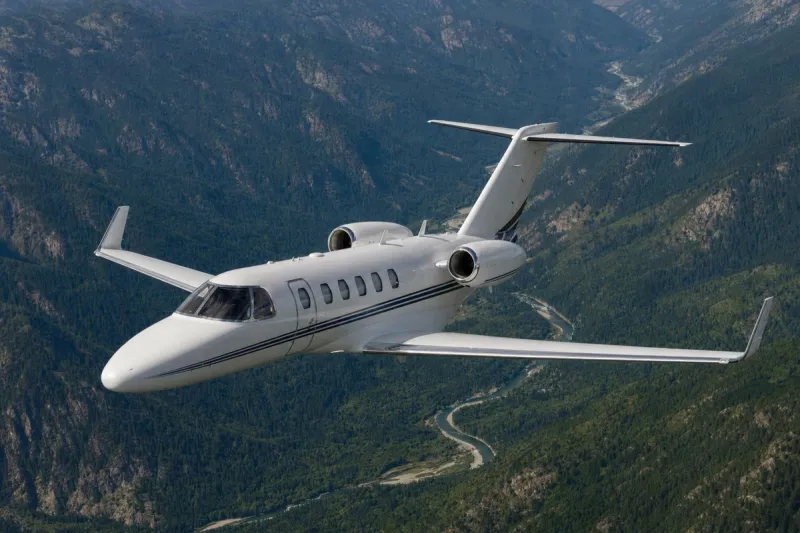
Thrive Aviation has launched a fractional ownership program backed by a strategic partnership and minority investment from Arulean Air, a subsidiary of Honda Aircraft Company created specifically to support the venture. The program will run two aircraft types: the HondaJet HA-420 light jet and the Bombardier Challenger 3500 super-midsize jet, and Thrive has already received its first two aircraft.
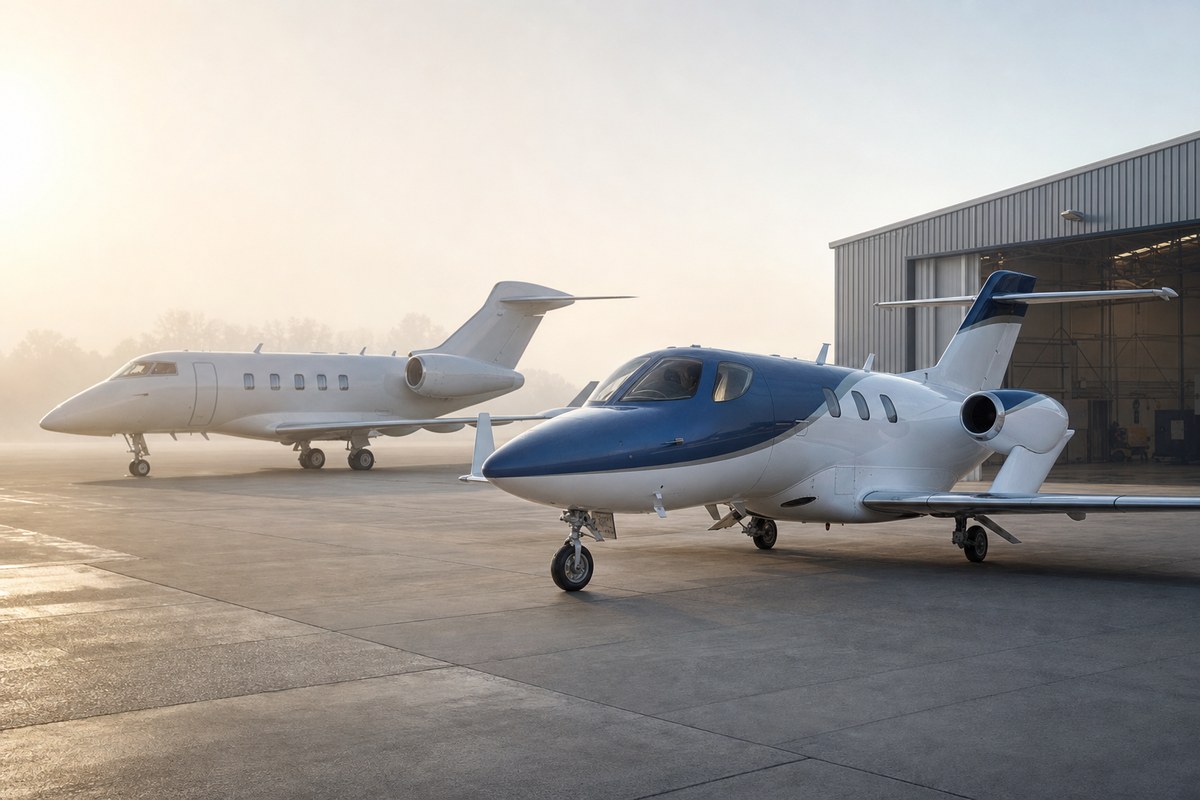
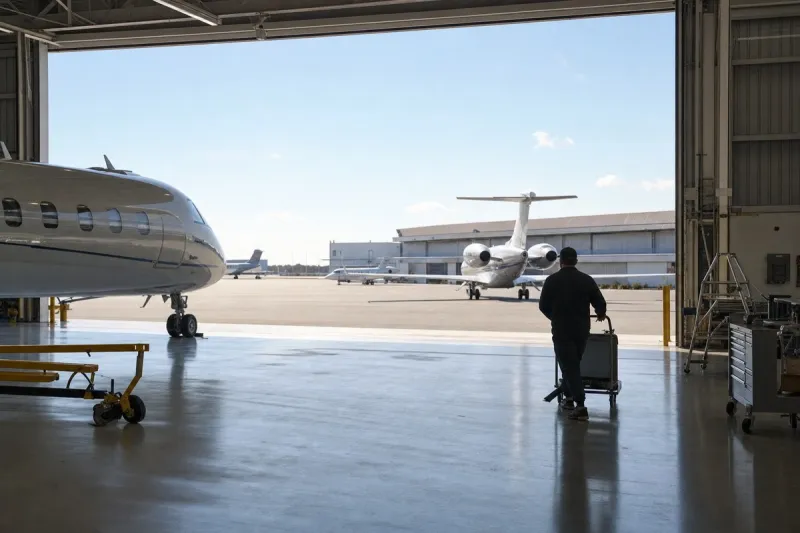
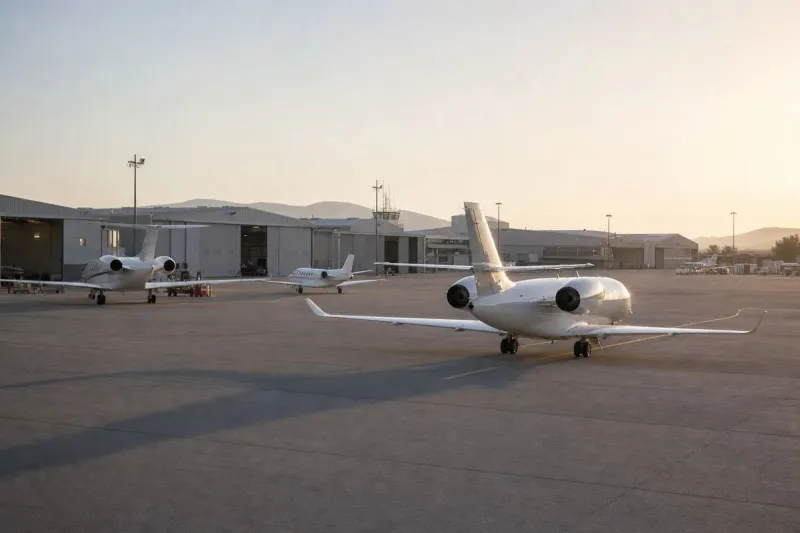
Thrive plans to add roughly four to six HondaJet HA-420s and two to four Challenger 3500s annually as its fractional owner base grows. Under the arrangement, Arulean Air will acquire aircraft for the program while Thrive Aviation handles all operations and management, including client relationships and flight operations, drawing on Thrive's existing platform and fleet of more than 30 aircraft.
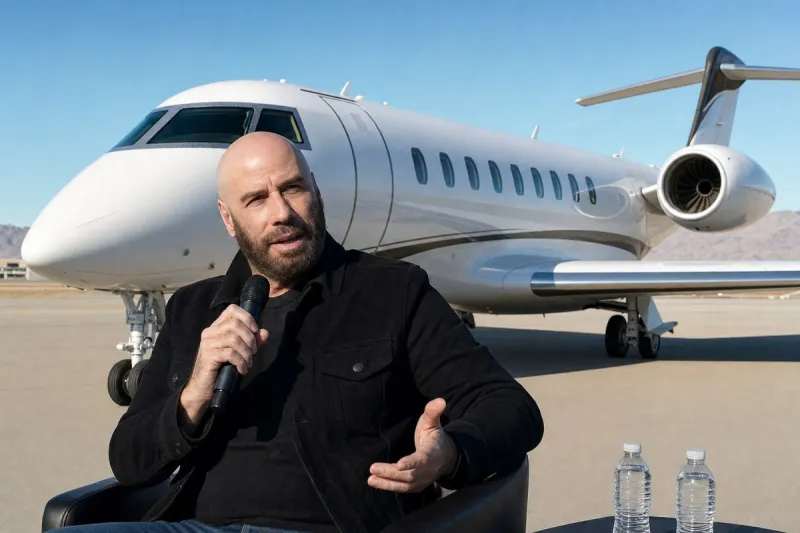
Curtis Edenfield, Co-Founder and Chief Executive Officer of Thrive Aviation, said adding fractional ownership "enables Thrive Aviation to serve a broad spectrum of clients throughout their entire private aviation journey – from private charters to fractional ownership to full ownership." Founded in 2018 and headquartered in Las Vegas, Nevada, Thrive Aviation currently offers on-demand charter, aircraft management, jet card memberships and aircraft maintenance, and describes itself as one of the world's top 10 largest private jet operators. Full program details are scheduled to be introduced at NBAA-BACE 2026, to be held October 20–22 in Las Vegas.
Industry impact & what to watch
This deal fits a broader move by operators to layer fractional ownership onto existing charter and management platforms rather than build a standalone fleet-financing structure from scratch. Pairing an operator's service infrastructure with a manufacturer-linked capital vehicle lets the operator scale aircraft counts without carrying the full acquisition cost on its own balance sheet, while the manufacturer secures a captive placement channel for its aircraft.
Fractional programs generally succeed or fail on how tightly aircraft supply tracks owner-base growth: too few aircraft strains scheduling, too many sit underused. Thrive's stated pace of four to six HondaJet HA-420s and two to four Challenger 3500s a year gives a concrete benchmark against which owner enrollment and aircraft delivery can be measured going forward.
The next marker is NBAA-BACE 2026 in October, where Thrive has said full program details will be introduced, including presumably share pricing, contract terms and monthly management fees that were not part of this announcement.