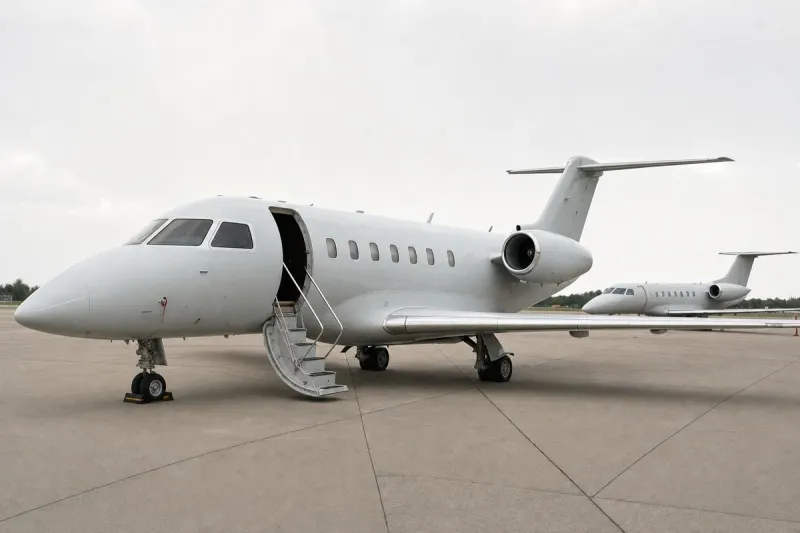
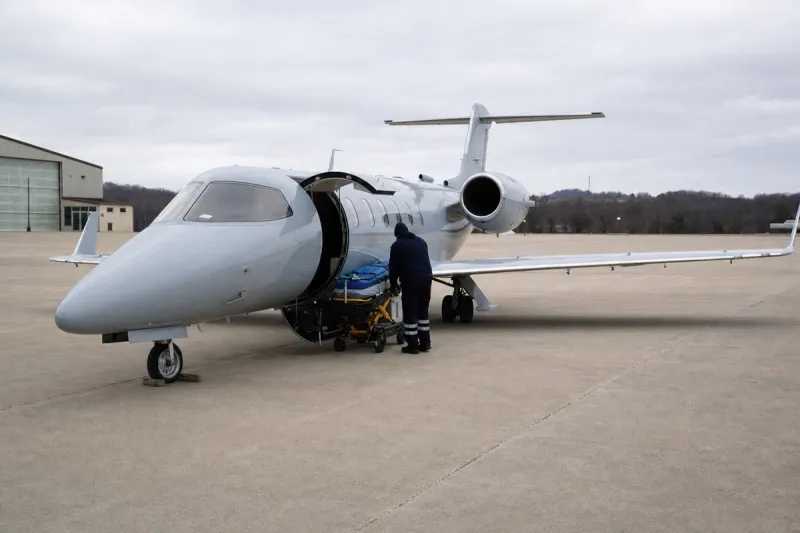
JSSI Covers One in Five New Midsize-and-Larger Business Jets at Delivery, Explaining Warranty vs. Maintenance Program Distinction
Why It MattersThe gap between manufacturer warranties and hourly maintenance programs shows how business jet ownership costs are increasingly financed through pre-funded, transferable hourly contracts rather than relying on limited factory coverage.
What happened
Jet Support Services, Inc. (JSSI) reports that approximately one in five new midsize and larger business jets rolling off production lines today enrolls in its 100% coverage hourly cost maintenance (HCM) program at delivery, and that in certain aircraft models JSSI holds roughly one third of the market. Founded in 1989 and headquartered in Chicago, JSSI describes itself as the largest independent provider of hourly cost maintenance programs for business aviation, supporting more than 6,500 aircraft.
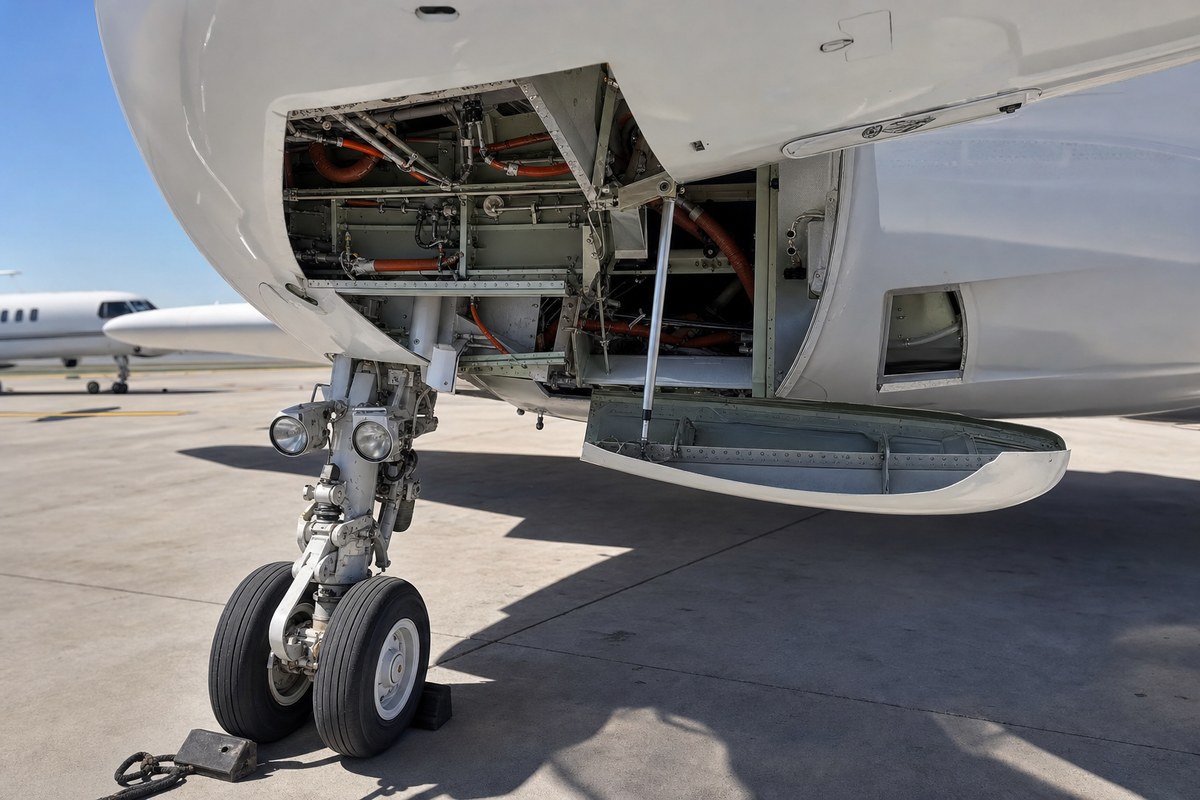
JSSI outlines how factory-new business jets carry multiple separate warranties: airframe, engine, and APU manufacturers each warrant their own products under distinct terms, with avionics and interior components often carrying additional coverage. A term of approximately five years is typical, though scope and duration vary by manufacturer and component. Warranties cover defects in materials and workmanship, with manufacturers repairing or replacing failed components at authorized facilities using OEM parts. Warranties do not cover scheduled maintenance and inspections, normal wear and tear, consumables, life-limited component replacement, or downtime costs such as a rental aircraft during repair.
JSSI's HCM program converts unpredictable maintenance costs into a stable hourly rate, with owners contributing per flight hour toward future maintenance events. Its Tip-to-Tail® protection covers engines, airframes, and APUs under a single contract, including parts and labor for scheduled shop maintenance, performance restoration, life-limited component replacement, engine accessory and Line Replaceable Unit repair, engine removal and reinstallation labor, freight, and rental engines during shop visits. JSSI offers two coverage types: 100% Coverage, available to new aircraft at delivery or to in-service aircraft via a one-time buy-in fee based on hours flown, and Pro-Rata Coverage, introduced in 1989, which lets in-service aircraft enroll without a large lump-sum payment while unscheduled event protection begins immediately. JSSI states that on resale, more than 85% of HCM contracts transfer to the buyer.
Industry impact & what to watch
This case illustrates a structural gap in how new business jets are financed operationally: the warranty and the maintenance program are separate instruments covering different risks, and owners who treat the warranty as sufficient protection are exposed once it lapses. The largest maintenance events — major engine overhauls and life-limited component replacement — typically fall beyond the standard warranty term, so an owner without a parallel program reaches that point with no reserves built up, while one enrolled at delivery has been funding those events from the first flight hour.
The segment's economics depend on this timing mismatch persisting: hourly programs exist precisely because scheduled and unscheduled maintenance costs are lumpy and warranty coverage is time-limited, not usage-limited to the events that actually cost the most. The transferability of these contracts on resale — JSSI cites more than 85% of its HCM contracts moving to the buyer — also shapes secondary-market value, since a pre-funded maintenance position and documented history become part of what a buyer is purchasing alongside the airframe.
What remains to be seen is how enrollment rates and market share evolve as more aircraft models come to market and as owners weigh the one-time buy-in cost for in-service enrollment against Pro-Rata's proportional structure introduced in 1989.