Boeing, Gulfstream and West Star Aviation outline major investments and workforce initiatives at 2026 Global Aerospace Summit
Why It MattersRegional MRO and OEM growth increasingly hinges on workforce pipelines and foreign certifications as much as capital investment, tying capacity expansion directly to apprenticeship and community-college partnerships.
What happened
Executives from Boeing, Gulfstream Aerospace Corp. and West Star Aviation outlined facility, technology and workforce investments during a panel at the 2026 Global Aerospace Summit, held August 19-20 in O'Fallon, Illinois. The panel, titled "Building and Sustaining the Fleet: OEM, MRO and Defense Perspectives," was moderated by Mary Lamie, Executive Vice President of Multimodal Enterprises for Bi-State Development and head of its St. Louis Regional Freightway enterprise.
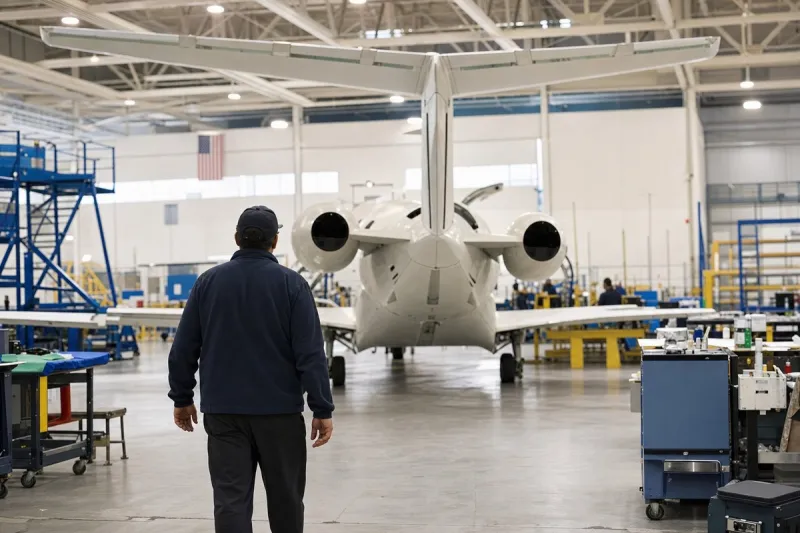
Boeing, which employs 18,000 people in the St. Louis region with approximately $2 billion in active payroll, said demand for the F-15EX fighter is driving a $1.8 billion investment to expand operations near St. Louis Lambert International Airport and increase production from one to two aircraft per month. The company's St. Louis operations, branded Boeing Fighter Land USA, also encompass the F/A-18 Super Hornet, T-7A Red Hawk, MQ-25 Stingray and other defense programs. Boeing separately invested $200 million in a new MQ-25 production facility at MidAmerica St. Louis Airport in Mascoutah.
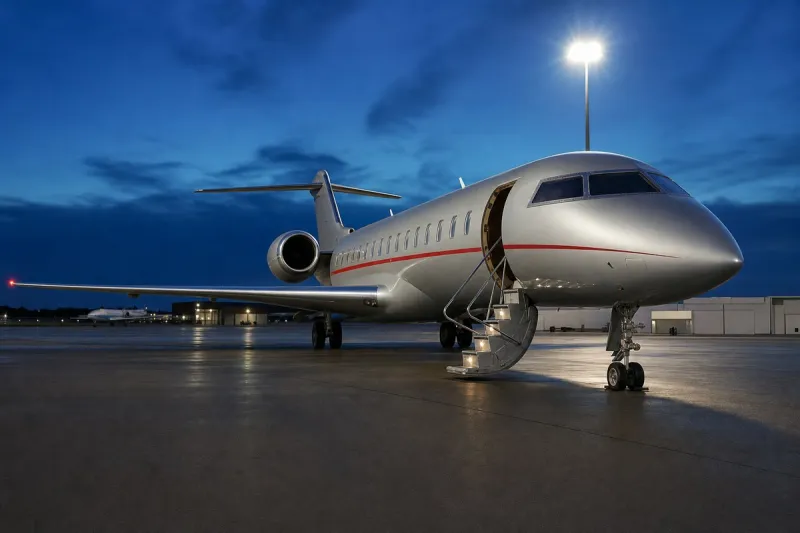
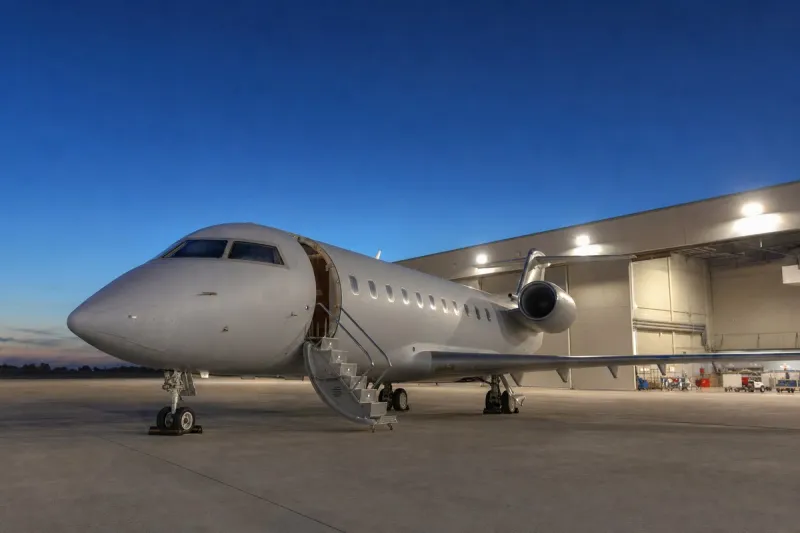
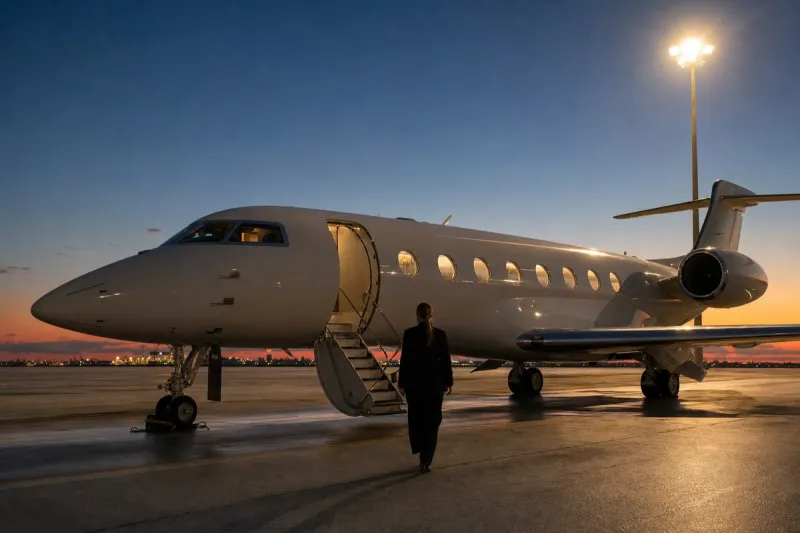
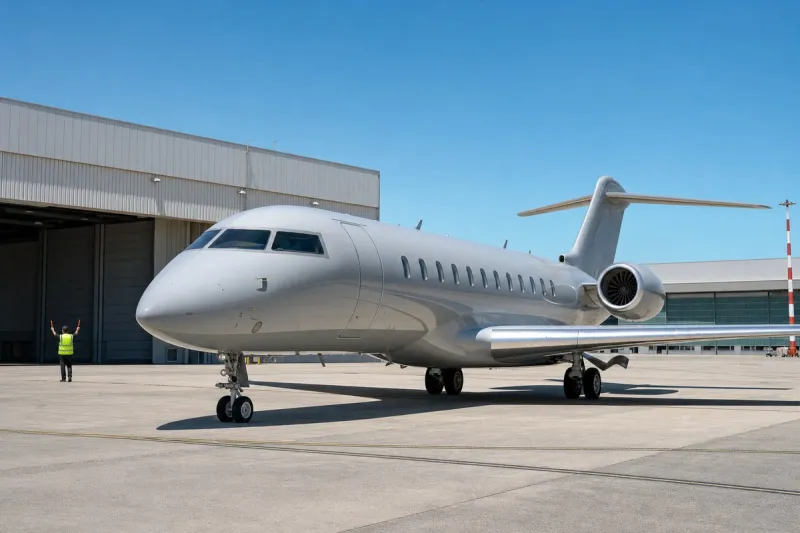
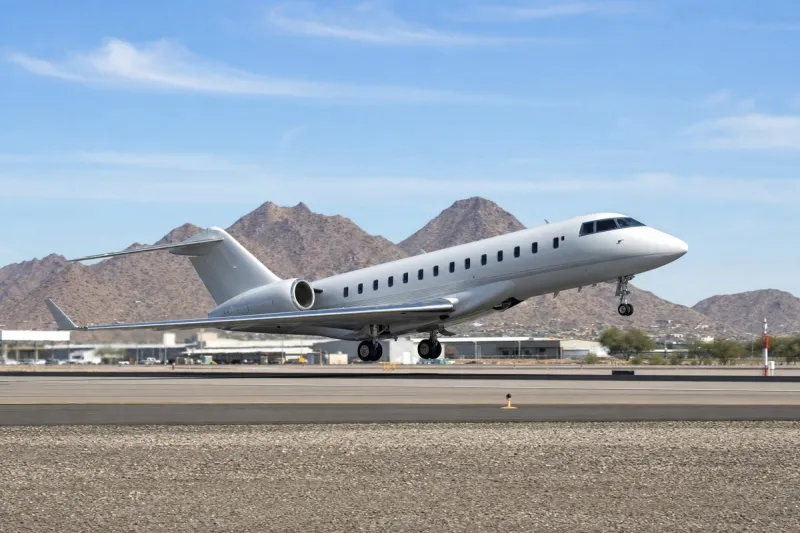
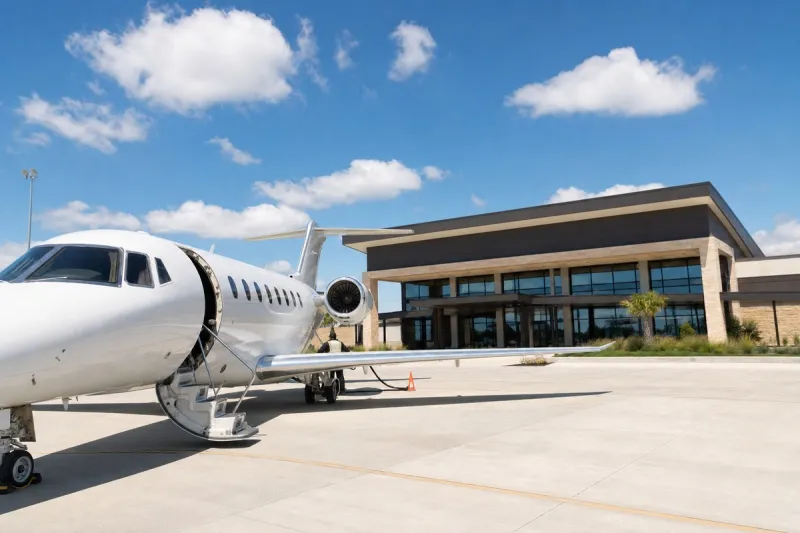
Gulfstream described continued growth at St. Louis Downtown Airport, where it invested more than $30 million to add aircraft-completions and outfitting capabilities to an existing MRO operation, creating more than 200 jobs. The facility performs interior installations, paint, avionics, cabinetry, carpeting and flight testing, and delivered its first locally completed aircraft in 2023. Gulfstream said it was the first original equipment manufacturer to cross the Atlantic Ocean using sustainable aviation fuel and the first OEM to fly with both engines running on 100% SAF.
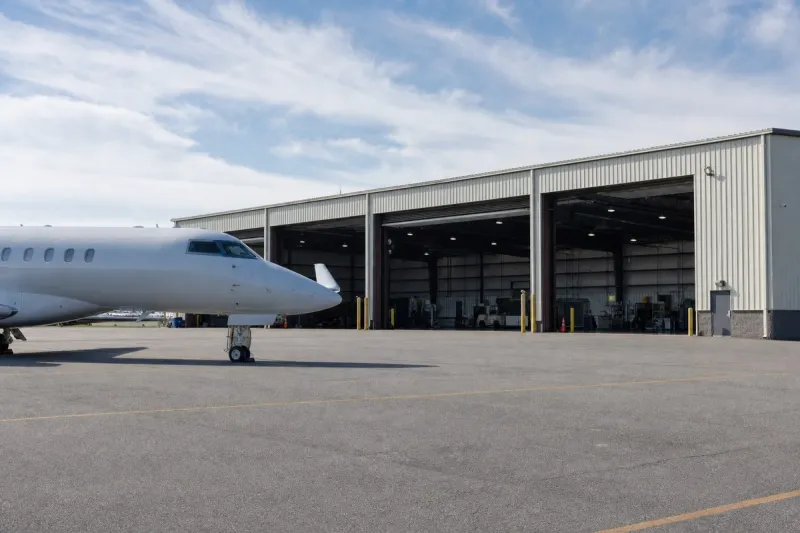
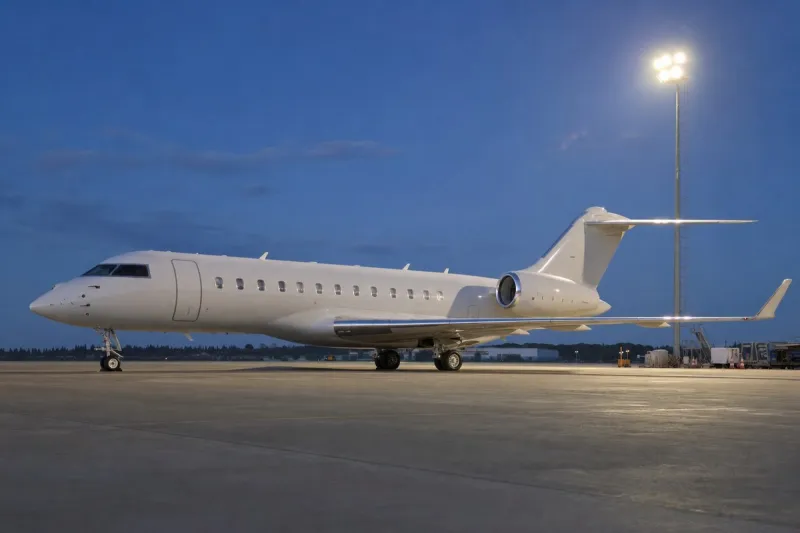
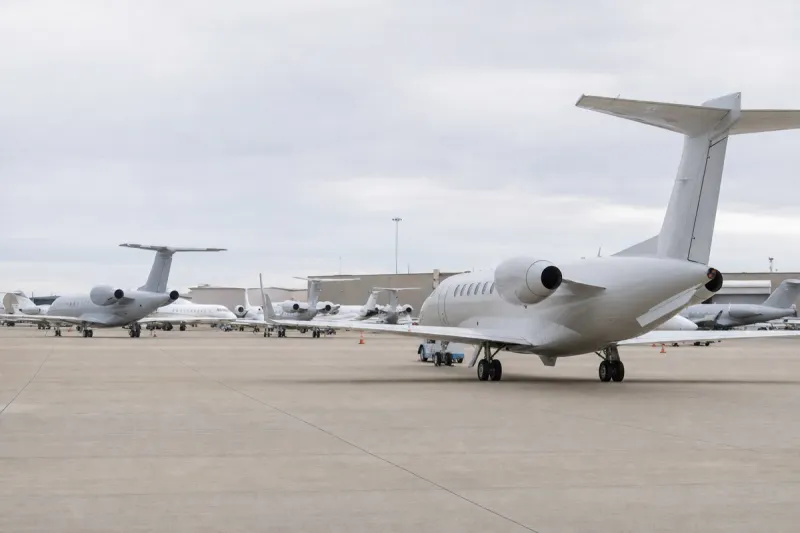
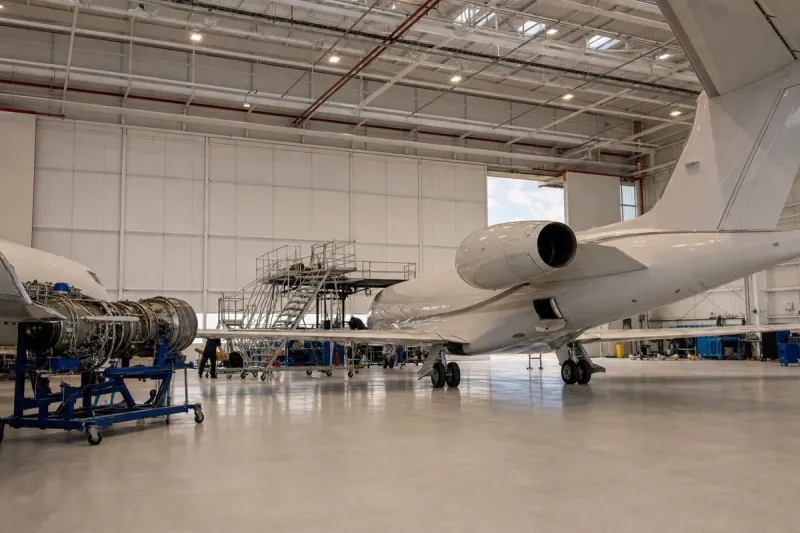
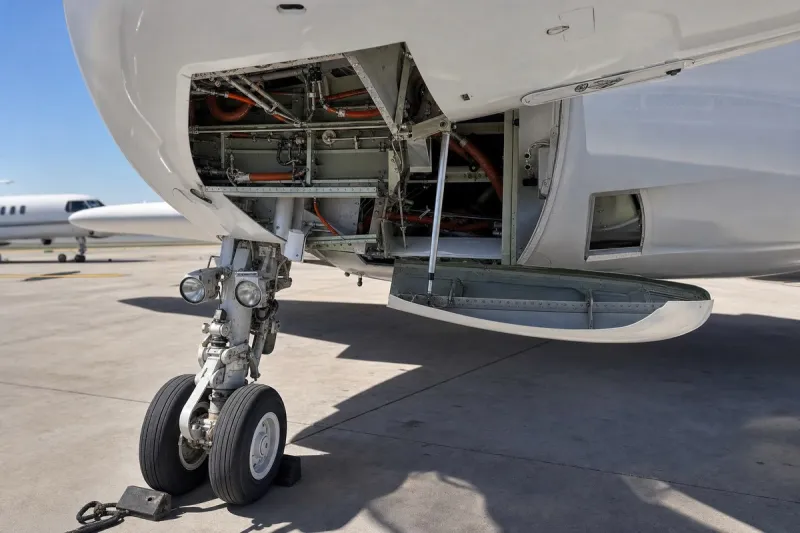
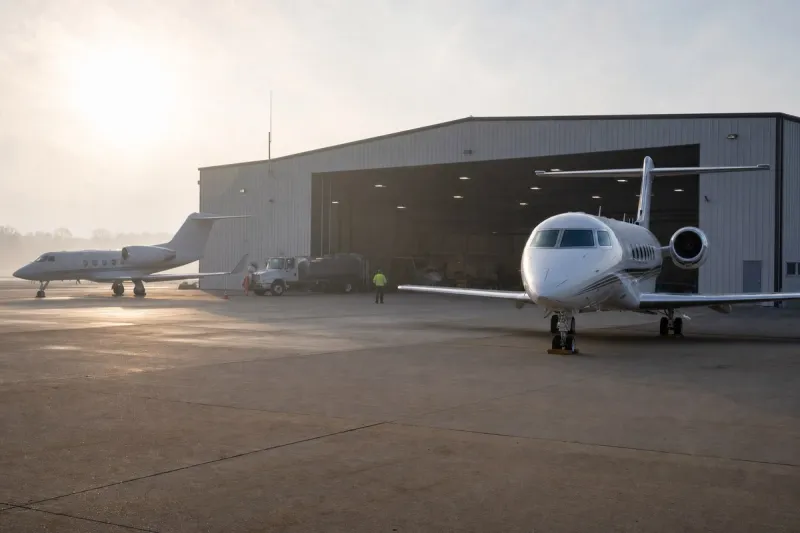
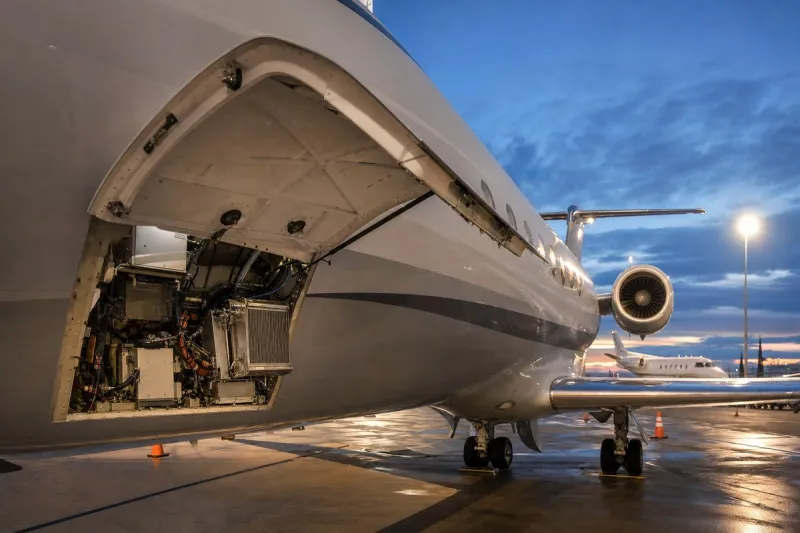
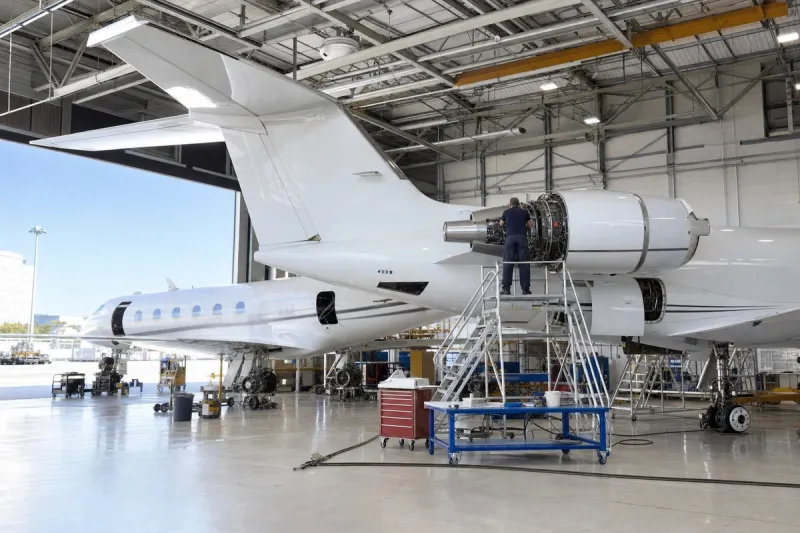
West Star Aviation operates more than 600,000 square feet of MRO facilities at St. Louis Regional Airport in East Alton, Illinois, employing just over 700 people, and also maintains a hangar at St. Louis Downtown Airport. The company had 117 aircraft on site and expected to deliver 40 to 43 of them by the end of August. West Star holds 11 foreign aviation authority certifications and is pursuing additional certifications to attract internationally registered aircraft, and is also exploring acquisitions to expand its engineering and repair capabilities.
All three panelists identified workforce availability as a critical factor for future growth. Boeing's mechanic apprenticeship programme has produced 230 graduates who have moved into regular production roles, and its partnership with St. Louis Community College has generated approximately 1,300 production hires since 2007. Gulfstream works with partners including the Belleville, Illinois-based Center for Academic and Vocational Excellence, Southwestern Illinois College, Lewis and Clark Community College and local school districts.
Industry impact & what to watch
The panel illustrates how defense production, business-jet completions and third-party MRO now sit side by side in a single regional aerospace cluster, each expanding on a different economic logic. Boeing's investment tracks government demand for fighter and unmanned programs, Gulfstream's tracks completions capacity for its own aircraft line, and West Star's tracks third-party maintenance volume drawn partly from internationally registered aircraft.
Foreign certifications matter to that third category because an MRO's addressable market is bounded by which national aviation authorities recognize its approvals; West Star's pursuit of certifications beyond its current 11 is a direct attempt to widen the pool of aircraft it can legally service. Similarly, OEM completions work like Gulfstream's depends on being able to staff specialized trades — paint, avionics, cabinetry — at volume, which is why the company leans on multiple community-college partners rather than a single pipeline.
Workforce supply is the constraint all three organizations named explicitly, and the apprenticeship and community-college figures given — Boeing's 230 apprenticeship graduates and roughly 1,300 community-college hires since 2007 — show how large an OEM's talent pipeline has to be just to sustain existing production, before any expansion is added. Whether Boeing's move from one to two F-15EX aircraft per month proceeds on schedule, and whether West Star lands the additional foreign certifications it is pursuing, are the next concrete markers of whether this regional buildout keeps pace with stated plans.