Medway Air Ambulance VP Mike Vallee on 22,000-plus flights, Learjet 45 operations, and keeping humanity central to critical care transport
Why It MattersIn air medical transport, third-party accreditations and administrator-driven hospital selection function as the trust mechanisms that let hospitals and families choose a provider for high-stakes transfers.
What happened
Mike Vallee, Vice President of Business Development at Medway Air Ambulance, joined the organisation in September 2024 after more than 20 years in the air ambulance industry. He moved from commercial aviation into air medical transport in 2002, after the airline he worked for closed following the September 11 attacks.

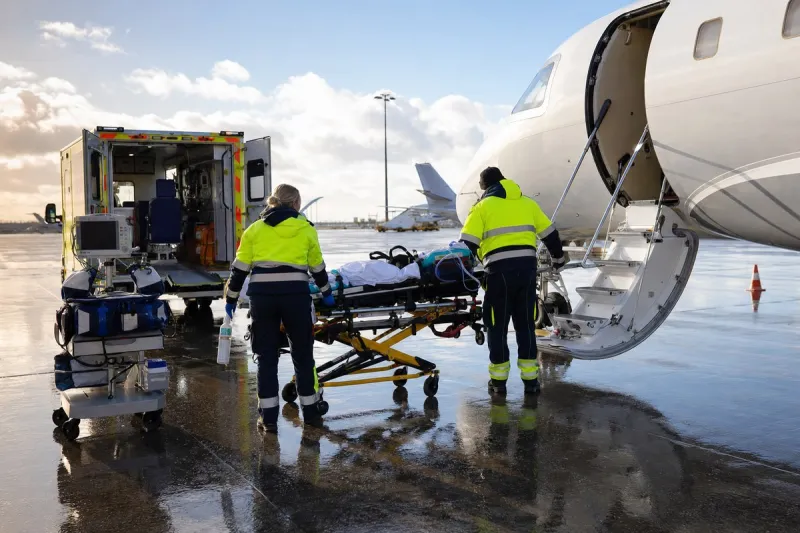
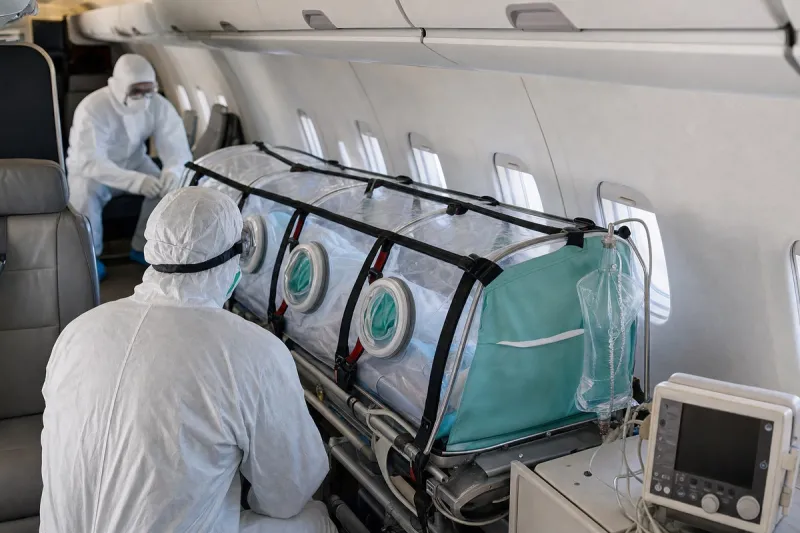
Medway Air Ambulance is a fixed-wing provider focused on hospital-to-hospital transfers, not scene response, and its primary aircraft is the Learjet 45. The company has completed more than 22,000 medical flights. Vallee noted that space constraints are an ongoing consideration on the platform, and said Medway has consistently invested in advanced patient monitoring equipment and modern transport ventilators to maximise in-flight clinical capability. Teams use proprietary software for intake, quoting, and communications, alongside a bespoke clinical charting programme.
Medway holds EURAMI accreditation, an ARGUS Platinum safety rating, NAAMTA accreditation, and CARB approval through the US Department of Defense Commercial Airlift Review Board. Vallee described these certifications as confirmation from an independent body that the organisation meets high operational and safety standards, giving confidence to hospitals, assistance companies, government agencies, and patients' families.
Operations are concentrated in the western hemisphere, with geopolitical developments in Mexico, Cuba, and Venezuela having the most direct impact. Vallee also cited fluctuating fuel prices, broader economic conditions, and shifting US–Canada cross-border travel patterns as factors the organisation has had to navigate. For travel assistance cases, the destination hospital is typically determined by a third-party administrator based on the patient's medical needs, location, and preferences, while domestic transfers are arranged based on Medway's reputation, geographic reach, and capacity to meet specialised patient care requirements.
Industry impact & what to watch
Vallee's account describes a segment where clinical trust is built through layered outside verification rather than marketing claims: EURAMI, ARGUS Platinum, NAAMTA, and CARB approval each independently attest to safety and operational standards that hospitals, assistance companies, and government agencies rely on when selecting a transport provider.
The case also shows how routing decisions in medical transport work on two separate tracks. Travel-assistance cases run through third-party administrators weighing medical need, location, and patient preference, while domestic hospital transfers hinge on a carrier's reputation and geographic capacity — two distinct selection paths operating side by side within the same fleet.
Exposure to regional instability in Mexico, Cuba, and Venezuela, alongside fuel price swings and shifting US–Canada travel patterns, illustrates how fixed-wing medical operators absorb macro volatility without changing their core clinical mission. Whether Medway's stated goal of growth without compromising patient care standards holds will depend on how it manages capacity as flight volume builds beyond its current total.