Residential Airparks: Over 700 Fly-In Communities Offer Runway-Centered Living Worldwide
Why It MattersAirpark real estate shows how runway access can function as a durable amenity premium, with land constraints and noise sensitivity limiting where the model can expand.
What happened
The Living With Your Plane directory lists more than 700 residential airparks worldwide, communities built around runways instead of roads, most located in the United States with additional examples in Canada, Costa Rica, Sweden and Australia. Florida and Texas have the greatest concentration within the U.S. The concept traces back to October 1946, when William and Doris Smilie filed a plan with Fresno County, California, for a subdivision with residential lots centered on a runway, featuring hangars instead of garages, low street signs, specialized mailboxes and permanent aircraft parking — an idea that grew out of the Civil Aeronautics Administration's proposal to repurpose surplus military airfields and trained pilots after World War II.
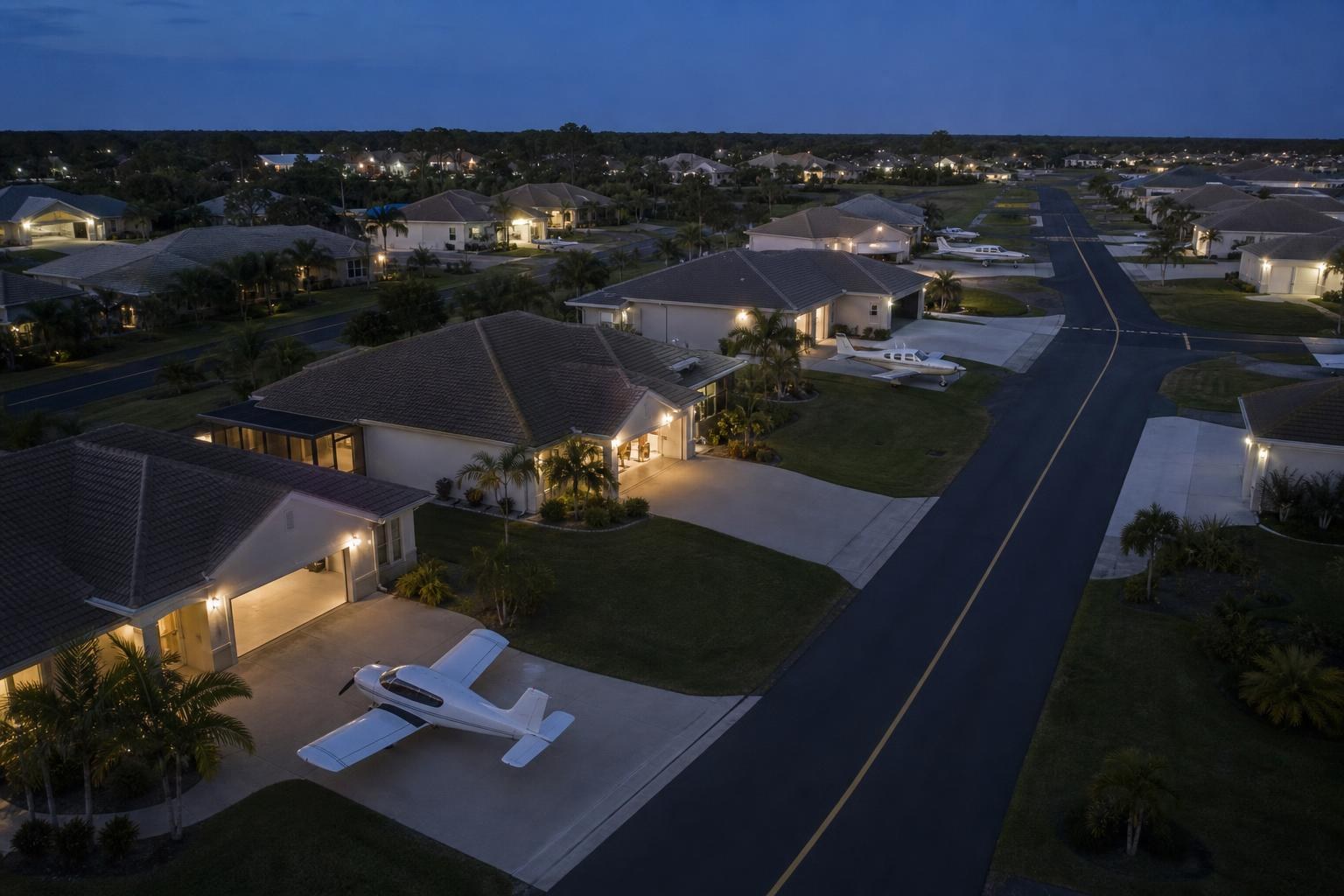
The largest fly-in community is Spruce Creek, near Daytona Beach, Florida, covering more than 1,000 acres and housing more than 5,000 residents, with amenities including a golf course, an adjacent country club with tennis courts and a pool, jet fuel refueling stations, and visual aids such as windsocks. At the smaller end, Sky Manor Airpark, near LaBelle, Florida, has only 20 residential lots, sales restricted to holders of a pilot's certificate, a grass runway approximately 4,000 feet long with no official airport designation, and residents who radio one another to coordinate takeoffs and landings; aircraft have the right of way over road vehicles on all surface areas.
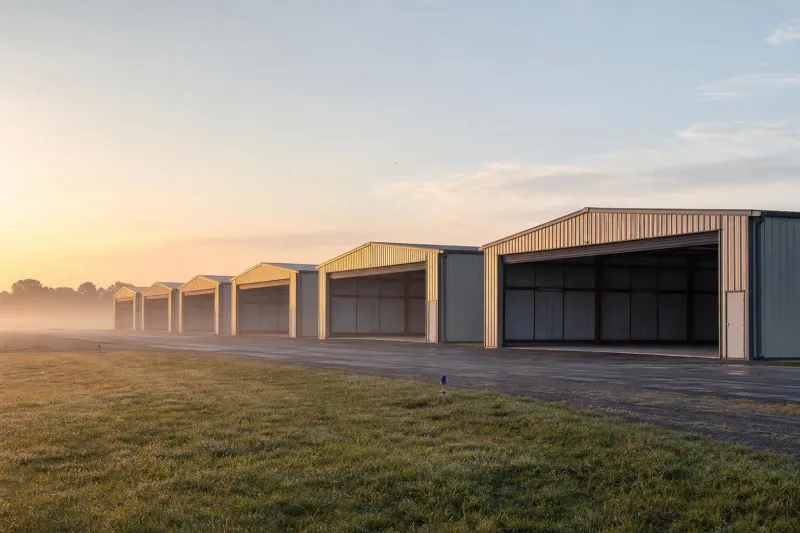
Resident John Kusianovich, a pilot with four decades of experience, bought a one-acre property at Sky Manor containing a three-bedroom house and a 5,000-square-foot hangar shared with neighbors, large enough for his Cessna 182. He said some insurance companies are cautious about hangars because of the presence of fuel-laden aircraft, but that the lifestyle suits him well. Spruce Creek declined to permit actor John Travolta's Gulfstream II in the 1990s. A Realtor.com analysis found that home listings containing common airpark keywords were priced approximately 30% above comparable listings without such terms.
Runway size and aircraft access
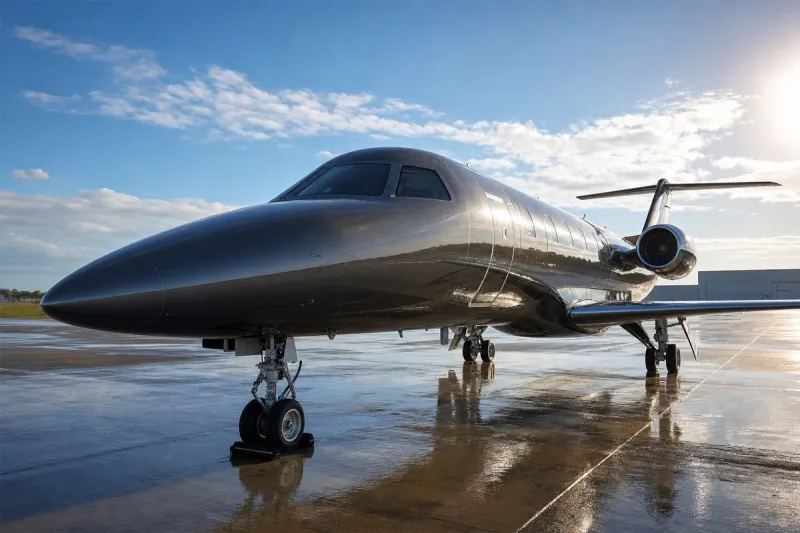
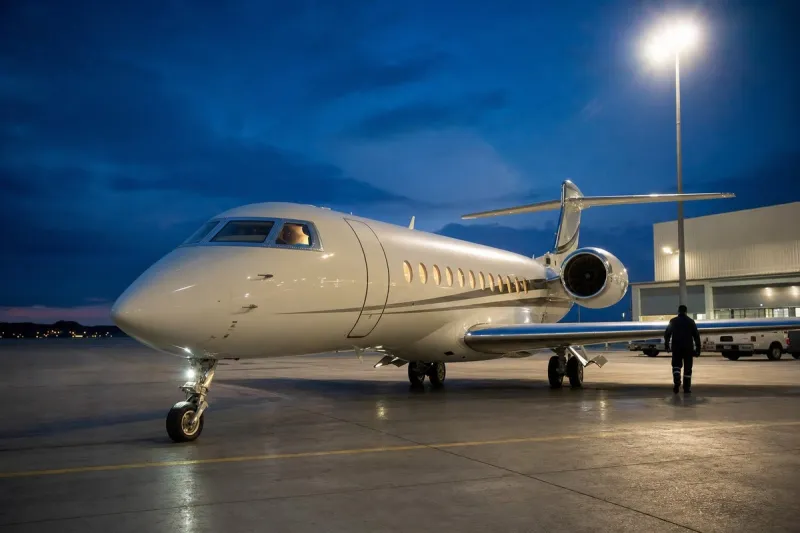
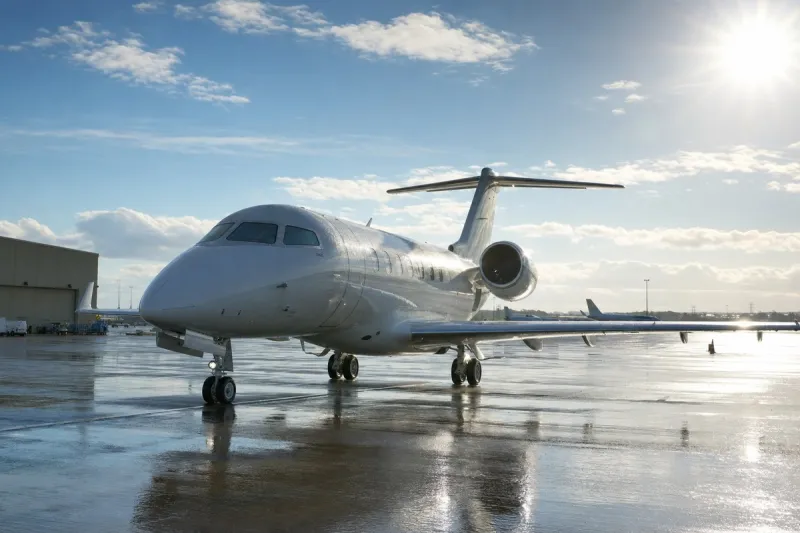
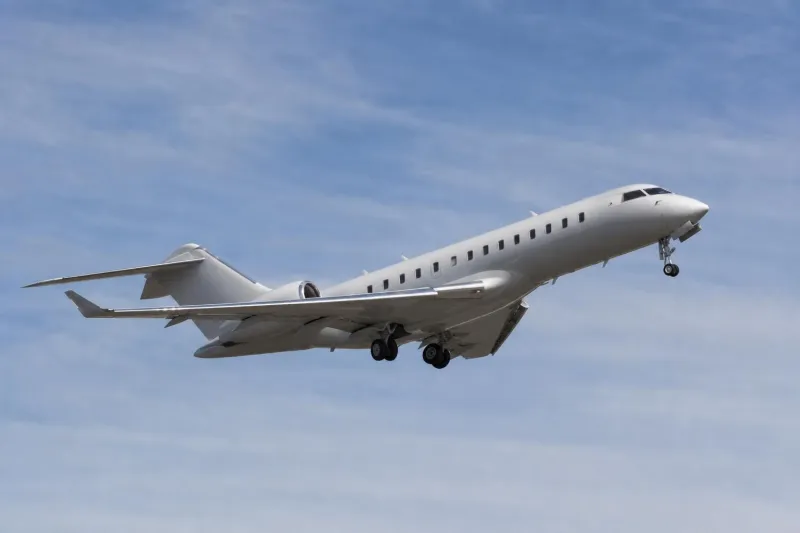
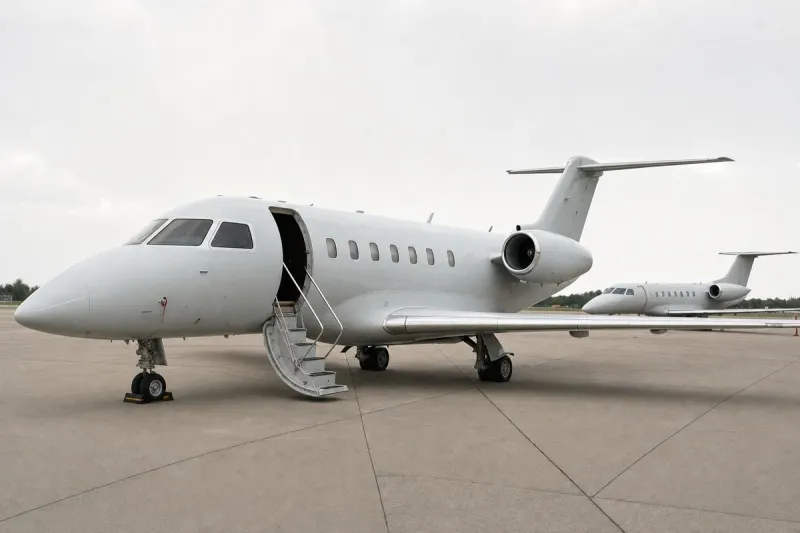
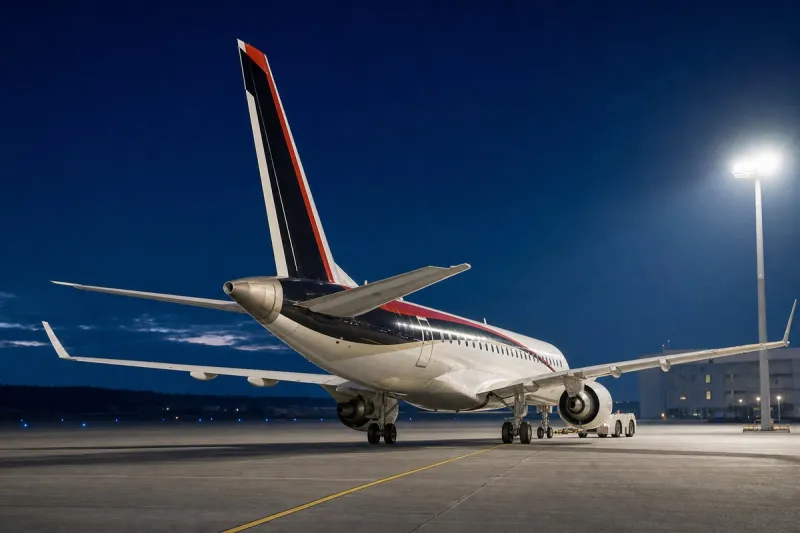
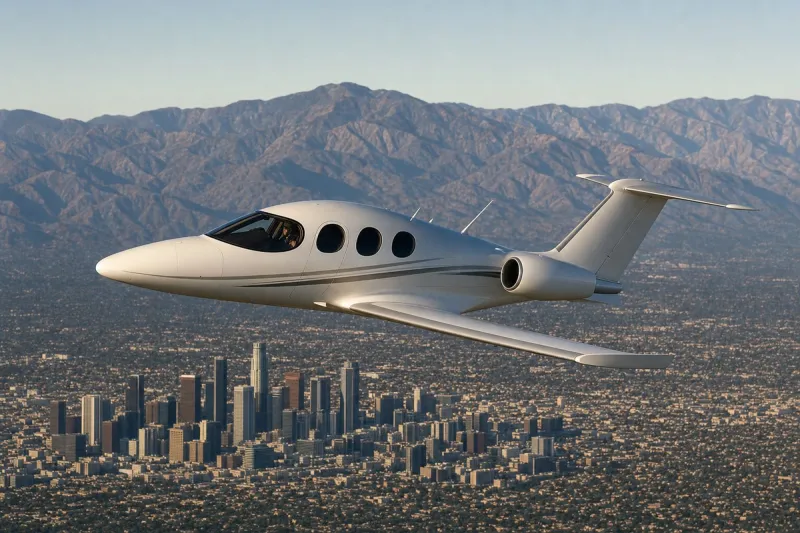
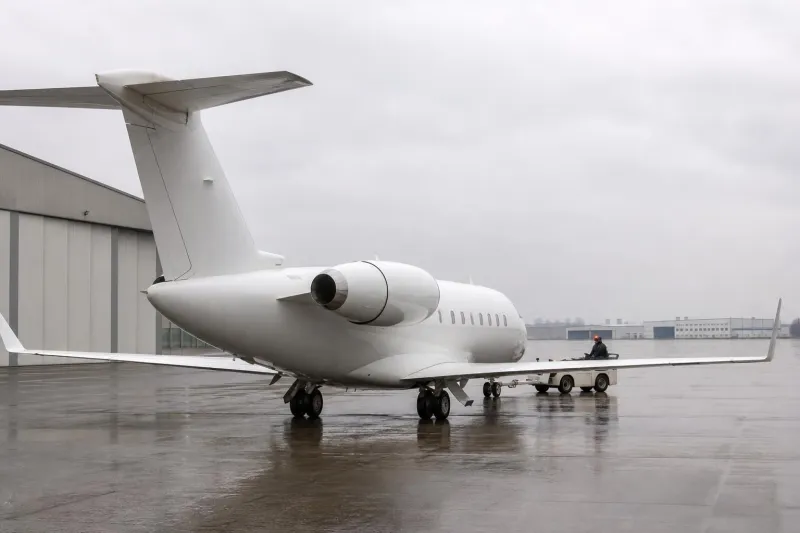
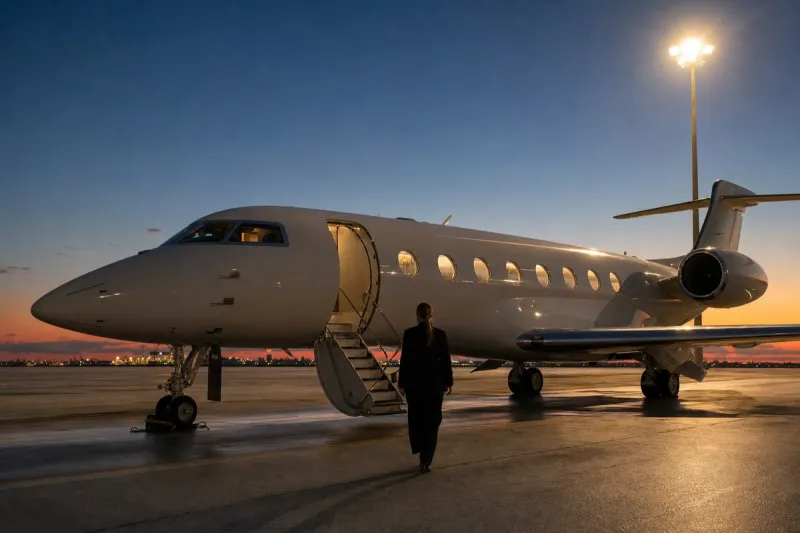
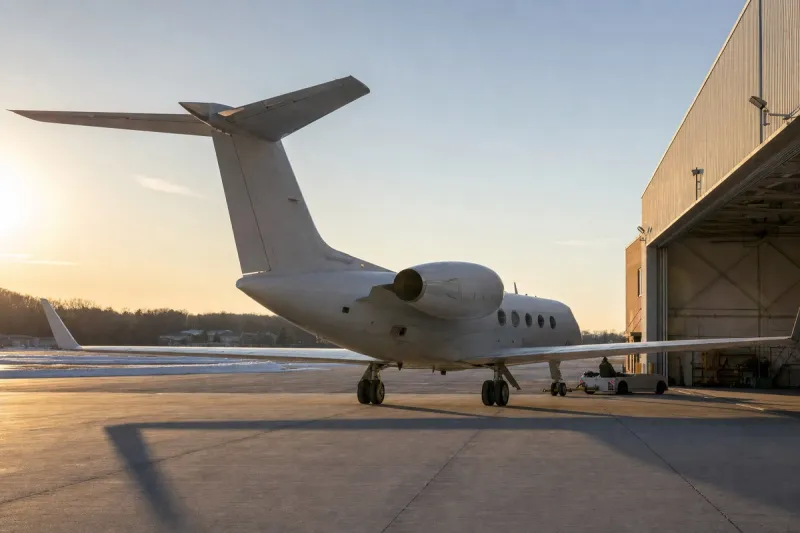
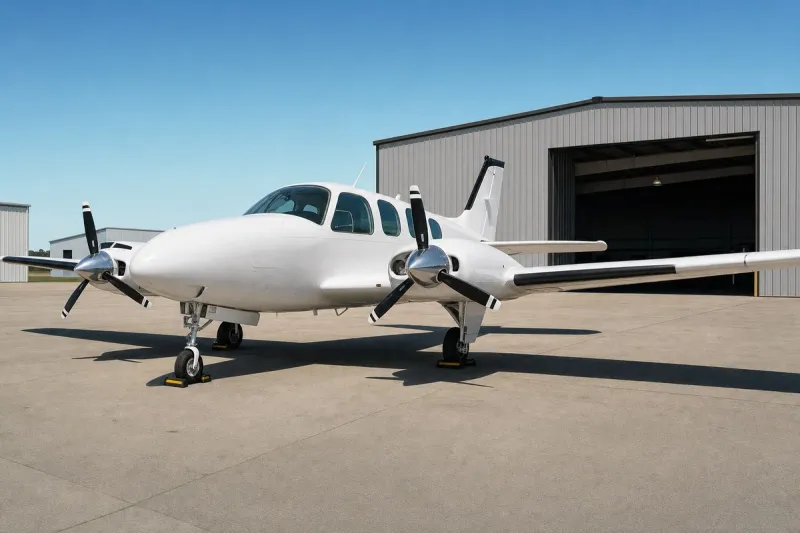
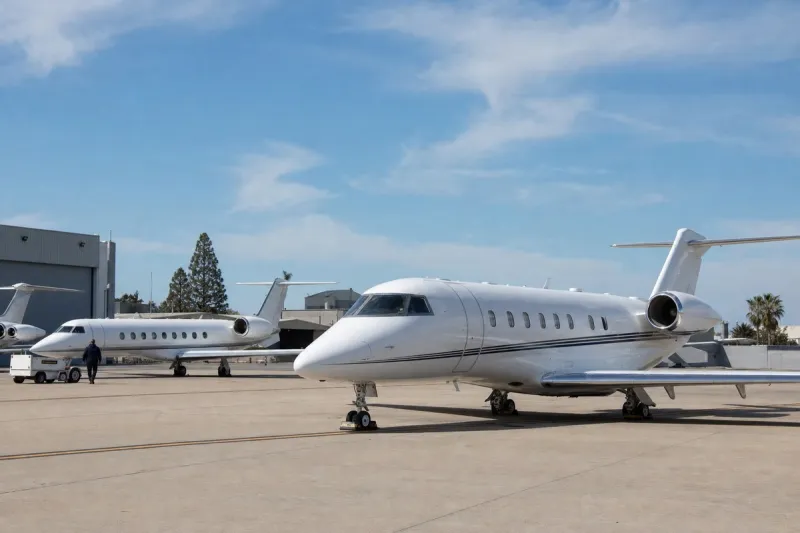
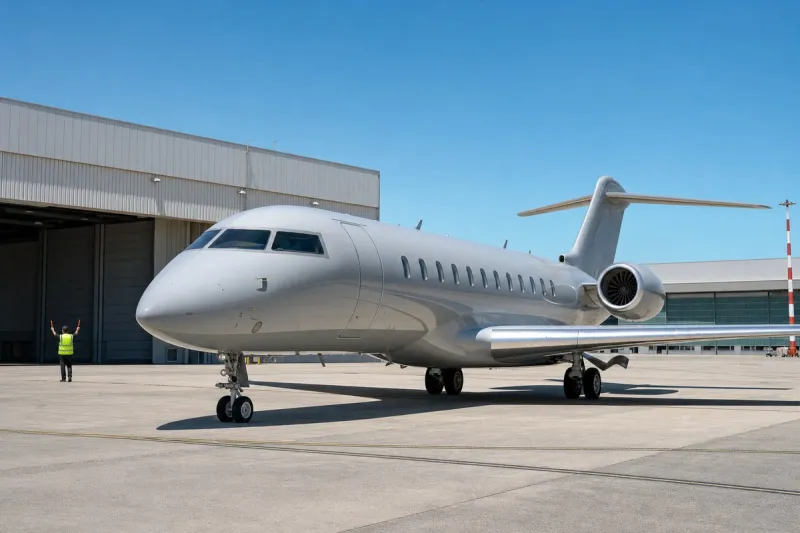
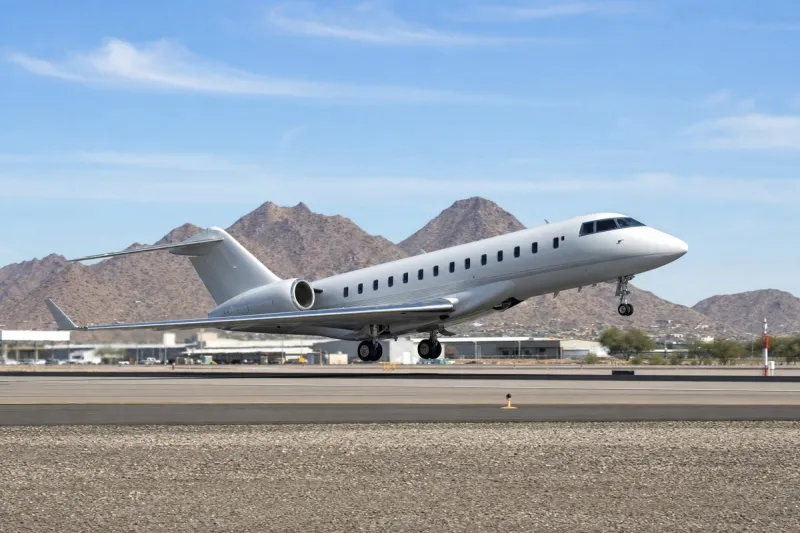
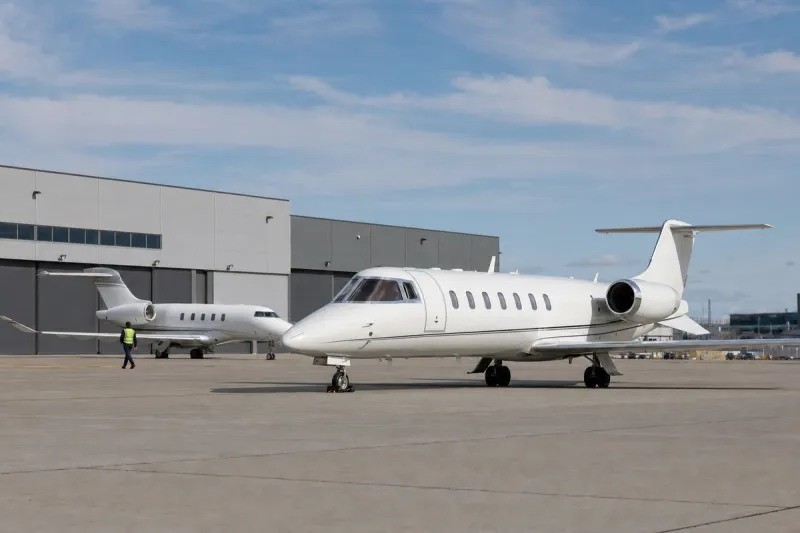
Airpark size determines which aircraft a given community can accommodate. Shorter or unpaved runways typically support only light single-engine piston aircraft, while longer paved runways can handle turboprops and mid-sized private jets. The largest airparks can accommodate large-cabin business jets, though Spruce Creek's refusal of Travolta's Gulfstream II shows that even a major fly-in community can set limits above what its infrastructure would otherwise allow.
Industry impact & what to watch
The airpark model shows how a niche real estate category can command a durable price premium: the 30% gap Realtor.com identified reflects buyers paying specifically for direct runway access rather than for house size or general location. That premium sits alongside genuine constraints on where the model can spread — noise sensitivity and the cost of land make new airparks difficult to site near dense population centers, which is why concentration remains highest in states like Florida and Texas rather than expanding uniformly nationwide.
Within existing communities, runway length and surface effectively segment the market by aircraft class, from grass strips serving single-engine pistons up to paved runways capable of handling business jets — though as Spruce Creek's Travolta episode shows, community rules can restrict access even where the runway itself could physically support a larger aircraft.
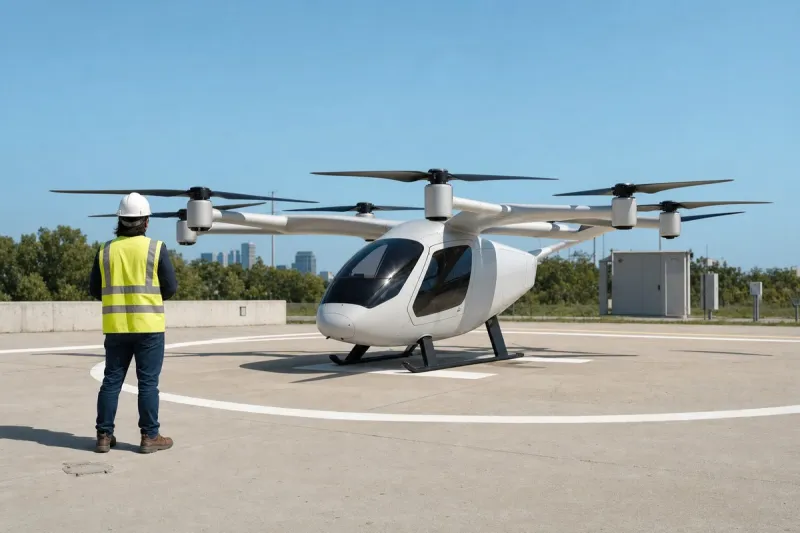
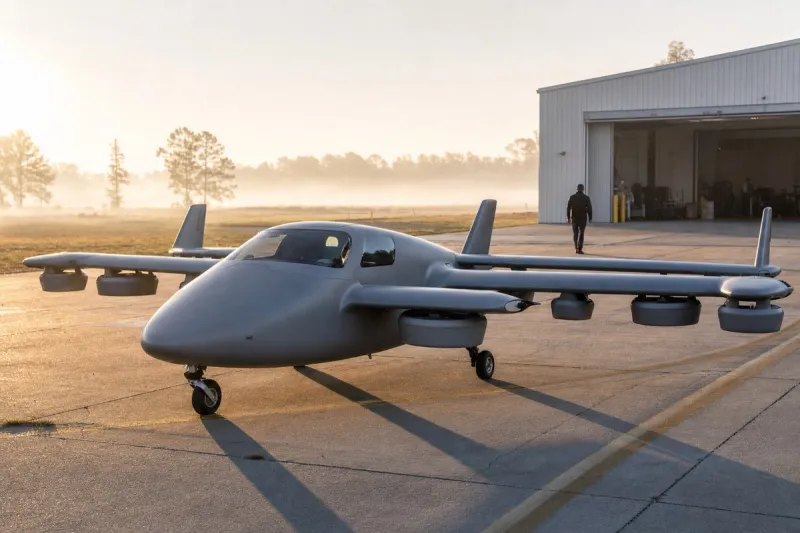
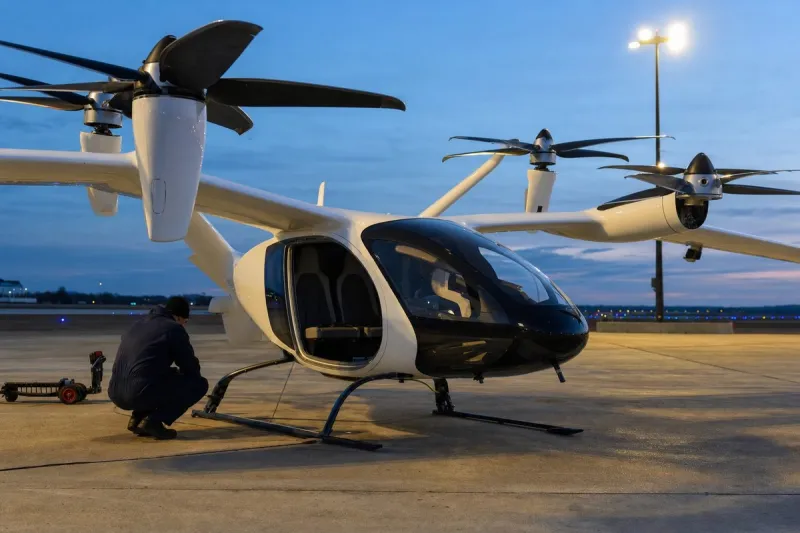
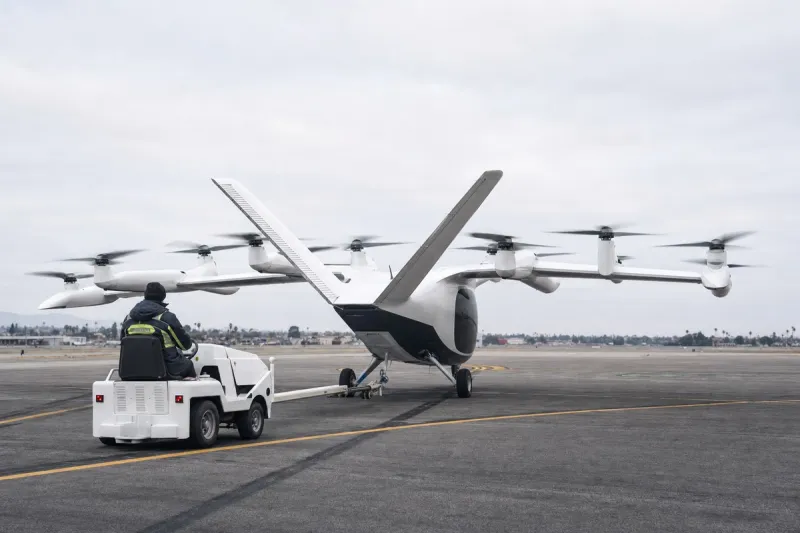
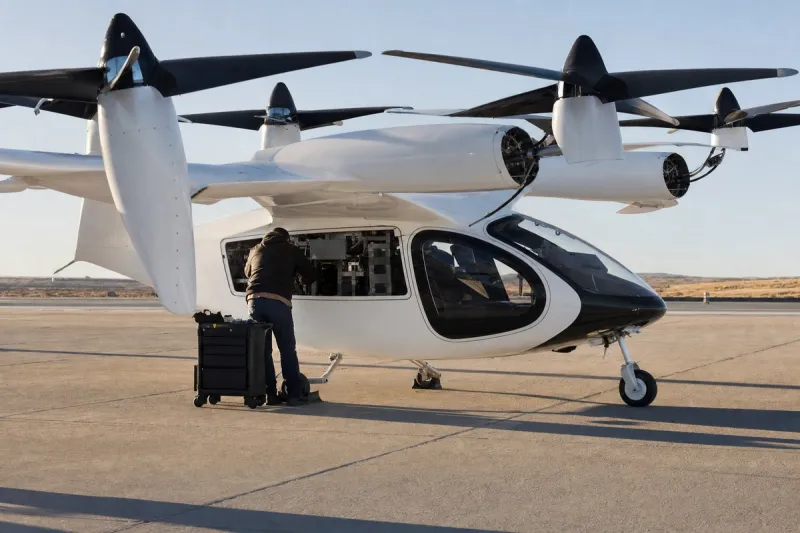
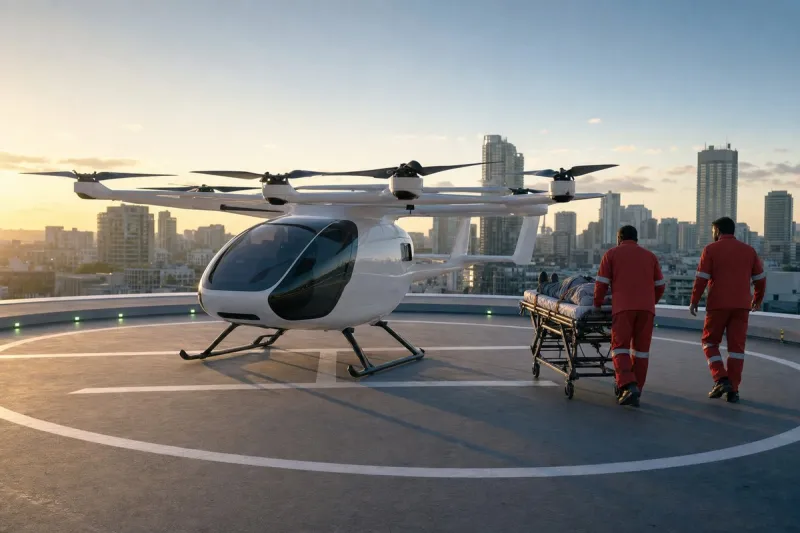
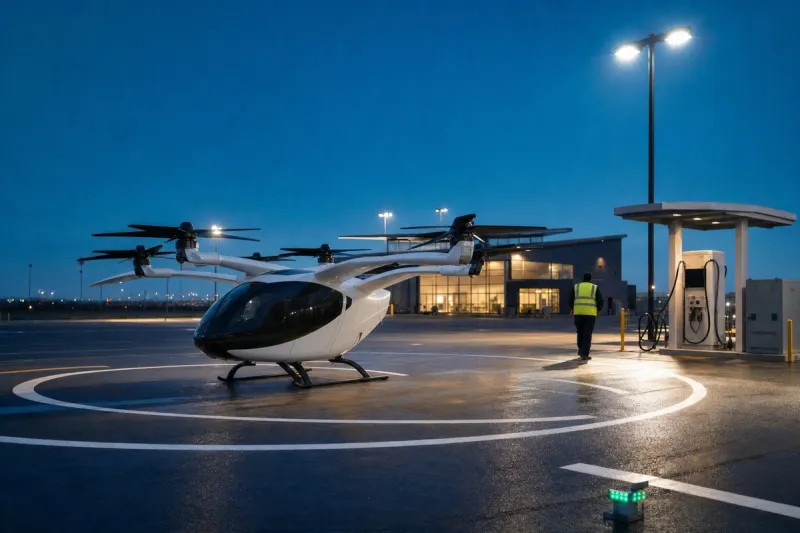
Electric vertical takeoff and landing aircraft and electric planes are seen as a possible next growth path for the category, but they would require new infrastructure such as landing pads and charging facilities that current airparks were not built for. Whether developers invest in that infrastructure ahead of demand, or wait for eVTOL adoption to mature first, will determine whether the airpark concept expands beyond its current fixed-wing base.