Manipal Hospitals, Sarla Aviation and Aeromed Sign MoU to Develop eVTOL Emergency Medical Transport in India
Why It MattersThe tie-up shows air-ambulance development in emerging eVTOL markets advancing through hospital-network and medevac-operator partnerships rather than aircraft certification alone.
What happened
Manipal Hospitals, Sarla Aviation and Aeromed have signed a memorandum of understanding to develop an eVTOL-based emergency medical transport system in India. The partnership combines Sarla Aviation's eVTOL technology, Manipal Hospitals' hospital network and clinical expertise, and Aeromed's experience in air ambulance and medical evacuation services.

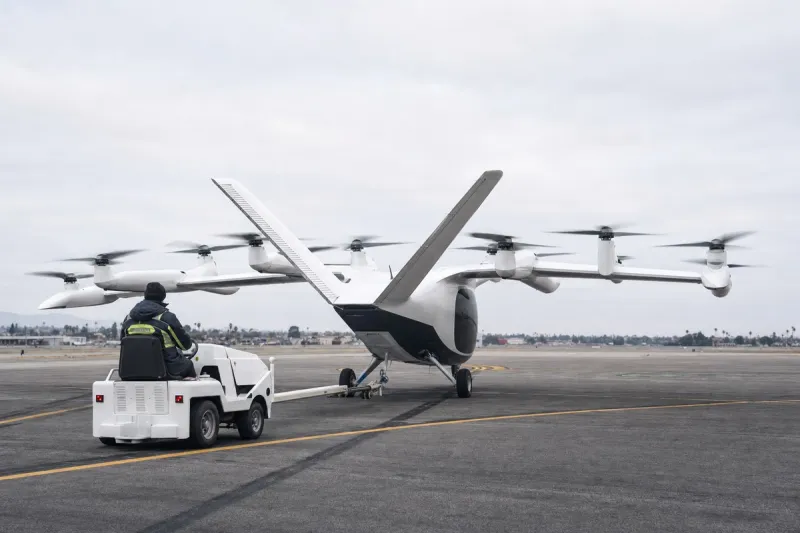
Under the MoU, the partners will focus on designing the medical cabin of Sarla Aviation's Shunya eVTOL aircraft and integrating essential medical equipment into it. They will also establish patient transfer procedures and identify medical routes where faster air transportation could be critical.
The collaboration will cover emergency transfers for trauma, heart attacks, strokes, newborns requiring specialised care, and organ transplantation. The teams will develop standard operating procedures for transferring patients between ground ambulances, the aircraft and hospitals, including protocols for urgent escalation of care. Training programmes, insurance and safety frameworks, and research into patient outcomes will also form part of the collaboration.
Industry impact & what to watch
This MoU belongs to a wider effort in several markets to pair eVTOL developers with clinical and medevac operators before an aircraft is certified, so that cabin design, patient handling and dispatch protocols are worked out alongside the airframe rather than bolted on afterward. Emergency medical transport is one of the use cases most often cited to justify eVTOL investment, precisely because road congestion and travel time already shape clinical outcomes for trauma, cardiac and stroke cases.
How this segment actually develops will depend on work that sits outside the airframe itself: medical cabin certification, insurance frameworks, standard operating procedures across ground ambulance, aircraft and hospital handoffs, and training for crews managing urgent escalation of care. None of that has been established yet under this MoU; it is the stated next phase of the collaboration.
The items to watch are which routes the partners identify as priority corridors, how the Shunya's medical cabin design is finalised, and what the research into patient outcomes eventually shows once operations begin.