European Flyers Takes Delivery of First Tecnam P2010 TDI in 12-Aircraft Fleet Renewal
Why It MattersThe order shows flight academies increasingly standardizing on diesel-powered, glass-cockpit trainers to cut fuel costs and emissions while pairing aircraft purchases with maintenance-team training to sustain fleet reliability.
What happened
European Flyers, described as Spain's leading pilot training organisation, took delivery of its first Tecnam P2010 TDI aircraft on September 1, 2026, in Madrid and Capua, Italy, marking the start of a 12-aircraft fleet renewal programme.
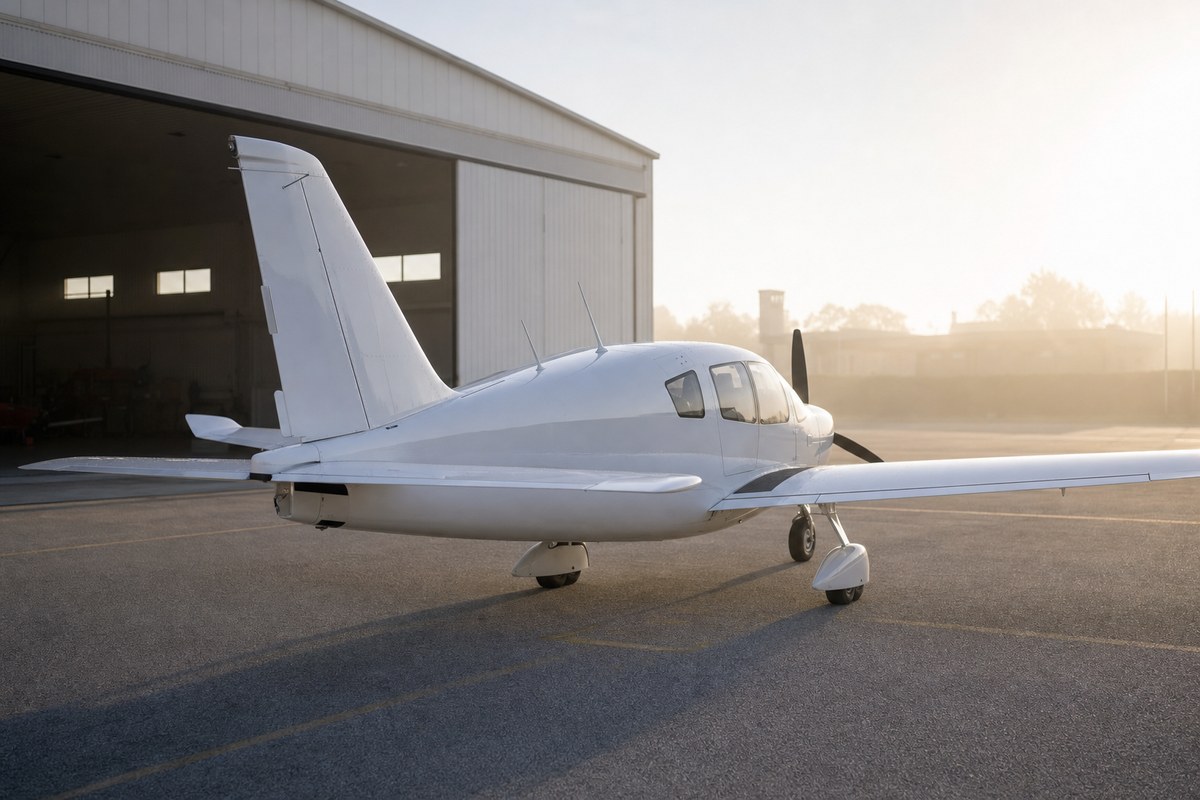
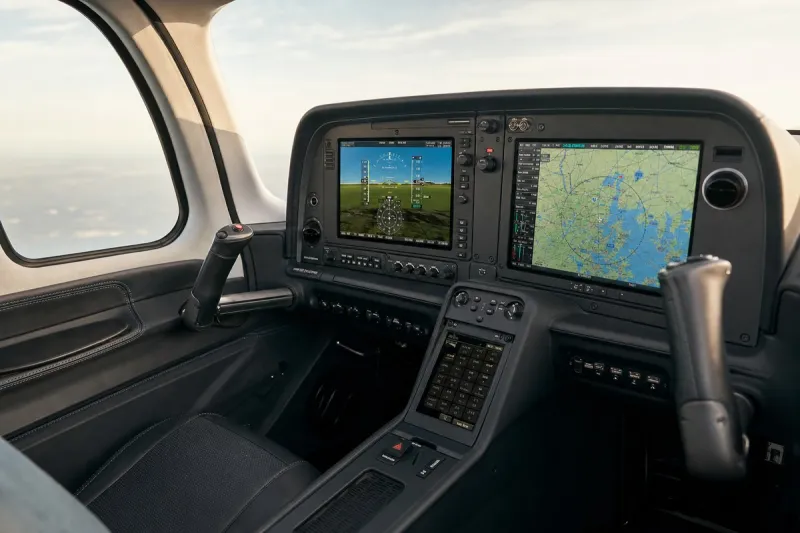
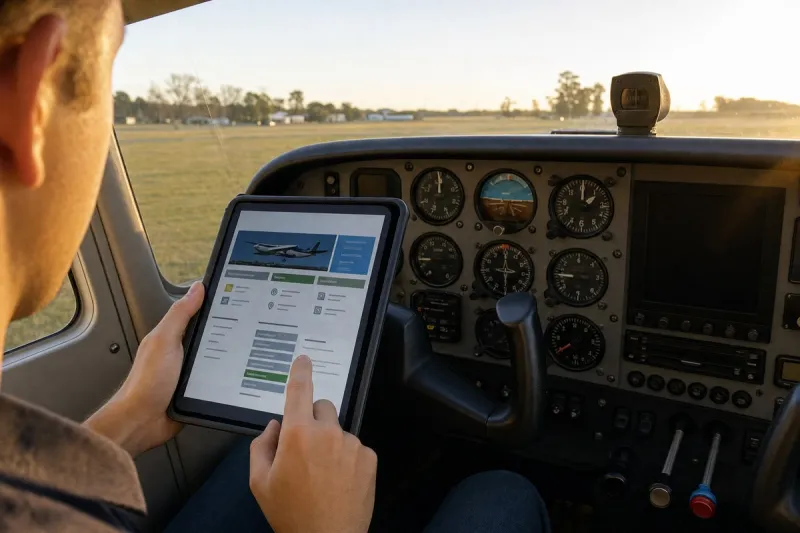
The P2010 TDI is a four-seat aircraft with an integrated autopilot and a Garmin G1000 NXi glass cockpit. It is powered by the Continental CD-170 engine running on JET A1 fuel, which European Flyers and Tecnam say is intended to improve operational efficiency and support sustainability objectives through lower fuel consumption and reduced carbon emissions.
Founded in 1991, European Flyers merged with Aerotec in 2025 and operates training bases at Cuatro Vientos (Madrid), Mutxamel (Alicante), Casarrubios (Toledo) and Seville, offering training for aeroplane, helicopter and drone pilots. It is affiliated with the Universidad Politécnica de Madrid for a Degree in Aeronautical Management. The delivery was facilitated by Alvaro La Petra, Tecnam's authorised dealer in Spain, and the partnership includes specialised technical training for European Flyers' maintenance teams covering all 12 incoming aircraft.
Luis Miñano, Director General of European Flyers, said the acquisition "reflects our commitment to the continuous improvement of training quality and to strengthening European Flyers as a benchmark in pilot training." Walter da Costa, Chief Sales Officer at Tecnam, called Spain "one of the most vibrant and important regions for Tecnam in Europe" and described the order as "a testament to the reliability, innovation, and sustainability our platforms deliver to top-tier academies globally."
Industry impact & what to watch
Fleet renewals of this kind reflect how pilot training organisations weigh operating costs against training capacity: a diesel-cycle engine burning JET A1 rather than traditional avgas changes the fuel-cost and emissions profile of an academy's flight hours, which matters when an academy runs high-frequency training cycles across multiple bases.
Bundling the aircraft delivery with maintenance-team training for the dealer network shows how these deals extend beyond the airframe purchase itself — the academy's ability to keep 12 aircraft flying reliably depends as much on technician readiness as on the aircraft's own specification. That pairing of hardware and training support is typical of how manufacturers position academy fleet deals to secure long-term reliability commitments.
What remains to be seen is the pace at which the remaining 11 aircraft in the order are delivered and how European Flyers integrates them across its four bases in Madrid, Alicante, Toledo and Seville alongside its existing fleet.