Solairus Aviation to Acquire Clay Lacy Aviation's Aircraft Management and Charter Divisions, Creating World's Largest Managed Fleet
Why It MattersConsolidation in aircraft management is increasingly aimed at scale advantages in cost control, pricing leverage and service reach, while infrastructure assets like FBOs and maintenance can be separated out as distinct businesses.
What happened
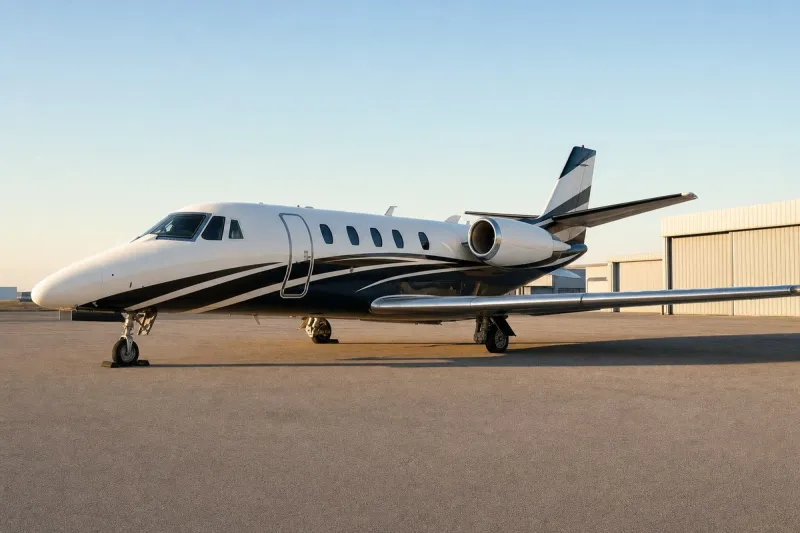
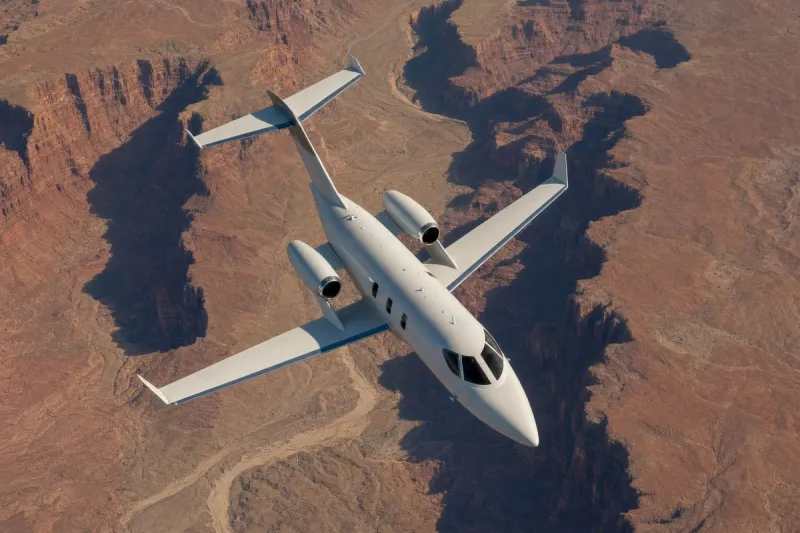
Solairus Aviation, headquartered in Petaluma, California, has announced an agreement to acquire the Aircraft Management and Charter divisions of Clay Lacy Aviation, based in Van Nuys, California. Upon completion, Solairus will operate a managed fleet of more than 500 aircraft, which the company says will be the world's largest.
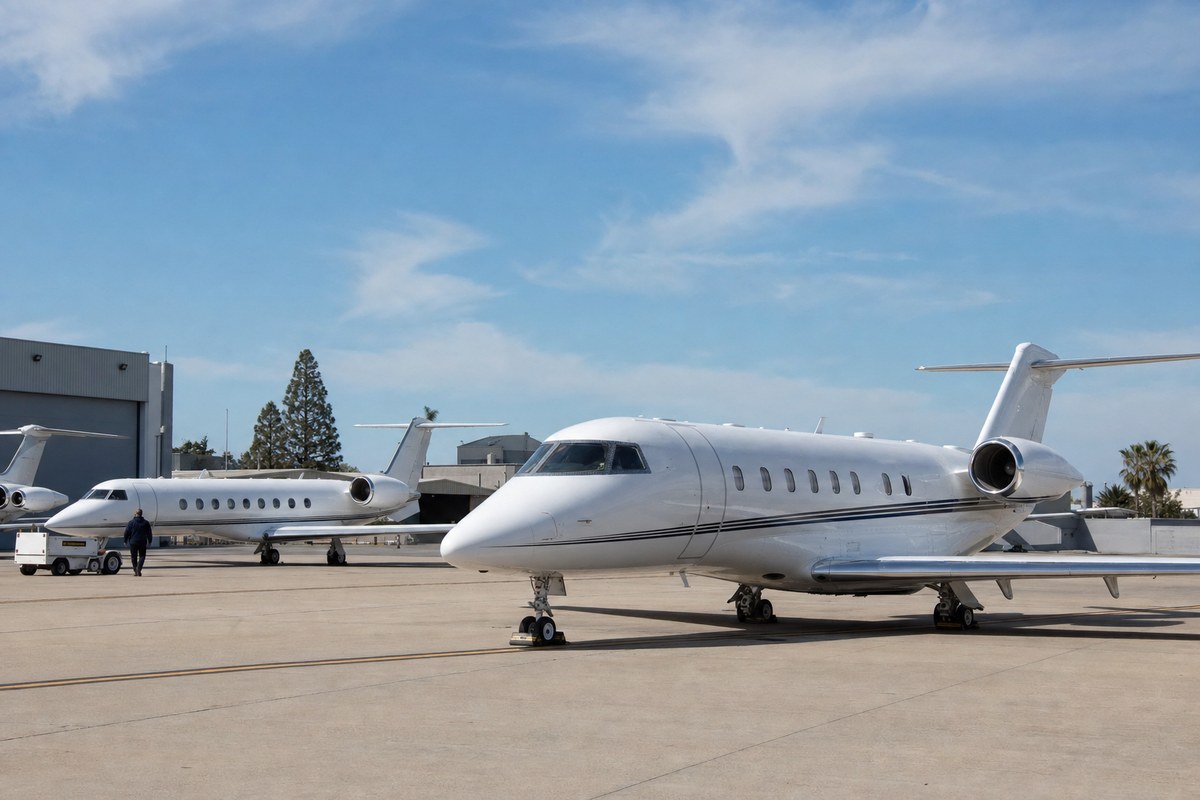
Solairus currently manages approximately 360 aircraft from more than 100 base locations across North America, while Clay Lacy Aviation manages approximately 140 aircraft. The combined entity will remain headquartered in Petaluma, with offices in Los Angeles and New York. "With this transaction, Solairus solidifies its position as the leading pure-play aircraft management company in the world," said Dan Drohan, founder and chief executive of Solairus. The company said greater scale is expected to help manage rising costs, negotiate improved pricing, and expand service access.
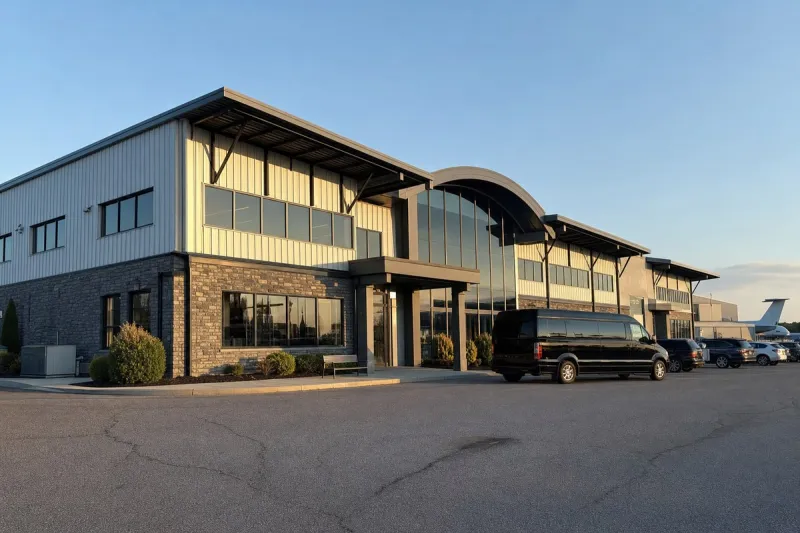
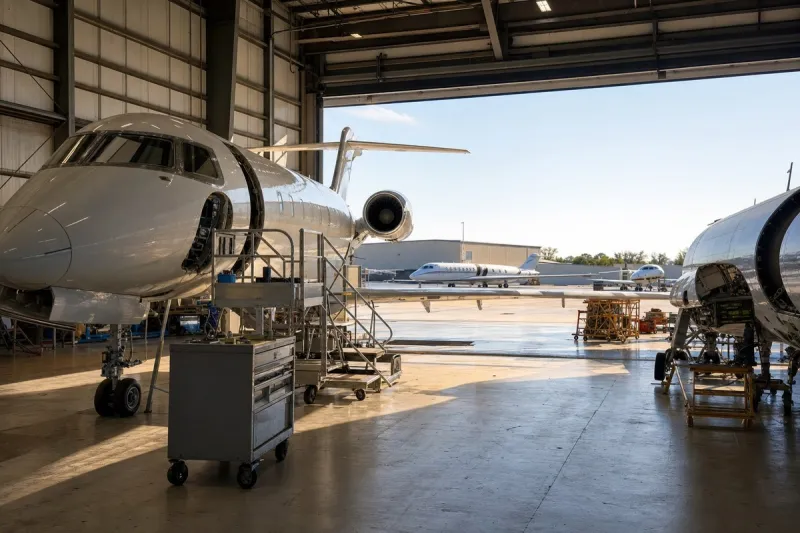
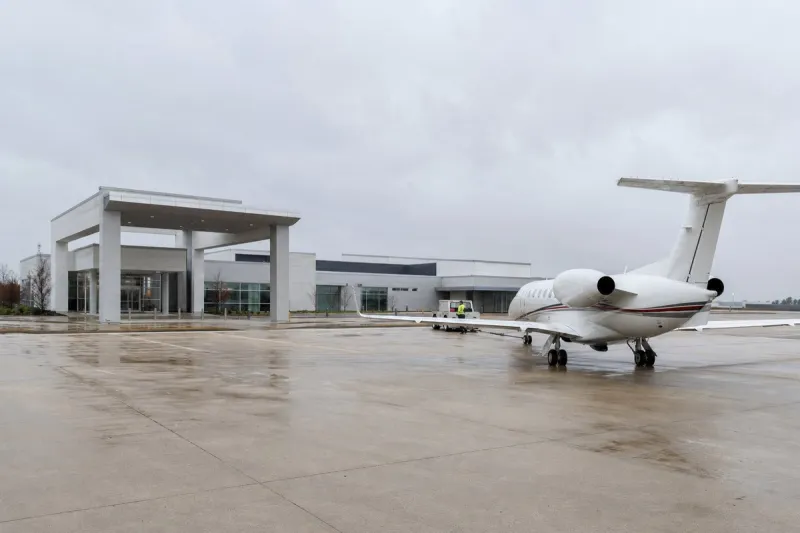
Clay Lacy Aviation's Fixed-Base Operator (FBO), maintenance, and real estate businesses will remain as stand-alone entities under the Clay Lacy name with their current ownership. "Clay Lacy will continue forward as a focused aviation infrastructure platform built around FBOs, aviation real estate and aircraft maintenance," said Brian Kirkdoffer, chairman of Clay Lacy Aviation. Jefferies acted as exclusive financial advisor to Clay Lacy Aviation. The transaction is subject to regulatory approvals and customary closing conditions, and is expected to close at the end of September 2026.
Industry impact & what to watch
This deal follows a broader push in aircraft management and charter toward consolidation, where operators combine fleets to gain purchasing power with OEMs, insurers and fuel suppliers, and to spread fixed costs like scheduling, safety oversight and crew training across a larger base. Pure-play management companies compete partly on the breadth of base locations they can offer aircraft owners, so folding Clay Lacy's roughly 140 aircraft into Solairus's network changes the geographic reach available to owners under one management umbrella.
The structure of the transaction is also notable: rather than selling itself entirely, Clay Lacy is separating its infrastructure businesses, FBOs, maintenance and real estate, from the more commoditized management and charter functions. That split reflects how the economics of these segments differ; asset-heavy infrastructure businesses generate returns from real estate and fixed facilities, while management and charter businesses depend on fleet scale and utilization.
What comes into focus next is regulatory approval and the actual close, targeted for the end of September 2026. Until that clears, the combined fleet figure, and any resulting shifts in pricing or service access for aircraft owners, remains contingent on the deal completing as structured.