Wealthy Travelers Drive Revival in Private Aviation Demand, With Options Ranging From Charter to Fractional Ownership
Why It MattersPrivate aviation's tiered structure, from single charters to jet cards to fractional ownership, lets operators capture flyers at different frequency and spend levels rather than a single price point.
What happened
Demand for private aviation is rising among ultra-wealthy travelers, a shift Barry Shevlin, CEO of private aviation operator FlyUSA, links partly to new wealth from AI startups. The rise comes as commercial air travel in the United States has recorded over 752,000 flight delays, more than 76,000 cancellations, and 9,670 route changes so far in 2026, according to Bureau of Transportation statistics.
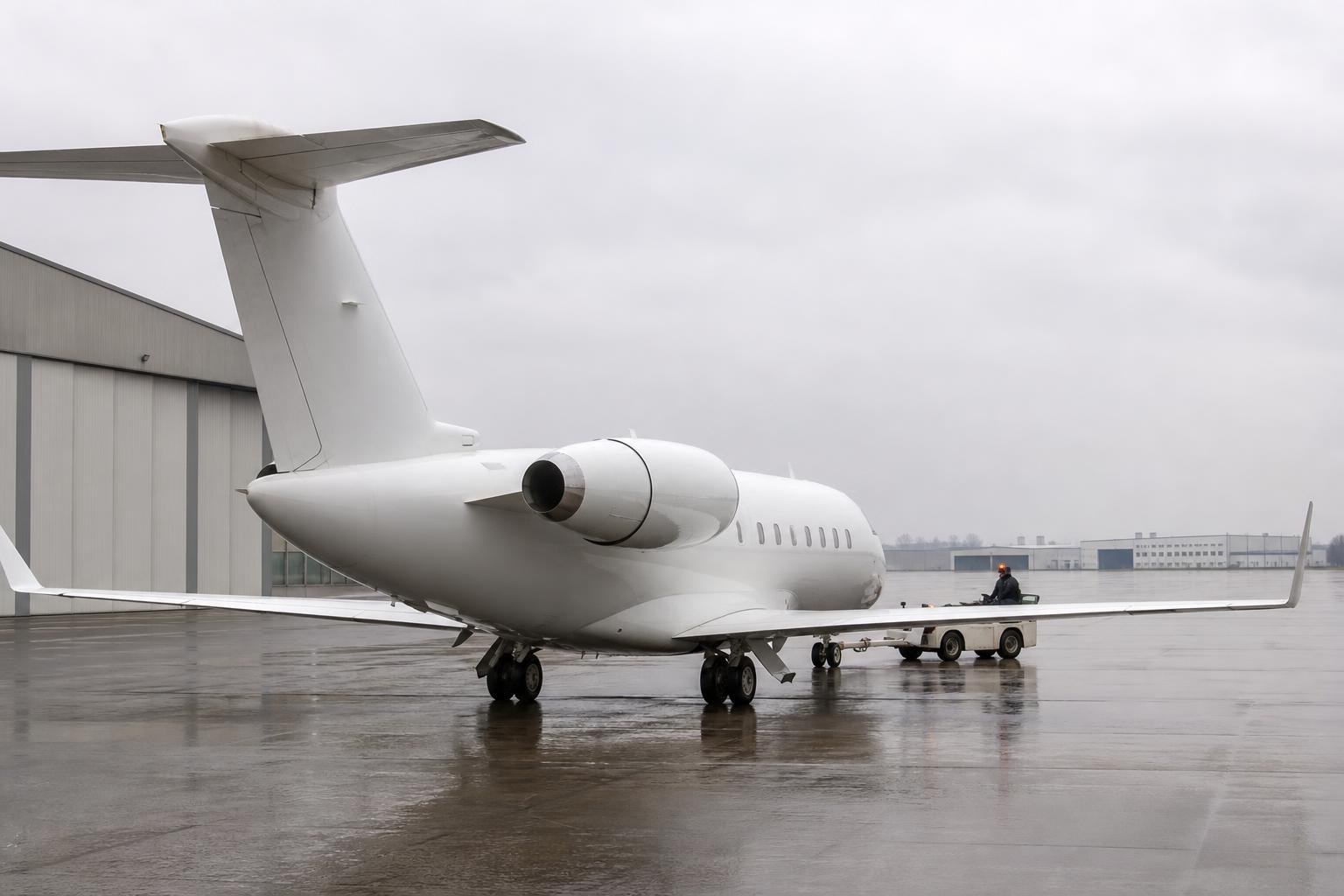
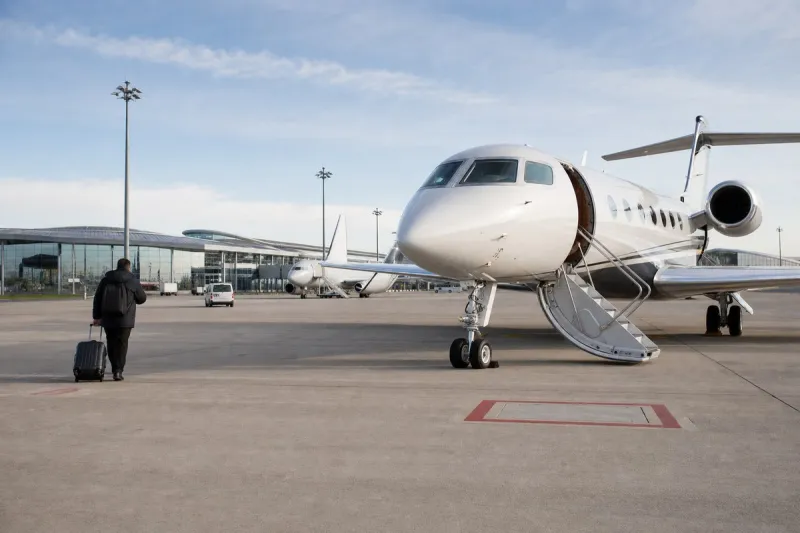
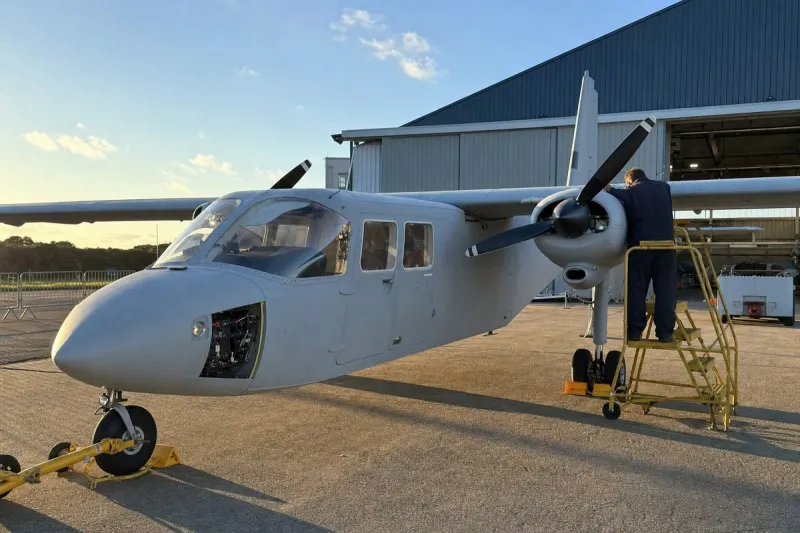
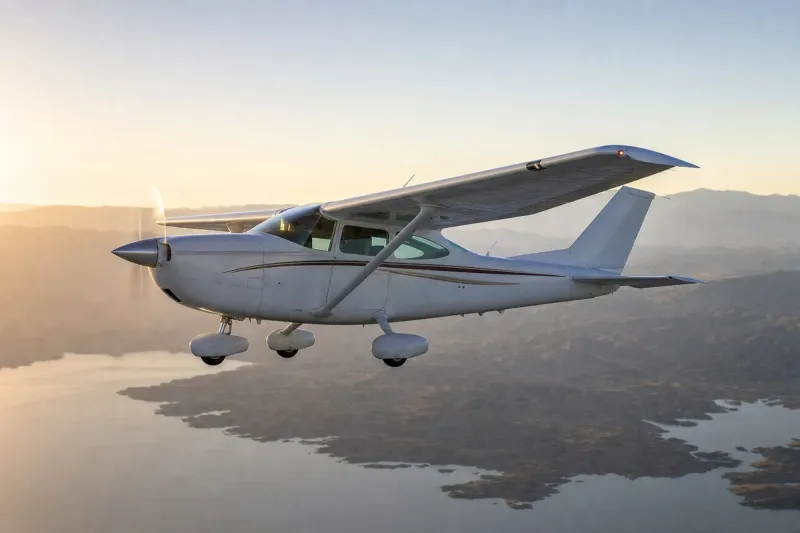
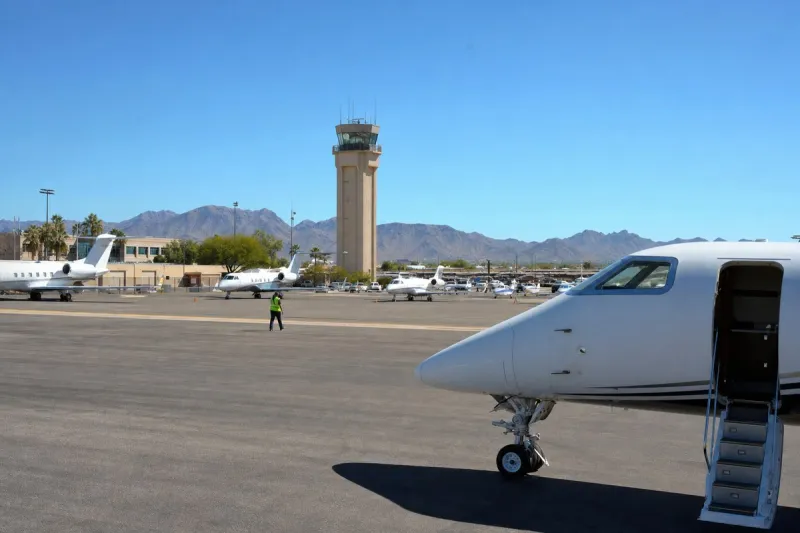
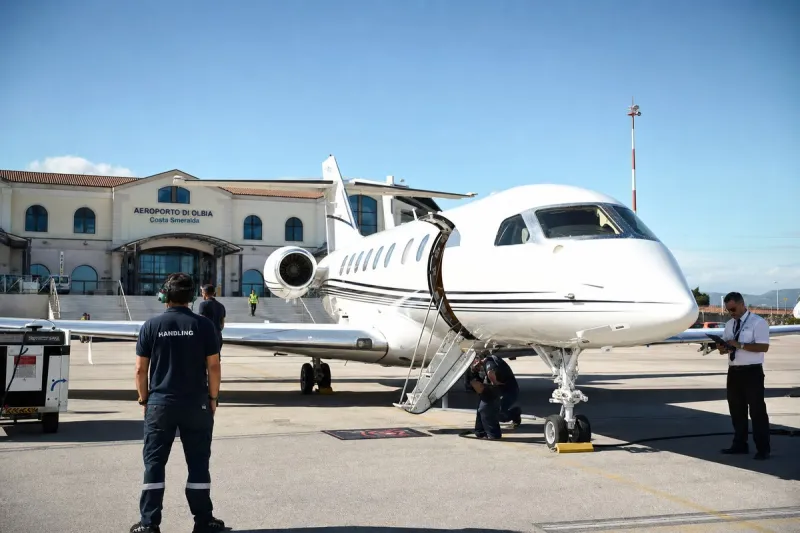
Shevlin says the industry's target demographic is generally people with a net worth exceeding $10 million, though he notes net worth alone is not the deciding factor — flight frequency, time value, and willingness to commit financially matter more. Access typically follows a tiered progression: most first-time flyers begin with a single charter trip with no ongoing commitment. Shevlin says a family trip around Florida or to the Bahamas on a single-engine aircraft such as a Pilatus PC-12 can cost under $10,000, compared with a round-trip commercial fare from Miami to the Bahamas in American Airlines Premium class of approximately $731 per person — over $2,900 for a family of four on the roughly 49-minute nonstop flight.
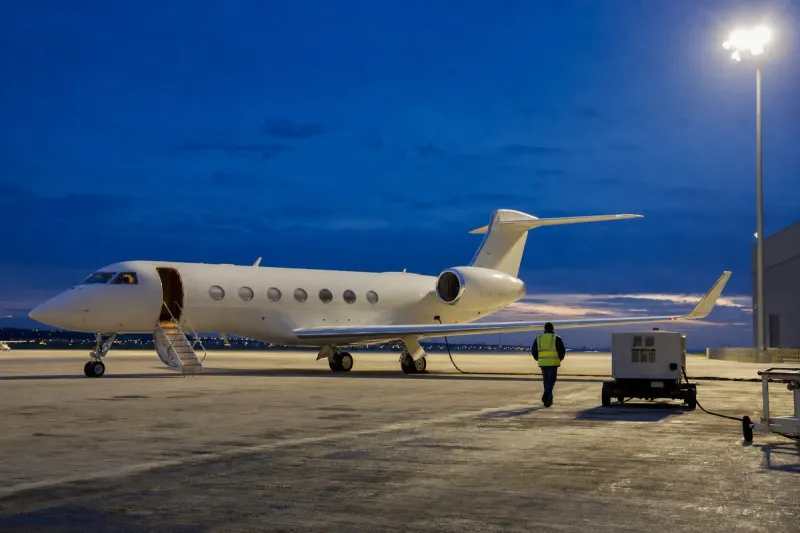
Passengers who fly private more than once or twice a year typically move to a membership program offering discounted per-flight rates; FlyUSA members receive $1,000 off flights at booking and earn 2% cashback. Jet cards, which let travelers prepay a block of flight hours at a fixed hourly rate, suit those flying three or more times annually, Shevlin says. Fractional ownership — purchasing a share of a specific aircraft, similar to a timeshare — is the next tier, and outright aircraft purchase is the final and least common step, costing between $2 million and $100 million with additional operating costs of approximately $500,000 per year; Shevlin notes unexpected expenses such as de-icing fees catch many new owners off guard.
On security, private terminal passengers still pass through metal detectors and are vetted against homeland security databases including the No Fly List. FlyUSA conducts a know-your-customer check on new clients, and all passengers undergo electronic TSA vetting before each flight.
Industry impact & what to watch
This case illustrates how private aviation operators segment demand by frequency and spend rather than by a single membership tier. A traveler's path from single charter to membership to jet card to fractional share to outright ownership mirrors how the segment prices commitment: each step trades a lower per-flight cost for a larger upfront or recurring obligation, letting operators like FlyUSA capture occasional flyers and frequent flyers with different products instead of one price point.
The commercial-disruption backdrop matters here as a demand driver rather than a cause operators control — delays, cancellations, and route changes raise the value of predictable departure times, which is the time-value argument Shevlin makes for why net worth alone doesn't determine who buys in. Whether this pattern holds depends on whether disruption levels stay elevated through the rest of 2026, and whether new entrants from sectors such as AI startups keep flowing into the $10 million-plus bracket Shevlin describes as the industry's general target.