Air Ambulance Providers Tackle Rising Costs While Maintaining Clinical Standards
Why It MattersCost inflation is pushing air ambulance operators toward fleet mix, digital workflow and vendor consolidation strategies to protect margins without touching clinical or safety standards.
What happened
Air ambulance operators are contending with rising fuel prices, maintenance costs, staffing shortages and regulatory requirements, and several executives described how their organisations are responding while working to preserve patient safety and clinical quality.
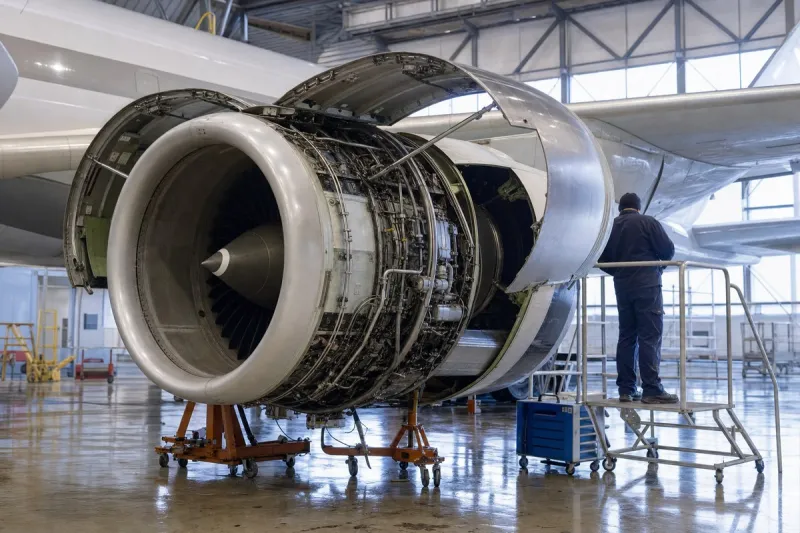
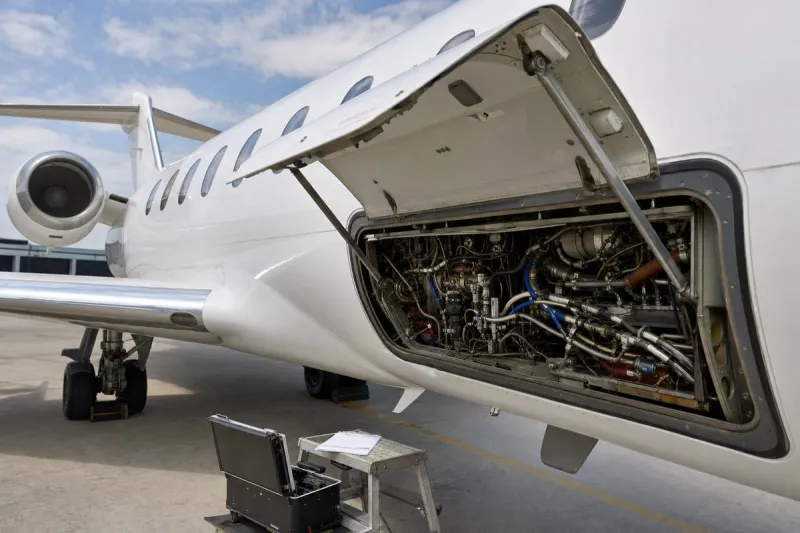
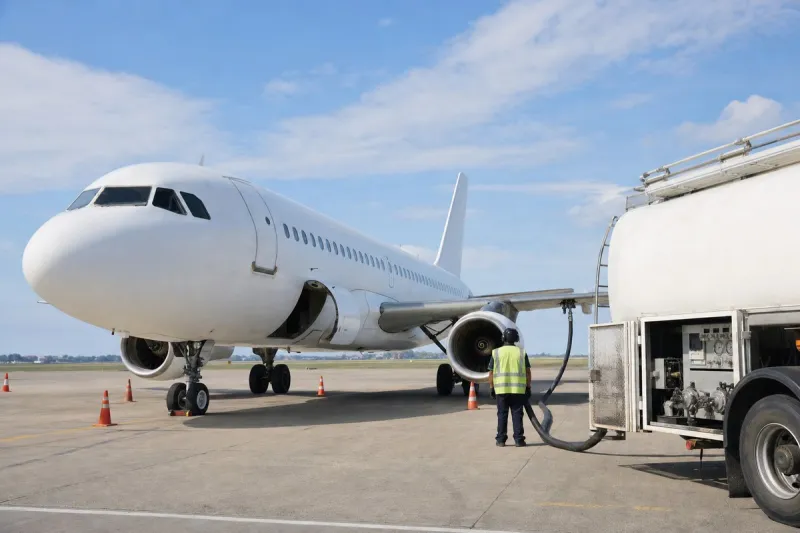
Volker Lemke, Managing Director of FAI Medical Services, said airway and handling charges have risen by approximately 15%, maintenance costs tied to staff deployment and spare parts by around 20%, and aviation fuel costs by at least 30% over the past 12 months, with some regions seeing fuel costs climb by over 130%. Vinod Nair, Chief Executive Officer at Bluedot Air Ambulance, pointed to extended payment cycles from insurers and assistance companies as an added strain, saying delayed receivables impair cash flow and make it harder to sustain daily operations, invest in technology and maintain standby readiness. Nicola Høgh Spagnolo, Operations Control Centre Manager at SmuuthCare, said major inspections and component replacements hit small-fleet operators as concentrated, significant expenses that cannot be spread across a larger fleet.
Nair said the response to cost pressure should come through improved planning, utilisation and operational discipline, citing better aircraft utilisation, stronger case triage, efficient routing, preferred vendor agreements, fuel planning and tighter coordination among medical, aviation and commercial teams. Bluedot has integrated air ambulance, commercial flight stretcher and medical assistance services under one platform to cut cost layers created when multiple vendors handle different stages of care. Mustapha Hmoud, Sales and Development Manager at Air Ocean Maroc Air Ambulance (AOM Air Ambulance), said the company maintains a diversified fleet, including three Learjet 45 aircraft for medium-range missions alongside larger aircraft for long-haul operations, to match aircraft to mission needs.
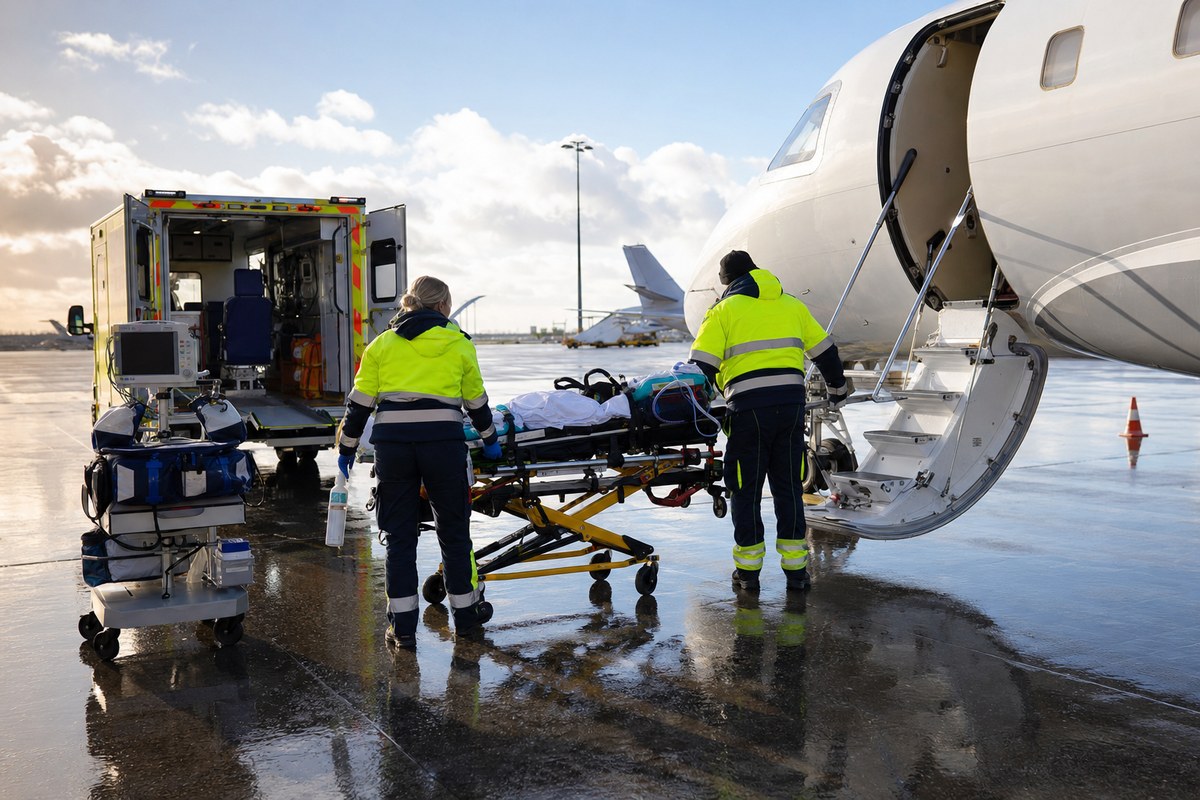
Lemke said FAI Medical Services conducts weekly assessments of global fuel prices and adjusts fuel surcharges accordingly, relying on optimised flight combinations to offer competitive pricing while covering costs. On technology, Nair described digital transformation and process automation as among the most effective long-term efficiency strategies, and said Bluedot has introduced an automated digital backend across several operational workflows to reduce manual errors, improve communication and shorten turnaround times. Hmoud said AOM Air Ambulance has developed a paperless patient handover system enabling secure sharing of medical information among referring hospitals, aeromedical teams and receiving facilities, reducing administrative delays and supporting clinical decision-making. SmuuthCare said medical personnel work through a dedicated aeromedical partner, letting the company maintain high clinical standards without building that capability in-house.
Industry impact & what to watch
This account describes a segment absorbing input-cost inflation across fuel, maintenance and airway charges while insurer payment cycles stretch out receivables, a combination that squeezes cash flow for operators that must still fund standby readiness around the clock. Small-fleet operators feel this differently: without enough aircraft to spread a major inspection or component replacement across, a single maintenance event becomes a concentrated hit that a larger fleet would absorb more gradually.
The operators quoted here converge on the same lever: efficiency and structural discipline instead of cuts to clinical or safety standards. That takes several forms in this account, including fleet diversification so aircraft can be matched to mission length, vertical integration of air ambulance, stretcher and assistance services under one platform to remove vendor-added cost layers, weekly fuel-price reviews feeding surcharge adjustments, and outsourcing medical staffing to a dedicated aeromedical partner instead of building that capability internally. Digital backends and paperless handover systems appear as parallel efforts to cut administrative delay and manual error across referring hospitals, aeromedical teams and receiving facilities.
What determines whether these measures hold up is whether utilisation gains and vendor consolidation can outpace continuing fuel and maintenance inflation, particularly in the regions where fuel costs have risen by over 130%. The next signal to watch is whether insurers and assistance companies shorten payment cycles, since that receivables strain was singled out as a separate pressure from the cost increases themselves.