Smoking on U.S. Flights: A Timeline From Cabin Sections to Total Ban, and What Rules Apply to Private Jets
Why It MattersBecause private charter smoking rules hinge on operator and crew discretion rather than federal mandate, the segment retains a flexibility commercial carriers lost decades ago.
What happened
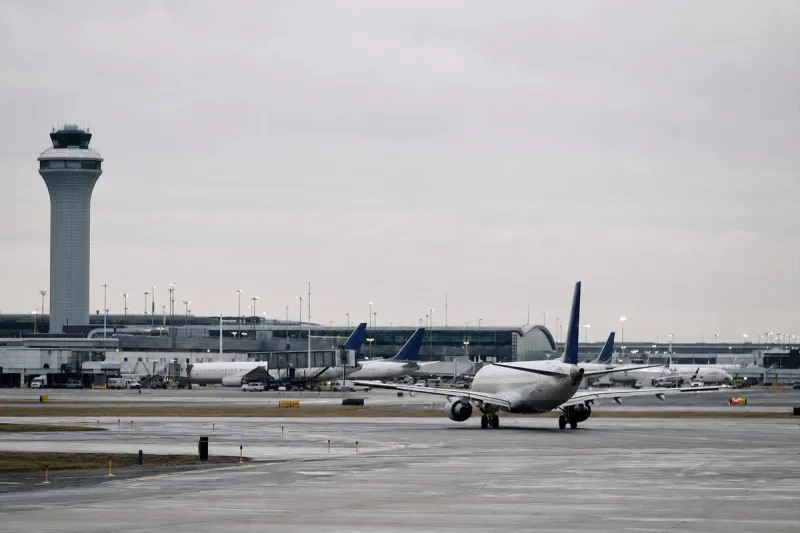
Smoking is now prohibited on all flights operating within or into the United States, the endpoint of a regulatory process that began in 1973, when the Civil Aeronautics Board required commercial flights to separate smokers from non-smokers. The first outright ban took effect in 1988, covering domestic U.S. flights of two hours or less, and that limit was extended to flights of six hours or less in 1990. By 1995, Delta Air Lines had voluntarily banned smoking on all of its worldwide flights. Pilots were initially exempted from the ban because regulators were concerned that nicotine withdrawal could impair flight safety, before a comprehensive ban was eventually applied to all U.S. flights, including international routes arriving in the country.
Electronic cigarettes and vaping devices were addressed separately: the U.S. Department of Transportation banned their use by passengers and crew on all domestic and international flights in 2016. Vapes may not be placed in checked baggage and must be carried in the cabin because of the lithium batteries they contain, and charging a vape onboard is also prohibited. The Federal Aviation Administration reported that such devices were responsible for most lithium battery incidents recorded in 2022. Passengers who smoke in aircraft lavatories trigger smoke detectors linked to the cockpit.
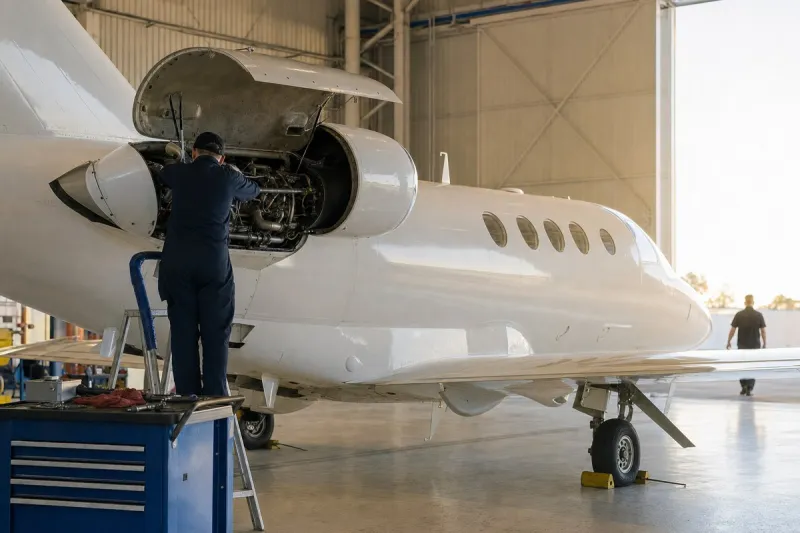
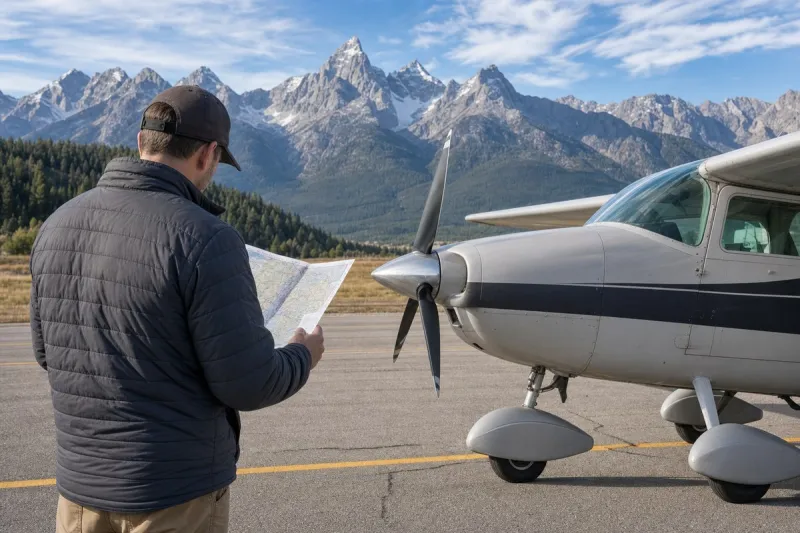
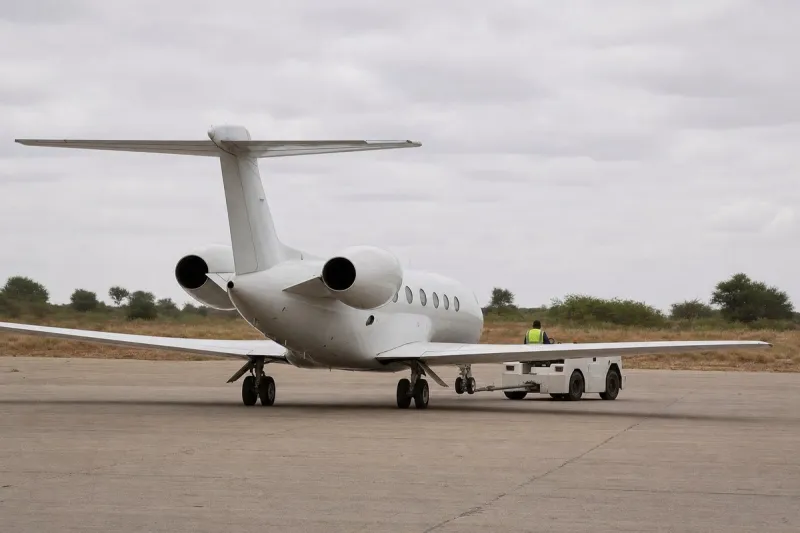
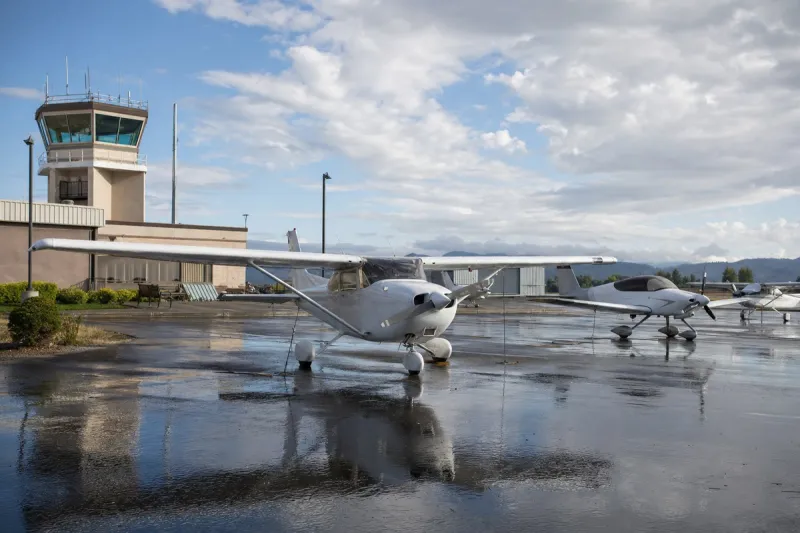
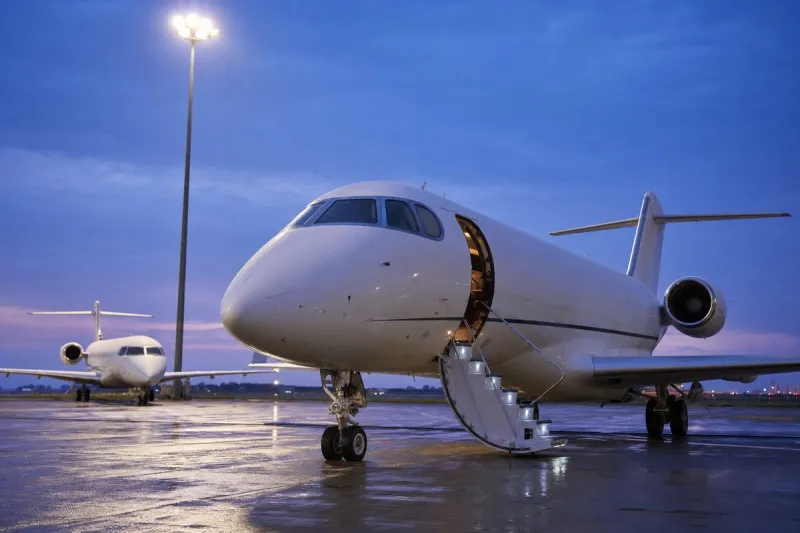
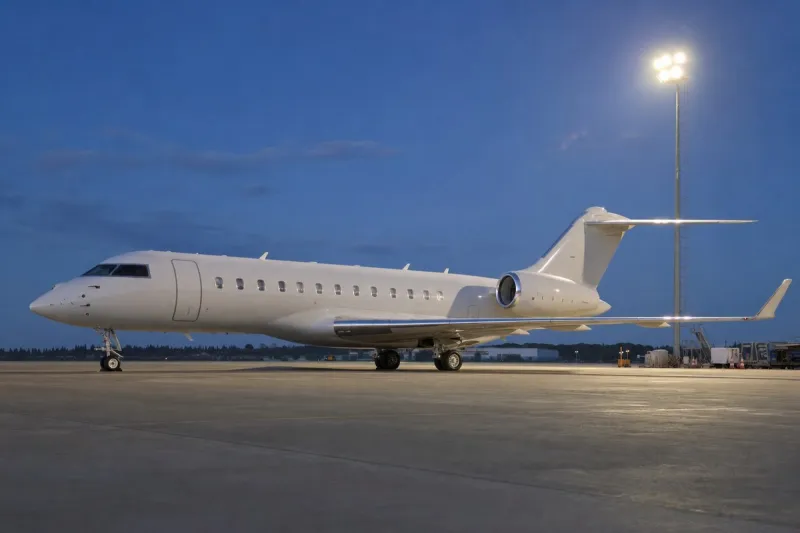
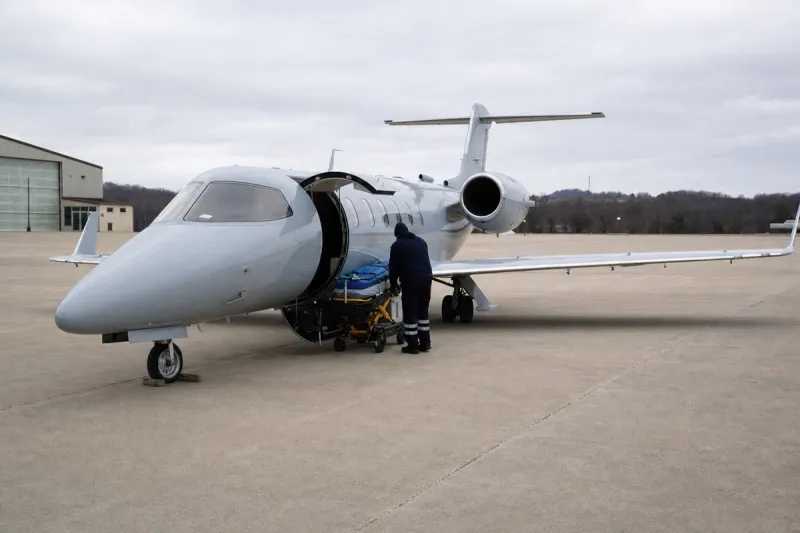
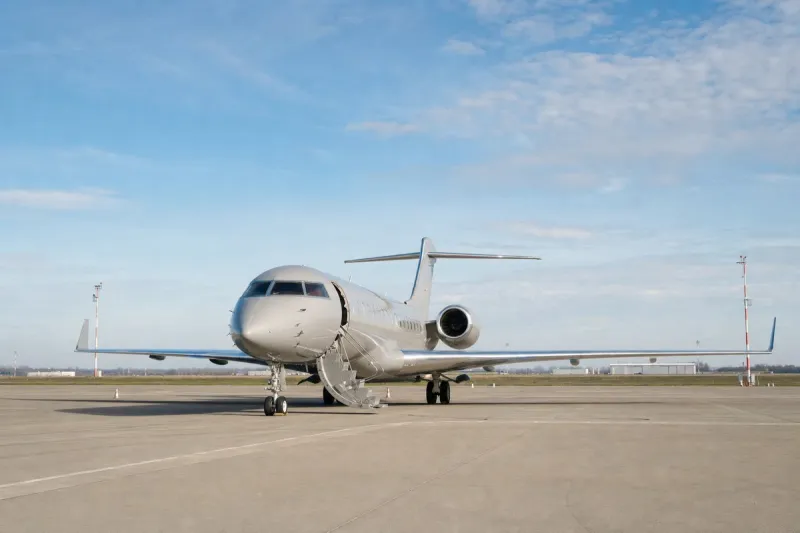
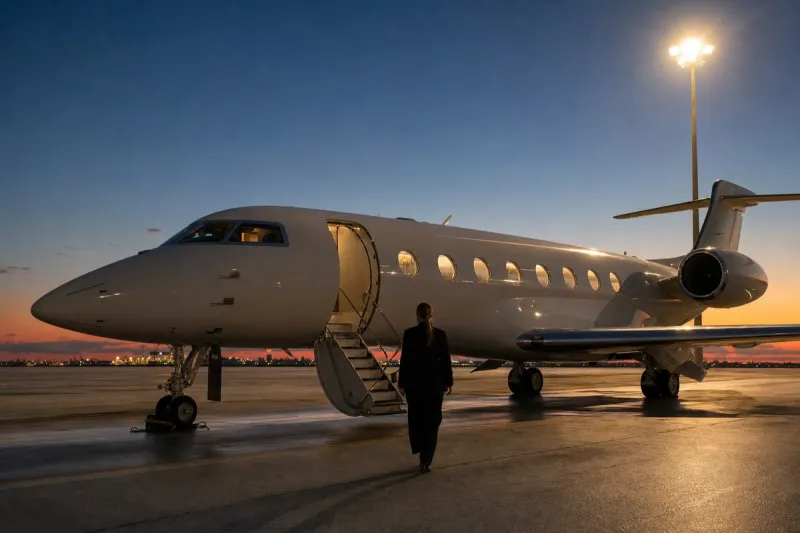
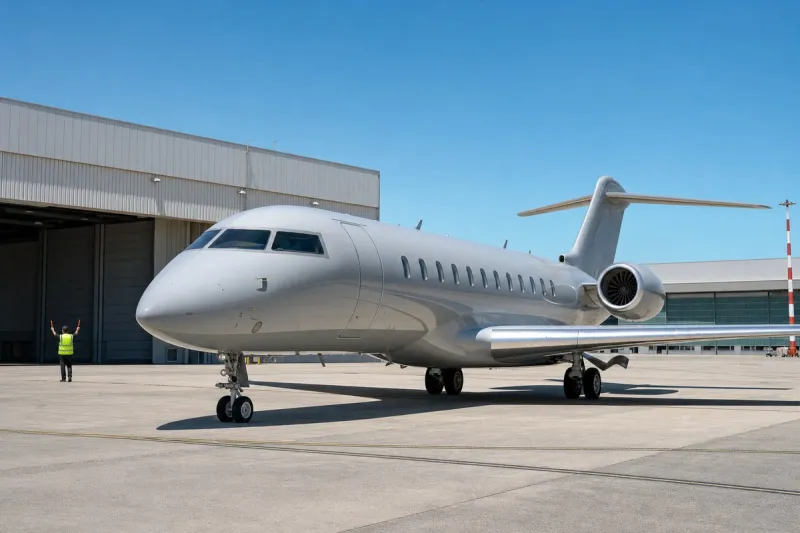
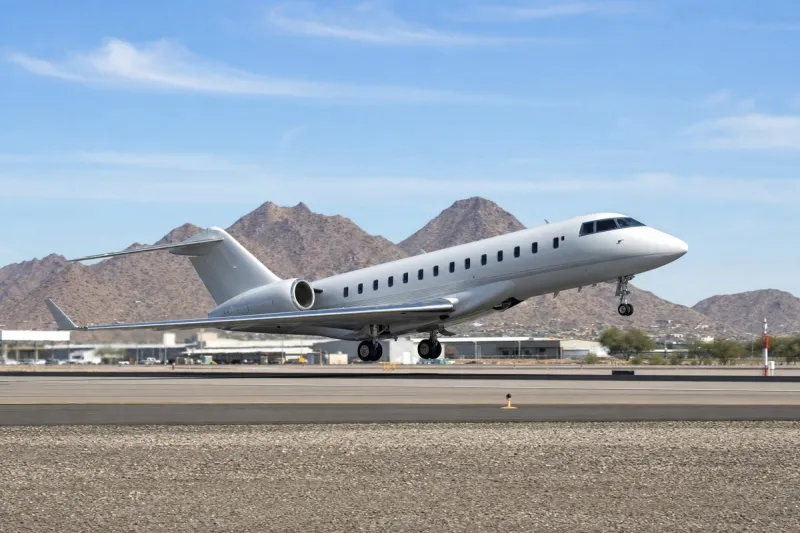
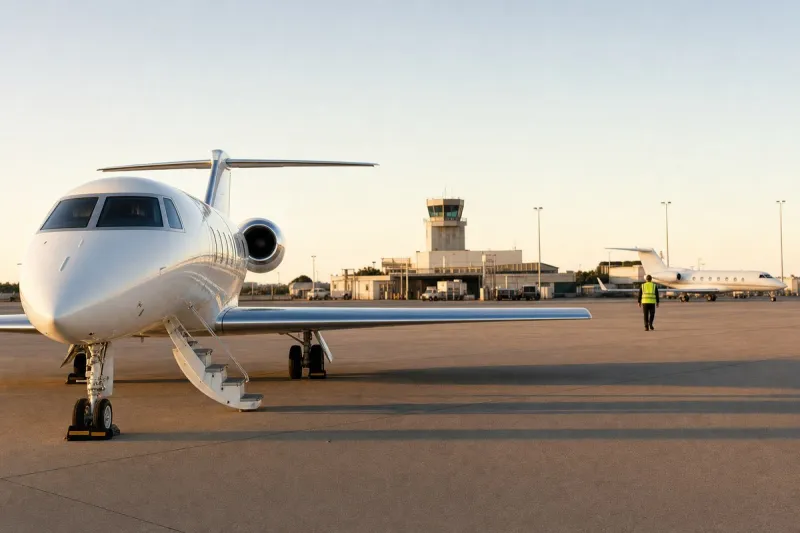
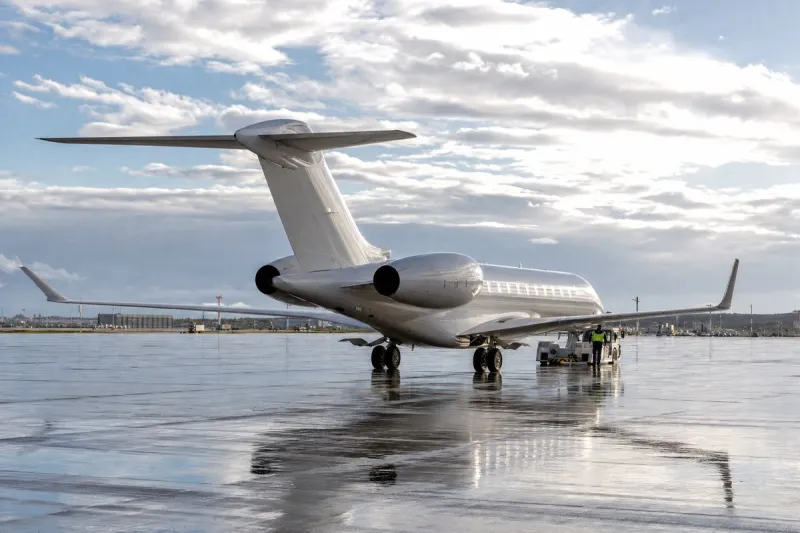
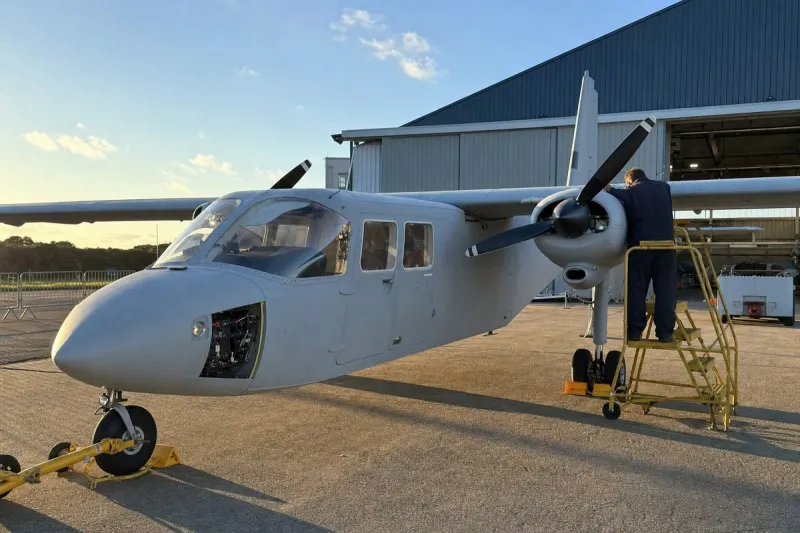
Private aviation operates under different rules. Individuals who own their own aircraft are not subject to the same federal commercial-airline restrictions. For chartered private jets, smoking policies are set at the discretion of the charter company, with a key factor being whether crew members — pilots or flight attendants — consent to passengers smoking. On smaller single-engine aircraft, where no physical separation exists between the pilot and passengers, smoking is prohibited because cigarette smoke can interfere with the pilot's ability to operate the aircraft safely.
Industry impact & what to watch
This history shows how U.S. aviation smoking rules moved in stages — from separation in 1973 to duration-based bans in 1988 and 1990, then to a full ban that eventually closed even the pilot exemption. Each step responded to a specific gap rather than arriving as one sweeping rule, which is why vaping needed its own 2016 rule once lithium-battery devices created a distinct hazard from combustible cigarettes.
Private charter operates on a different logic because it is not bound by the same commercial-carrier mandate: policy sits with the charter company and ultimately with whether the crew consents, meaning the same aircraft type could carry different smoking rules depending on who is flying it and who is on duty. Owner-flown aircraft sit outside federal commercial restrictions entirely, while single-engine aircraft without cabin separation are constrained by the same operational-safety logic that once justified the pilot exemption, only in reverse.
What remains open is how consistently individual charter operators apply crew-consent policies in practice, since that discretion is what continues to separate private aviation's approach from the uniform ban now covering scheduled commercial flights.