Driggs-Memorial Reed Airport Runway Restored to Full 7,301-Foot Length After Summer Closure
Why It MattersThe episode shows how small self-sufficient airports absorb infrastructure failures largely through their own emergency reserves, since federal funding eligibility can hinge narrowly on how a repair is classified.
What happened
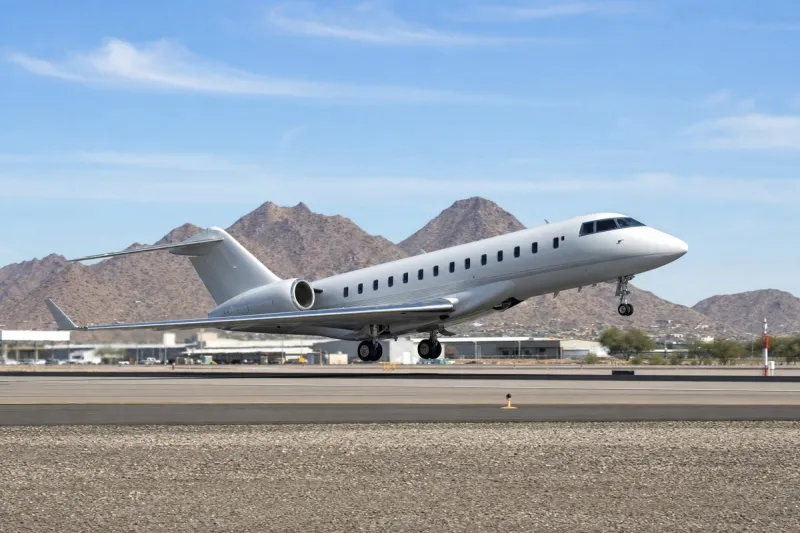
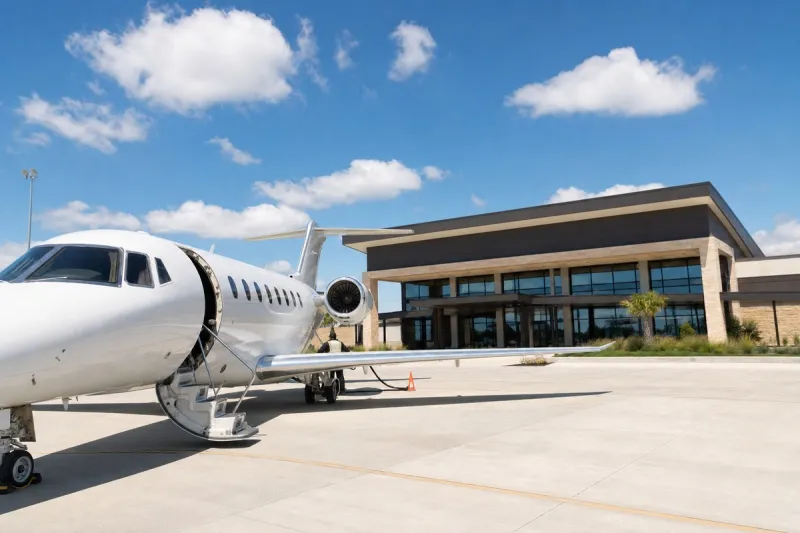
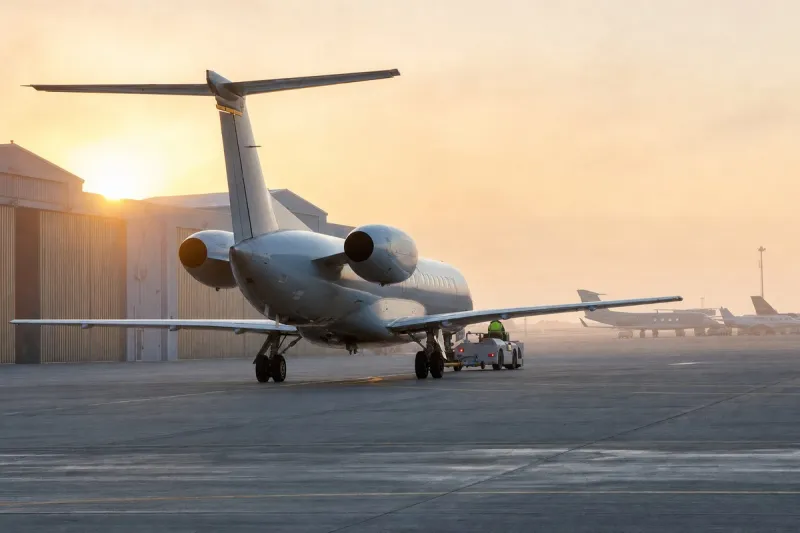
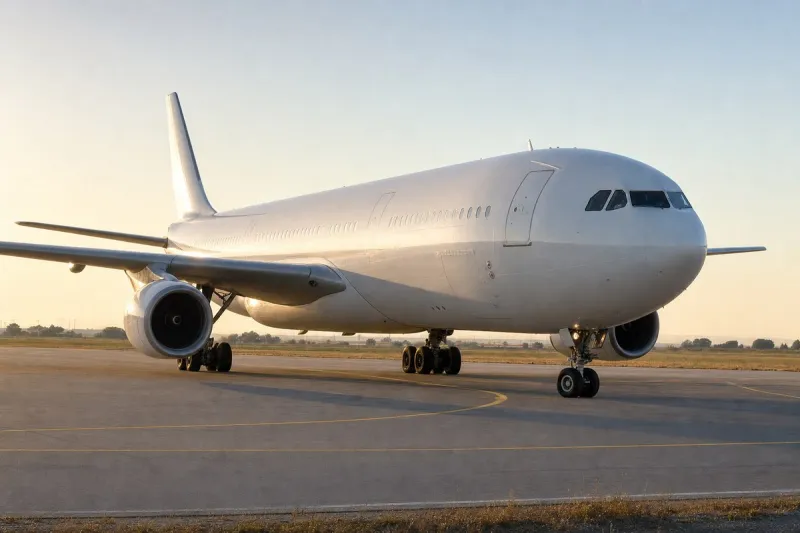
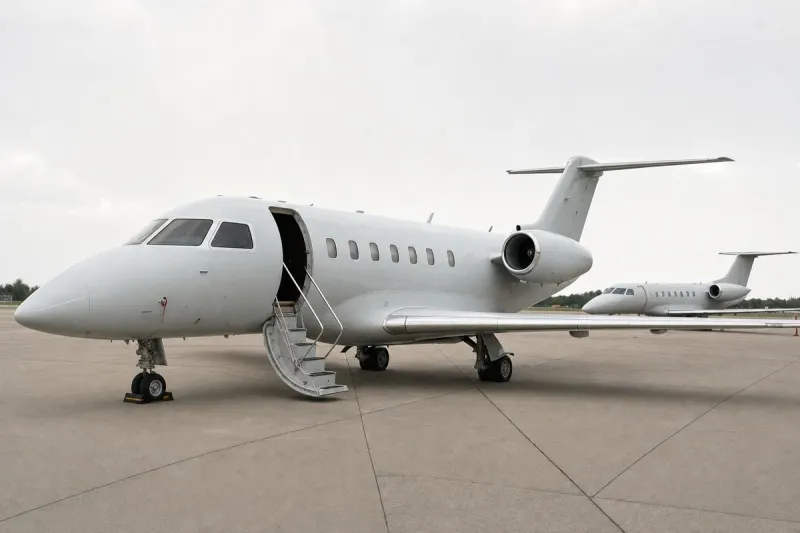
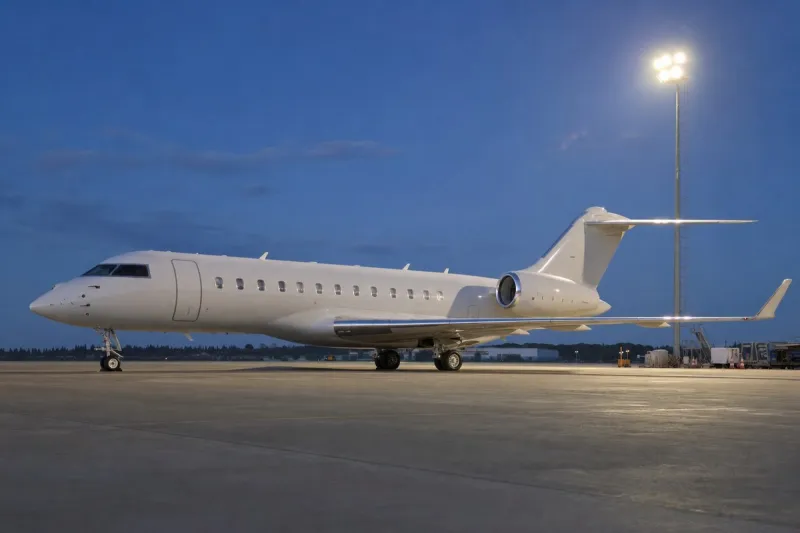
The runway at Driggs-Memorial Reed Airport in Driggs, Idaho has been restored to its full 7,301-foot length after reopening on August 30, ahead of the originally targeted completion date of September 4. The runway had been operating at a shortened length of 3,850 feet since June, after a failed irrigation line forced crews to close off a portion of the runway, which prevented medium and large jets from using the airport throughout the summer and significantly reduced landing-fee and fuel revenue.

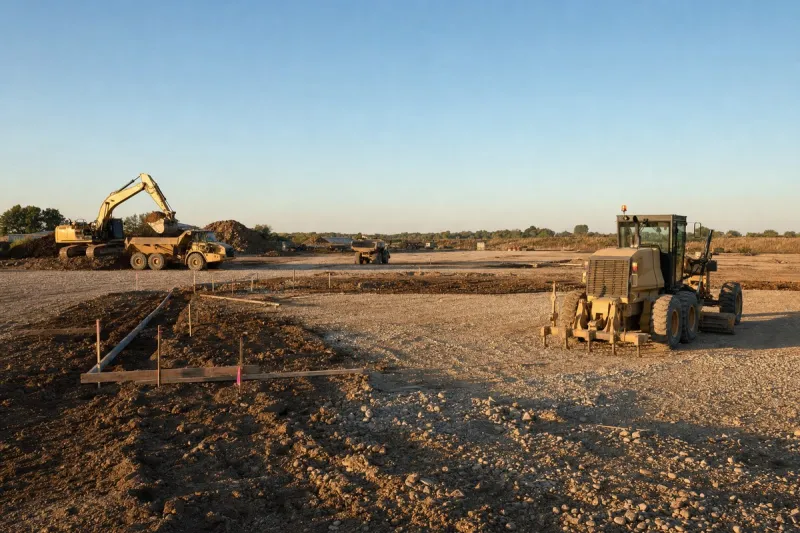
Airport Superintendent Billy Cyr said the irrigation line was reinstalled directly beneath the runway inside a 125-foot steel casing wrapped around a 10-inch HDPE pipe, buried roughly five feet below the surface, designed to protect the line from soil compaction and the impact of aircraft landings. Funding for the repair came primarily from the airport's own emergency fund, after the FAA determined in July that the irrigation fix was not eligible for federal funding, with a relatively small contribution from the Idaho Department of Aeronautics.
Driggs Mayor August Christensen estimated the revenue shortfall from the closure at roughly $60,000, attributing the loss to the absence of jet traffic, which typically generates the most fuel sales and landing fees. By law, the airport must be entirely self-sufficient and cannot be subsidized by the city's general fund. City Treasurer data showed landing-fee totals were down an estimated 4% to 5% in June compared to the prior year, though comparisons were complicated by a separate runway closure the previous year; officials also noted the reduced visitor traffic likely had an indirect effect on local sales and lodging tax collections. Cyr credited airport engineers and contractors, the airport advisory board, Mayor Christensen, City Administrator Doug Self, the city council, the Teton Canal Company, the Teton County Fair Board, and Tributary for their collaboration in completing the work ahead of schedule.
Industry impact & what to watch
This case illustrates how a single utility failure beneath pavement can shut out an entire class of traffic at a small airport, since jets rather than piston aircraft are what a shortened runway excludes and what carries the fuel and landing-fee revenue that airport depends on. Legally self-sufficient airports like Driggs-Memorial Reed cannot lean on a city's general fund, so an unplanned repair has to be absorbed through emergency reserves and whatever state aeronautics support is available, with federal money available only when the underlying cause fits program eligibility rules.
The roughly $60,000 shortfall Mayor Christensen cited, and the 4-5% dip in June landing fees, show how quickly a runway-length restriction shows up in an airport's own books even before any secondary effect on local lodging and sales tax collections is counted. What remains to be seen is whether the new steel-cased pipe installation holds up under continued aircraft loading through the coming seasons, and whether landing-fee and fuel-sales figures for the rest of the year recover to a level comparable with the year before the closure.