Bombardier to Acquire MHI Canada Aerospace Assets in Mississauga, Adding ~750 Employees
Why It MattersThe deal shows OEMs increasingly folding external aerostructure suppliers back in-house to shore up supply chain resilience against the parts and labor constraints that have strained aircraft production.
What happened
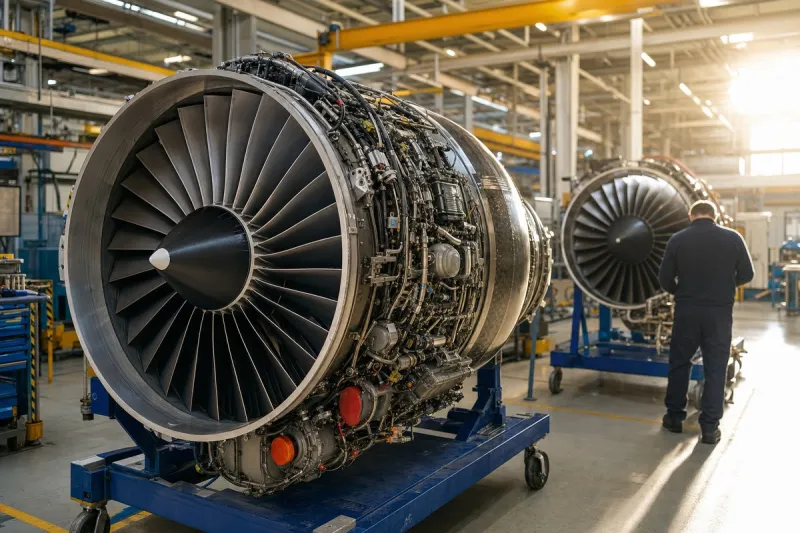
Bombardier and Mitsubishi Heavy Industries (MHI) have announced an agreement under which Bombardier will acquire the assets of MHI Canada Aerospace, Inc. (MHICA), based in Mississauga, Ontario. The transaction is subject to regulatory approvals and customary closing conditions and is expected to close later this year; financial terms were not disclosed.
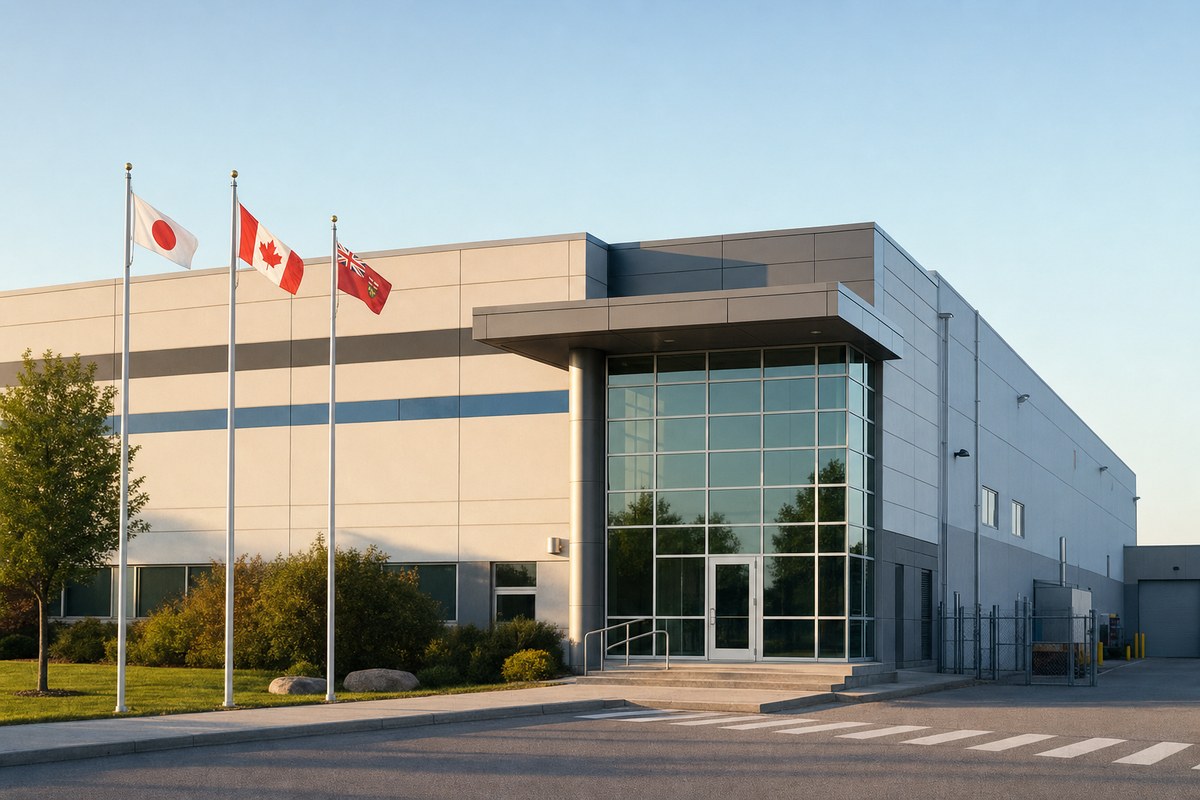
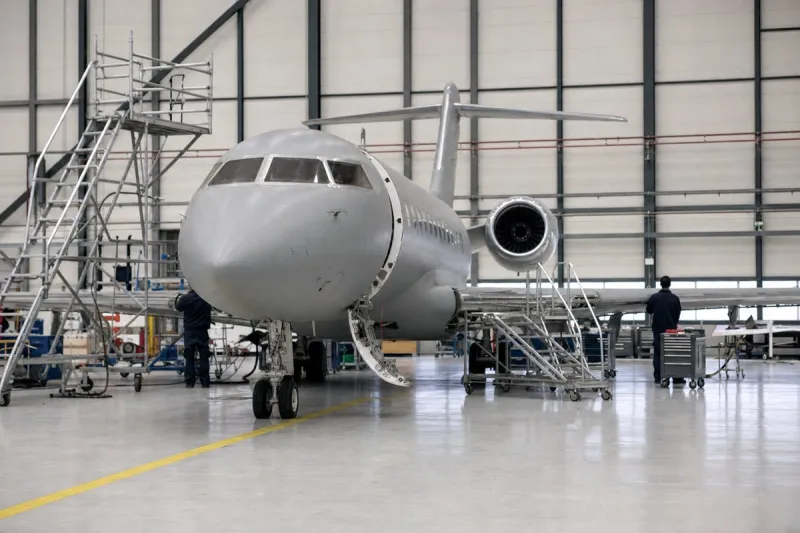
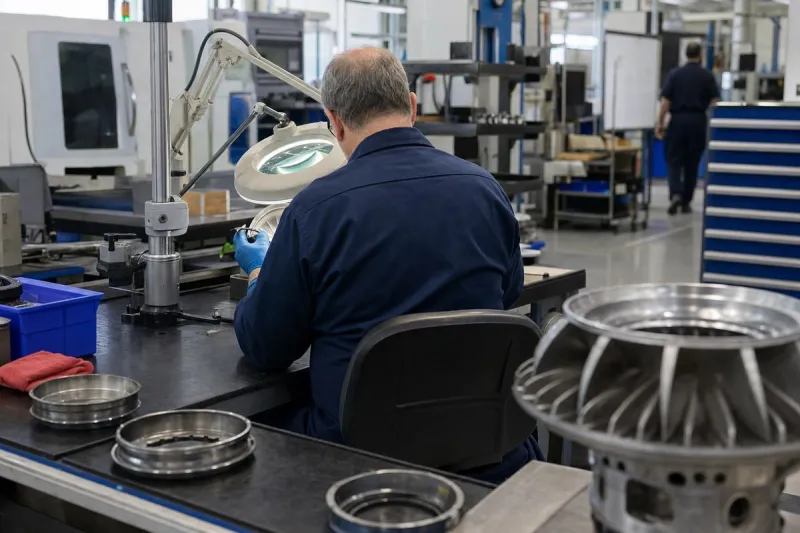
The acquisition will bring MHICA's aerostructure manufacturing capabilities and approximately 750 employees into Bombardier. David Murray, Executive Vice President, Manufacturing, Supply Chain Execution and Bombardier Operational Excellence, said the deal represents a key step in Bombardier's long-term growth strategy. Sandra Hodgkinson, Senior Vice President, Strategy and M&A at Bombardier, described the transaction as aligned with the company's disciplined approach to investing in strategic capabilities.
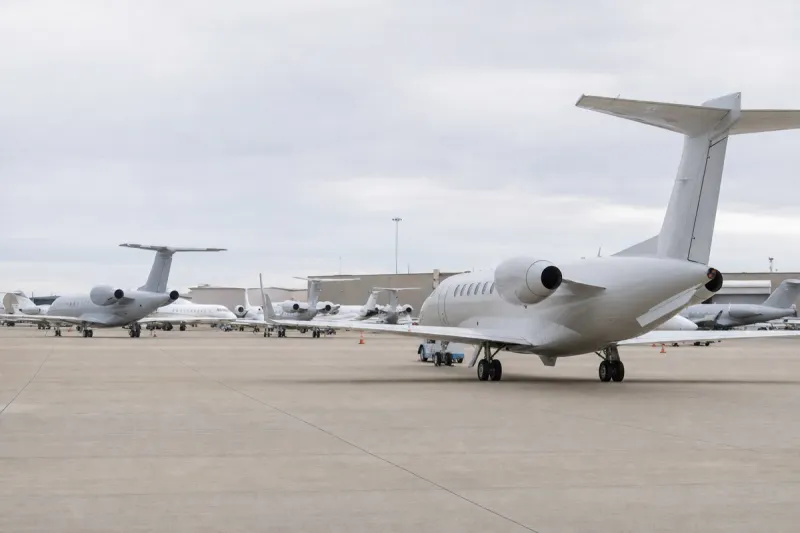
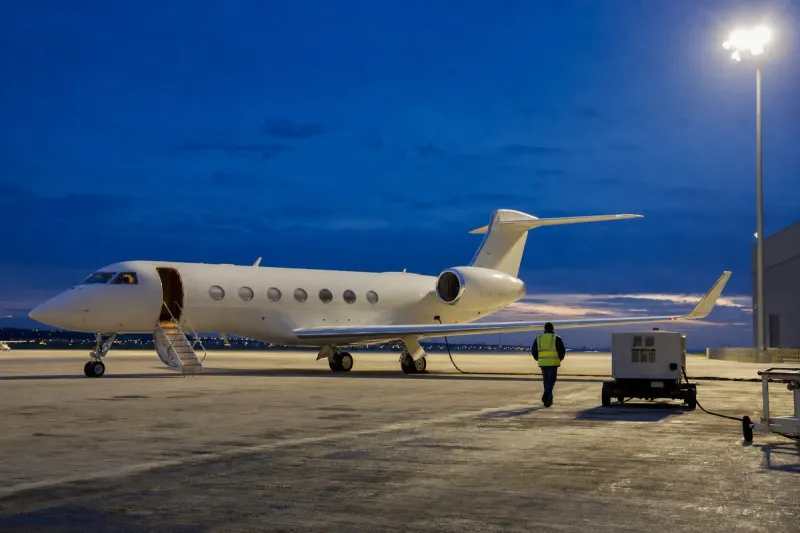
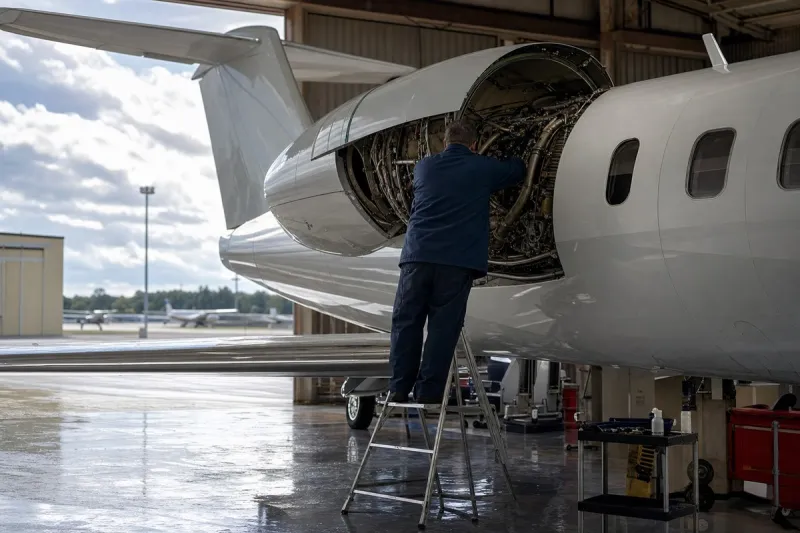
MHI will provide transitional support for an interim period following closing to facilitate the transfer of operations and ensure continuity for MHICA's employees. Hiroyuki Koguchi, Executive Vice President and Head of Commercial Aviation Systems at MHI, said MHI remains committed to the commercial aerospace and defense sectors and will continue to maintain a presence in Canada through its other business activities. Bombardier currently supports a fleet of more than 5,200 customer aircraft through a network of service facilities across six countries.
Industry impact & what to watch
This transaction fits a broader move among airframers to bring aerostructure production back under direct control rather than leaving it with external suppliers. When an OEM owns the plant making its fuselage or wing sections, it controls scheduling, quality and cost directly instead of negotiating them across a contract boundary, which matters when customer demand is rising and any supplier bottleneck ripples straight into delivery dates.
Aerostructures work is typically split between prime manufacturers and specialized suppliers precisely because it lets each side focus on what it does best, but that arrangement only holds as long as the supplier relationship remains stable and the supplier's own capacity keeps pace. Folding a supplier's plant and workforce into the OEM removes that dependency at the cost of taking on the fixed overhead of running the facility directly.
What happens next will turn on how smoothly the roughly 750 employees and MHICA's manufacturing capabilities integrate into Bombardier's operations during the transitional period MHI has agreed to provide, and on how quickly the regulatory approvals needed to close the deal come through this year.