Lufthansa Group Does Not Rule Out Future Sale of Lufthansa Technik
Why It MattersThe episode shows how MRO divisions can remain strategic assets held for value-building even as parent airline groups pursue broad efficiency drives across their businesses.
What happened
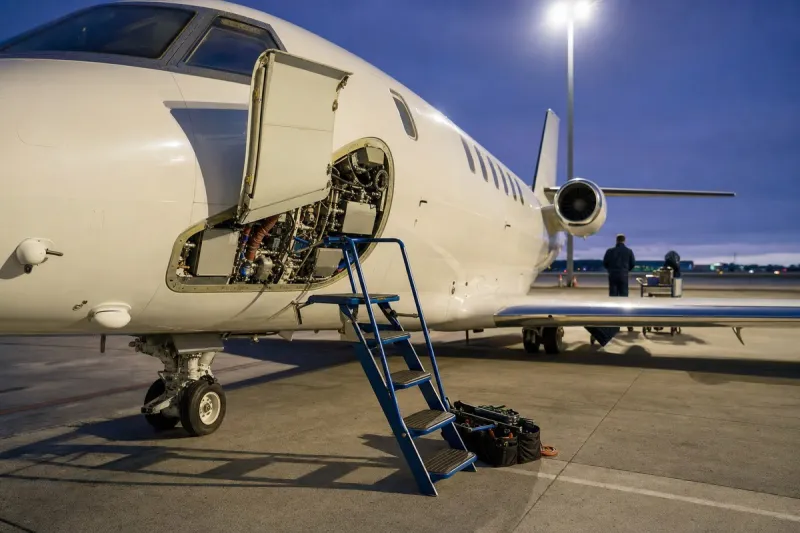
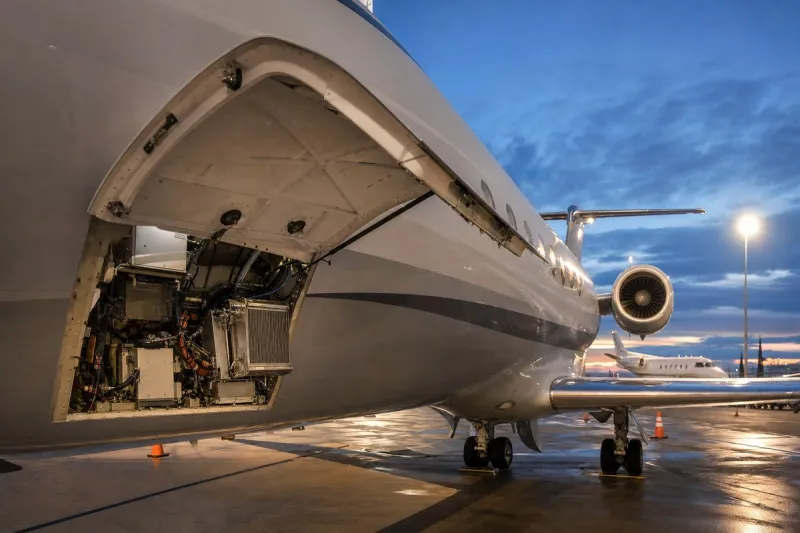
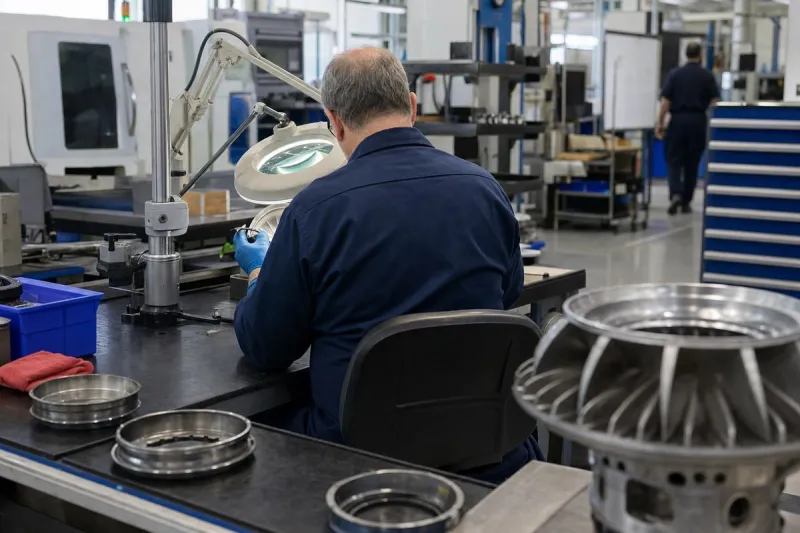
Marc-Dominic Nettesheim, head of investor relations at Lufthansa Group, said the company is not currently preparing any transaction involving Lufthansa Technik (LHT), speaking at the mwb research German Select investor conference. "Currently, we're not preparing specifically for this," Nettesheim said. "We want to increase the value of the company first, and then we take it from there."
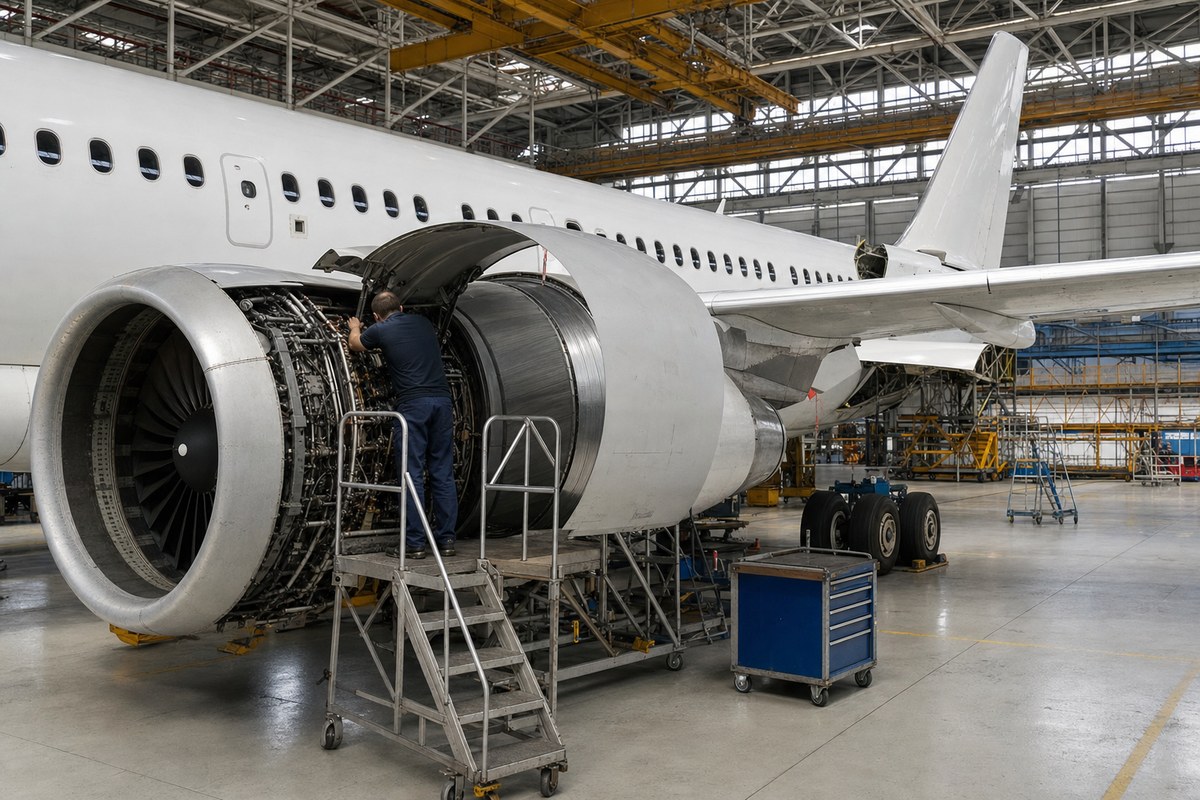
Nettesheim described LHT as "one of the pearls in our portfolio" and confirmed it remains a 100% subsidiary of Lufthansa Group. He added that a future transaction is not fully ruled out: "That does not mean that for all time in the future, any potential transaction is fully ruled out."
Lufthansa previously explored selling a minority stake in LHT following the 2020 industry downturn as part of an effort to strengthen its balance sheet. Those talks lasted three years and ended without a deal. Nettesheim said the earlier process had weighed a broad set of factors beyond purchase price, including what a potential partner could contribute to LHT's development, but that "the entirety of the factors that mattered didn't sit well." Lufthansa Group is currently carrying out a multiyear efficiency drive affecting all parts of the business, including its MRO division.
Industry impact & what to watch
This case illustrates how airline groups treat in-house MRO arms as dual-purpose assets: valuable enough to keep fully owned and cited publicly as a portfolio highlight, yet still subject to periodic review when balance-sheet pressure or restructuring priorities shift. A three-year process that evaluated partner contributions alongside price, and still collapsed, shows that minority-stake talks in MRO are not simple valuation exercises — they hinge on strategic fit as much as on funding needs.
The fact that an efficiency drive is now touching the MRO division alongside the rest of the group suggests LHT's near-term priority is internal value-building rather than external capital-raising, which is consistent with Nettesheim's framing of increasing value before considering any deal. Whether that stance changes will likely depend on how the broader efficiency program performs and whether balance-sheet pressures similar to 2020 re-emerge.
The clearest signal to watch is any renewed disclosure from Lufthansa Group on LHT's standing — investor conferences and earnings calls are where this kind of guidance has surfaced before, and Nettesheim's comments themselves came through that channel.