Brazil flies once every two years per capita despite vast market potential, IATA AGM panel finds
Why It MattersThe case shows how airline margins as thin as 2-3%, fuel pricing, and reversing regulation can keep a large domestic population from ever entering the addressable air travel market.
What happened
A panel at IATA's 82nd Annual General Meeting in Rio de Janeiro found that Brazil, a country of over 200 million people, records only 0.5 flights per capita per year, meaning the average Brazilian flies once every two years. Jerome Cadier, CEO of LATAM Airlines Brasil, said fewer than 10% of Brazil's population actually flies, and warned that without structural reform, ticket prices will stay high and only around 20 million people will fly five or six times a year while the broader population remains excluded.
Panellists identified four interlocking constraints: high operating costs, policy instability, weak long-term planning and insufficient coordination between aviation and tourism. Cadier cited airport charges, fuel costs, labour inefficiency and litigation as structural drivers of high fares, noting that airline margins in Brazil run at just 2-3%. Fábio Rogério Carvalho, CEO of ABR Aeroportos do Brasil, singled out jet fuel pricing and called for a review of how state-owned Petrobras prices fuel to the aviation sector. Carvalho also referenced a study conducted last year that recorded more than 72,000 road accidents and more than 6,000 road deaths, arguing aviation development should be treated as a national infrastructure priority.
On regulatory stability, Cadier cited repeated government reversals on baggage unbundling rules as evidence that policy uncertainty undermines airline investment planning. Mariana Aldrigui, professor and researcher at the University of São Paulo, said Brazil lacks formal aviation lobbying and that policy decisions are often driven by personal narratives rather than sectoral data, with insufficient data available from federal, state and city governments to inform legislators. Jeanine Pires, director of Pires Inteligência em Turismo and a former head of the Brazilian Tourism Agency, said the domestic market remains too small and that Brazil needs to expand connections with international carriers while using multiple entry points across the country, including the south, north and northeast.
Embraer's global expansion versus domestic gaps
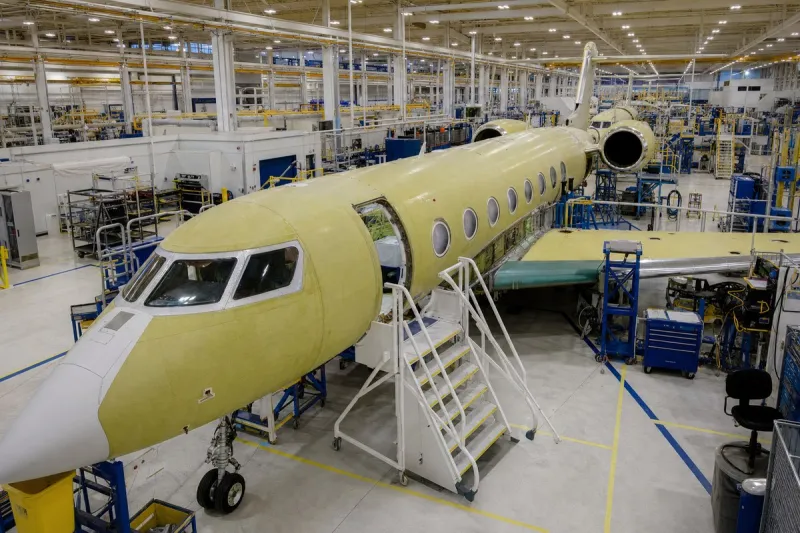
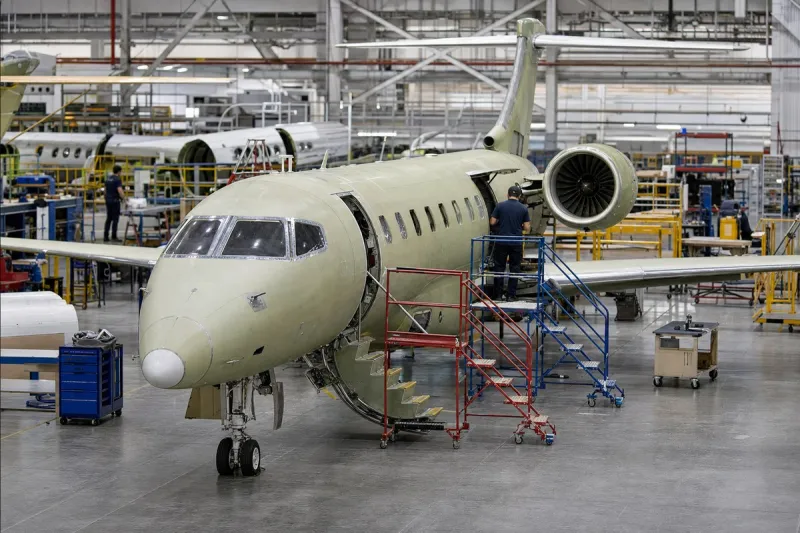
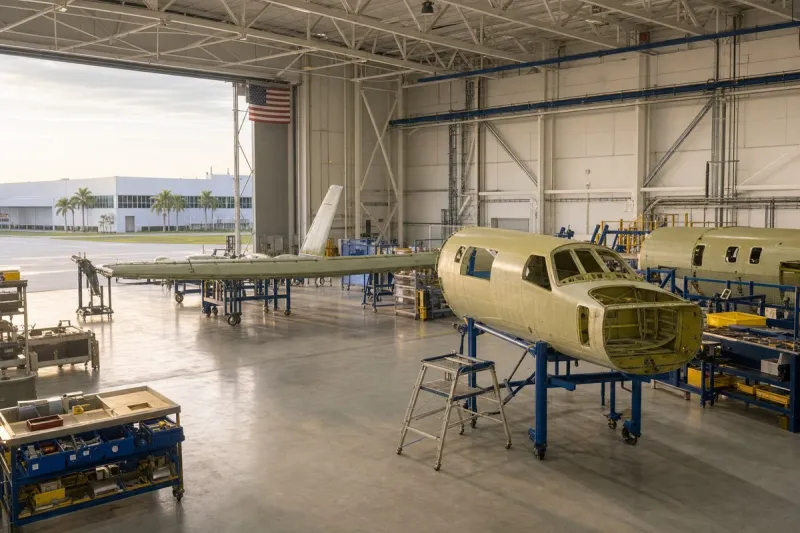
Embraer, described as the world's third-largest commercial aircraft maker after Airbus and Boeing, is expanding globally even as Brazil's domestic market lags. LATAM Airlines Brasil's first Embraer E195-E2 was photographed at Embraer's factory in São José dos Campos, São Paulo, on 9 June; the aircraft is set to join the fleet in the fourth quarter of 2026, where it will play a role in expanding connectivity across Brazil. Embraer says the E195-E2 has been selected by 24 customers and holds a 76% market share against the comparable Airbus A220.
Panellists agreed that growing Brazil's domestic market is essential to feeding international services, dispersing tourism beyond São Paulo and Rio de Janeiro, and making air travel accessible to a wider share of the population.
Industry impact & what to watch
This case illustrates how a domestic aviation market can stay structurally small even when the country has scale and its own aircraft manufacturer: cost, policy and coordination constraints, not aircraft availability, are the binding limits on who gets to fly. Thin airline margins of 2-3% leave carriers little room to absorb fuel pricing, airport charges and litigation costs, so those costs pass through directly into fares that keep flying a habit of a narrow, wealthier slice of the population.
The segment's underlying mechanics show why aviation and tourism growth stay linked: a small base of frequent flyers cannot generate the traffic density that supports either new domestic routes or the international connections Jeanine Pires described as necessary, while road-safety data cited by Fábio Rogério Carvalho suggests the cost of not solving this sits outside the airline balance sheet entirely. Regulatory reversals on baggage unbundling compound the problem by making it harder for carriers to plan capacity or pricing against a stable rulebook.
What happens with Petrobras's aviation fuel pricing, and whether the government settles baggage rules rather than revisiting them again, will show whether any of the four constraints panellists named is actually being addressed. LATAM's E195-E2 entering fleet service in the fourth quarter of 2026 is one concrete marker of whether smaller aircraft can open connectivity to the entry points Pires flagged outside São Paulo and Rio de Janeiro.