Jet Share Marketplace Projected to Reach $15.42 Billion by 2030, Growing at 9.7% CAGR
Why It MattersGrowth in shared-access private aviation shows platform-based booking and membership models expanding alongside, not replacing, traditional charter and fractional structures.
What happened
A market report forecasts the global jet share marketplace to grow from $9.72 billion in 2025 to $10.64 billion in 2026, a compound annual growth rate of 9.5%, before reaching $15.42 billion by 2030 at a CAGR of 9.7%.
The report cites rising demand for private aviation, a growing population of high-net-worth individuals, the expansion of digital aviation platforms, and increasing interest in subscription-based private flight services as key drivers. Shared ownership and membership models that let users access private jets without full ownership costs are also cited as contributing to growth. Market segments identified include fractional ownership programs, jet card programs, on-demand charter services, and seat-sharing services, with on-demand charter further broken down into light, midsize, heavy, and ultra-long-range jets, as well as helicopter charters.
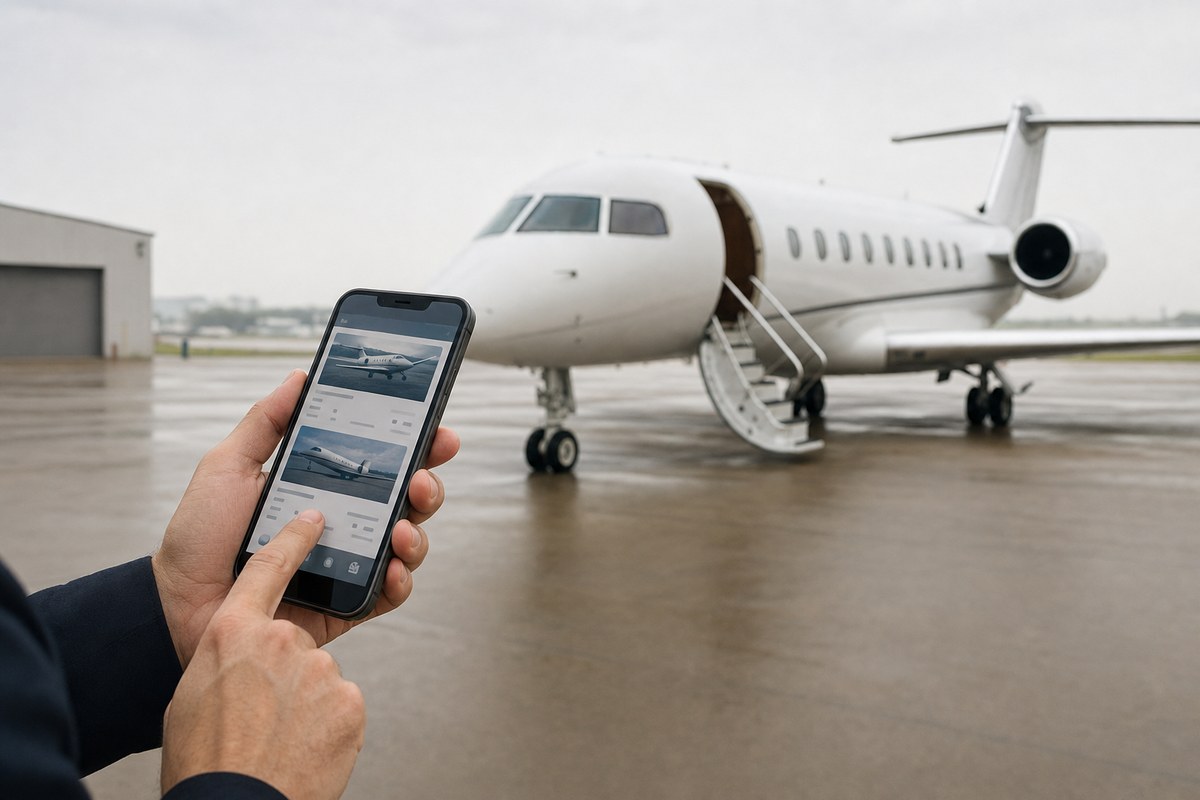
In March 2026, US private aviation firm Jet Linx Aviation launched MemberSeat Exchange, a flight-sharing application that lets Jet Card members and aircraft owners offer or book seats on scheduled flights. The platform supports real-time booking, trip management, itinerary viewing, catering coordination, ground transportation arrangements, and direct communication with local Jet Linx teams within a vetted client network.
Industry impact & what to watch
This forecast places seat-sharing and jet-card products inside the same growth curve as fractional ownership and on-demand charter, treating them as complementary segments of one marketplace rather than as competing formats. The projected step from $9.72 billion to $10.64 billion in a single year, followed by a longer climb to $15.42 billion by 2030, points to demand building steadily across multiple access models at once, not concentrating in any single one.
How this segment works today is that membership and jet-card holders increasingly expect the flexibility once associated with scheduled airlines: booking a seat instead of chartering a whole aircraft. Jet Linx's MemberSeat Exchange illustrates that mechanism directly, giving existing Jet Card members and aircraft owners a way to fill empty seats within a vetted network rather than leaving capacity unused.
What will determine whether the 2030 figure holds is how many operators build comparable seat-sharing tools inside their existing membership bases, and whether high-net-worth demand keeps expanding fast enough to sustain a 9.7% CAGR through the back half of the decade.