Modular Skid Systems and Equipment Requirements for Scaling Sustainable Aviation Fuel Production
Why It MattersBinding blending mandates and feedstock-driven supply diversification are pushing SAF producers toward modular, shop-fabricated skid systems to cut schedule and construction risk.
The sustainable aviation fuel industry is facing a critical execution challenge as binding blending mandates take effect across multiple jurisdictions. Under the EU's ReFuelEU Aviation regulation, fuel suppliers must blend a minimum 2% SAF into jet fuel at EU airports starting in 2025, rising to 70% by 2050, with a dedicated sub-mandate for synthetic e-fuels. The UK's SAF Mandate similarly requires 2% in 2025, rising to 22% by 2040, while Switzerland is aligning with EU rules and Türkiye develops its own SAF regulations.
Energy security has added a second driver to SAF investment. The International Energy Agency has characterised recent disruption to Gulf oil flows as the largest supply disruption in the history of the global oil market, with effects expected to persist into 2027. Because SAF is produced from diverse, largely domestic or regional feedstocks — waste fats, oils and greases, agricultural residues, and eventually e-fuels — scaling production also diversifies fuel supply away from concentrated geographic chokepoints.
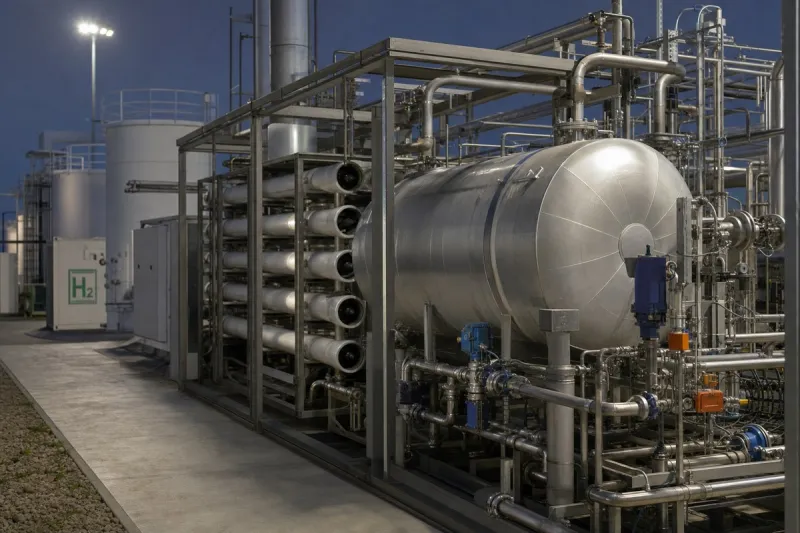
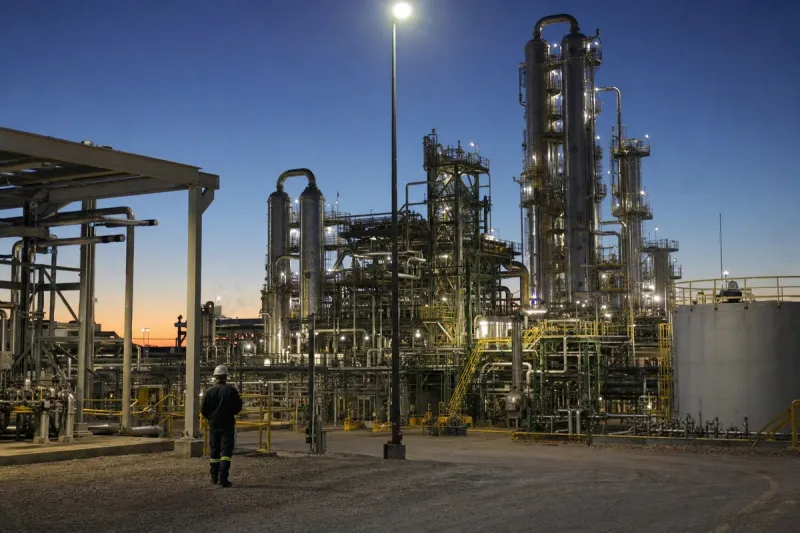
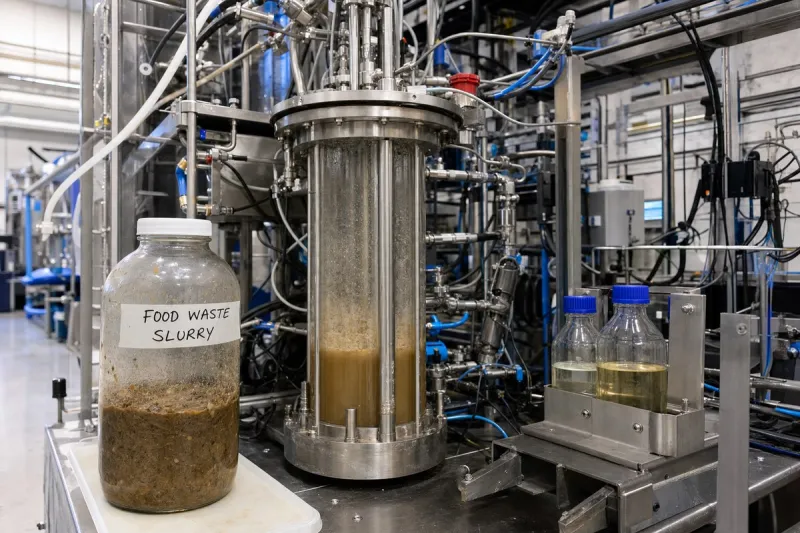
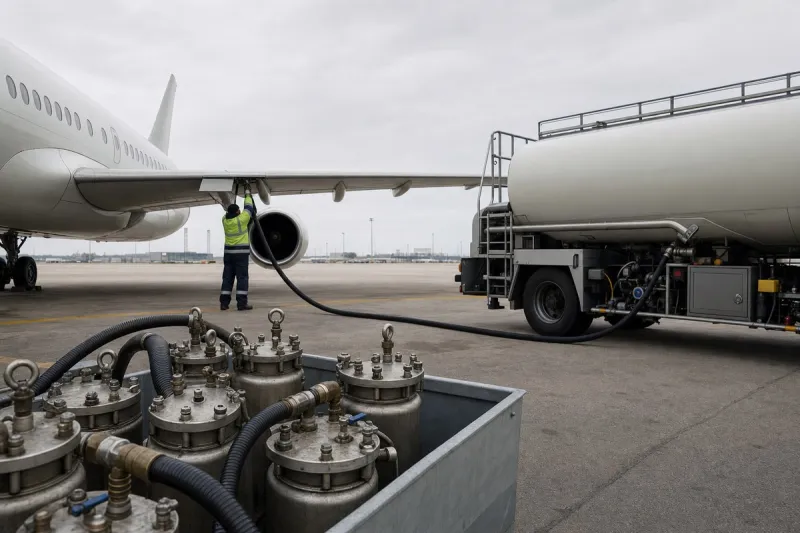
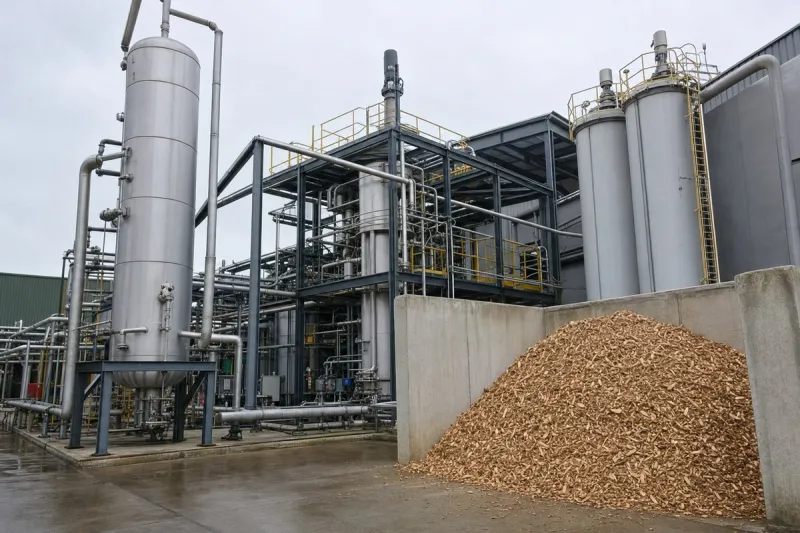
SAF is produced via several ASTM D7566-approved pathways, each with distinct equipment requirements. The Hydrotreated Esters and Fatty Acids (HEFA) route, which processes waste fats, oils and greases, is the most commercially mature and the basis of most projects reaching final investment decision today; HEFA plants require heavy feedstock pretreatment and filtration, hydrogen-service pressure vessels often fabricated in chromium-molybdenum alloys, and sour-water and acid-gas treatment systems for hydrogen sulphide removal. Within a HEFA plant, process treatment systems include feedstock pretreatment and filtration skids, hydrogen-service reaction vessels, fixed-bed adsorber vessels built to NACE MR0103 sour-service requirements, and fuel-quality filter/separators ensuring finished SAF meets Jet A-1 specifications in compliance with Energy Institute standards EI 1581 and EI 1590.
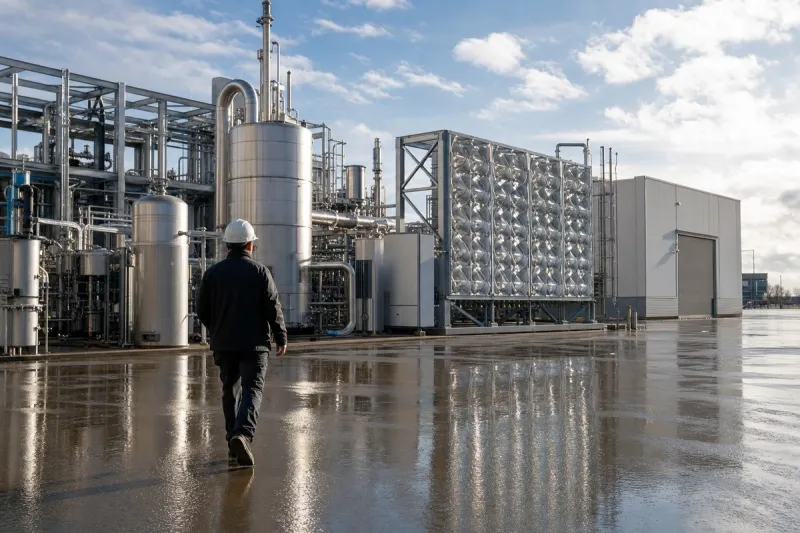
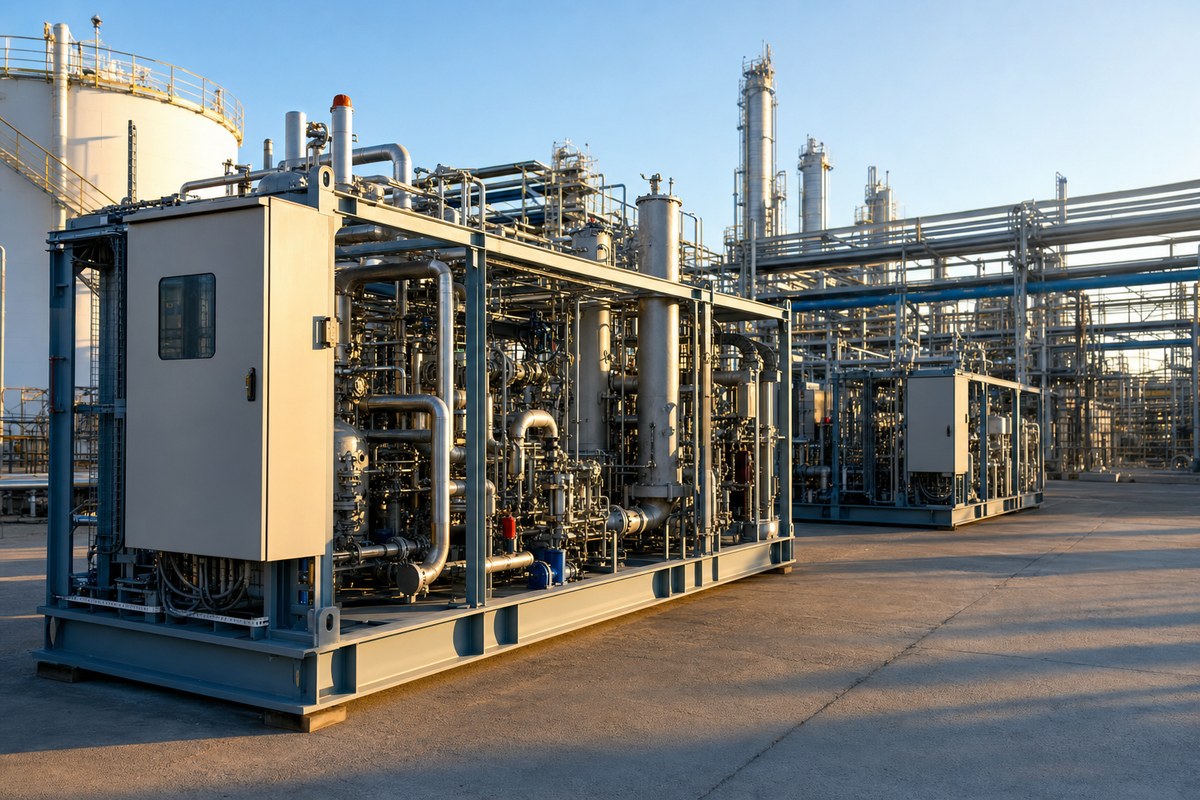
Modular, shop-fabricated skid packages are emerging as a strategic execution approach for SAF projects, allowing civil works and fabrication to proceed in parallel and reducing schedule risk, field labour requirements, construction risk and vendor coordination complexity, particularly in brownfield refinery conversion projects. ERGIL, a fabricated-systems manufacturer, has identified SAF plants as a target market for its modular skid and vessel fabrication capabilities, covering feedstock pretreatment skids, separator and coalescer packages, sour-water and acid-gas treatment systems, fixed-bed adsorber vessels, and hydrogen-service pressure vessels.