Vertiport Infrastructure, Not Aircraft Certification, Is the Core Bottleneck for Commercial eVTOL, Expert Warns
Why It MattersThe warning signals that early movers securing land, community approval and energy deals now could gain lasting advantages over eVTOL entrants who wait for certification to conclude.
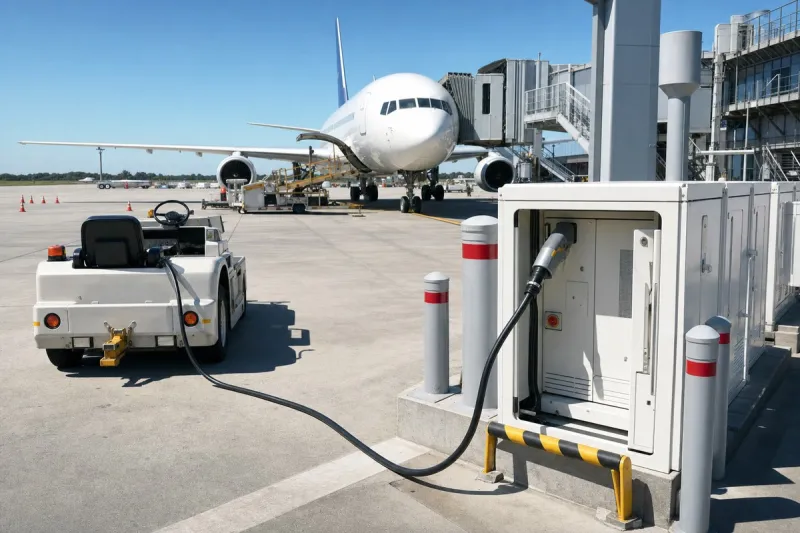
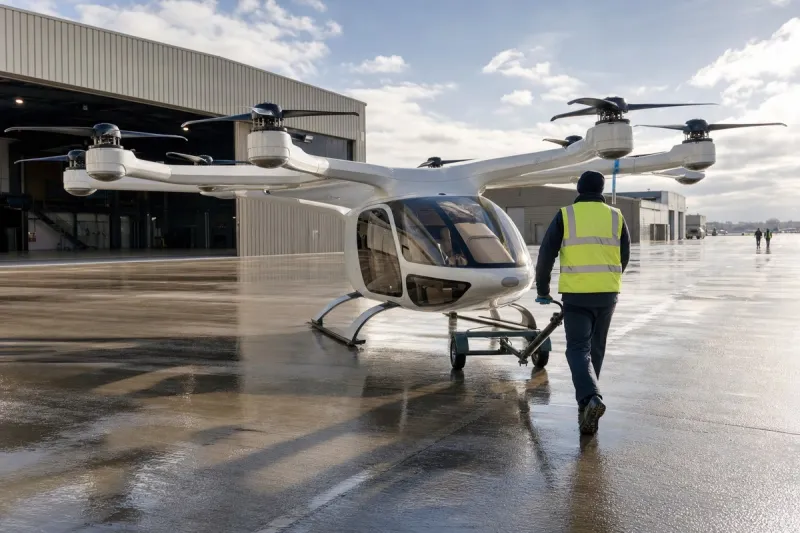
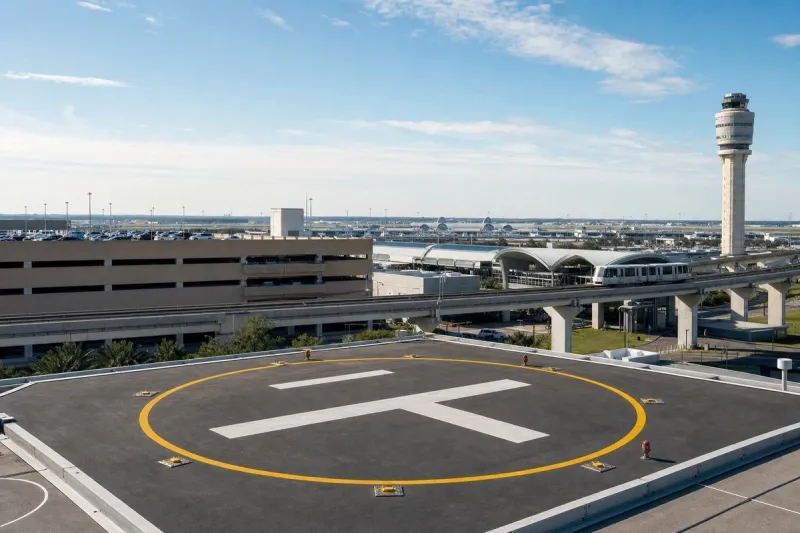
Advanced air mobility expert Lisa Wright, founder of Landings, says vertiport and energy infrastructure, rather than aircraft certification, is the most urgent and time-consuming challenge facing commercial eVTOL deployment, particularly for rural networks across North America. She compares the situation to the electric vehicle industry, where automakers built vehicles faster than charging networks could support them, leaving early adopters with fragmented infrastructure, and argues advanced air mobility is repeating that pattern with the added complexity of land agreements, community approvals, utility connections and energy assessments that each carry multi-year timelines.
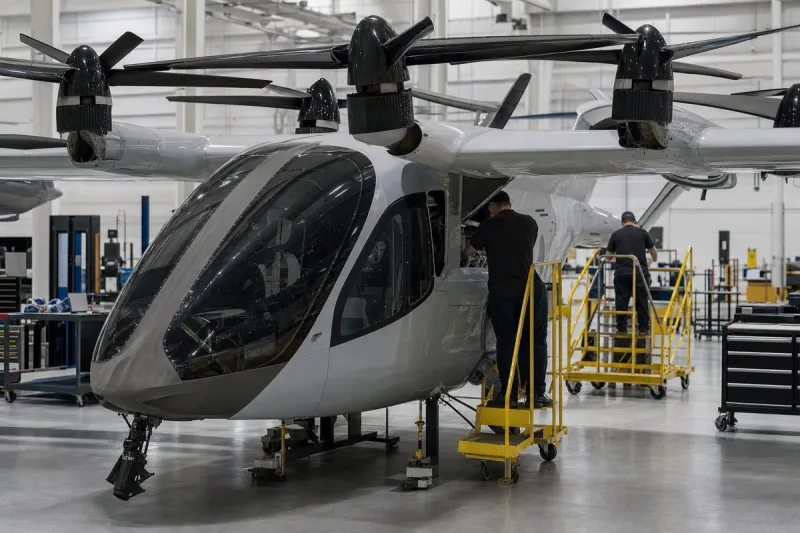
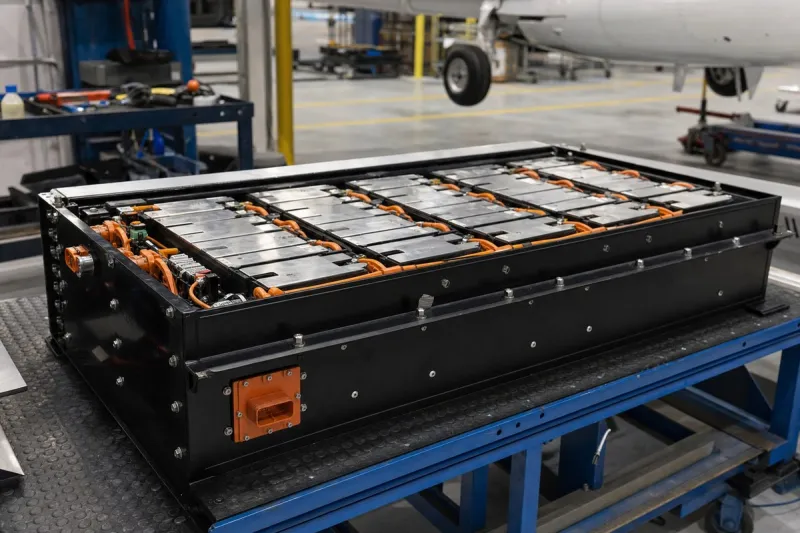
On certification, Joby Aviation is targeting late 2026 while Archer's timeline may slip to 2028, but Wright contends that even certified aircraft cannot begin commercial service without prepared landing sites, since vertiport lead times run in years rather than months. She identifies energy infrastructure as the most underappreciated constraint, especially for rural and semi-rural locations, noting that grid connections to remote sites can take years and off-grid solar and battery procurement does not align with early deployment schedules. Some operators are exploring mobile charging trucks as a temporary bridge before permanent power solutions are in place. "Energy is still the real bottleneck," Wright said.
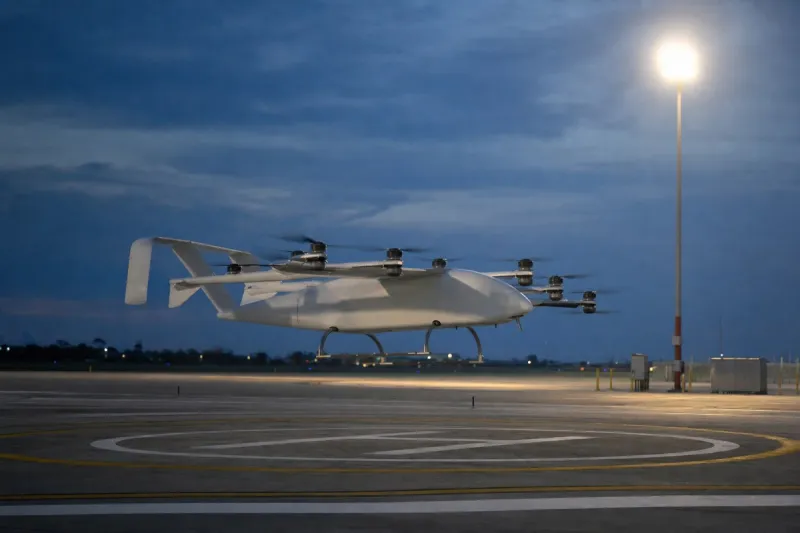
With the FAA's EIPP program launching this summer, manufacturers are beginning to plan actual deployments, making landing-site questions increasingly operational. Wright says operators who have already secured location agreements, community approvals and energy solutions hold positions new entrants cannot quickly replicate: "Anybody who wants to start now is going to take years to catch up with groups who have been ahead of this." Landings itself is building what it describes as North America's first comprehensive vertiport landing and charging network, targeting more than 2,000 rural locations through a revenue-sharing model with commercial property owners.