Enatel Report: Over 70% of Survey Respondents Say Airport Charging Infrastructure Is Lacking for eGSE Transition
Why It MattersThe findings signal that airside electrification is shifting from a stated commitment to an infrastructure bottleneck, with charging capacity now the constraint on eGSE fleet growth across airport scales.
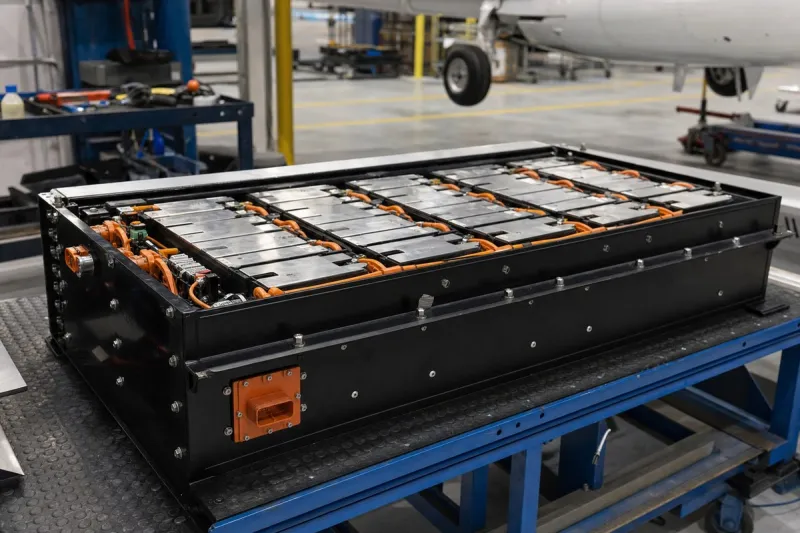
Electrification solutions company Enatel has published a report titled "The Global State of Airside Electrification: From Commitment to Operational Reality," released September 1, 2026, identifying barriers airports face in scaling electric ground support equipment (eGSE) fleets. The report draws on industry data, case studies and expert interviews, and finds that airports face different execution challenges depending on scale, from power availability constraints at major hubs to knowledge and planning gaps at regional operations.
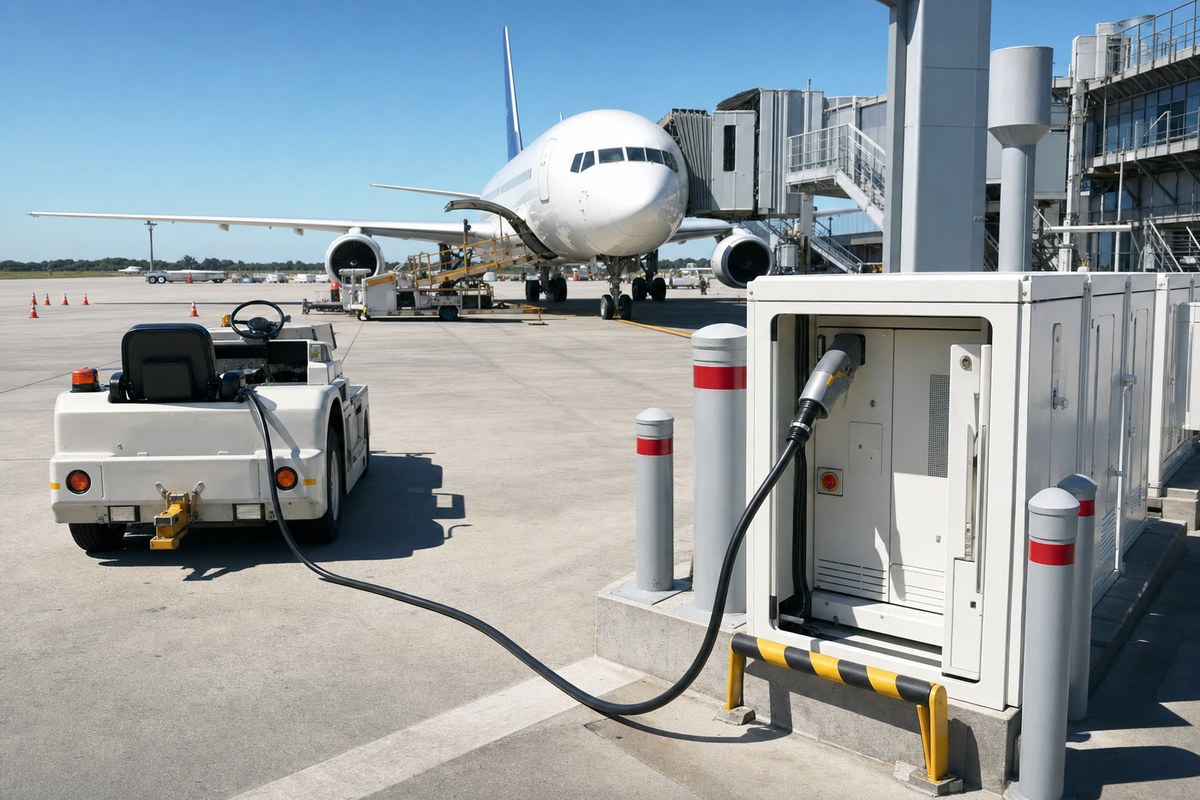
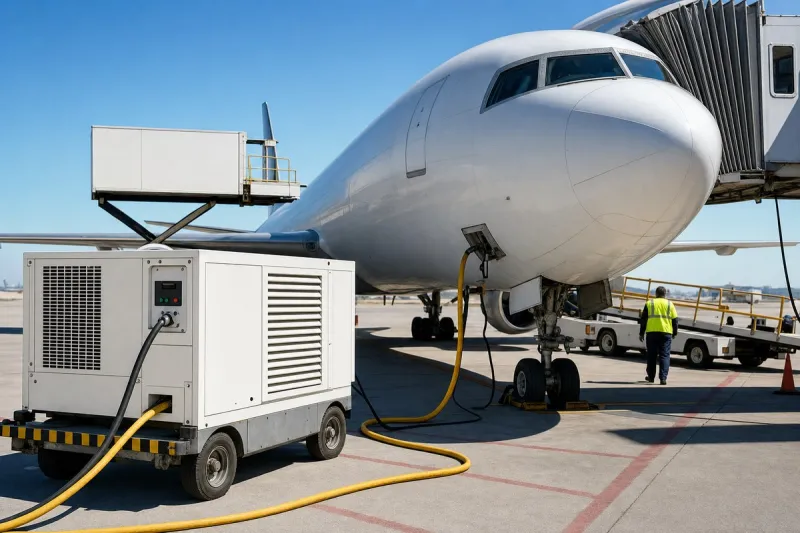
A survey by Ground Support Worldwide cited in the report found that nearly 65% of airports intend to invest in eGSE fleets over the next five years to meet sustainability targets, improve operational efficiency and comply with new regulations. However, more than 70% of respondents said their current charging infrastructure is lacking. The report also finds that battery energy storage systems can reduce peak demand and lower total system costs by up to $10 million for large US airports, and that operators who adopt airport GSE battery charger partners early and develop long-term strategies are better positioned to scale electrification without disrupting operations.
The report includes contributions from Tony Smith of Bahrain Airport Services, along with experts from Deerns, FastCharge, Enatel, and IDEAL Industries. Mike Clifford, General Manager of Enatel, said the question for most airports is no longer whether to electrify but how to plan and grow new electric GSE fleets effectively. Rachel Whitehead, Director of Marketing and Product at Enatel, said the report gives airport operators strategies to move from electrification commitment to scalable execution, adding that infrastructure decisions made today will support long-term electrification success.