SAF Mandates, New Projects and Industry Partnerships Drive Aviation Decarbonisation Push
Why It MattersAviation decarbonisation is advancing as a patchwork of regional mandates, feedstock deals and pilot technologies rather than a single coordinated pathway, leaving supply timing and cost uncertain across regions.
What happened
The European Union's ReFuelEU mandate, applicable from the start of 2025, requires a 2% minimum SAF blend at EU airports, rising to 6% by 2030 alongside a separate 1.2% eSAF requirement, and a mandated 10% eSAF share by 2040. Alongside this regulatory backdrop, a series of separate industry developments were announced heading into late 2026.
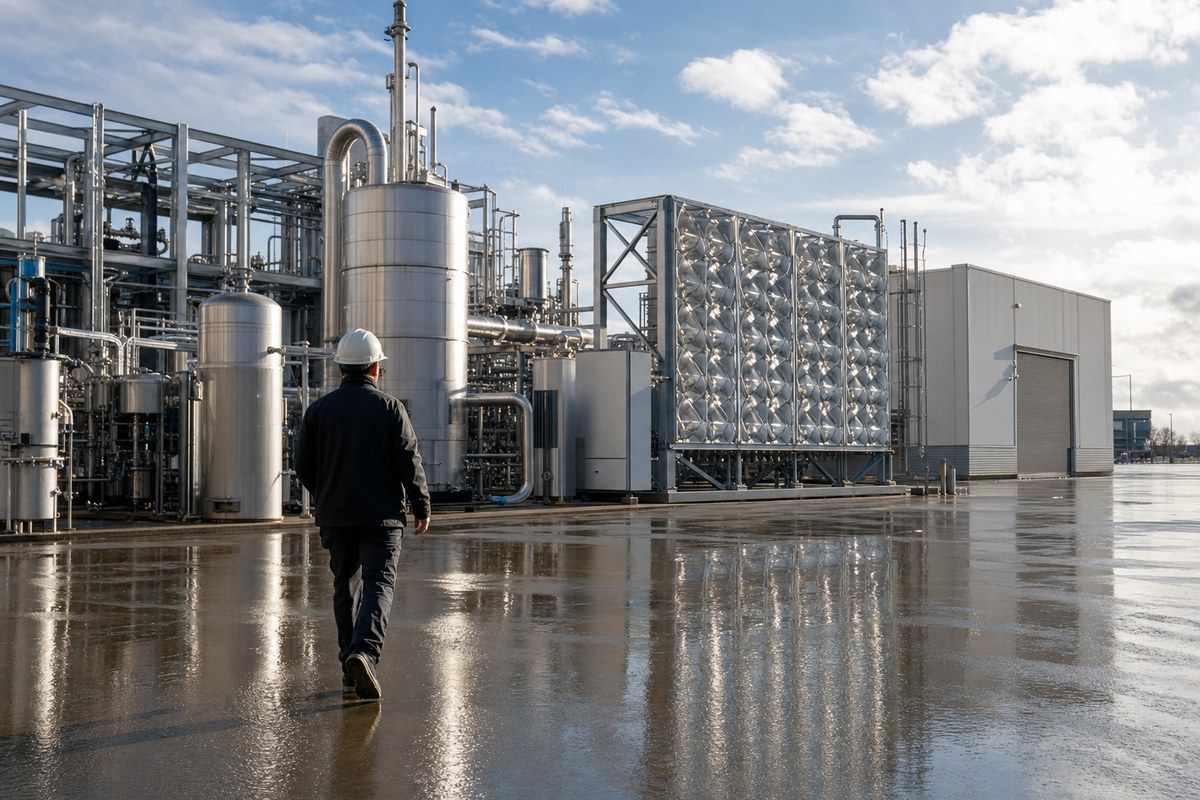
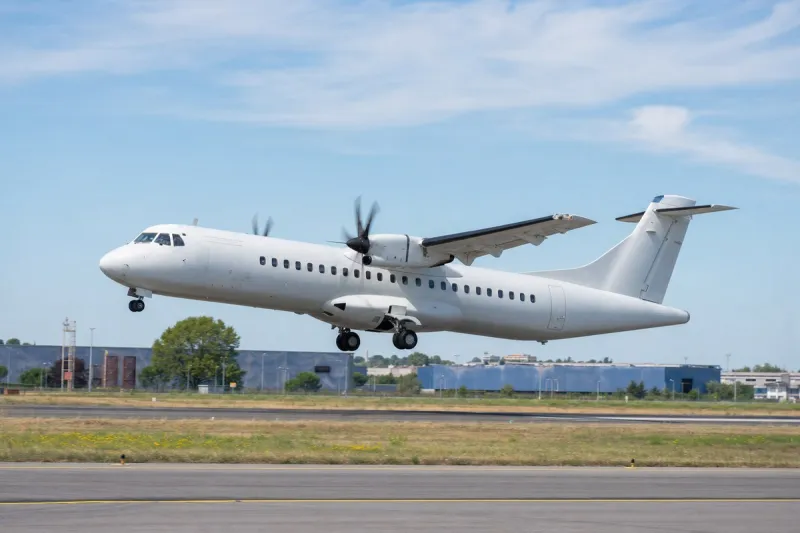
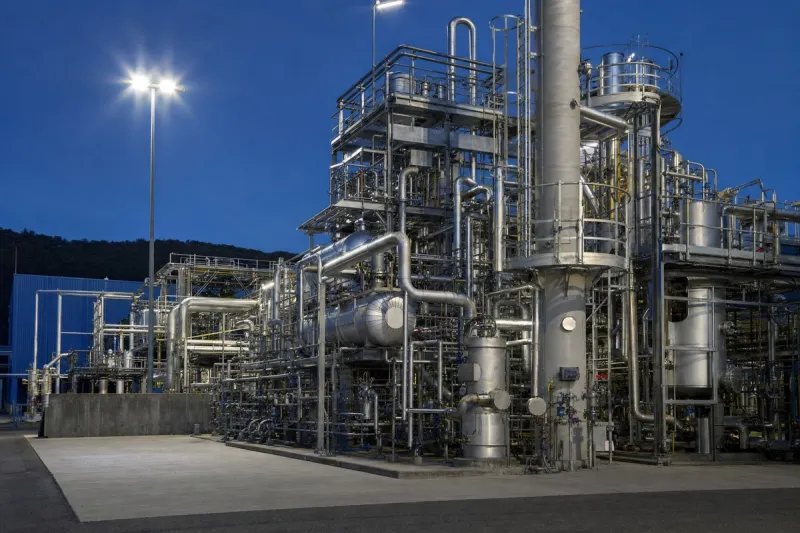
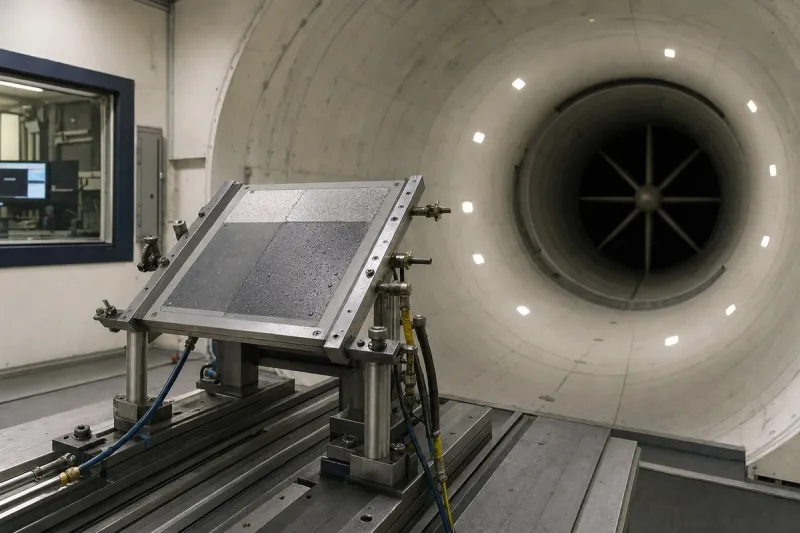
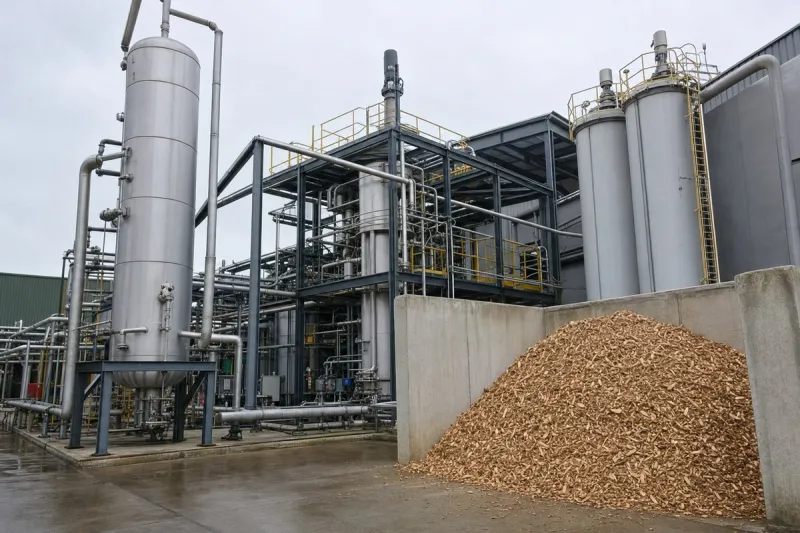
Synhelion was selected for funding under the Produktives NRW programme of North Rhine-Westphalia to build a commercial demonstration plant for renewable synthetic fuels, including eSAF, in Jülich, Germany, following its first facility, DAWN. Lufthansa Technik and Surventis began testing riblet surface technology on a Lufthansa City Airlines Airbus A319 flying between Munich and Hamburg, using 70 film patches each measuring 20 x 20 cm, in trials running until February 2027 and targeting roughly a 1% cut in fuel consumption and CO2 emissions; Lufthansa Technik's existing AeroSHARK technology is fitted to 22 long-haul aircraft across four Lufthansa Group airlines, saving 19 tonnes of fuel and 60 tonnes of CO2 daily. Alfa Laval was chosen by Acelen Renewables to supply pre-treatment technology, including heat exchangers, separators and engineered components, to a proposed SAF facility in Bahia, Brazil, using soybean oil, tallow, used cooking oil and macaúba, expected to begin operating in 2029 with capacity for 1 billion litres of SAF as its main HVO product.
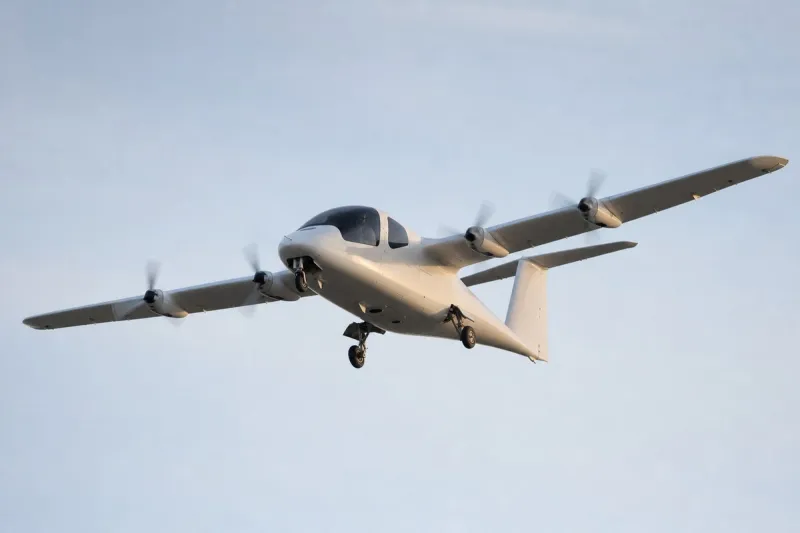
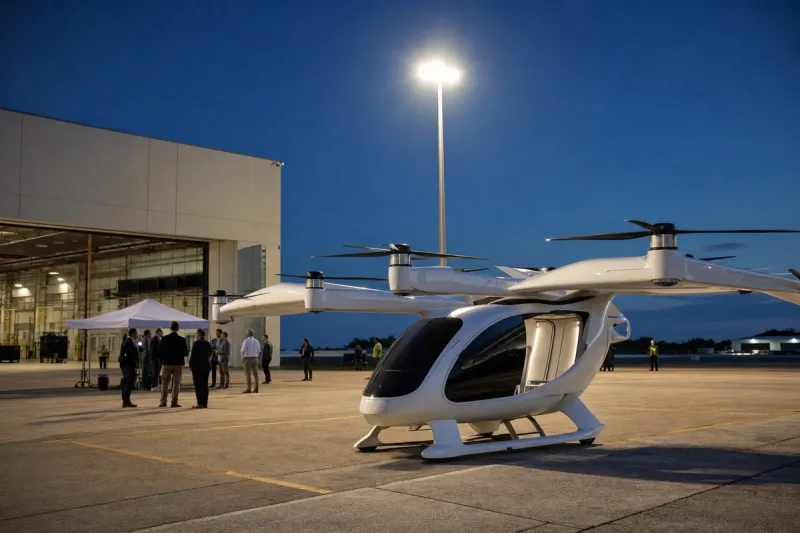
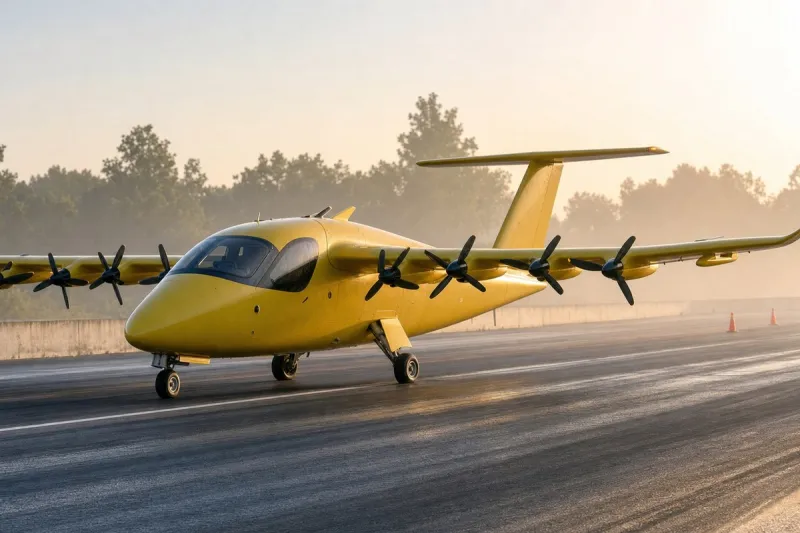
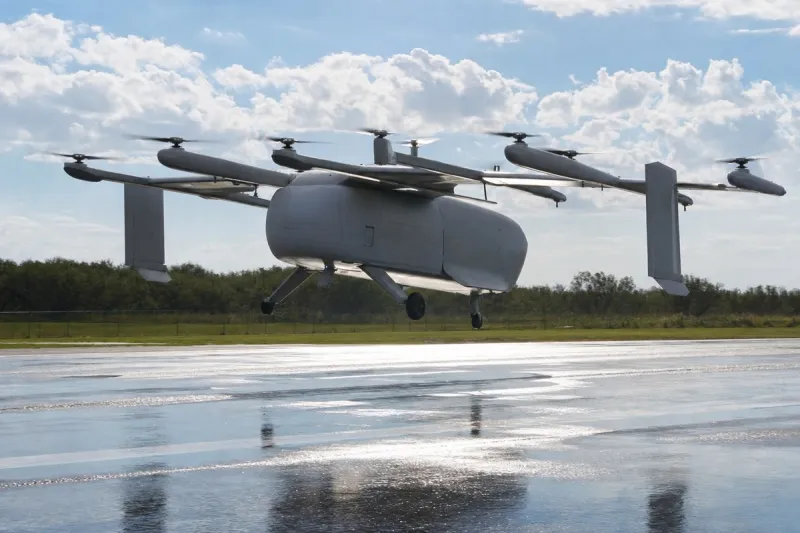
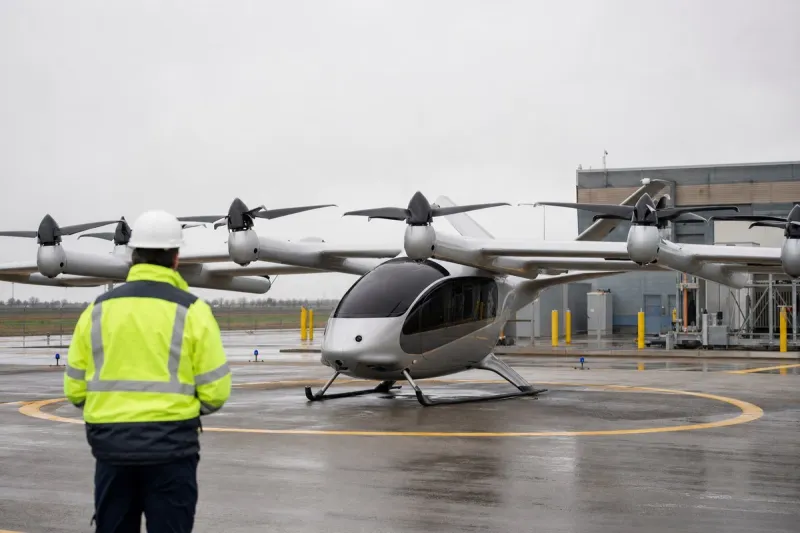
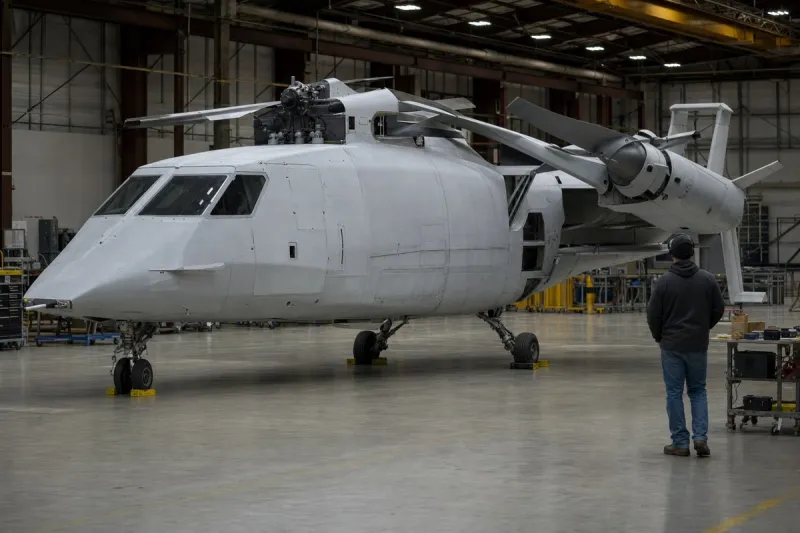
Other announcements included LYTE Aviation and AMROS unveiling the PowerBridge HyVolt hybrid-electric propulsion system for a planned 40-seat SkyBus eVTOL with a 1,000 km range; Emstream completing a CORSIA carbon credit auction for SEFE at a volume-weighted average price above $12.60 per tonne of CO2 equivalent; IATA's Board appointing Saadia Zahidi as its ninth Director General, effective November, succeeding Willie Walsh whose term ends in July, with Sandrine Le Borgne serving as interim; and UK Export Finance broadening eligibility criteria for UK SAF project financing, announced at the Farnborough Airshow.
Further deals included the H4 Marseille Fos eSAF project signing a partnership with Rhône Décarbonation to secure 50% of its biogenic CO2 needs, targeting a final investment decision in 2028 and production of 75,000 tonnes of eSAF per year from 2032; FatHopes Energy partnering with UCO Trading for more than 200,000 tonnes per year of waste-based feedstocks; the Green Cabin Alliance opening membership for its Airline Allies initiative; Air Canada and Airbus launching a Sustainability Co-Investment Platform committing up to CAD 13.7 million ($10 million), with Airbus purchasing SAF environmental attributes tied to over 60,000 litres; ETFuels selecting the Port of Immingham for its Project Kings Road Humber methanol-to-jet refinery, expected to create up to 1,000 construction jobs and 400 permanent roles; Rolls-Royce, Boeing and Lufthansa testing fuel efficiency and noise technologies on a Trent 1000-powered Boeing 787-9 in Glasgow, Montana; and Syzygy Plasmonics signing a framework agreement with the International Finance Corporation to develop SAF projects across Latin America.
Industry impact & what to watch
Taken together, these announcements show decarbonisation progressing as a collection of parallel, geographically dispersed efforts rather than one coordinated build-out: regulatory mandates in the EU, feedstock and refinery deals in Brazil and the UK, financing mechanisms in Canada and the UK, and technology trials in Germany and the US are advancing on separate timelines with separate backers.
This is how SAF supply has generally scaled to date — mandates set a demand floor, project developers chase feedstock and financing case by case, and airlines or OEMs fund discrete pilots to shave single-digit percentages off fuel burn. The gap between announced capacity (such as the 1 billion litre Bahia facility or the 75,000 tonnes per year Marseille Fos project) and near-term supply remains wide, since most of these projects target first production between 2029 and 2032.
What comes into focus next is execution against these dated milestones: whether Synhelion's Jülich plant reaches commercial operability, whether H4 Marseille Fos reaches its 2028 final investment decision, and whether ETFuels' Immingham refinery converts its jobs projections into construction starts. Leadership continuity at IATA also enters a transition window, with Sandrine Le Borgne holding the Director General role on an interim basis until Saadia Zahidi takes over in November.